Newsletters


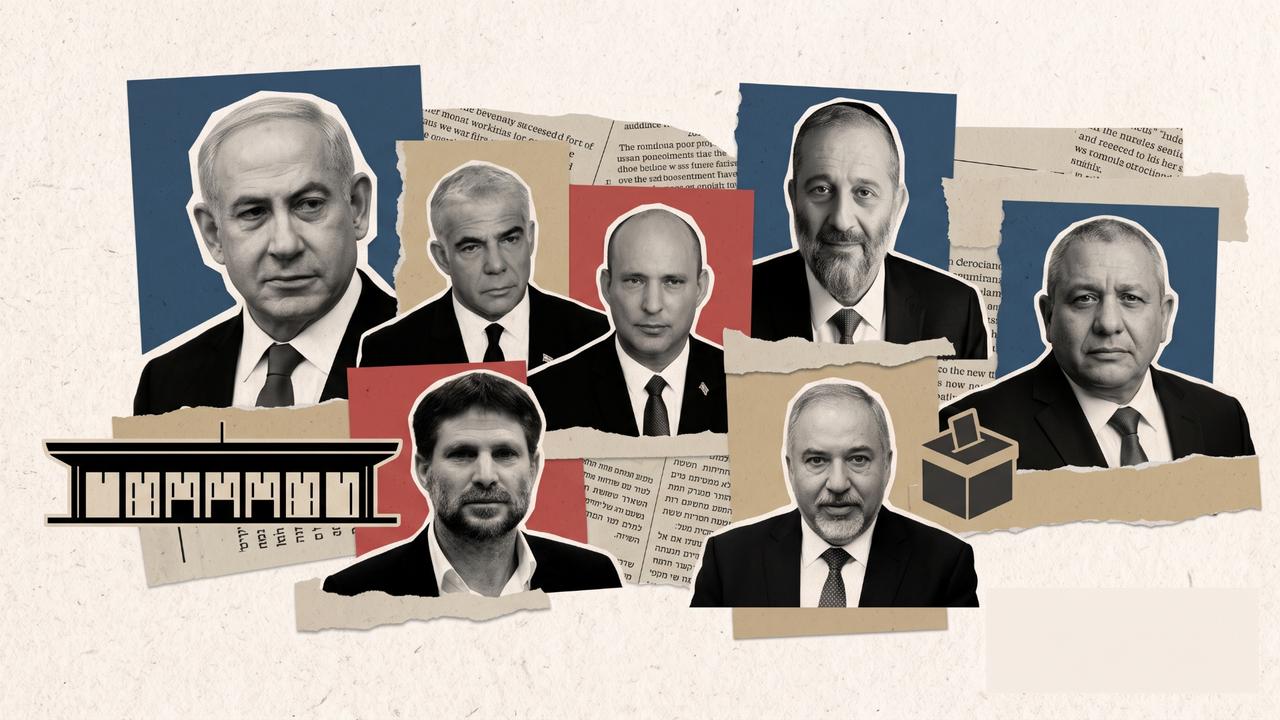
Israelis vote on Oct. 27 in an election shaped by war, a prime minister on trial and a parliament so fragmented that neither bloc is close to a majority. Here are the parties competing for the 120 seats in the Knesset.
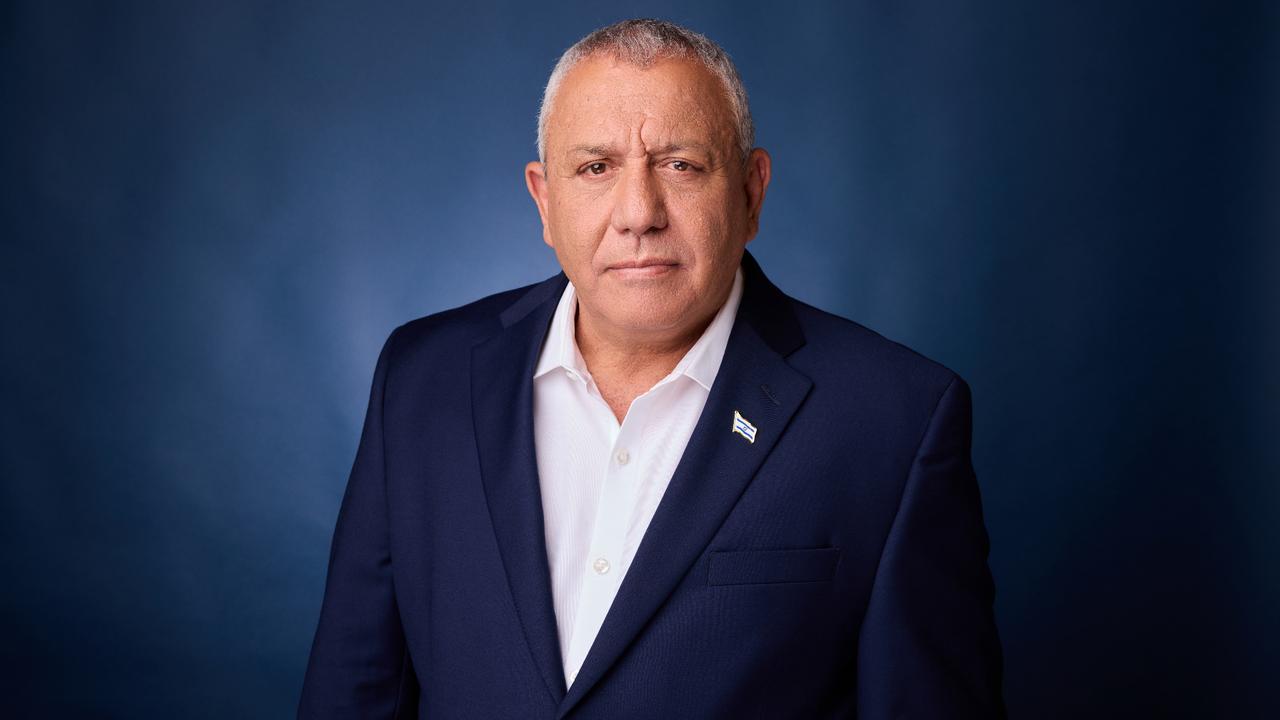
Yashar
Founded in 2025 by Gadi Eisenkot, a former Israeli army chief of staff who served in the emergency war cabinet after Oct. 7 before moving into opposition politics.
The party runs on a security-minded civic platform: a state commission of inquiry into Oct. 7, a new national security doctrine, military service for all, and rebuilding state institutions. It now leads most polls with around 24 seats.
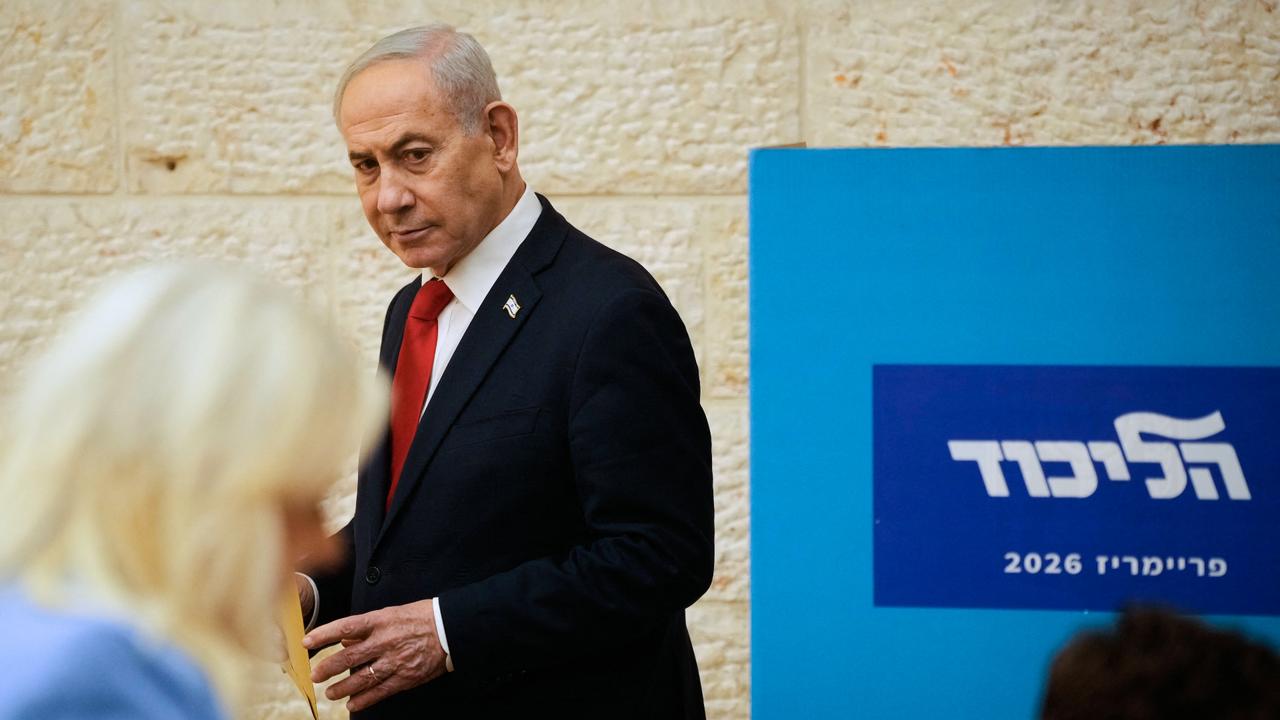
Likud
Netanyahu's party and the dominant force in Israeli politics for decades.
It currently holds 40 ministerial and Knesset positions but polls at roughly 22 seats.
Its August primary was unusually contentious after Netanyahu was given the power to fill eight of the first 30 slots on the list.
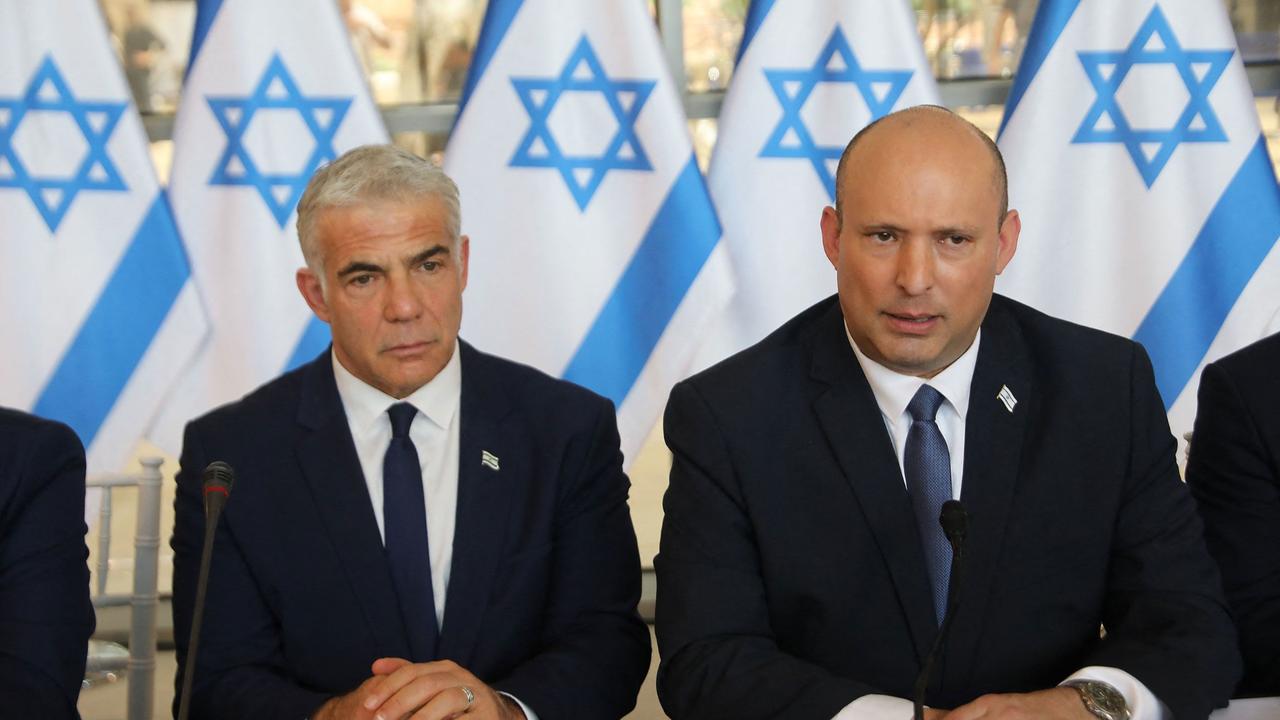
B'Yachad (Together)
An alliance formed in April 2026 by two former prime ministers: Naftali Bennett, who led the government in 2021-22, and Yair Lapid, who succeeded him.
Their parties, Bennett 2026 and Yesh Atid, merged to run on a single list with Bennett at the top and Lapid in a senior slot.
Polling third with 13-15 seats, the alliance bridges Bennett's religious right-wing base and Lapid's secular centrism, united mainly by opposition to Netanyahu.

The Democrats
Led by Yair Golan, also a former deputy Israeli army chief of staff, this is the main left-wing list, formed from the merger of Labor and Meretz. Polling around 10-11 seats.
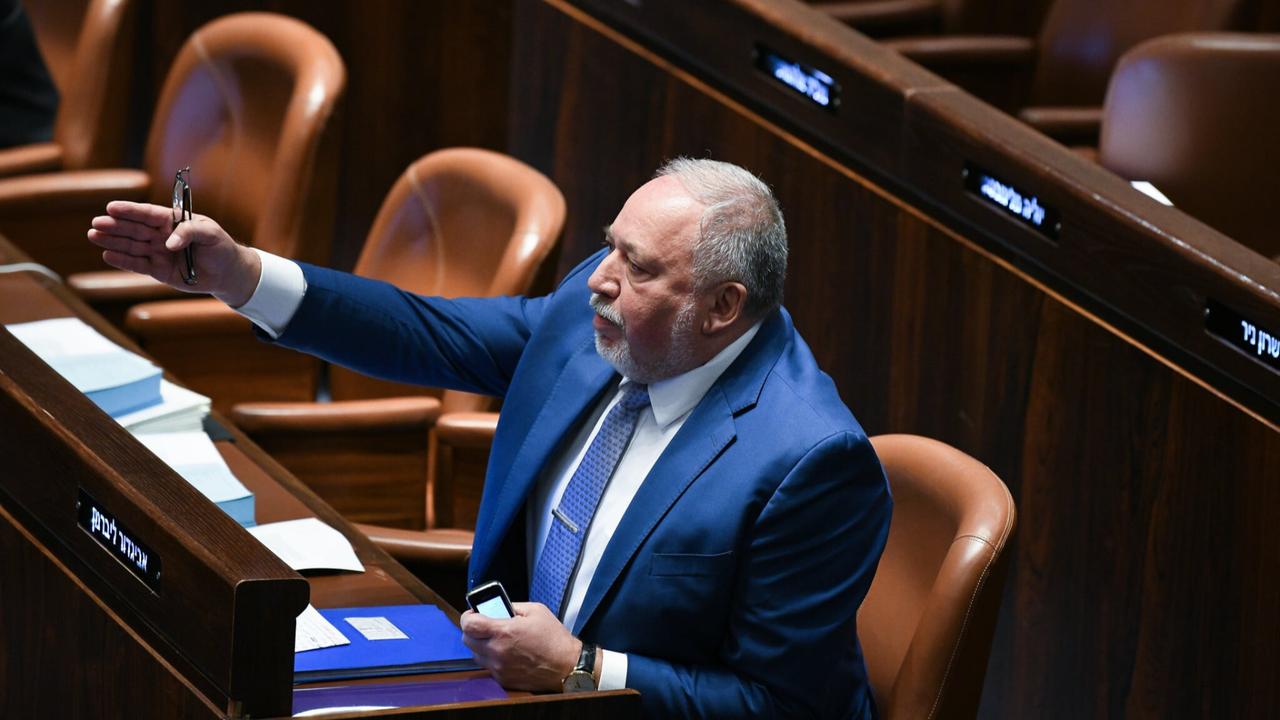
Yisrael Beytenu
Avigdor Liberman's secular right-wing party, drawing heavily on Russian-speaking Israelis.
Long opposed to Haredi exemptions from military service, it polls at 9 to 11 seats and sits in the anti-Netanyahu bloc despite its right-wing platform.

Otzma Yehudit
Itamar Ben-Gvir's far-right party, currently part of Netanyahu's coalition. Polling eight to nine seats.
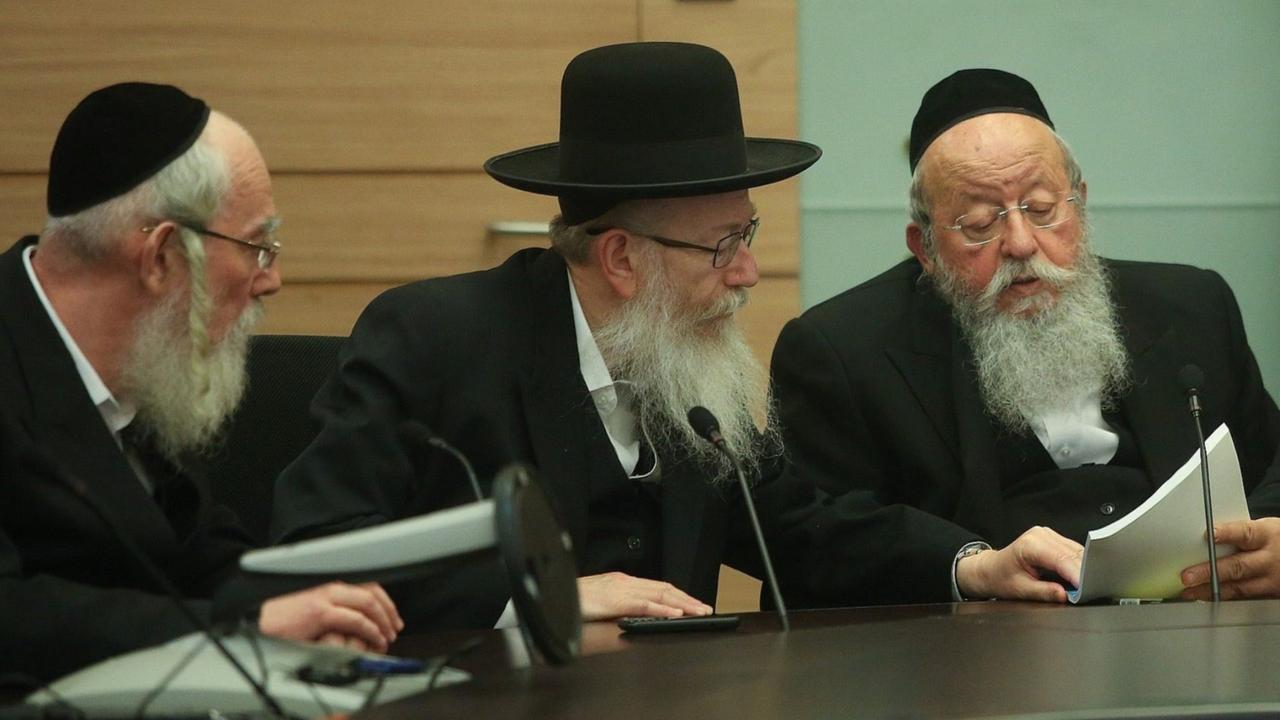
United Torah Judaism
An Ashkenazi Haredi alliance and a longtime coalition partner. Polling around eight seats, with the dispute over military exemptions for ultra-Orthodox men dominating its campaign.
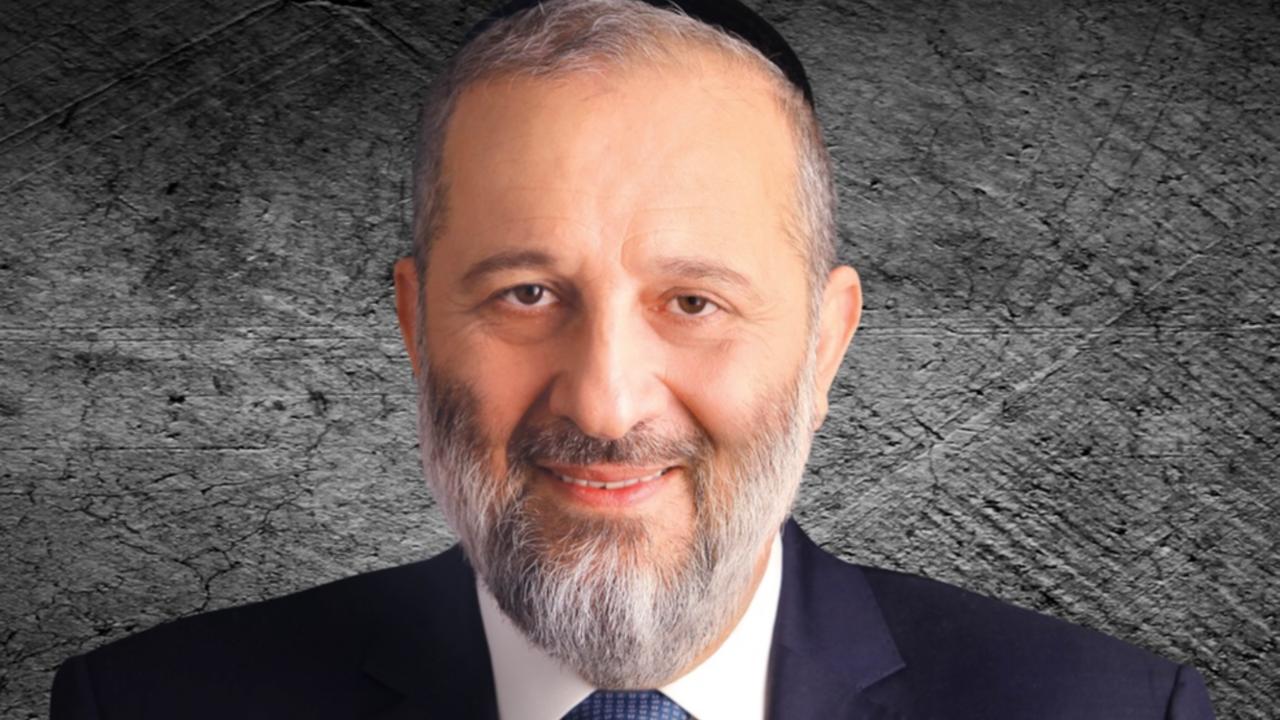
Shas
The Sephardi Haredi party led by Aryeh Deri, also a coalition partner, polling around seven seats. Facing pressure over the conscription crisis, Deri recently staged a public show of unity with Rabbi Yitzhak Yosef to shore up support.
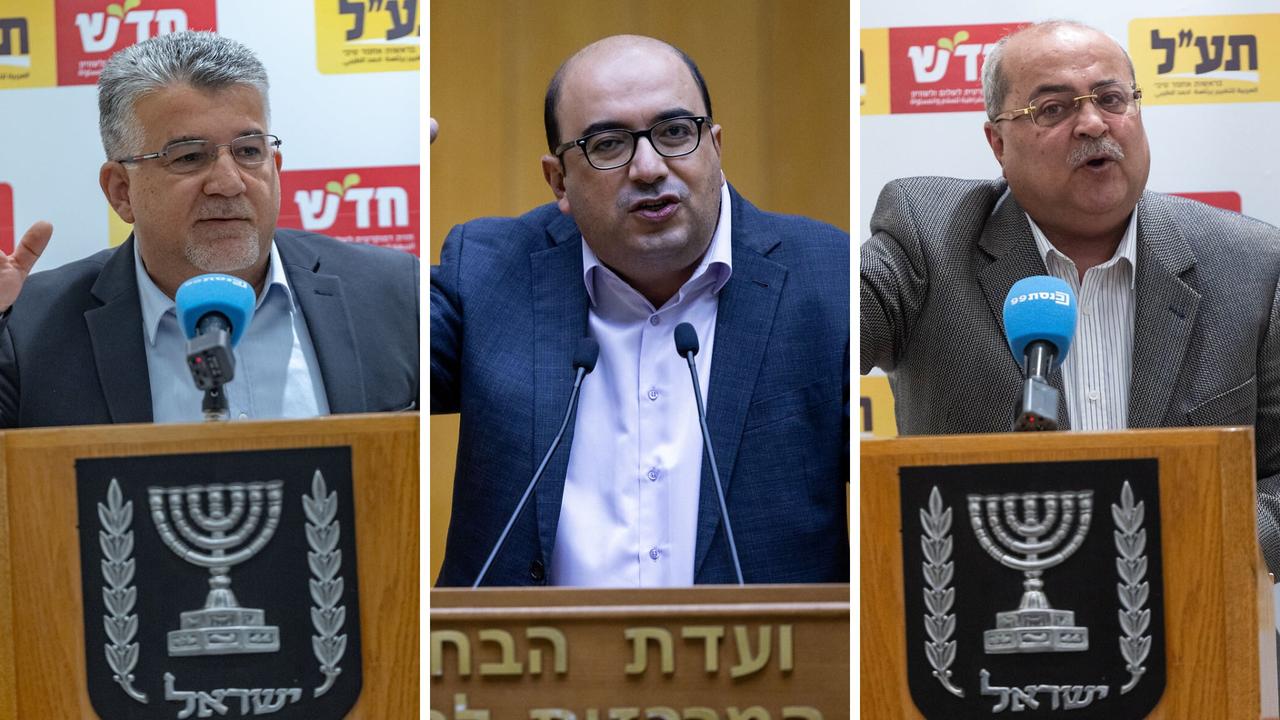
Joint List
Hadash, Ta'al and Balad agreed on August 19 to run together after lengthy negotiations. The merger is projected to gain the Arab parties a seat, taking the list to seven.
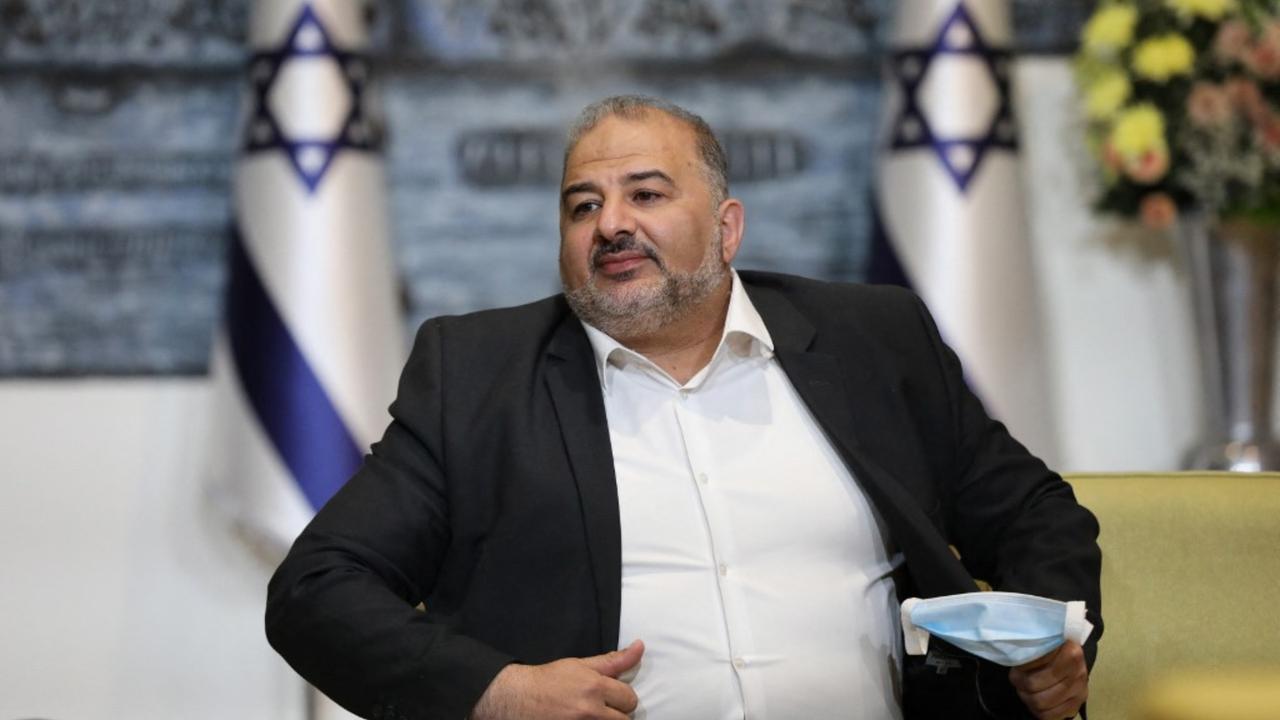
Ra'am (United Arab List)
Mansour Abbas's Arab party, affiliated with the Islamic Movement, broke precedent by joining a governing coalition in 2021. Polling five seats.

Ofer Winter
A hawkish former brigadier general who announced a new party this month, accusing the government of still operating in a pre-Oct. 7 mindset.
Polls so far show him below the 3.25% threshold, but he threatens to pull votes from Smotrich's Religious Zionism, which could push both parties out of the Knesset and weaken Netanyahu's bloc.

Religious Zionism
Bezalel Smotrich's far-right party, currently part of Netanyahu's coalition and polling around five seats.
Its position is precarious: Ofer Winter's new party is expected to draw from the same voter pool, and several polls show that competition could push Religious Zionism below the threshold altogether, costing Netanyahu's bloc seats it cannot spare.
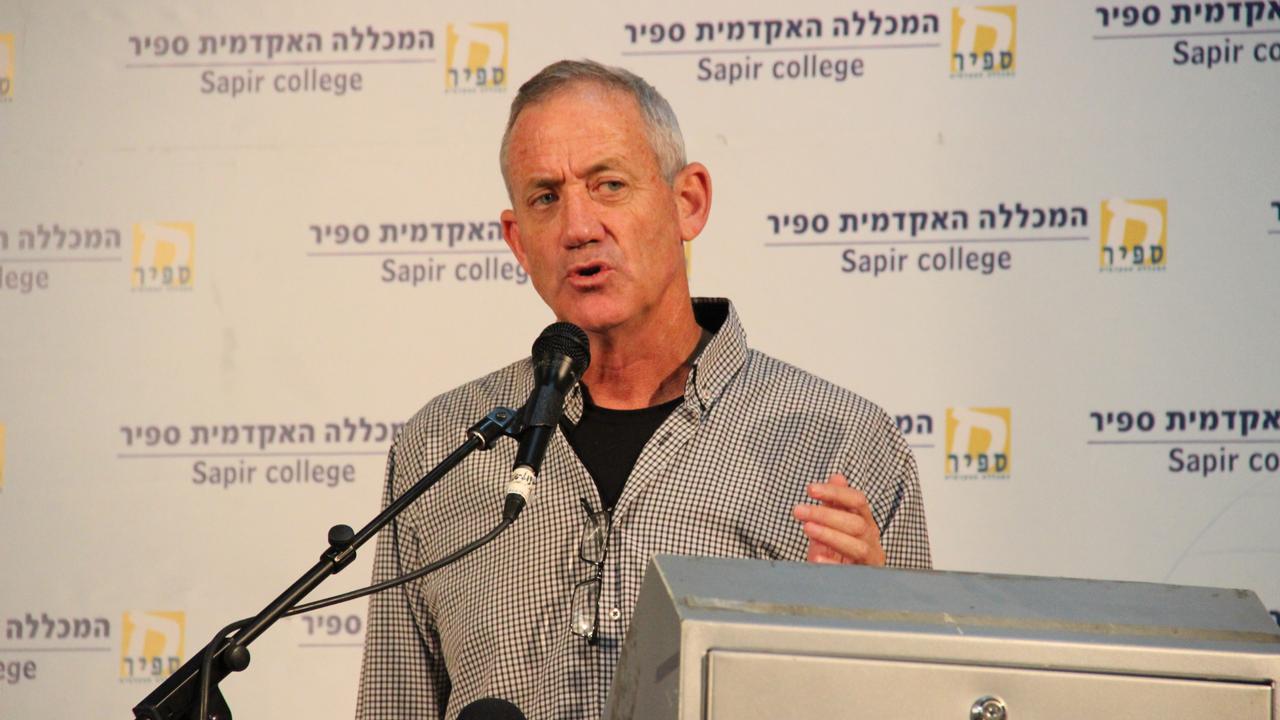
Below the threshold
Several established figures are polling under the 3.25% cut-off, including Benny Gantz's Blue and White, Gilad Erdan's Unity, Yoaz Hendel and Chili Tropper's Zionist Home, Sharren Haskel's Israel First and a new economic party led by Prof. Yaron Zelicha.
Together they account for around 8.3% of voters, the equivalent of roughly 10 Knesset seats that would be wasted if none of them clears the bar.

 3 min read


 Set as preferred source