Newsletters


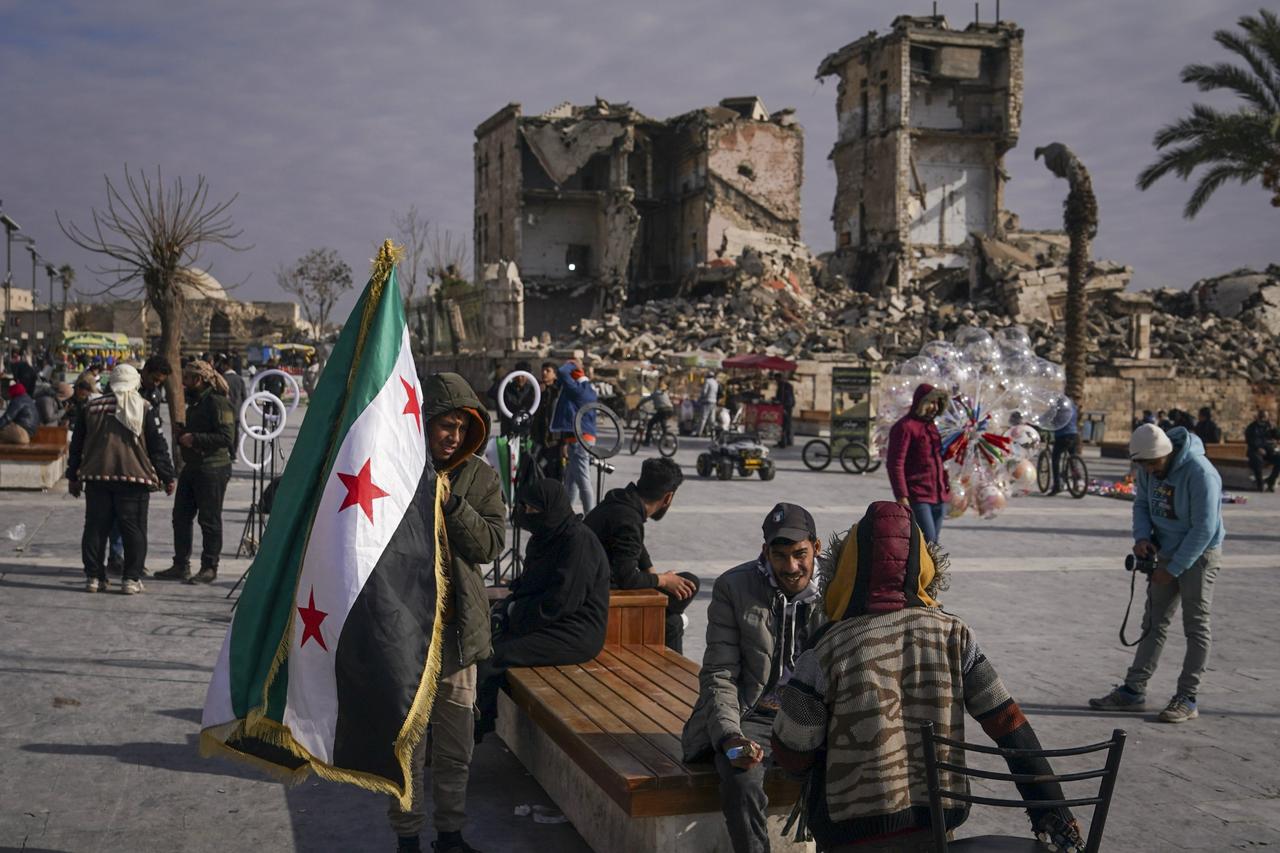


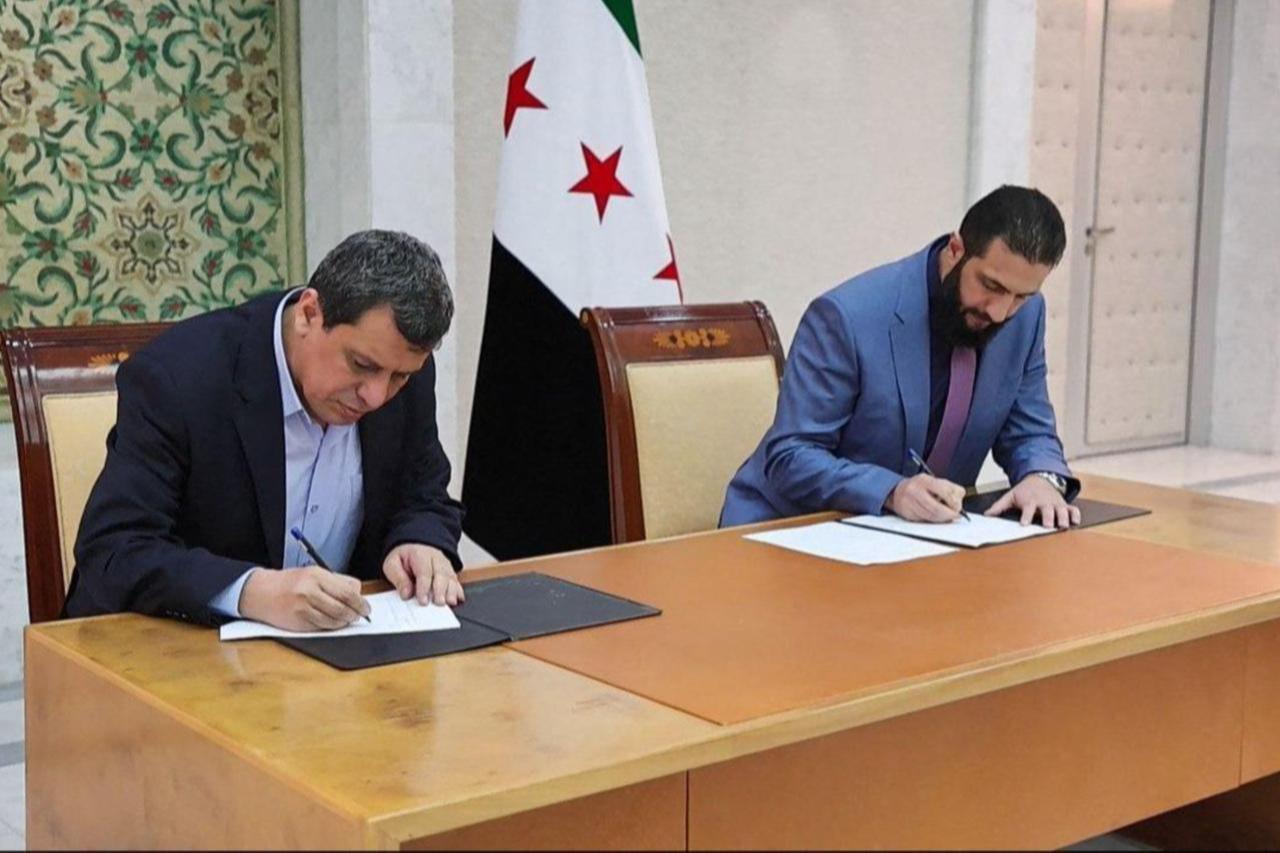
Renewed clashes between Syrian government forces and the SDF have once again thrust Aleppo into the center of Syria’s unresolved conflict. The violence follows the collapse of an agreement meant to integrate SDF militants into the national army, a process that stalled after months of inconclusive talks.
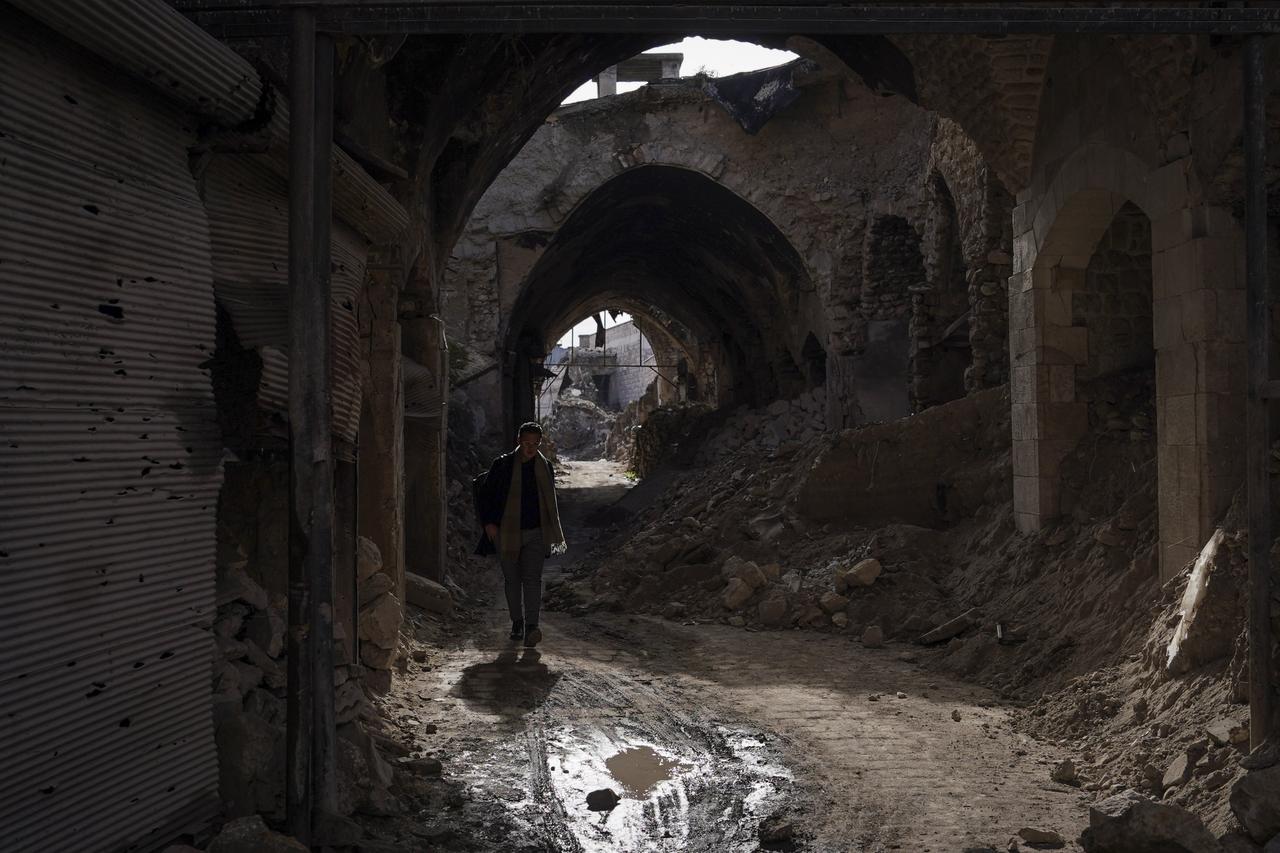
Thousands of civilians have fled conflict-ridden neighborhoods as curfews and military deployments spread across the city. Humanitarian corridors have opened, but displacement figures are already estimated in the tens of thousands, reviving painful memories of Aleppo’s darkest years during the civil war.
Aleppo has become one of the stark examples showing that the SDF will not offer even limited concessions unless forced by direct pressure.
Aleppo has emerged as a definitive case study in the SDF’s refusal to grant even the most minor concessions absent a military confrontation. The group maintains an uncompromising negotiating posture, underpinned by the conviction that they hold firm guarantees from external backers.
This perceived international support emboldens the SDF to resist compromise, operating under the assumption that they possess sufficient leverage to preserve the status quo through either armed fight or diplomatic mediation.
The group demands privileges in a region where 80% of the population is majority Arab, creating a fundamental deadlock with Damascus.
As a result, concessions that the new administration frames as technical, such as integration or withdrawals from specific neighborhoods, are viewed by the SDF as strategic retreats.
However, the reality of the organization must be addressed: they function as an affiliate of the PKK, which is designated as a terrorist organization by the United States and the European Union.
The confrontation in Aleppo reflects a deeper clash between two incompatible visions of the Syrian state. Damascus is pushing to reassert a centralized authority capable of governing the country’s entire geography, a model rooted in pre-war state structures.
The SDF, by contrast, seeks full autonomous control over the territories it administers under a decentralized framework. For the group, any movement toward centralization is treated not as a compromise, but as an existential threat. This stalemate has left little room for incremental progress.
What narrows that space further is the growing consensus among both regional and international actors that Syria’s stability depends on territorial unity. That convergence has formed that a unified Syria represents the only viable path toward a stable and peaceful region.
As a result, conflict has become the inevitable byproduct of lapsed deadlines. Whenever a window for a political transition closes without SDF compliance, the theater shifts toward military mobilization.
In Aleppo, the collapse of agreements regarding the integration of militants led directly to renewed hostilities and the buildup of Syrian government forces. Because these SDF units are regarded as ideologically committed cadres who will not retreat without a fight, armed conflict has become the primary mechanism for contesting territory.

Despite the hardening positions, none of the key actors appears to favor a full-scale war. Damascus is prioritizing reconstruction, economic recovery, and reintegration after years of sanctions and isolation.
Türkiye and the allies of the new administration are wary that prolonged violence would destabilize border regions and undermine the broader Syria strategy. The SDF itself faces a shifting balance of power that threatens its long-term position.
For Washington, the crisis represents a diplomatic dilemma, as the United States has invested in relations with both the SDF and Damascus.
An open confrontation would undermine all of these objectives simultaneously.
Ultimately, by tightening the noose around specific targets, Damascus is engaging in a calibrated display of force. The objective is clear: to demonstrate the reach of the central government and provide the SDF with a potent reminder of where the country's center of gravity truly lies.
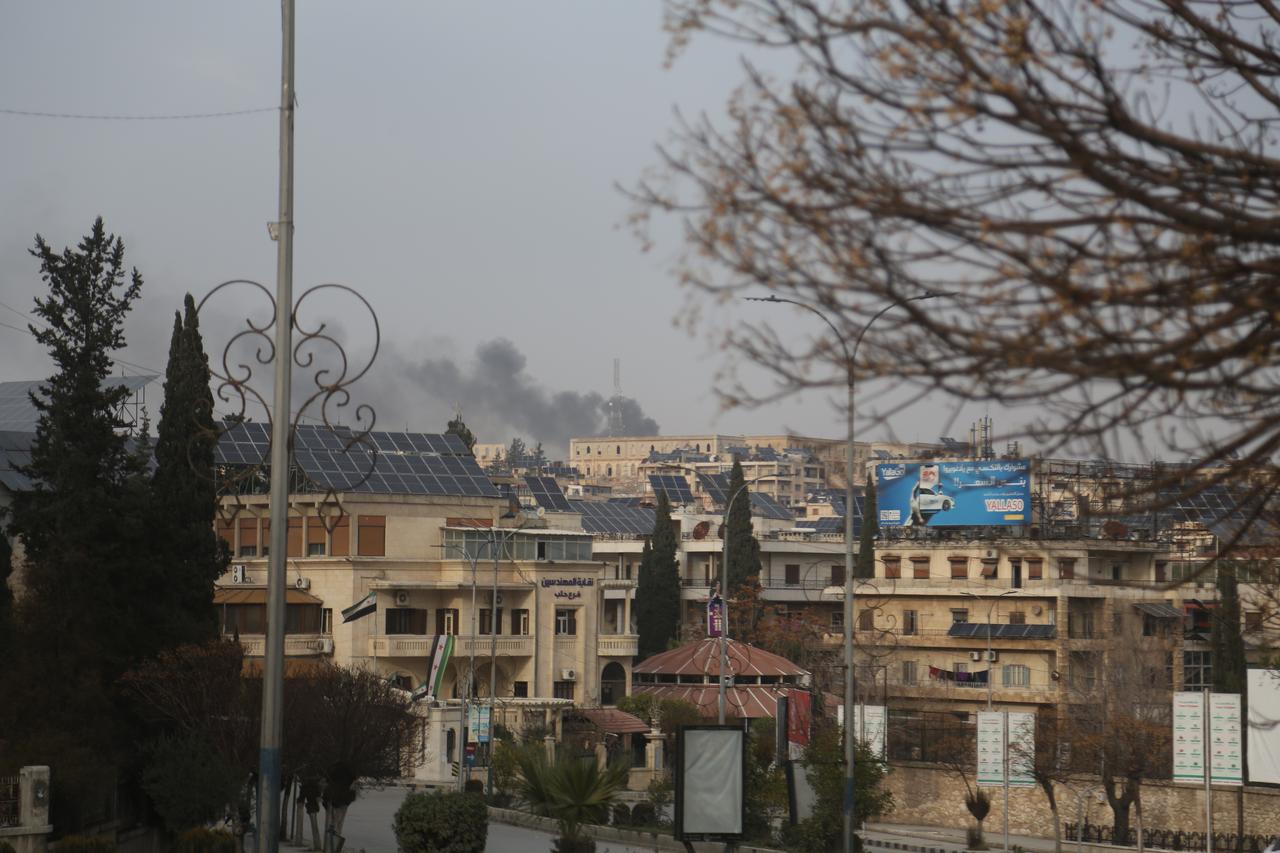
Against this backdrop, Damascus appears to be pursuing a calibrated approach. By encircling and capturing defined targets, in this case Ashrafiyah and Sheikh Maqsoud, rather than launching a sweeping offensive, the government is signaling that it remains the central authority and ultimate holder of coercive power.
The message is directed as much at negotiations as at the battlefield. Aleppo serves as a reminder that continued resistance to compromise will increasingly be met with limited but decisive force, rather than prolonged diplomatic accommodation.
In that sense, Aleppo is less a return to full-scale war than a signal of how Syria’s postwar balance of power is being reasserted deliberately.


 Set as preferred source
 Set as preferred source


 1 min read
 1 min read