Newsletters




This article was originally written for Türkiye Today’s weekly newsletter, Saturday's Wrap-up, in its Jan. 3, 2025, issue. Please make sure you subscribe to the newsletter by clicking here.
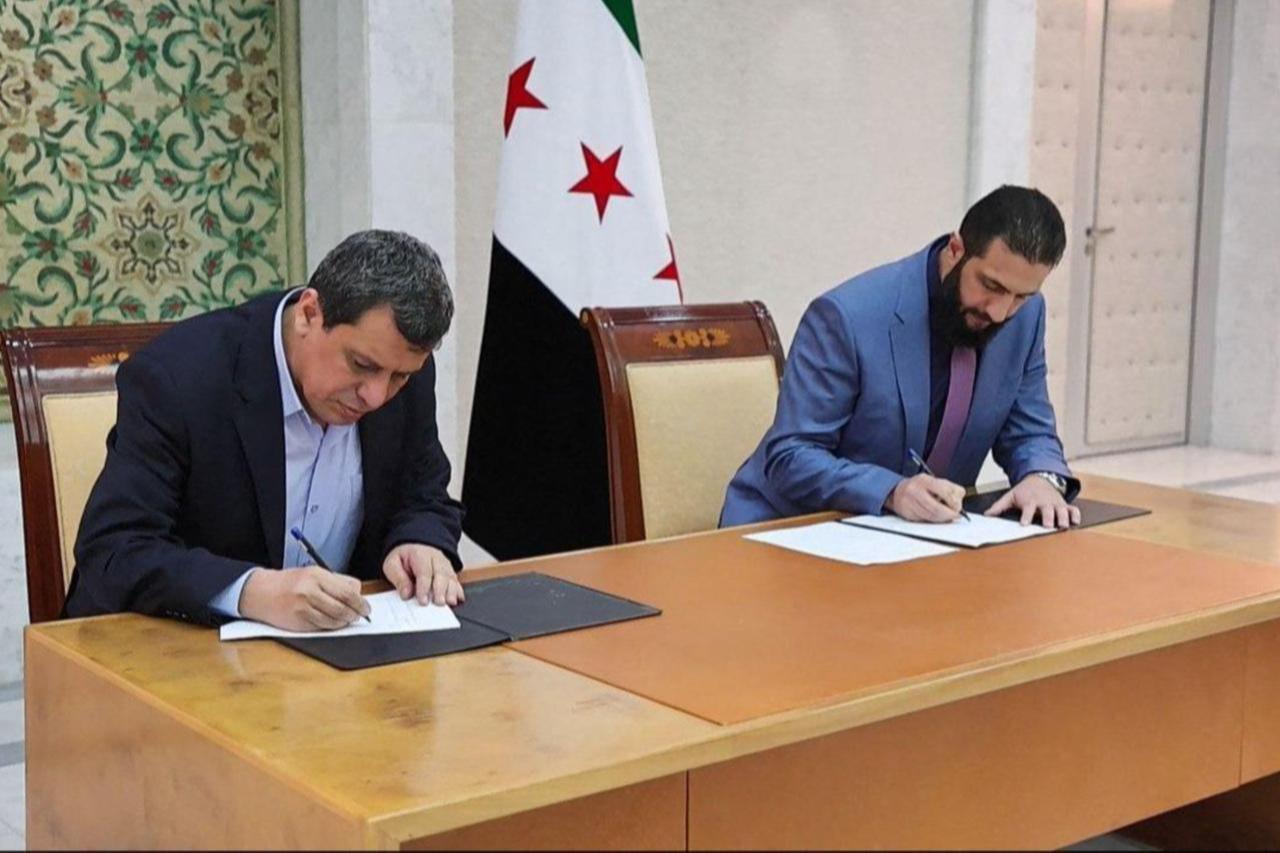
Over the past week, Ankara’s patience with the SDF has worn thin, and the signs are no longer subtle. What once appeared to separate the domestic peace initiative from northern Syria issues now looks like a shaky attempt for Ankara. Hence, the rest of the text may appear pessimistic to you.
However, I believe the passing of the deadline for the implementation of the March 10 agreement is not very crucial in Türkiye’s eyes as long as there remains a chance for a peaceful resolution.
Why is pessimism the dominant feeling nowadays? One of the clearest indicators of this shift came from Nationalist Movement Party (MHP) leader Devlet Bahceli’s right-hand man, Feti Yildiz. Until recently, Yildiz stood firmly among the most vocal defenders of the peace process, which was launched by Bahceli. He is still a staunch defender of the peace initiative. Yildiz even visited PKK ringleader Abdullah Ocalan on Imrali Island, an unimaginable act considering his political affiliation, after Bahceli’s outburst that the parliamentary commission was acting slowly to make concrete progress.
Yildiz’s sudden pivot to openly warning the SDF, and doing so in a sharply negative tone, should not be underestimated. When such rhetoric emerges, it reflects a deeper recalibration within the state apparatus rather than personal frustration. He also warned against a ‘David Corridor’ that would connect Israel with Syria’s Kurds. His tone in warning SDF showcases a frustration that the SDF issue might play a role in hindering or slowing Türkiye’s peace initiative.
At the same time, the domestic Kurdish political sphere is being quietly disciplined. The People’s Equality and Democracy Party (DEM Party)’s decision to cancel the planned “Freedom for Ocalan” march in Diyarbakir, officially blamed on adverse weather, was widely interpreted as a forced retreat.
The weather seems like a very unlikely reason to cancel such a march for the pro-Kurdish political party. The prevailing perception is that the party was told to do so. Bahceli had expressed support for such a march, which was intended to create public pressure for the release of Ocalan.
One key reason for this growing pessimism lies in Ocalan’s latest statement on the SDF and northern Syria. Expectations were high. Many anticipated a firm, unambiguous message that would compel the SDF into alignment. At the very least, it may have created public pressure on Mazloum Abdi.
Instead, Ocalan’s call was notably restrained. If Abdi keeps doing what he is doing now, it may eventually cost Ocalan’s “get out of jail card” along with his legacy. However, I do expect a sharpening tone in the next Ocalan statement if the situation remains totally unresolved.
Ironically, Abdi may have overplayed his hand. By positioning himself as an “indispensable actor” in northern Syria, he may have convinced Ankara, and perhaps even Ocalan, that he will remain as part of the problem rather than the solution.
If the peace process in Türkiye collapses because of the SDF problem, which Ankara deems ‘a cancer’ in the region, the blame will not fall solely on hawks in Ankara who are eagerly looking for such a scenario. Increasingly, fingers will also point at the Syrian border, toward the SDF leadership, unwilling to compromise and unable to read the room.
If a Turkish military operation does not take place in northern Syria anytime soon, Türkiye can easily go back to the aerial assassination campaign that once created hard times for the SDF.
More importantly, the danger is bigger than the elimination of some SDF figures: Abdi’s stubborn pursuit of an autonomous Kurdish project in Syria risks sabotaging historic gains for Kurds within Türkiye itself.


 Set as preferred source
 Set as preferred source



 7 min read