Newsletters


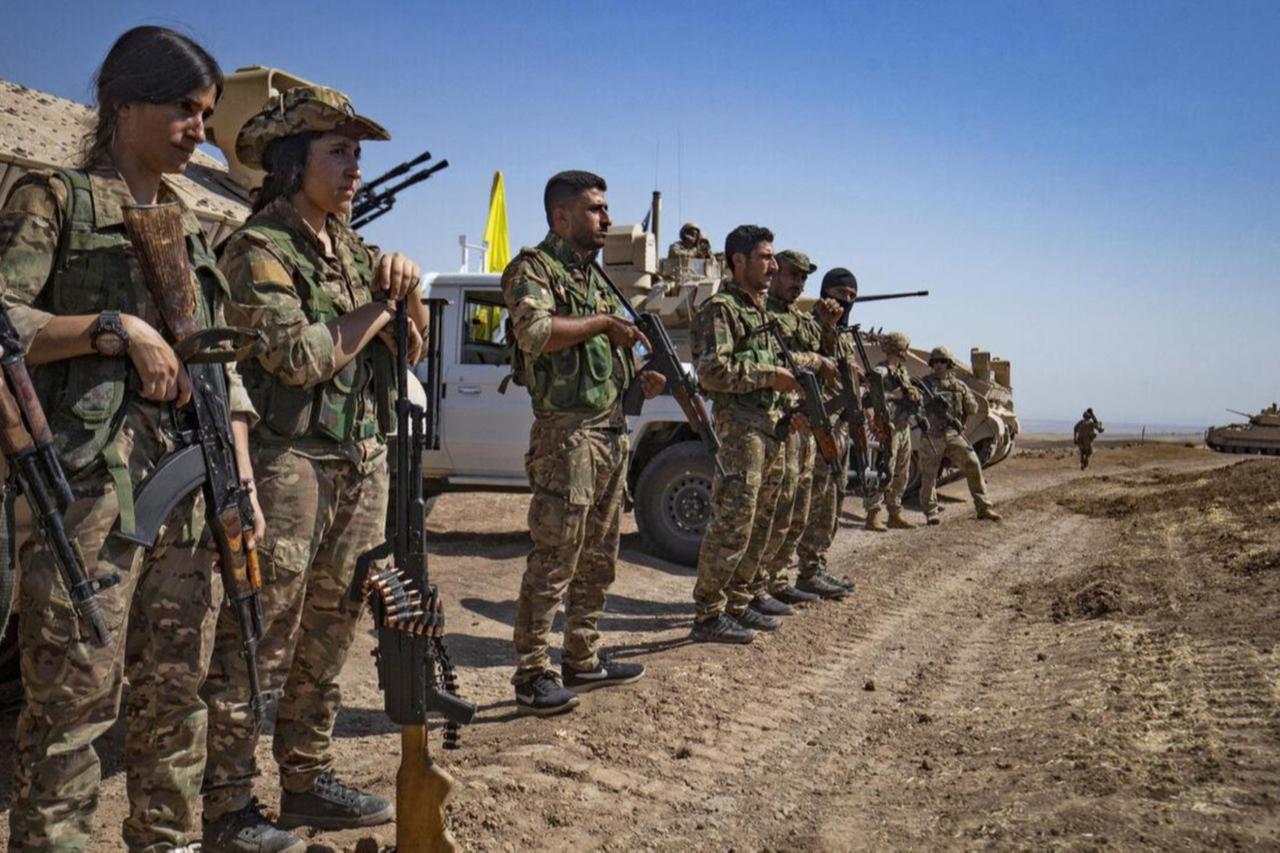


Following delays in northeastern Syria caused by the SDF’s territorial control of Hasakah, Deir el-Zour, and Raqqa, elections were finally held across the region. However, the final results clearly demonstrate that the demographic and political weight of the SDF/YPG had been significantly exaggerated in international media.
The latest election results validate an argument I have made for years: any truly democratic process in Syria will inevitably expose how unpopular the SDF/YPG actually is across the country.
Parts of northeastern Syria that many foreign experts categorized as "Kurdish" made up 11 of the parliament's 140 elected seats. In reality, the vast majority of these districts hold Arab majorities rather than Kurdish ones—a reality many external observers systematically ignored. The results of the recent indirect elections underscore this divide, with Kurdish delegates securing five of those 11 contested seats.
While Kurds are still overrepresented, these numbers provide a much clearer picture of the region's actual demographics. Including Afrin and other liberated districts, the Syrian parliament now has nine elected Kurdish parliamentary members. This is five more than the Turkmens, despite both communities sharing a roughly similar demographic footprint inside Syria.
However, unlike the Kurds, Turkmens are widely dispersed across various regions of the country and have almost no concentration in a certain area of Syria. This fact led to the overrepresentation of Kurds in the transitional parliament.
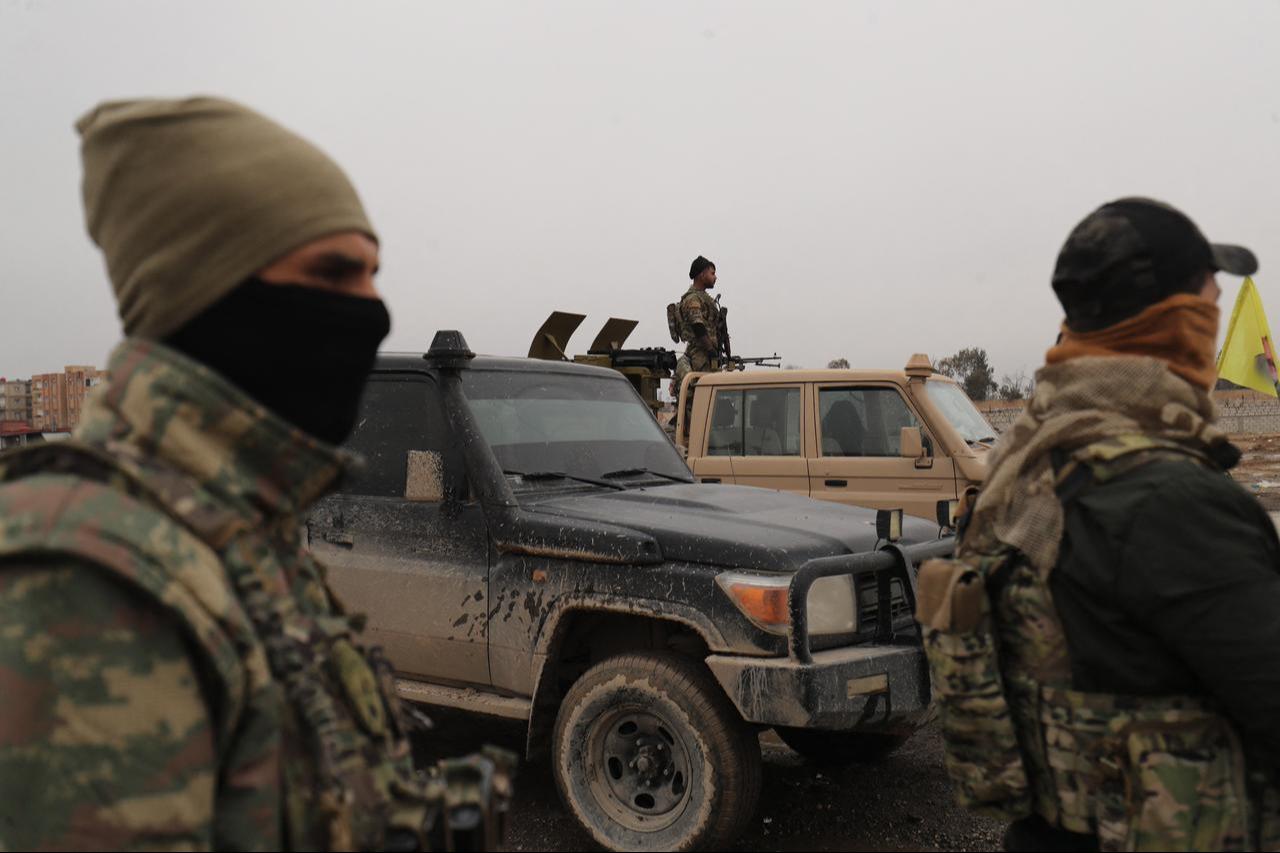

The indirect elections in northeastern Syria were boycotted by the SDF/YPG and its political wing, the PYD. The PYD did not put up candidates for parliament. A historical mistake on their part, but election results show that the PYD would not have any significant representation in parliament anyway.
Four of the five elected Syrian Kurdish members of parliament are from the Kurdish National Council (KNC). One is independent. If the PYD joined the elections, the PYD would get two seats in the best-case scenario.
In such a scenario, the PYD would be represented by two parliament members, and the KNC would be represented by a total of five members of parliament (three members were elected in Afrin).
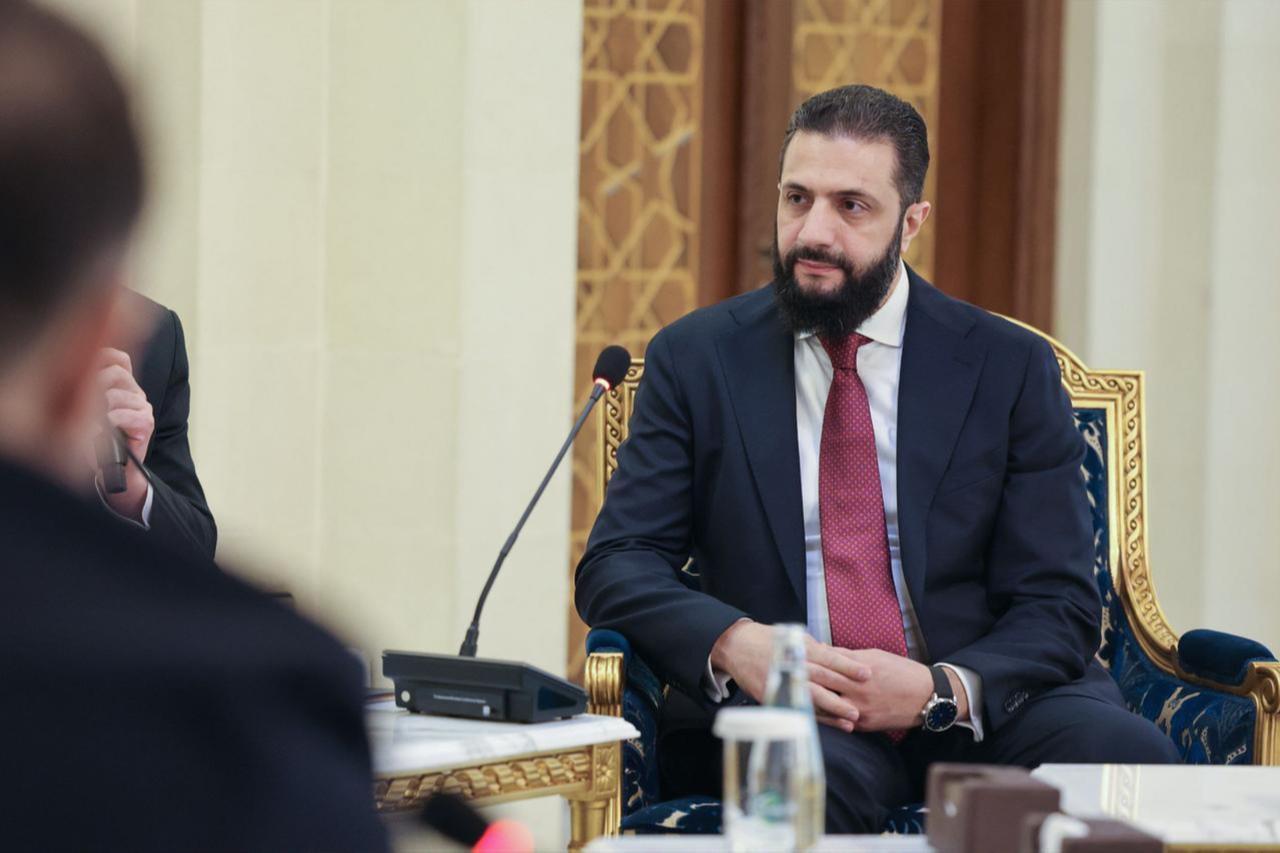
"It remains unclear how many of the 70 presidential appointments Ahmed al-Sharaa will allocate to the PYD. However, even if he assigns the party every single seat from the designated "Kurdish quota," the total number of PYD members under the parliamentary dome would max out at six.
By choosing to boycott the indirect elections, the PYD effectively slashed its potential parliamentary representation by a third. Barring an unexpected surprise in the upcoming presidential appointments by Sharaa, the party is on track to be represented by a mere four delegates in the new parliament.
Securing four to six seats out of the 210-member parliament is tangible proof of what I have been telling my colleagues for years: the SDF/YPG/PYD remains a weak and marginal political movement in Syria.


 Set as preferred source
 Set as preferred source


 1 min read
 1 min read