Newsletters


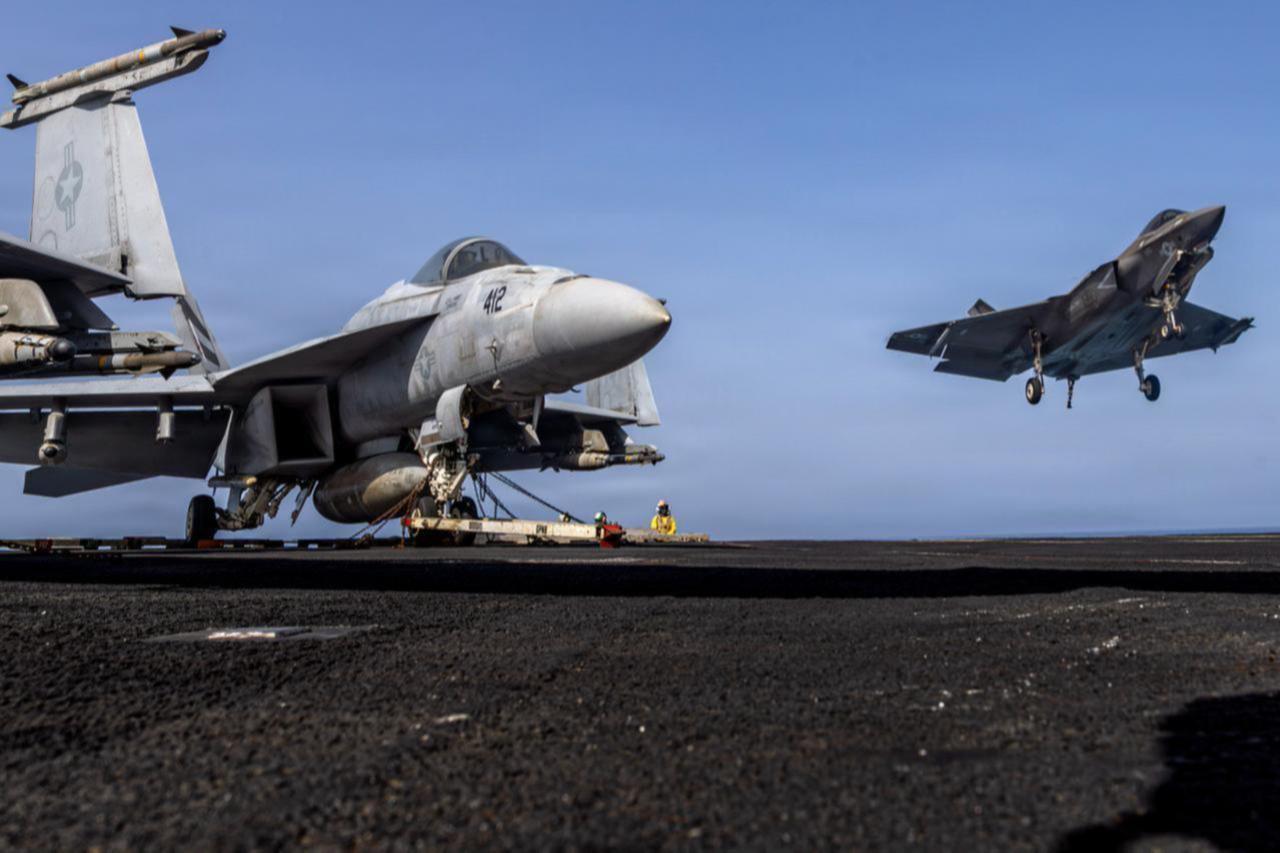


The U.S. military reportedly carried out "defensive strikes" against Iran’s Qeshm Island on Monday, targeting Iranian forces accused of threatening American assets, as Vice President JD Vance said progress has been made in negotiations with Tehran.
A U.S. official told reporters that Iranian forces had used surface-to-air missiles against U.S. assets, following reports of Iranian fire directed at an American aircraft. The Wall Street Journal reported that American forces have continued carrying out smaller-scale strikes against Iranian targets for several weeks.
Some U.S. officials described the operations as an effort to prevent Iran from developing the capability to threaten or attack commercial shipping through the Strait of Hormuz, one of the world's most strategically important energy transit routes.
Military activity continued around Qeshm Island, with Iran’s Islamic Revolutionary Guard Corps (IRGC) claiming Monday that it had shot down two U.S. drones south of the island in the Strait of Hormuz, according to the semi-official Tasnim news agency.
Iranian state media also reported explosions on the island and in the coastal port city of Bandar Lengeh.
Speaking later to Fox News, Trump again played down the scale of the conflict, arguing that there had been no fighting for months.
"We bombed out all of their potential nuclear power. Now we might have to go after Pickaxe (Mountain), but that's not a big deal ... We can do that in one hour. As soon as we want, at any time we want," he added, referring to a site linked to Iran's nuclear program.
Trump also repeated his claim that Tehran was eager to reach an agreement with Washington, adding that there was "a very good chance we make a deal."
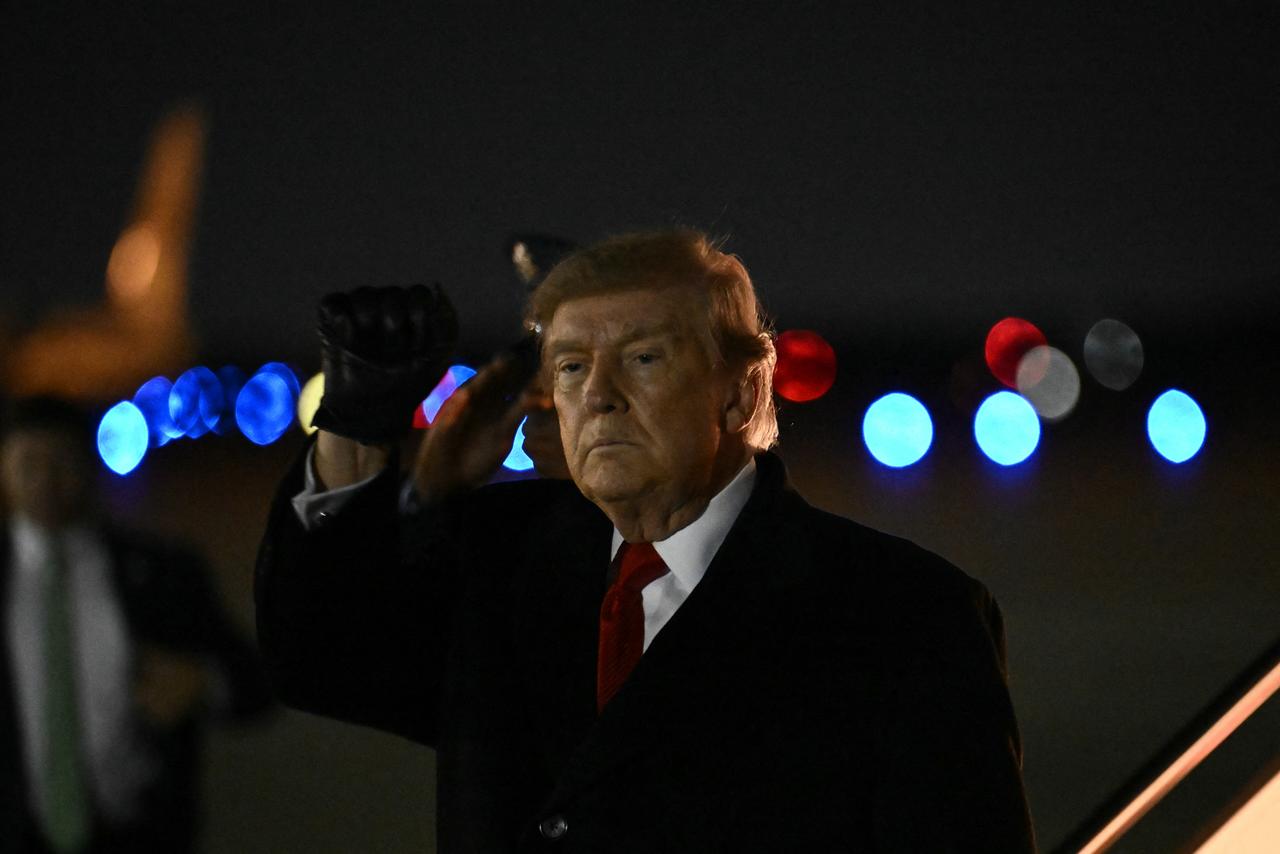

U.S. Vice President JD Vance said Washington had made progress in negotiations with Iran, expressing optimism about reaching a deal while warning that the U.S. retained military options.
"I actually just spoke with the president of the United States about an hour ago about this," Vance told reporters Monday, adding that both he and Trump felt "pretty good" about the prospects for a negotiated settlement.
Qatar-mediated talks in Doha concluded Sunday without a breakthrough after three consecutive days of discussions, but a draft agreement was being circulated and another meeting remained possible, according to officials briefed on the negotiations.
Qatari mediators also returned to Tehran for further consultations with Iranian officials.
The latest proposal builds on a seven-step plan initially put forward by Iran in September. Tehran has since suggested compressing the implementation period to two days, with the United States ending its naval blockade of Iranian ports and easing restrictions on Iranian oil sales before Iran reopens the Strait of Hormuz.
Nuclear negotiations would follow once Iran's conditions were met, according to Iranian officials.
The two sides remain divided over the sequence of any agreement. Washington wants Iran's nuclear program addressed from the outset, while Tehran insists that the blockade and other restrictions must be lifted first.
He cautioned that Tehran remained unpredictable but stressed that Washington had made progress. Asked whether Iran faced a deadline before U.S. strikes resumed, Vance replied: "No, we haven't set deadlines."
Vance said preventing Iran from rebuilding its nuclear program remained Washington's main priority, insisting that any agreement required firm and verifiable guarantees from Tehran.


 Set as preferred source
 Set as preferred source


 2 min read
 1 min read