Newsletters





The U.S. House of Representatives passed a $1.15 trillion defense policy bill Wednesday and advanced a separate $95 billion Republican-only budget package to help fund the Iran war and other White House priorities, as the chamber's usual bipartisan consensus on defense legislation collapsed along party lines.
The National Defense Authorization Act (NDAA) for Fiscal Year 2027, sponsored by Rep. Mike Rogers, R-Ala., passed 216-212, with 209 Republicans, six Democrats and one independent in favor and seven Republicans opposed.
The bill authorizes what would be a record $1.15 trillion in military spending, sets active-duty personnel strength levels and compensation policies, including troop pay raises of up to 7%, and funds military construction, family housing, and National Nuclear Security Administration programs.
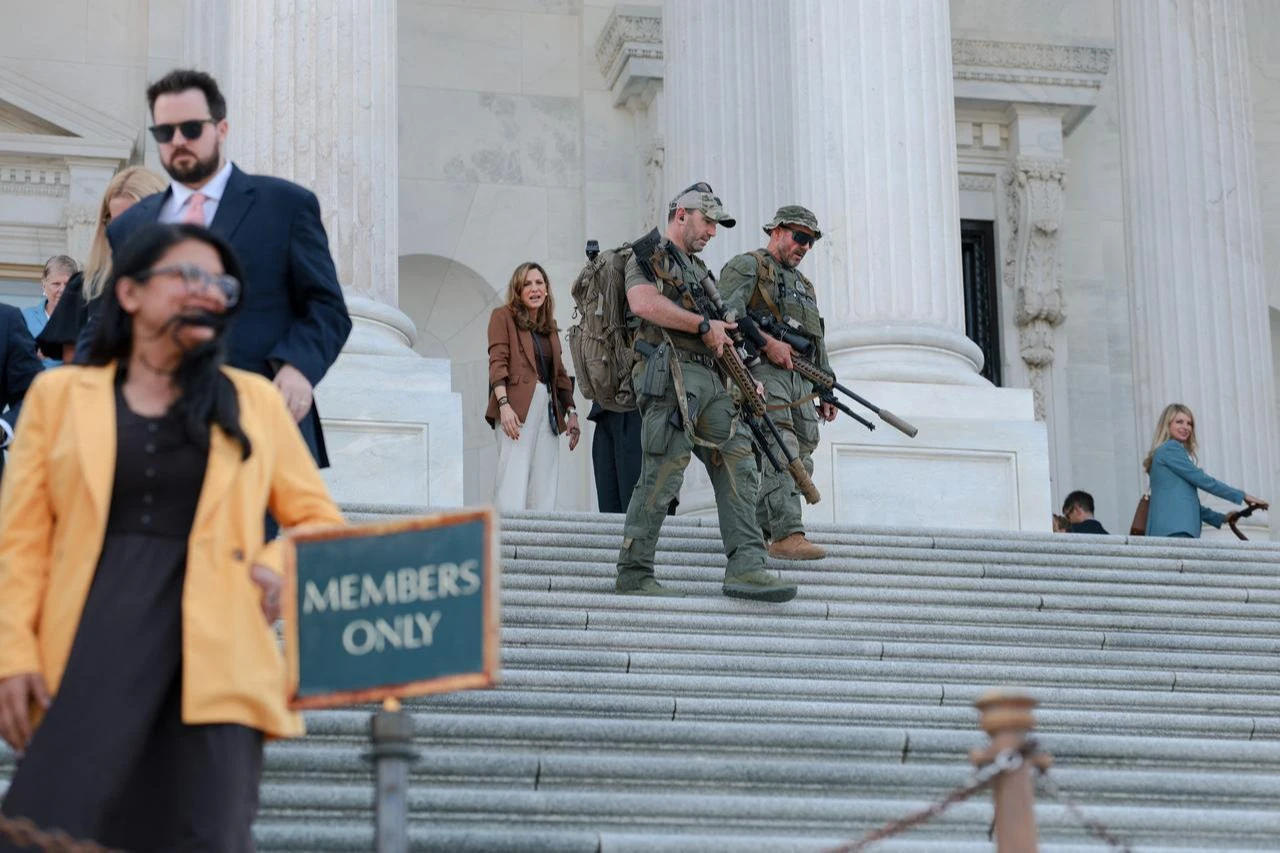

House Speaker Mike Johnson told reporters the NDAA would provide a "much-needed" pay raise for troops and help "rebuild the arsenal of freedom."
In a statement, Johnson said the bill "will ensure America maintains the most lethal, most dynamic, most capable fighting force in the world," and asserted that it would reduce defense spending by eliminating $30 billion in what he called "wasteful spending" while strengthening the U.S. defense industrial base.
Rep. Mike Rogers said: "No matter how you feel about current events, these funds are necessary to ensure our fighting forces remain ready, our troops are paid and our nation is safe."
House Democratic Leader Hakeem Jeffries countered: "Republicans have literally ripped food from the mouths of hungry children, seniors and veterans to sustain the Trump war machine."
A major component of the bill, Section 219, establishes the United States-Israel Defense Technology Cooperation Initiative.
The provision requires the Pentagon to designate an executive agent to "expand and accelerate bilateral defense technology research," focused on integrating Israeli-origin and jointly developed technologies into formal U.S. military programs through 2030 across 10 areas, including counter-unmanned systems, missile defense, artificial intelligence, quantum computing, directed energy and anti-tunneling technology.
The provision drew objections from Democrats, according to Reuters, amid calls from parts of the party, particularly progressives, to scale back U.S. support for Israel over the toll of its campaign in Gaza on Palestinian civilians.

Separately, the House adopted a Republican-only $95 billion budget resolution by a vote of 216-214, with no Democrats in favor and two Republicans and one independent opposed, aimed at funding the Iran war and other White House priorities through the budget reconciliation process, which allows passage on a simple majority and bypasses the Senate filibuster.
The package includes $60 billion for the Pentagon, $13 billion for other national security needs, $12 billion in aid for farmers affected by tariffs, and $10 billion tied to voting-law changes aligned with the Trump-backed SAVE America Act, which would require proof of citizenship to register to vote.
Budget Committee Chairman Rep. Jodey Arrington, R-Texas, described the funding bluntly: "Just bullets and bombs to finish the job."
House Democratic Caucus Chairman Rep. Pete Aguilar, D-Calif., said: "Republicans plan to spend tens of billions of dollars on Trump's failed war in Iran. Think about what we could spend with these resources instead."
Opposition came from both parties' edges, with Rep. Kevin Kiley of California, a former Republican now serving as an independent, saying any war-funding bill should be bipartisan and that the measure failed to give Congress a "much higher level of involvement" in ending the war.
Republican Reps. Thomas Massie of Kentucky and Warren Davidson of Ohio also voted against it.
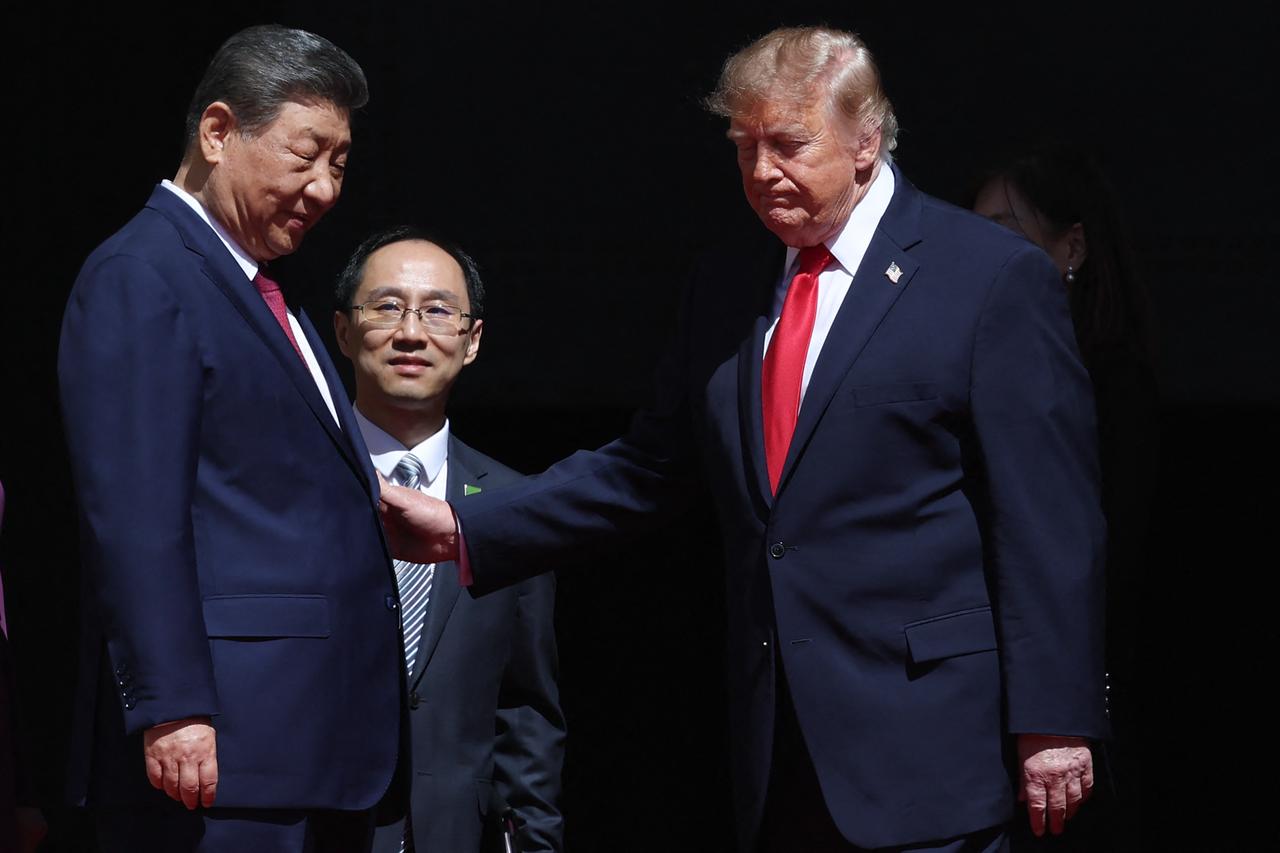
The votes came as Trump attended a dignified transfer of four service members killed in the Middle East, bringing the confirmed military death toll to 18 since the U.S. and Israel launched strikes against Iran on Feb. 28.
Most Americans disapprove of Trump's Iran strategy, according to a recent AP-NORC poll.
Defense Secretary Pete Hegseth told senators at a Senate Appropriations Committee hearing this week that the Pentagon is running short of cash despite a $150 billion one-time allotment in last year's budget bill. He estimated the conflict would cost roughly $37.5 billion by the end of September and warned that military training would need to be curtailed without additional funding soon.
Hegseth and Joint Chiefs Chairman Gen. Dan Caine faced pointed questioning from senators of both parties. Hegseth at times sparred with Democrats who accused him of mismanaging the defense budget, while some Republicans expressed frustration with the administration's answers regarding war strategy.


 Set as preferred source
 Set as preferred source


 4 min read