Newsletters


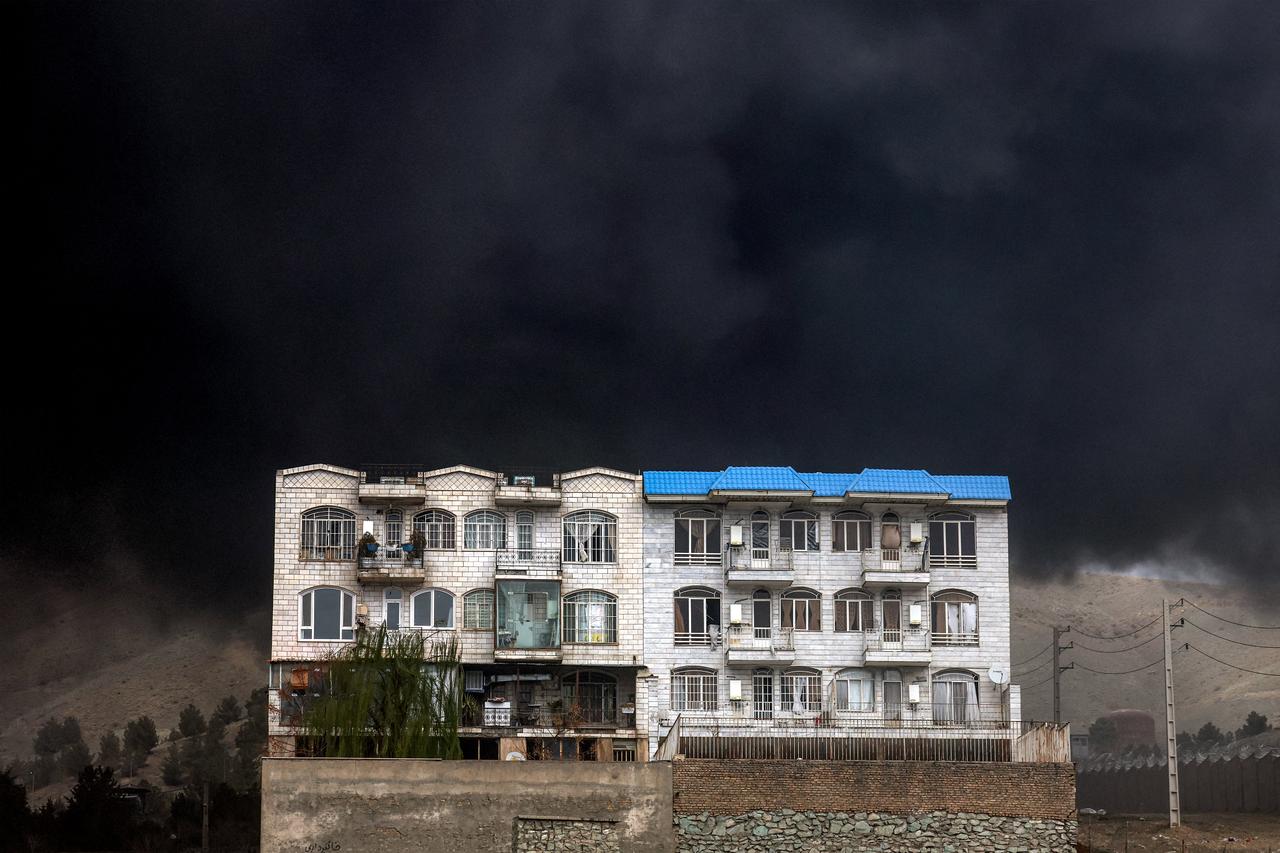


The United States reacted with dismay after Israel struck around 30 fuel depots across Iran on Saturday, far exceeding what Washington expected when it was notified in advance, sparking the first significant disagreement between the two allies since the war began, Axios reported.
 Breaking News, Direct to You.
 Follow Türkiye Today on WhatsApp
for real-time updates and key insights from Türkiye and beyond.
Follow Türkiye Today on WhatsApp
for real-time updates and key insights from Türkiye and beyond.
An Israeli official told Axios the U.S. message to Israel was "WTF" after the scale of the Saturday strikes became apparent.
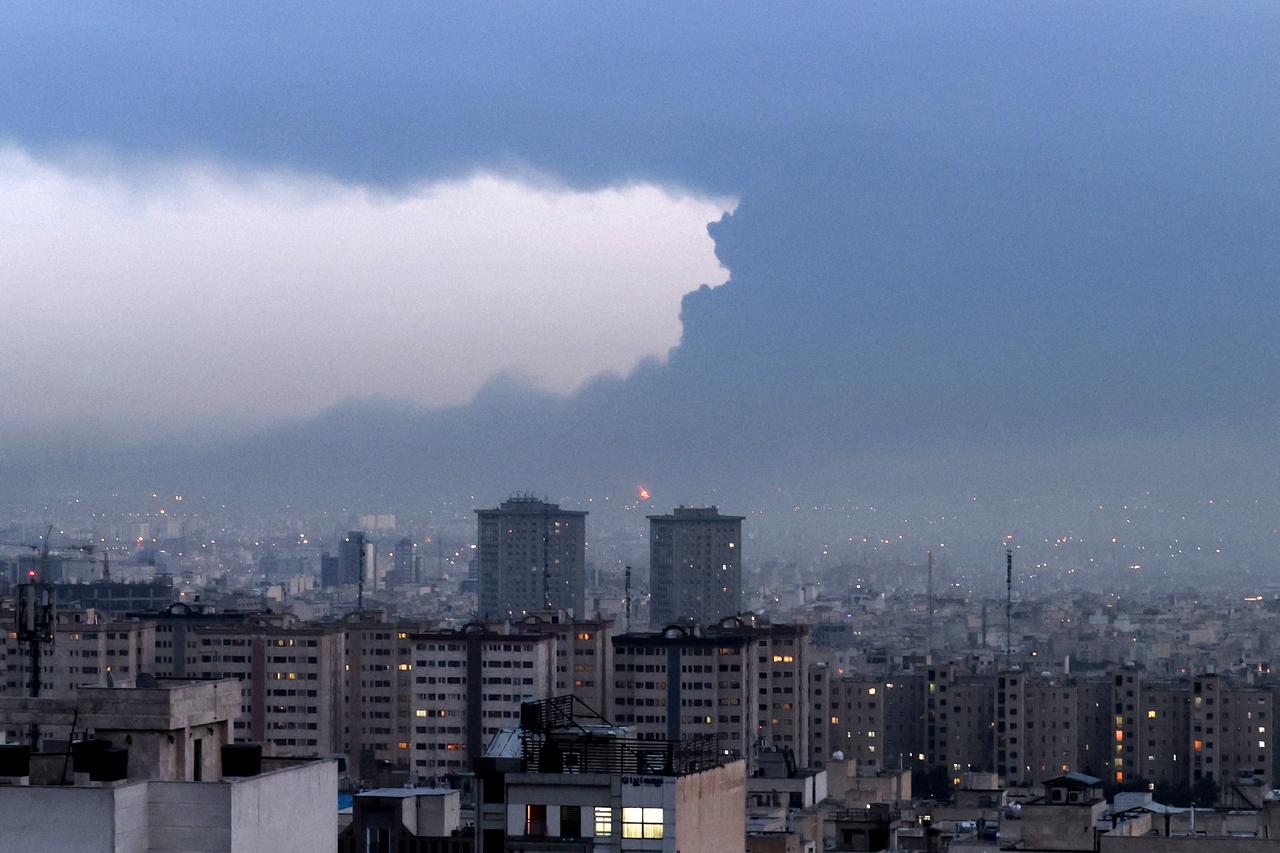
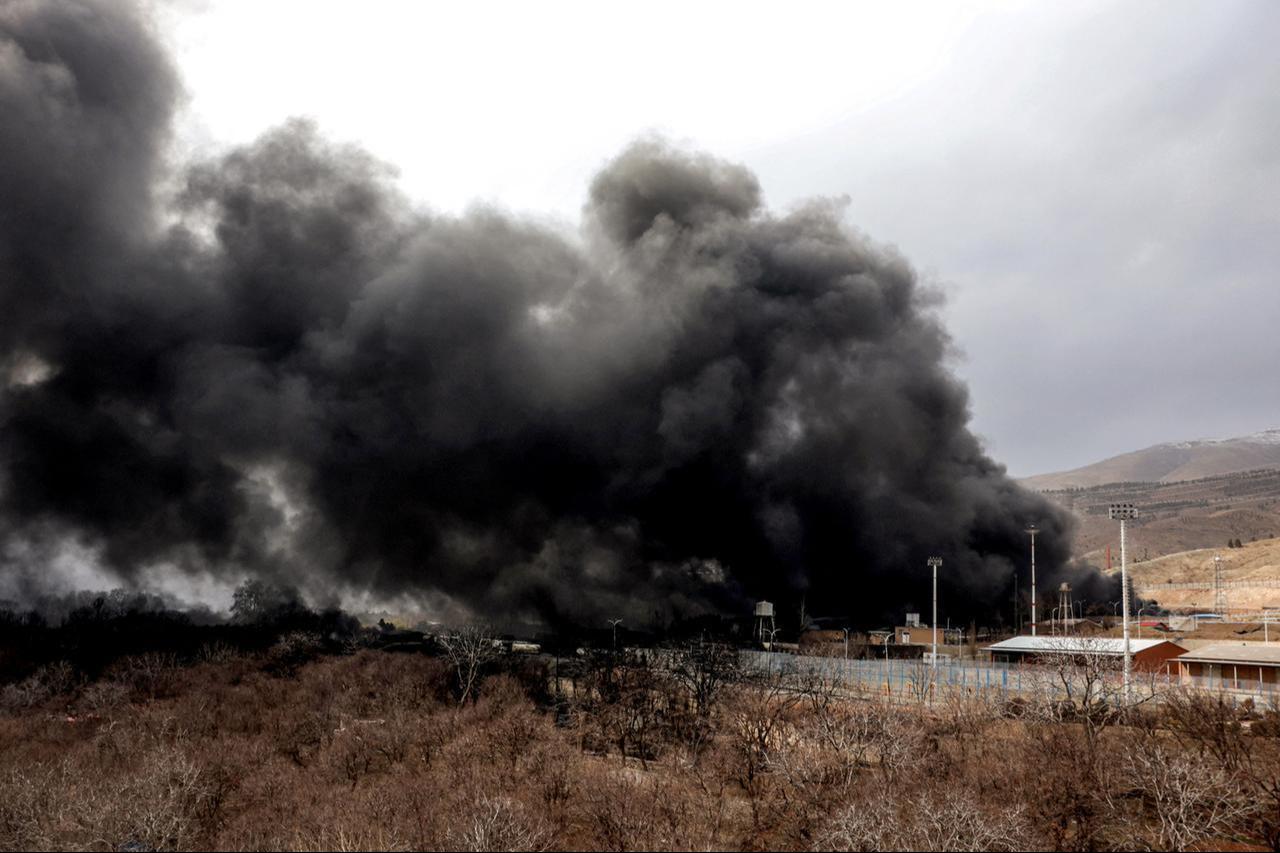
Large fires were visible for miles in Tehran, with thick smoke blanketing the capital from burning fuel storage tanks and industrial areas.

"We don't think it was a good idea," a senior U.S. official said.
"The president doesn't like the attack on the oil facilities. He wants to save the oil, not burn it. And it reminds people of higher gas prices," a Trump adviser told Axios.
Israeli and U.S. officials confirmed the Israeli army notified the American military ahead of the strikes, but a U.S. official said the military was surprised by how wide-ranging they were.
The Israeli military said in a statement that the fuel depots "are used by the Iranian regime to supply fuel to different consumers, including its military organs."
An Israeli military official said the strikes were intended in part to tell Iran to stop targeting Israeli civilian infrastructure.
While the facilities struck were not oil production sites, U.S. officials were concerned that footage of burning depots could spook oil markets and push energy prices higher.
A U.S. official said the disagreement was expected to be addressed at senior political levels between the two allies.
Iranian officials warned that continued attacks on energy infrastructure could trigger retaliation against regional oil facilities.
A spokesperson for Iran's Khatam al-Anbiya headquarters, which oversees military operations, said Tehran had so far avoided targeting regional fuel and energy infrastructure but warned that if it did, global oil prices could surge to $200 a barrel.
Iranian Parliament Speaker Mohammad Baqer Qalibaf warned that Tehran would retaliate "without delay" if strikes on infrastructure continued.
Republican Senator Lindsey Graham, a key Trump ally, publicly urged caution in response to the Axios report.
"Our allies in Israel have shown amazing capability when it comes to collapsing the murderous regime in Iran. America is most appreciative," Graham wrote on X.
"However, there will be a day soon that the Iranian people will be in charge of their own fate," he added.
"In that regard, please be cautious about what targets you select. Our goal is to liberate the Iranian people in a fashion that does not cripple their chance to start a new and better life when this regime collapses. The oil economy of Iran will be essential to that endeavor," Graham added.
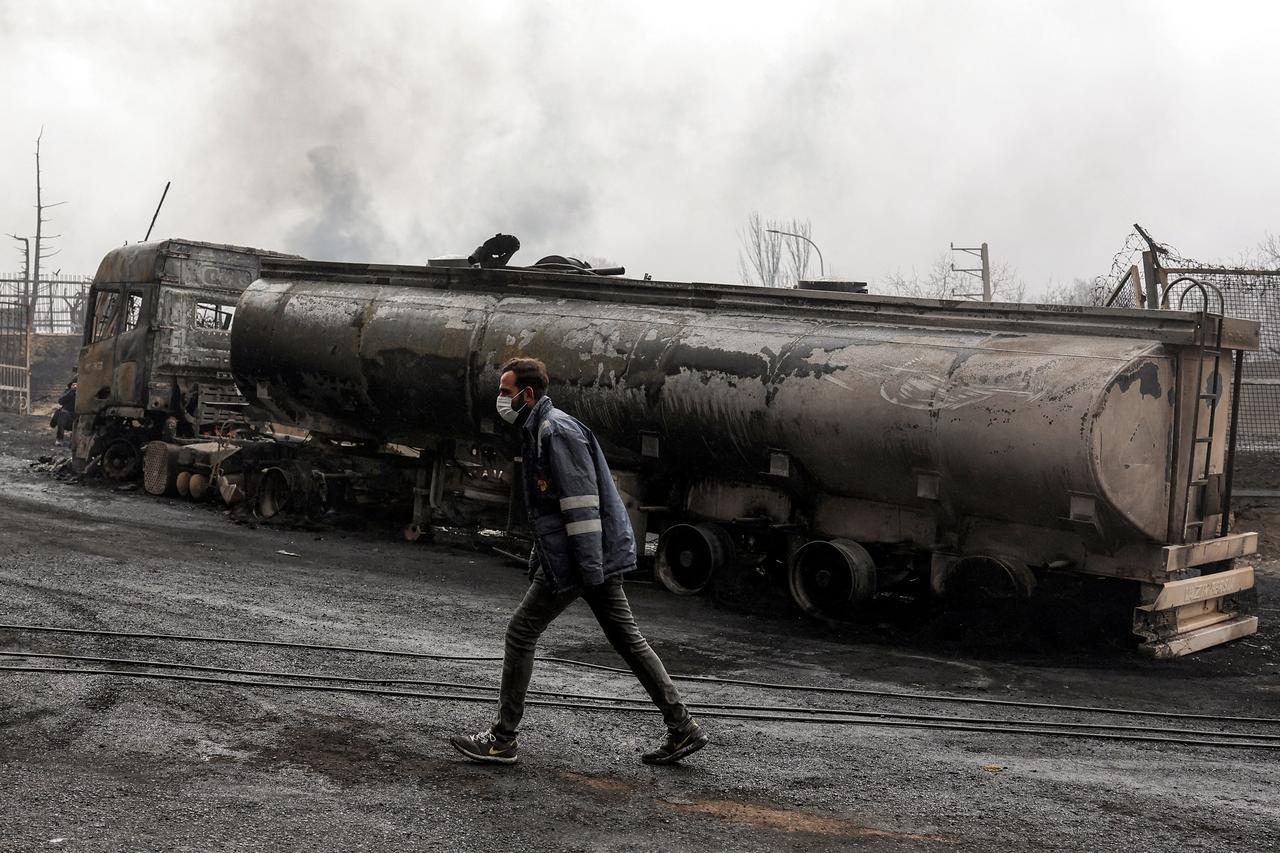
U.S. officials expressed concern that attacks on infrastructure serving ordinary Iranians could backfire strategically by strengthening public support for the Iranian leadership.
The United States and Israel launched military strikes against Iran on Feb. 28, killing Supreme Leader Ali Khamenei and more than 1,200 people, with over 10,000 injured, according to Iranian authorities.
Iran has retaliated with missile and drone attacks targeting Israel, Iraq, Jordan and Gulf countries hosting U.S. military assets.


 Set as preferred source
 Set as preferred source


 1 min read

 1 min read