Newsletters


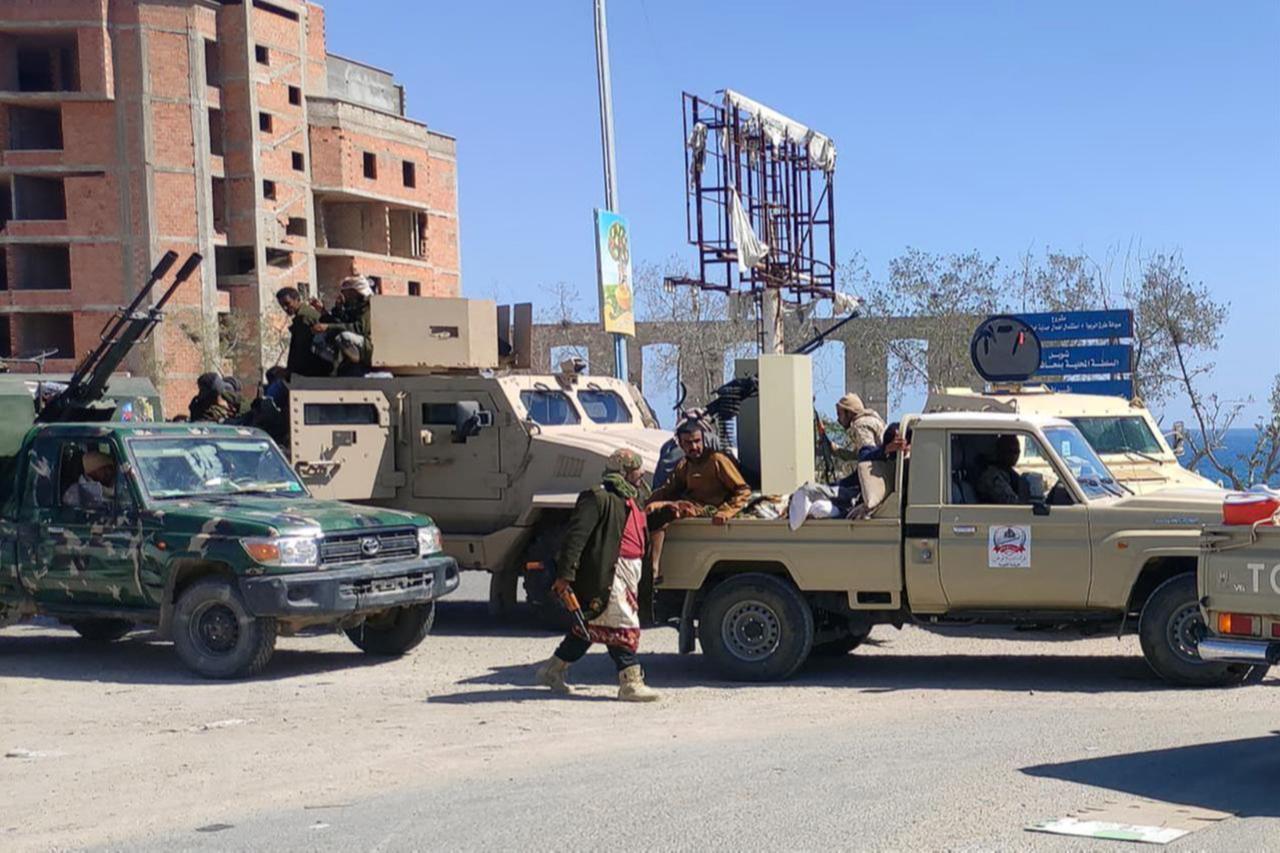


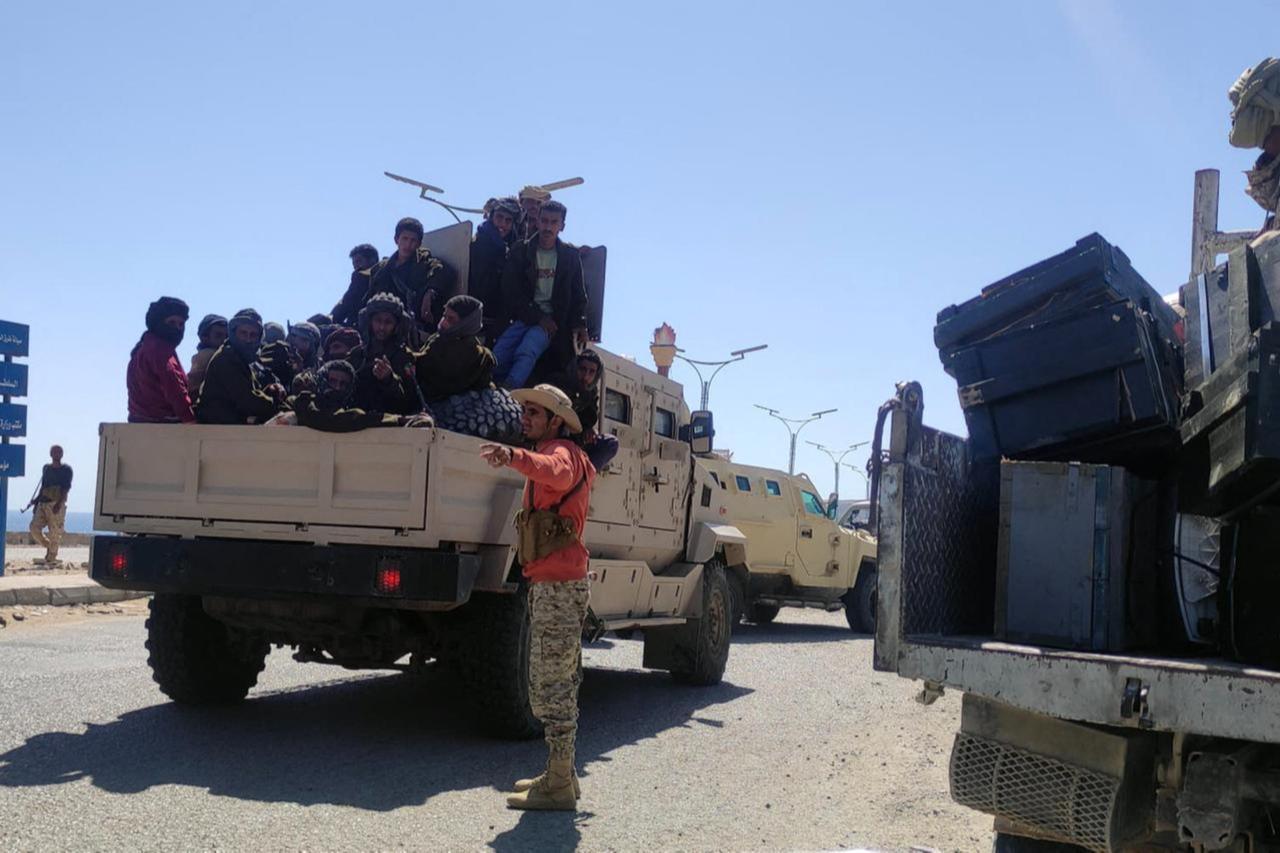
Yemen launched the first phase of a military restructuring plan on Monday, evacuating forces from a strategic base overlooking the interim capital Aden as the country's leadership moved to consolidate state authority over all armed forces.
The withdrawal from Jabal Hadid camp marks the opening step in a broader initiative to remove military installations from urban areas across the southern port city, according to Brig. Gen. Abu Khaled Mohammed al-Turki, chief of staff of the Third Giants Brigade.
"The practical implementation of the plan began today in Aden with the evacuation of Jabal Hadid camp, including the withdrawal of personnel, weapons and ammunition," Turki told Yemen's official Saba news agency.
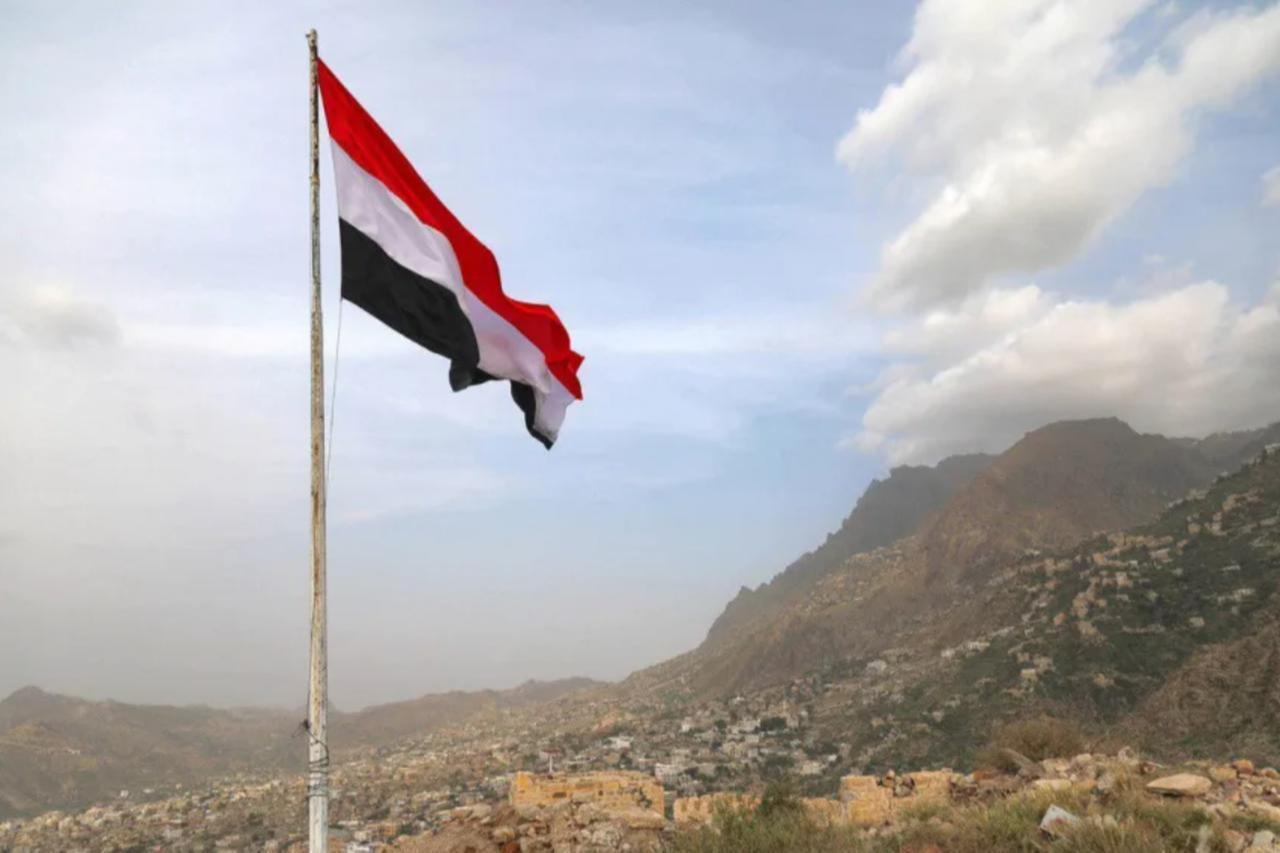

The Jabal Hadid base occupies elevated terrain that provides commanding views over key districts of Aden, positioned near critical infrastructure including the presidential palace and the city's international airport. For years, the installation served as a center of military influence over Aden's security landscape and had been occupied by forces loyal to Aidarus al-Zubaidi, head of the now-dissolved Southern Transitional Council.
Control of the camp was transferred to a Facilities Protection and Security Force unit in a ceremony attended by military and security officials, as well as civil society representatives, Turki said. He characterized the evacuation as the initial phase of a comprehensive plan to eliminate armed presences within Aden, executed under directives from Presidential Leadership Council member Abdulrahman al-Muharrami and supervised by joint forces backing Yemen's internationally recognized government.
 2 min read
Presidential Leadership Council head Rashad al-Alimi reinforced the government's position during a meeting in Riyadh with Fahd bin Hamad al-Salman, commander of joint forces in the Saudi-led coalition supporting Yemen's legitimate authorities. Alimi declared that Yemen would not permit the establishment of any military or security entities operating beyond state control.
He underscored the imperative to "prevent the formation of any military or security body outside state institutions," according to Saba, and stressed the importance of maintaining the state's exclusive authority over weapons across all operational areas.
The restructuring effort comes after government forces recaptured the eastern provinces of Hadhramaut and Al-Mahra from Southern Transitional Council fighters earlier this month. The two regions, which together constitute nearly half of Yemen's landmass, had been seized by STC forces in December.
Alimi indicated that Yemen is coordinating with coalition partners on establishing a strategic partnership framework designed to enhance the armed forces' capacity to counter security threats, combat terrorism, suppress smuggling operations and confront organized crime.


 Set as preferred source
 Set as preferred source


 1 min read