Newsletters


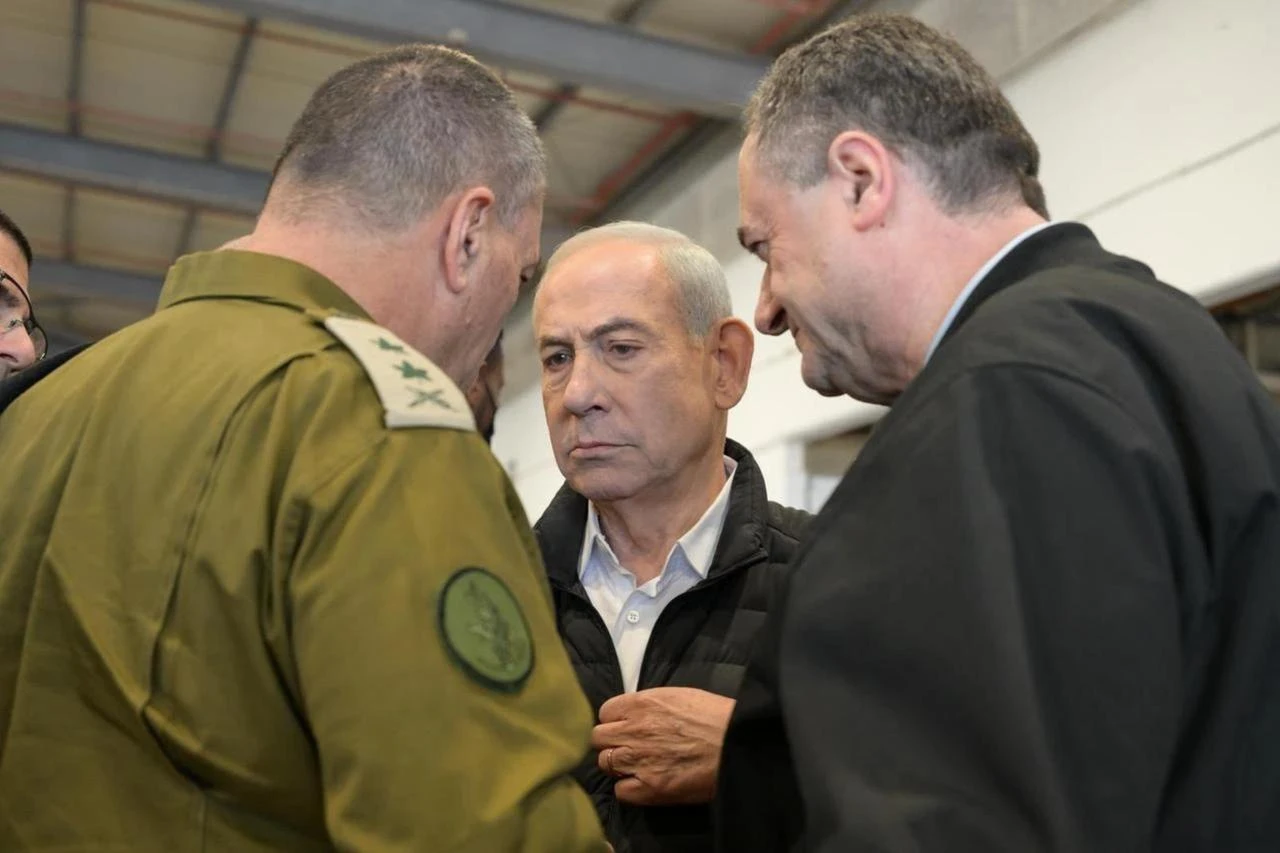


Israel's military chief declared Wednesday that the country's military would not permit hostile forces to gain a foothold near its border with Syria, as tensions between the two neighbors escalated following an Israeli airstrike on a Syrian air base a day earlier.
Lieutenant General Eyal Zamir made the remarks during a visit to an Israeli-occupied security zone in southern Syria, telling troops stationed there that the military was closely tracking developments across the border. "We are monitoring the changes on the Syrian front. We will not allow hostile forces to establish themselves on our borders, and we will know how to use our operational capabilities precisely where and when needed," Zamir said.
Zamir cautioned that Israel's military could not afford to relax vigilance on any front, describing Syria as one of several active theaters demanding constant attention. "We are still in a multi-front war, alert and operating in all arenas, escalation can develop in any one of them, and we must remain in constant readiness," he said.
Israeli troops have held positions in the southern Syrian security zone since the collapse of the Assad government in December 2024. The area was previously a demilitarized buffer zone monitored by United Nations peacekeepers, separating Israeli and Syrian forces in the Israeli-occupied Golan Heights since 1974.
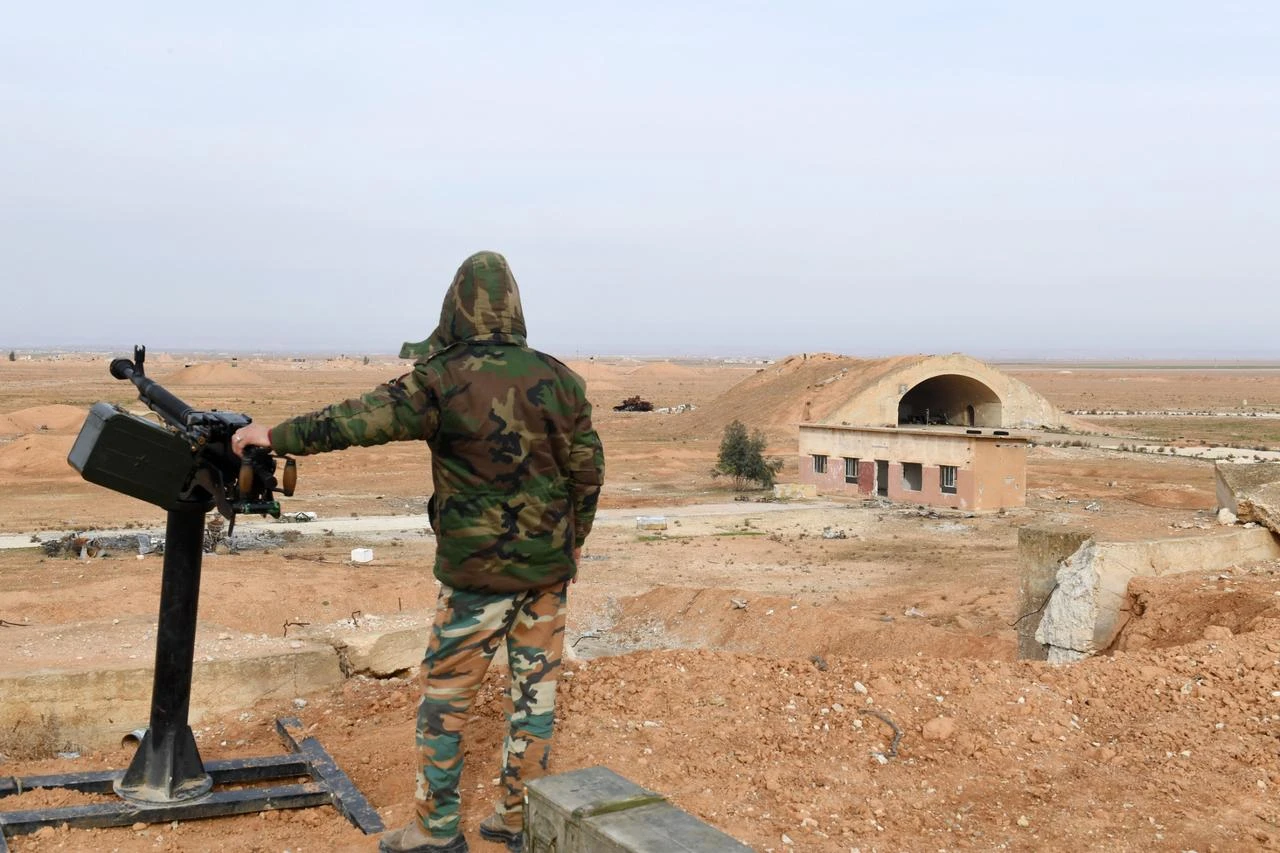
Zamir's visit came a day after Israeli military struck the Abu Duhur air base in Syria's northwestern Idlib province. Israel said the strike was a response to Damascus allowing Turkish troops to deploy at the base, which it characterized as a breach of an existing agreement.
A statement from the office of Israeli Prime Minister Benjamin Netanyahu said Syria had disregarded repeated warnings. "Israel repeatedly warned Syria that such a deployment would pose a threat to Israel's security. Syria chose to ignore these warnings," the statement said, though it stopped short of explicitly claiming responsibility for the strike.
Türkiye, which has had strained relations with Israel in recent years, denied the allegations behind the strike. The situation drew a sharp response from Washington as well, with US Ambassador to Türkiye Tom Barrack condemning the attack as an "unnecessary escalation."
Syria's foreign ministry issued a strong rebuke, calling the strikes "an unjustified act of aggression" and pressing for the UN Security Council to take action. The ministry said the attacks came despite Damascus having "exercised restraint and worked to consolidate stability and avoid escalation."
The exchange unfolded even as Israel and Syria's new government have pursued direct diplomacy in recent months, holding several rounds of talks and agreeing to set up a mechanism for sharing intelligence. Still, Israeli Defence Minister Israel Katz said last week that Israeli troops would remain in Syrian territory for the foreseeable future.
Israel seized most of the Golan Heights from Syria during the 1967 Arab-Israeli War and later annexed the territory under its control, a move not recognized internationally except by the United States and Colombia.


 Set as preferred source
 Set as preferred source


 2 min read
 1 min read