Newsletters


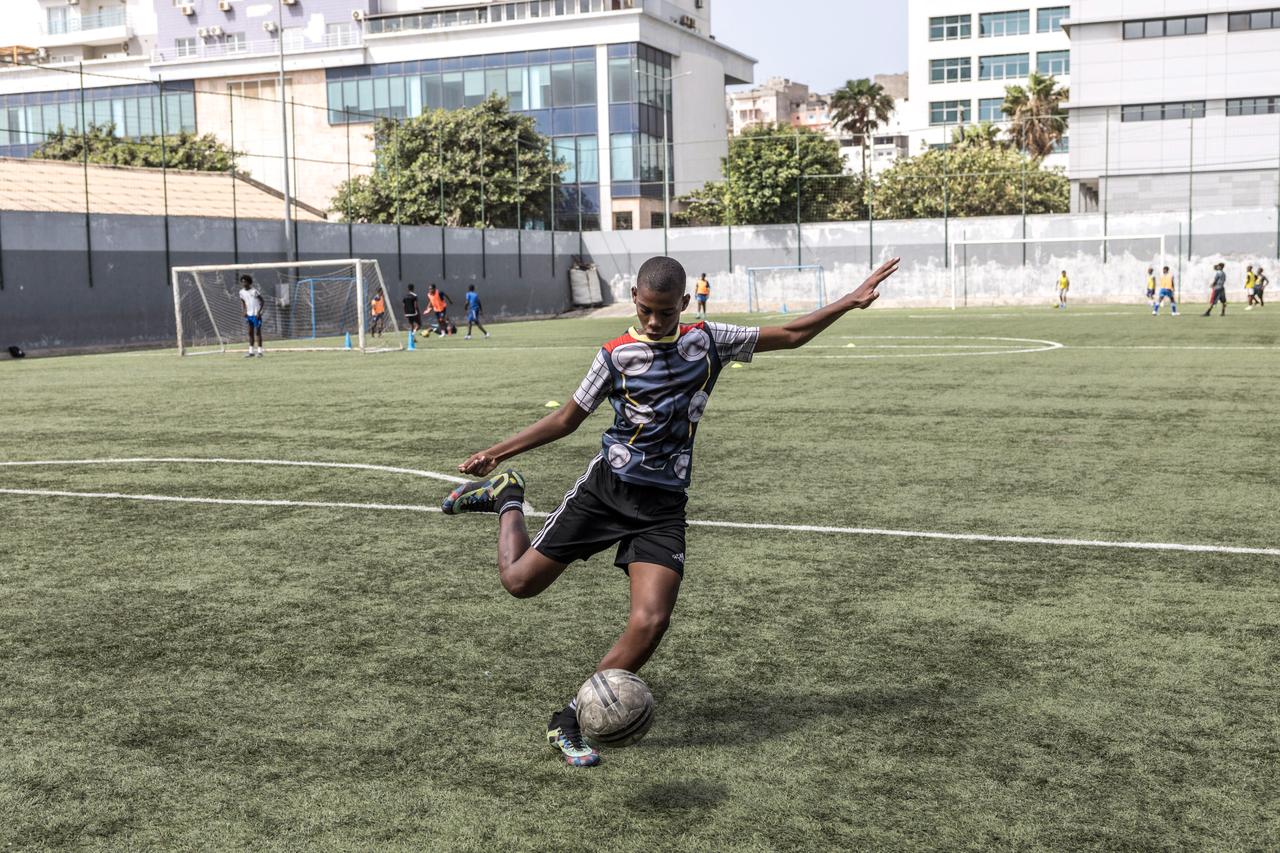


On the dusty pitches of Praia, Cape Verde's capital, young footballers dribble, feint, and chase goals with a new sense of urgency.
For the first time ever, the volcanic Atlantic islands, home to 525,000 people, have qualified for the FIFA World Cup. Those who helped develop its players say this moment has been decades in the making.
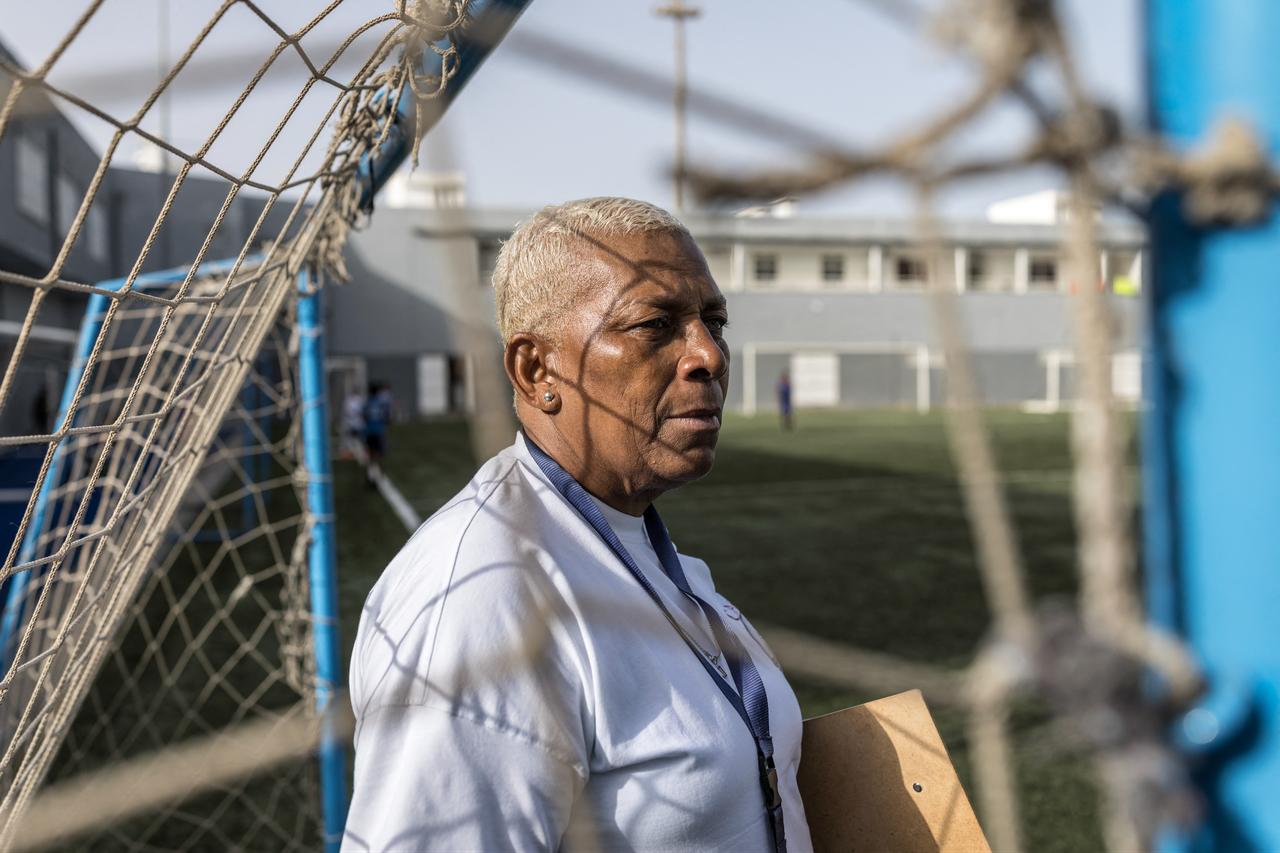
Silveria Nedio, who leads the Bola pra Frente soccer school in Praia and coaches the women's national team, has been involved since she was a child.
She began playing at age six, joining the boys in street games. Now, several of her former students are part of the World Cup squad.
"We are a small country, but the dream is big," Nedio said.
She believes Cape Verde has real talent, even though resources are limited. In the evenings, on weekends, and during holidays, Gamboa Beach in Praia fills with players who use whatever equipment they can find. Some play barefoot, and old tires mark the goal line.

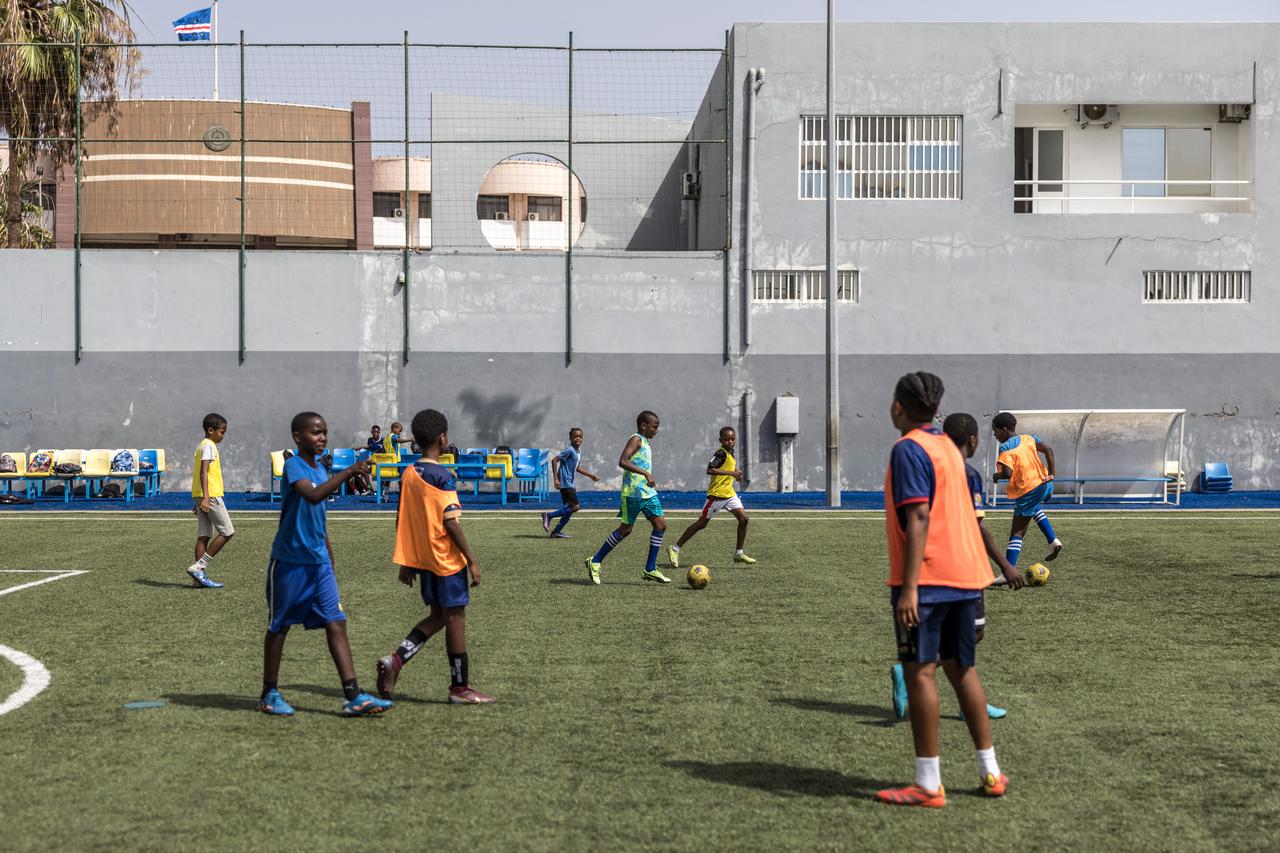
Not far from the beach, at the Escola de Preparacao Integral de Futebol (EPIF), one of the top academies in the islands, coach Odair Rodrigues spoke to students sitting in a circle on the school grounds outside Praia.
The young players then started their warm-up, clapping in rhythm with barefoot children from nearby neighborhoods.
For Rodrigues, qualifying for the World Cup means more than just success in sport. He said it shows "the dream of many Cape Verdean coaches and footballers, the dream of the nation."
The school tries to welcome students from all over the islands, including those from poorer areas. Rodrigues sees his mission as keeping young people excited about football.
Football academies have grown steadily across the islands in recent years, and more students have signed up since the Blue Sharks qualified for the tournament.
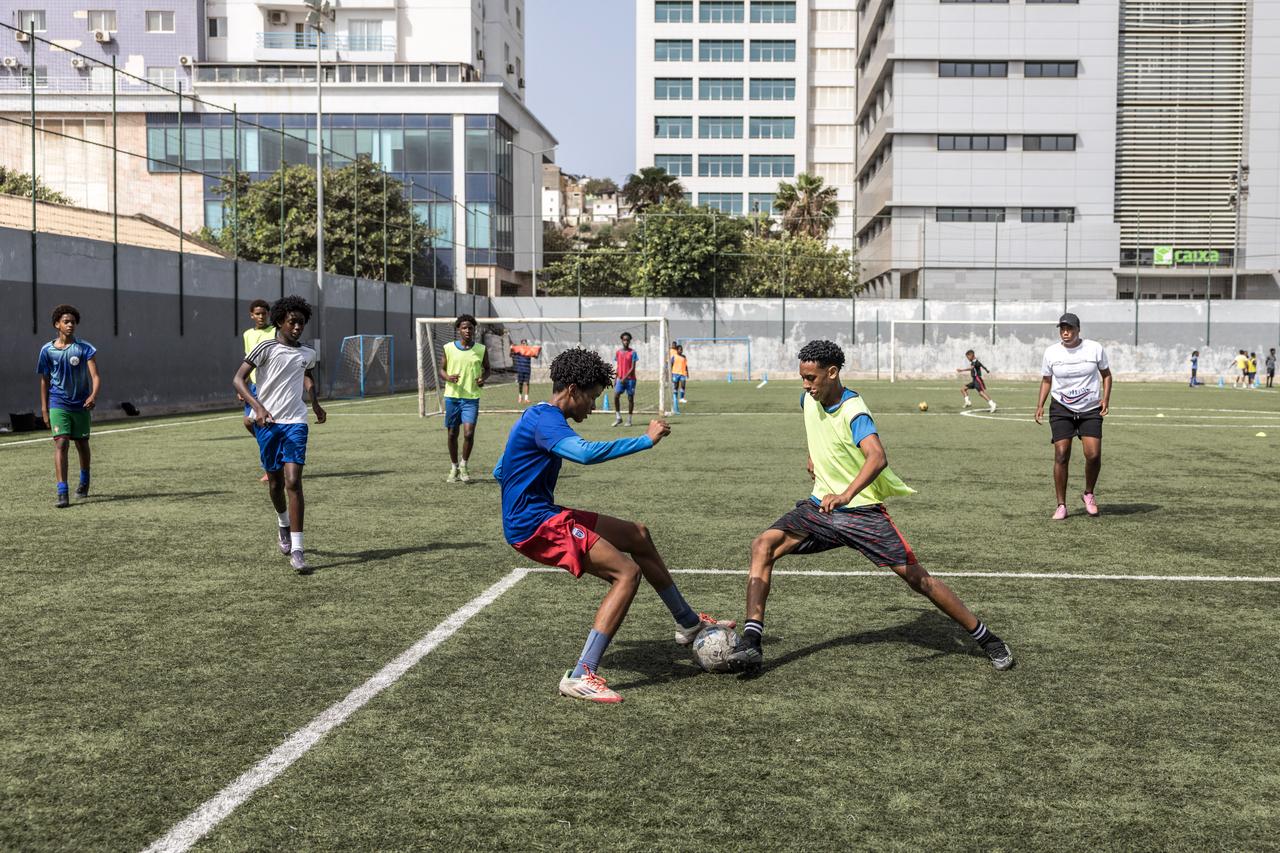
One of the students at EPIF, 16-year-old Luciano Correia, said qualifying for the World Cup brought a moment of "indescribable joy." His grandparents and parents had never seen the national team reach this stage.
Fourteen-year-old Rafael Semedo, who trains at Bola pra Frente, said the achievement shows that "with a lot of training and commitment, it's possible to achieve great things."
The national team, called the Blue Sharks, will start their group-stage matches against European champions Spain on June 15. They will then play two-time World Cup winners Uruguay on June 22 and finish against Saudi Arabia on June 27.
Captain Ryan Mendes, who has played for the national team for almost 16 years, said he always hoped this moment would arrive. He believes the World Cup could create new opportunities for young people throughout the country.
On the streets of Praia, people share that feeling. Jorge Pina, who often plays at Gamboa Beach, said the whole country is looking forward to the tournament.
"For us, football is like cachupa," he said, referring to Cape Verde's national dish. "Football morning, noon, and night—Cape Verde is all about football."
National team coach Pedro Leitao Brito told Agence France-Presse (AFP) that the squad directly reflects the country's people. He said everyone in Cape Verde feels proud of what the team has achieved.
At the end of May, the Blue Sharks finished an island tour that attracted large crowds. Fans, players, and music filled the streets in what many called a national celebration ahead of the country's first World Cup appearance.


 Set as preferred source
 Set as preferred source


 2 min read