Newsletters


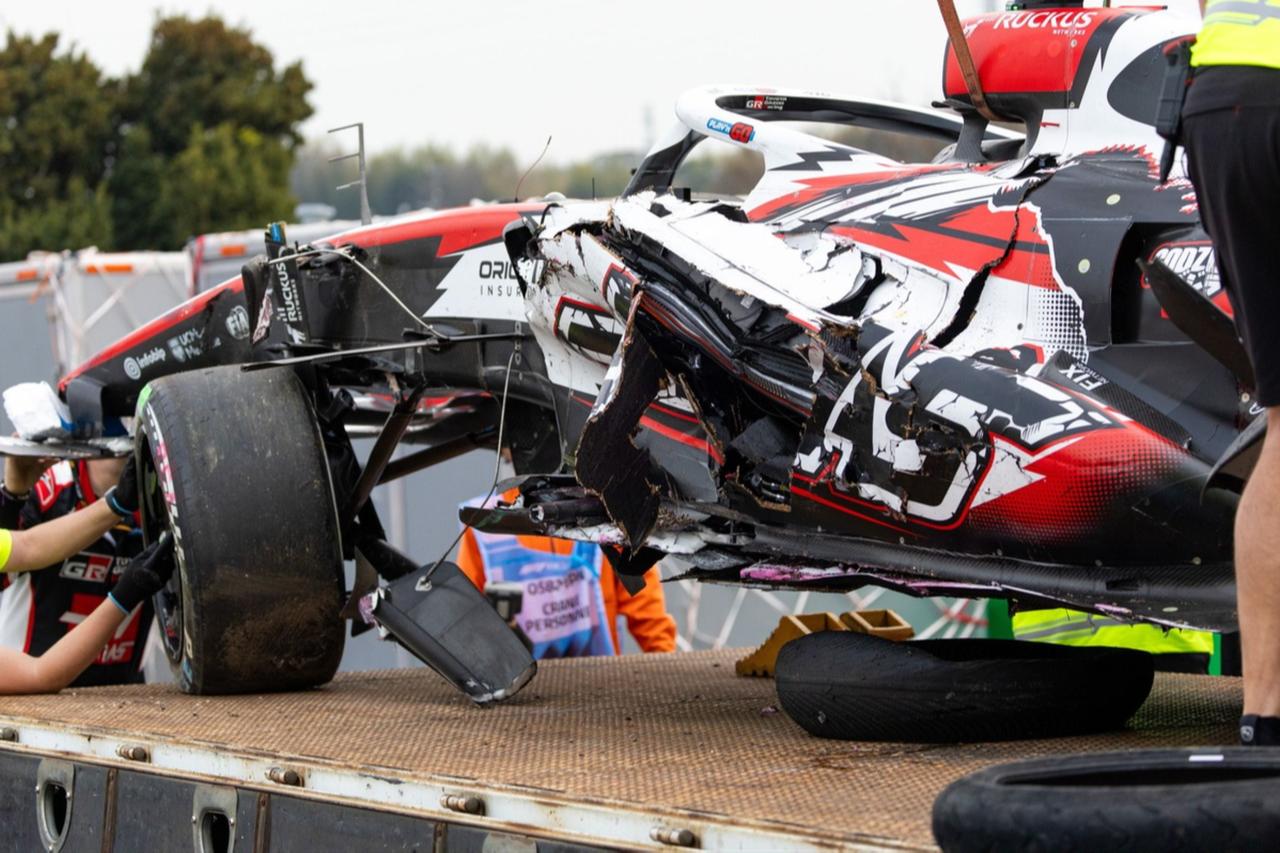


Formula One has moved to adjust its newly introduced technical regulations after sustained criticism from drivers and teams, with changes set to come into force at the Miami Grand Prix on May 3.
The decision followed an online meeting between Formula One, the FIA, and team principals, as concerns grew that the current rules were undermining both performance and spectator experience.
The controversy stems from this season’s shift to a hybrid system combining combustion engines with electric power. Under the new setup, drivers were required to manage battery usage carefully, even during qualifying laps, which effectively forced them to slow down at key moments.
At the same time, cars were equipped with a “boost button” designed to aid overtaking, creating sudden bursts of speed differences between competitors.
Four-time world champion Max Verstappen openly criticized the system, describing the racing format as “a joke” after the Chinese Grand Prix and signaling he could step away from the sport in 2027 if changes were not introduced.
Other drivers echoed similar concerns, while fans argued that the new format had taken away from the overall viewing experience.
In response, officials agreed on a series of measured adjustments aimed at improving both performance and safety without overhauling the system entirely.
Energy harvesting, the process by which cars recover energy to recharge batteries, will be reduced from eight megajoules to seven, while the hybrid power unit output will increase from 250 kilowatts to 350 kilowatts. These changes are expected to allow drivers to push at full speed for longer periods, particularly in qualifying.
The boost system has also been revised following a high-speed crash involving British driver Ollie Bearman in Japan, which was partly linked to differences in closing speeds between cars. The boost output will now be capped at 150 kilowatts to limit sudden performance gaps.
Calls for balance as teams urge cautious evolution
While welcoming dialogue between stakeholders, Mercedes team principal Toto Wolff cautioned against making sweeping changes too quickly, emphasizing the need for gradual improvements.
He noted that discussions between drivers, governing bodies and teams had been constructive, with all parties sharing the goal of improving racing quality while maintaining safety. He also stressed that decisions should be made carefully, learning from past instances where rapid changes led to unintended consequences.
Wolff added that those involved in the sport carry a responsibility to protect its global appeal and should avoid publicly undermining it.
The Miami Grand Prix will mark the return of racing after a five-week break caused by the cancellation of Bahrain and Saudi Arabia events due to conflict in the Middle East.


 Set as preferred source
 Set as preferred source



 2 min read