Newsletters


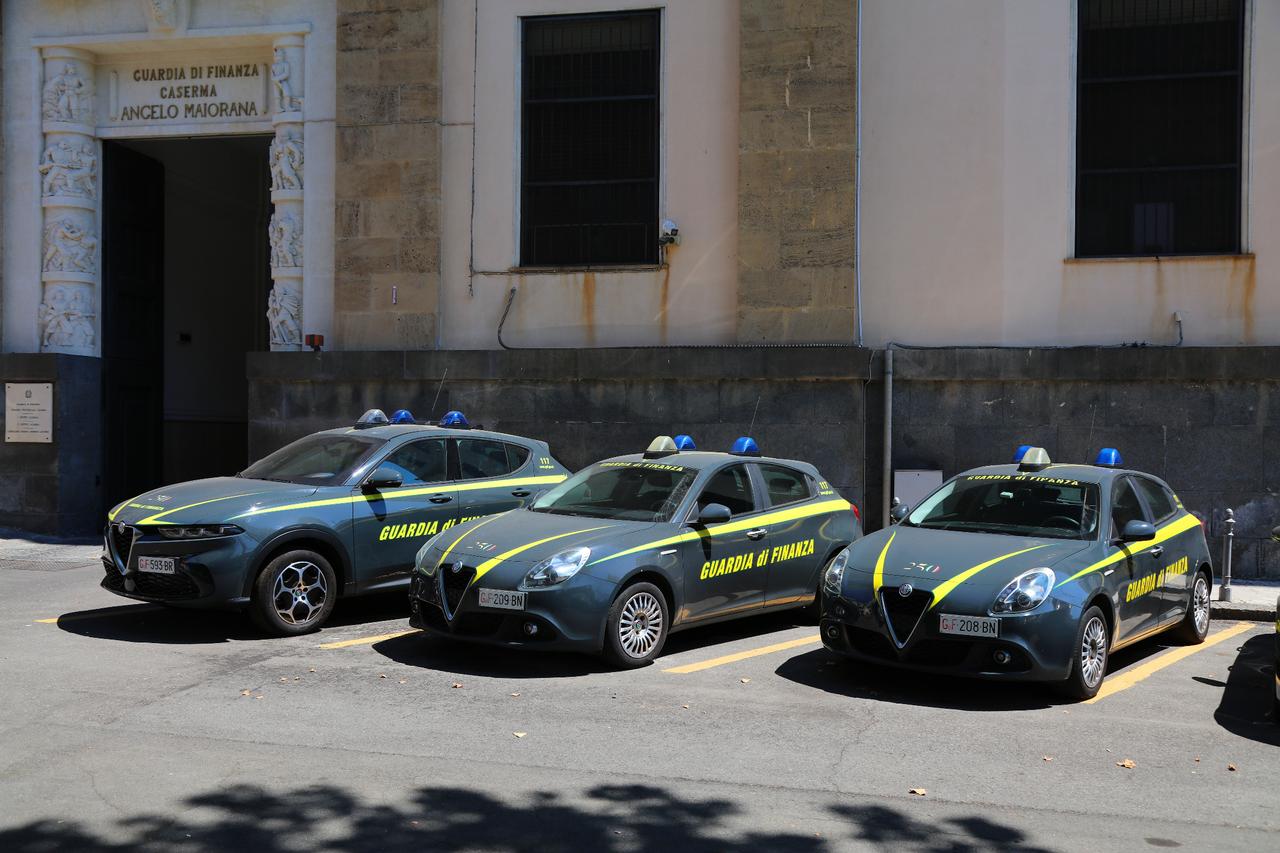


Milanese authorities recently uncovered a sophisticated escort ring operating under the guise of a high-end event planning agency.
The Milan Public Prosecutor's Office and the Guardia di Finanza targeted Ma.De Milano, a firm based in Cinisello Balsamo, during a series of raids.
This organization allegedly provided sexual services to a wealthy clientele that included prominent entrepreneurs and dozens of professional footballers from Serie A.
Deputy Prosecutor Bruno Albertini coordinates the investigation, which has already led to house arrest for four individuals suspected of managing the syndicate, according to ANSA. Police also carried out searches at six different addresses to uncover the full extent of the criminal network.
The agency marketed an expensive "after-match service" that cost several thousand euros per night.
This package included access to five-star clubs, luxury hotel rooms, and the company of professional escorts.
The "all-inclusive" post-match package included an evening in a five-star venue of the Milanese nightlife, a young luxury escort, the hotel, and maybe even a "sniff" of laughing gas.
The company allegedly recruited women and professional escorts to attend these events, often housing them at the company headquarters before they met with high-paying clients.
Investigators discovered that many clients utilized a specific substance to enhance their experience.
Athletes frequently used nitrous oxide, often called laughing gas or the balloon drug, during these private parties. This chemical creates euphoria but leaves no detectable trace in the body. Footballers preferred this substance because it allowed them to pass anti-doping checks without risk of detection.
Authorities identified over 50 clients in the documents, including four specific players from major Italian teams. These clients do not currently face charges because paying for such services does not constitute a crime under these specific circumstances.
The financial investigation into Ma.De Milano revealed a massive gap between legal earnings and actual revenue.
Suspects reported very low income despite managing millions in transactions through their event planning facade. This disparity led the Guardia di Finanza to seize over €1.2 million ($1.41 million) in assets during the investigation.
Police believe the organization's revenue came exclusively from illegal activities hidden by its official business structure.
The Guardia di Finanza analyzed the financial trails of the suspects to confirm the source of their wealth.
"The suspects' sources of income, completely disproportionate to those declared, are in fact 'exclusively attributable' to the event-organizing business," the Guardia di Finanza told ANSA.
This evidence suggests that the organization functioned as a criminal syndicate for at least a decade. The agency used social media to recruit "new collaborators" with public relations skills to expand its reach within the elite sports community.
This scandal causes significant embarrassment for the Italian football world. It follows other recent high-profile investigations into illegal betting and stadium violence involving organized fan groups.
The Milanese nightlife scene remains under heavy scrutiny as the Public Prosecutor's Office continues to analyze seized documents. Authorities expect to identify more individuals involved in the network as the investigation deepens.


 Set as preferred source
 Set as preferred source


 2 min read