Newsletters





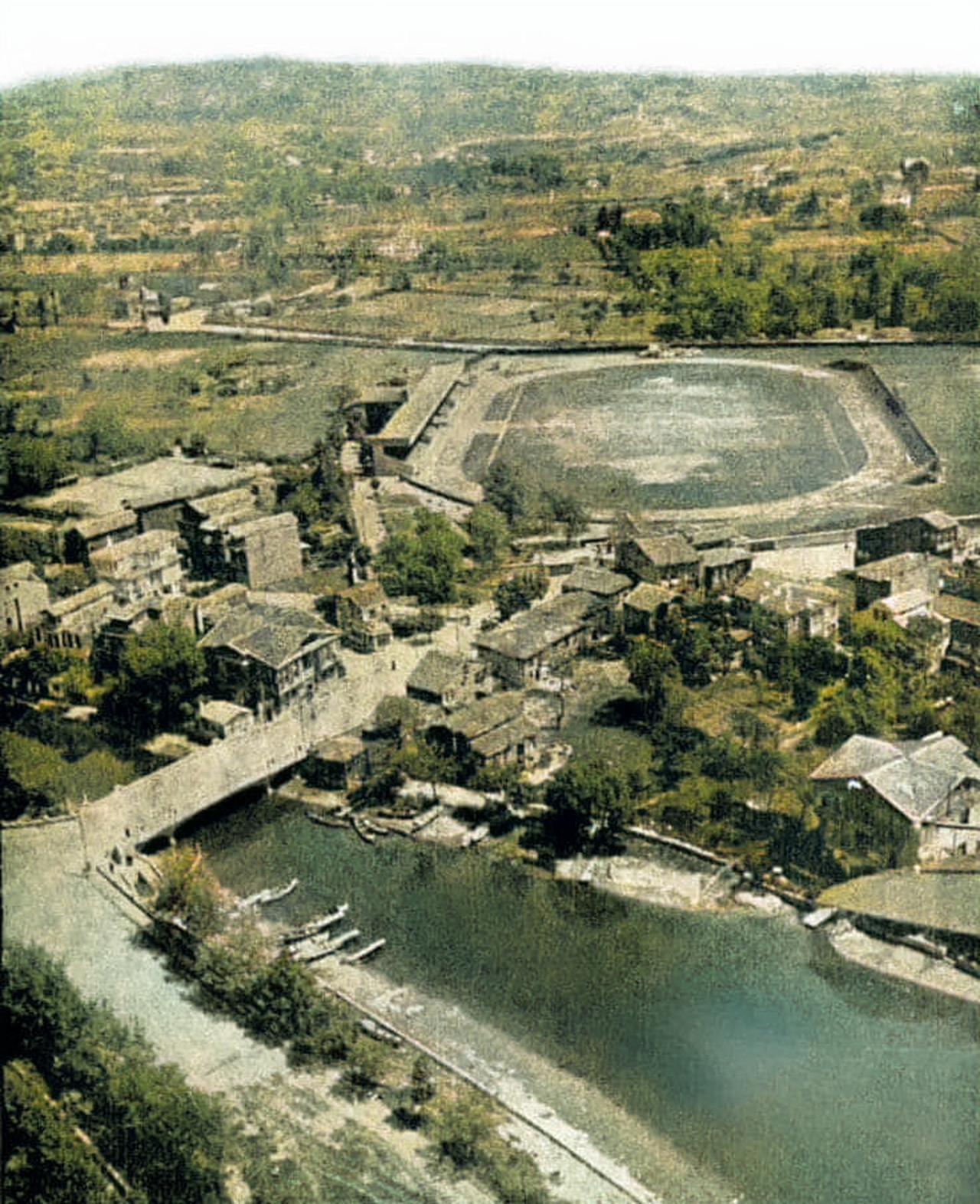
Before Fenerbahce’s yellow-and-blue flags filled the stands, before European nights made the ground one of Istanbul’s best-known football venues, there was, more than a century ago, just a stretch of open land called Papazin Cayiri (the Priest’s Meadow), tucked near the waters off the coast of the historic city’s ancient town, Kadikoy.
The meadow was one of the places where Istanbul’s fledgling football scene took shape, as local Turkish residents began taking up a sport that had largely been played by British and other minority communities in the city.
Six years before the giant took its first steps into history, its forerunner, widely regarded as the first Turkish football club, Siyah Coraplilar (Black Stockings), took the venue as its home soil, playing their first and only known match there.

Then, in 1907, something much bigger rose over the town, like a sun breaking over the horizon and illuminating the meadow where Turkish football was born: Fenerbahce was founded. As the club hosted its first Istanbul derby against Galatasaray in 1909, the ground became its home soil, carrying the club through decades of history.
More than a century later, that history faces an unexpected question: could Fenerbahce leave the ground where it took root and move to a new 75,000-seat stadium built right on the waterfront in the newly developing Asian district of Maltepe?
Club president Aziz Yildirim raised the possibility, saying government officials had offered Fenerbahce a new stadium being considered for Türkiye’s bid to host the final of EURO 2032, which the country will co-host with Italy.
In 1908, Papazin Cayiri began its transformation from an open meadow into Istanbul’s first purpose-built football ground. Fenerbahce first leased the ground for a year in 1909, before returning as its tenant in 1929, when the venue was renamed Fenerbahce Stadium.
The club later purchased the land in 1933, securing the site that would gradually evolve into its historic home. The stadium gradually grew alongside Turkish football. By 1949, it had become the country’s largest football ground, with a capacity of 25,000.
Named in 1998 after former Fenerbahce president and Turkish prime minister Sukru Saracoglu, who helped secure the ground for the club, the stadium underwent a major reconstruction between 1999 and 2006. It currently has a listed capacity of around 47,911, according to the Turkish Football Federation (TFF).
In May 2009, it hosted the UEFA Cup final between Shakhtar Donetsk and Werder Bremen, becoming the first stadium in Türkiye to stage the final of that competition.
However, nearly two decades after the redevelopment was completed, the stadium once again faced calls for expansion and modernization, particularly as archrivals Galatasaray and Besiktas moved into newer or larger grounds.
The new-stadium proposal emerged as Yildirim sought to advance an alternative plan to expand Fenerbahce’s existing ground.
Announced by the club in September, the plan envisages increasing Sukru Saracoglu Stadium’s capacity to 64,000, modernizing its stands and expanding VIP facilities at an estimated cost of €50 million ($56 million).
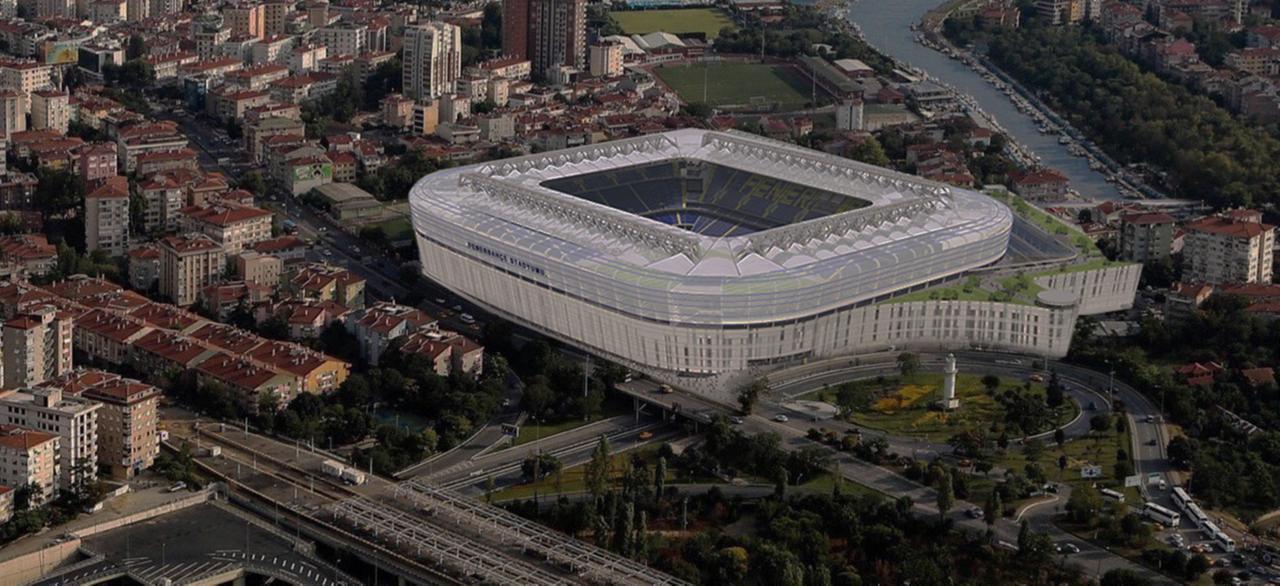
The club has submitted the expansion plans to the relevant ministries, with Yildirim saying he traveled to Ankara with club officials to push for approval. Instead, the discussions brought an alternative into focus.
Yildirim disclosed that government officials had already been in contact with previous Fenerbahce administrations about a stadium intended to strengthen Türkiye’s chances of hosting the EURO 2032 final.
During his own meeting with the urbanization minister Murat Kurum, the proposal was put directly to the club: take the new stadium and leave Kadikoy. Fenerbahce president's response was cautious. "I will not say yes to anything that is not in Fenerbahce’s interests."
Yildirim indicated that he would want the terms presented in writing before deciding whether the arrangement was worthwhile. If the offer protected the club’s interests, he said, he would take it to the general assembly, where members would have the final say.
While the details remain unconfirmed, Turkish media reports described the planned Maltepe stadium as a fifth-generation venue designed to accommodate international football matches, concerts and other large-scale events.
The stadium, which would be built by the government rather than the club, is planned for reclaimed land in Maltepe, with its exterior reportedly incorporating wooden details.
The wider development reportedly includes a marina for 300 to 400 boats and between 60,000 and 70,000 square meters of leasable commercial space, including a shopping center and open-air retail areas.
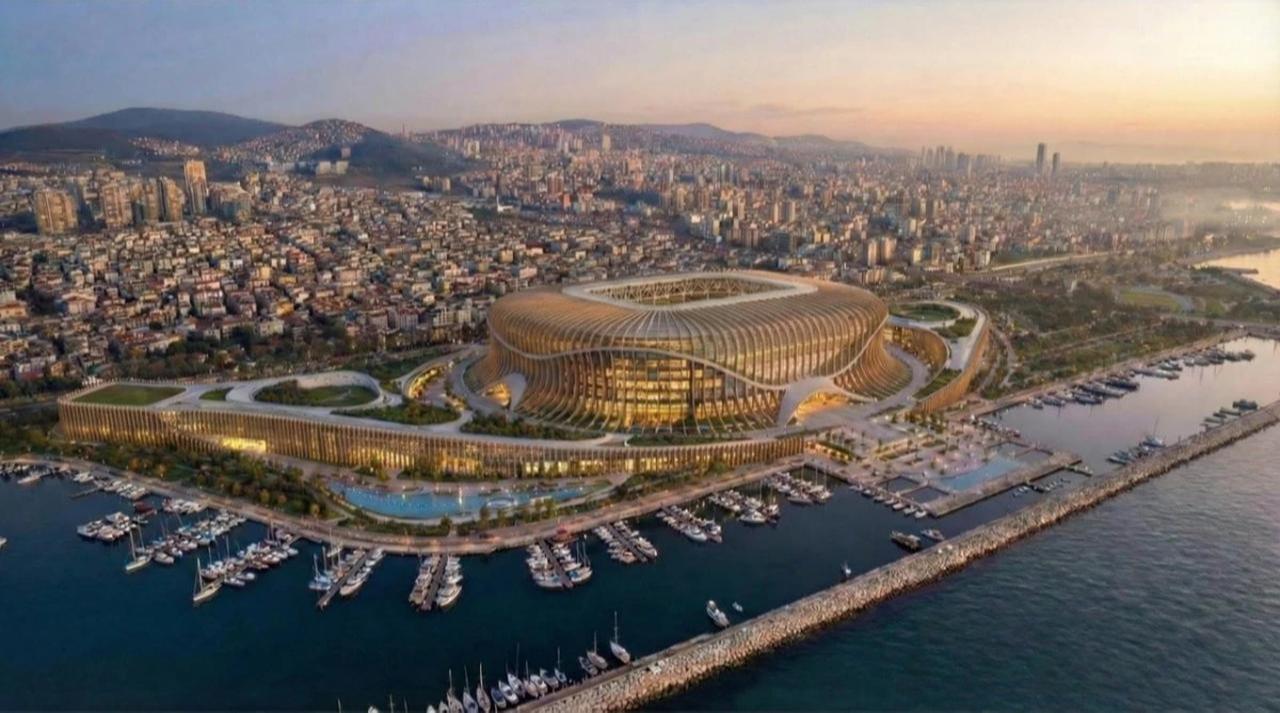
Türkiye initially included Fenerbahce’s Sukru Saracoglu Stadium among its 10 candidate venues for EURO 2032, and the proposed stadium could replace it as a tournament venue if the project goes ahead.
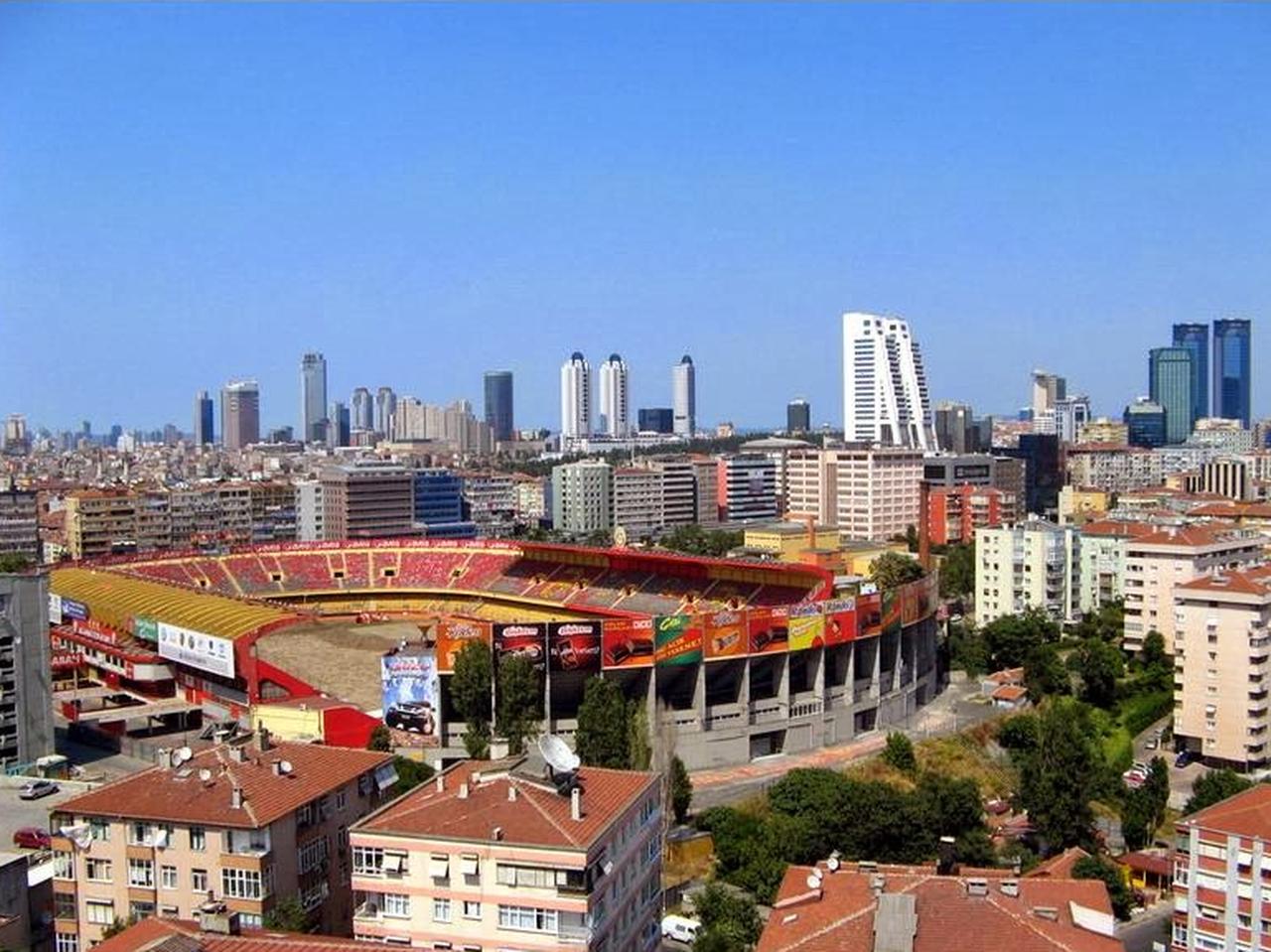
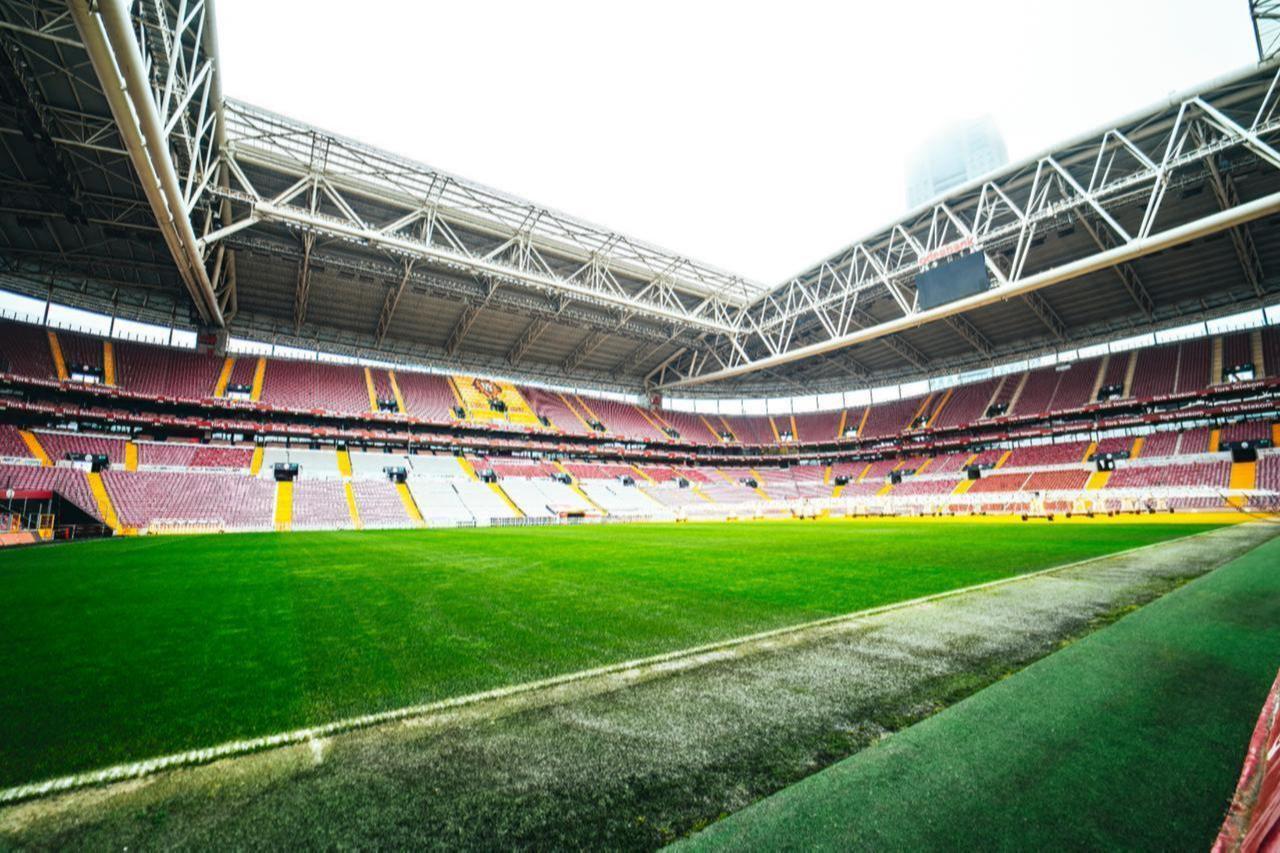
If Fenerbahce were to move to a much larger venue elsewhere in Istanbul, it would follow the path taken by its archrival Galatasaray in 2011, when the club left around 24,000-capacity Ali Sami Yen Stadium in Mecidiyekoy, in Istanbul's central Sisli district, for its new home in Seyrantepe, in the city's northern European side.
The new 53,000-seat stadium was built under a public-sector agreement that linked its financing to the redevelopment of the former Ali Sami Yen site, with proceeds from the sale earmarked for the Seyrantepe complex. Under the deal, Galatasaray could use the new stadium without paying a usage fee.
The move allowed Galatasaray to expand capacity and boost revenue as limited space and dense development around its old ground made expansion difficult, a decision seen as a defining moment in the club's subsequent period of success.
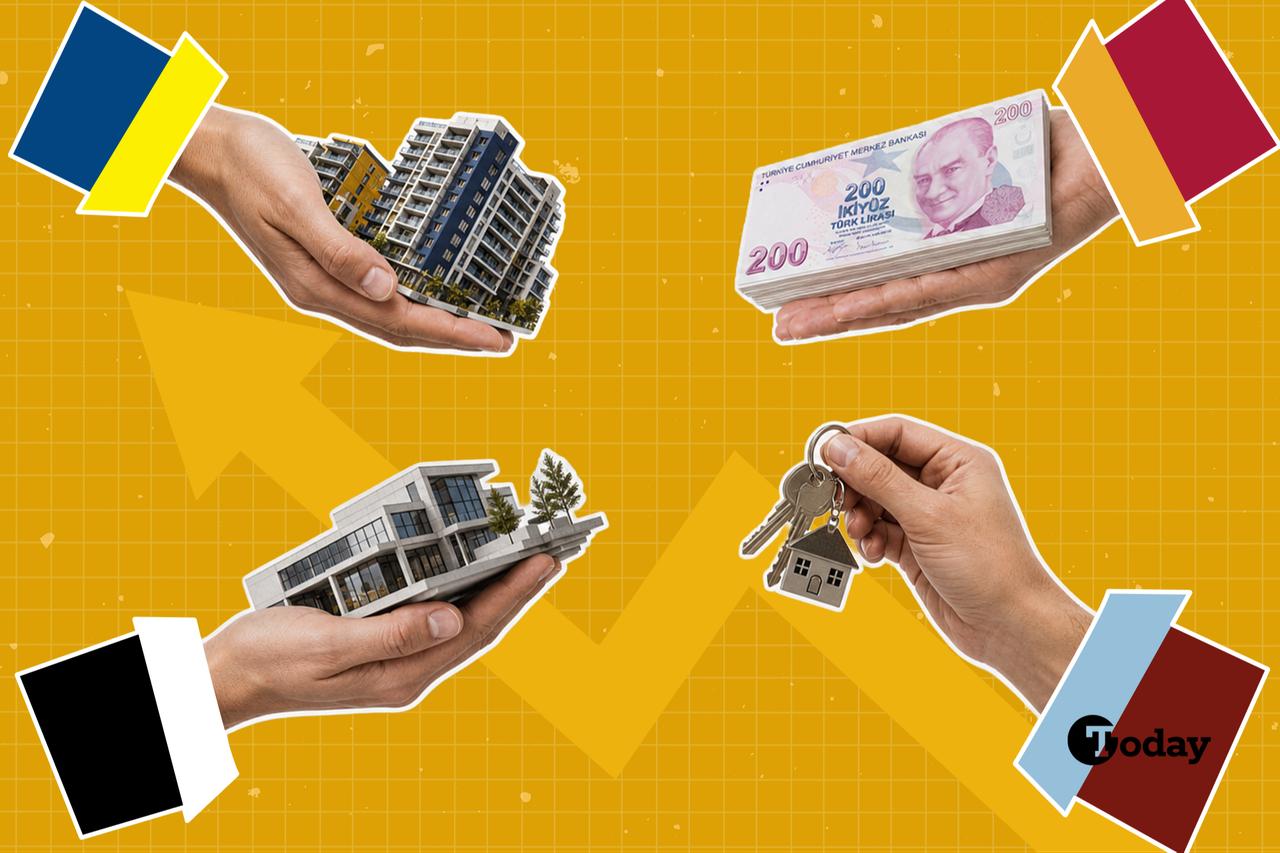
Beyond the stadium, Galatasaray has also capitalized on its real estate assets, generating around ₺1.3 billion ($54.1 billion) from sales at its Mecidiyekoy residential project by September 2024.
The proceeds helped fund the purchase of a 41,000-square-meter plot in Florya from state-owned Emlak Konut. A subsequent revenue-sharing deal for a residential project on that site secured the club a $50 million advance, with projected revenues of at least $300 million.
Since moving to its new stadium, Galatasaray has won 10 league titles in 15 seasons, including four consecutive championships from 2022-23 through 2025-26, overtaking Fenerbahce in Super Lig titles and extending its lead to seven.
The picture has grown bleaker over the past decade, with Fenerbahce's league title drought stretching to 12 seasons and the club's mounting debt adding to the pressure.
According to 2025-2026 financial disclosures, Galatasaray generated ₺5.2 billion ($103.3 million) from stadium-related sales, compared with Fenerbahce’s ₺3.2 billion, remaining a gap of ₺1.9 billion.
Despite their stadiums’ relatively similar capacities, Galatasaray generates more revenue from VIP boxes, premium seating and season tickets.
However, the revenue gap cannot be attributed to stadium facilities alone, as Galatasaray also drew larger crowds during the 2025-2026 league season, averaging 41,661 spectators per home game compared with Fenerbahce’s 33,934.
The proposed move has found support among fans who see a larger, modern stadium as a way to increase matchday revenues, attract more spectators and give the club greater commercial opportunities.
Others, however, question whether leaving Kadikoy is worth the trade-off, particularly when the club already plans to expand its existing stadium to 64,000 seats.
In his analysis, sports economist Tugrul Aksar argued that the decision should not be based on capacity alone, pointing to European clubs whose experiences showed that moving to a new stadium did not automatically translate into greater financial or sporting success.
Arsenal, for example, saw its matchday revenues grow after moving from Highbury to the Emirates Stadium in 2006, but the cost of the project also put pressure on its finances and spending power.
Juventus, by contrast, built its business model around greater control over stadium operations and commercial revenues, while Tottenham turned its new ground into a venue for concerts and other major events beyond football.
Aksar also pointed to Real Madrid and Liverpool, which expanded the commercial potential of their historic grounds without relocating.
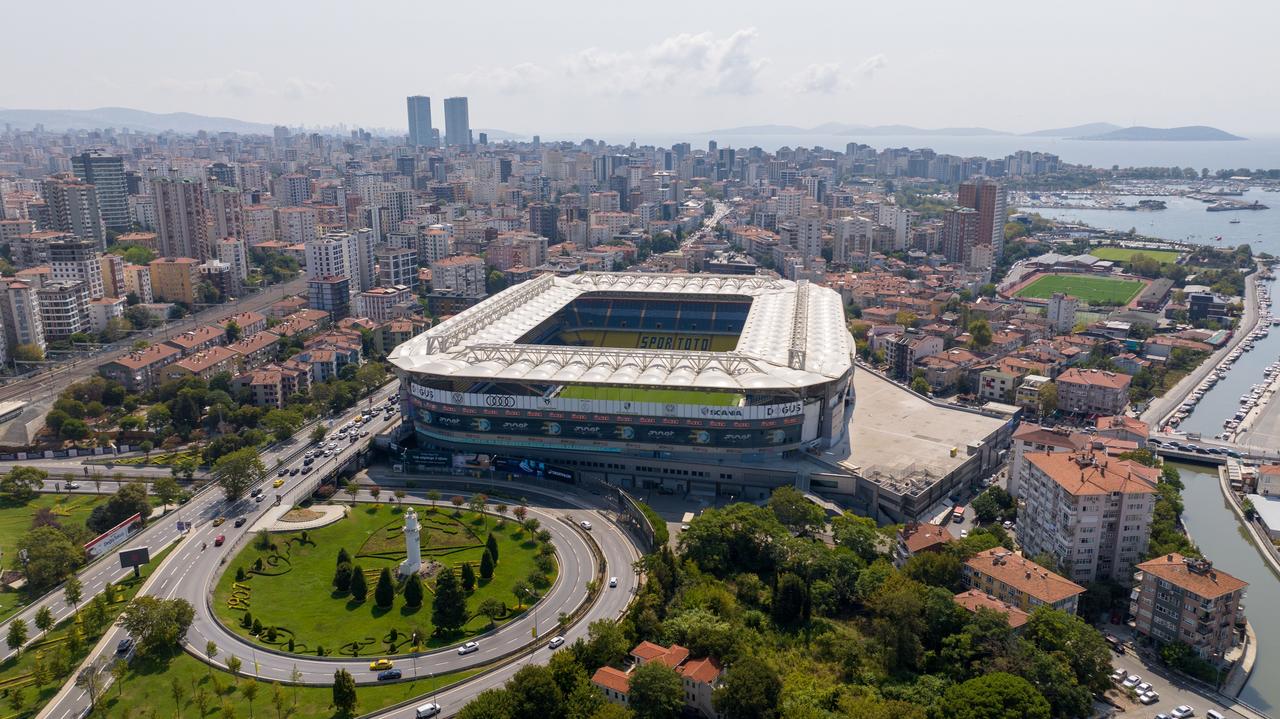
For Fenerbahce, the key question is whether moving to Maltepe would generate enough extra revenue to justify the cost and the loss of Kadikoy’s established fan culture and commercial value.
Leaving Sukru Saracoglu Stadium could also open its valuable site to redevelopment, potentially creating another source of income for the club as the waterfront changes.
Nearby, Kalamis Yacht Marina is also set for expansion after its 40-year operating rights went to a Koc Holding subsidiary in February 2025 under a $504 million agreement.
The ₺4.9 billion project would increase capacity from 1,288 to 2,120 yachts and add new commercial facilities. Separately, Setur Marinas plans to open more of the waterfront to the public by the end of 2028.
Against this backdrop, Fenerbahce’s decision would likely hinge partly on securing a share of redevelopment proceeds to generate sustainable long-term revenue, although no official details have emerged about the site’s future or the club’s potential stake.


 Set as preferred source
 Set as preferred source


 2 min read
 1 min read