Newsletters





For Türkiye's biggest football clubs, or the Big Four, the battle is no longer fought only on the pitch.
As transfer fees and player wages rise and debt piles up, the country's leading sides are increasingly looking to real estate for financial relief.
As land values climb in Istanbul's rapidly developing areas and large plots become harder to find in central districts, sites once used for training, club facilities, or left vacant are emerging as valuable financial assets.
That is pushing Fenerbahce, Galatasaray, Besiktas and Trabzonspor to find new ways to turn their holdings into steadier sources of cash, as the four clubs carry a combined debt burden of about ₺85 billion ($1.6 billion) in the 2025-26 season, with all but Galatasaray reporting net losses.
Türkiye's reigning champions Galatasaray, who won the Turkish Super Lig for a fourth straight season last year, are already further along in their property strategy.
The club has maintained a dedicated real estate arm since 2010 and has pursued major ventures, including the Mecidiyekoy scheme, where an unfinished building next to the former Ali Sami Yen Stadium was converted into GS Leo Residences.
Galatasaray said in September 2024 that the venture had generated about ₺1.3 billion ($38.2 million), with the proceeds used to acquire additional land in Florya.
In Florya, Galatasaray expanded its holding to about 63,000 square meters and entered a revenue-sharing deal in 2025. The club received a $50 million advance to clear its remaining bank debt and part of its overdue commercial liabilities, and it is entitled to 50% of housing-sale revenue. The site remains in the design and permitting stage.
At Riva, the first phase has generated about $170 million, while the second is expected to bring in ₺23 billion ($467.9 million) in sales and leave roughly ₺11 billion in net income.
The strategy expanded further in June, when members approved 11 mandates covering property, sporting facilities and corporate investments, with a combined investment cost of about $250 million, according to President Dursun Ozbek.
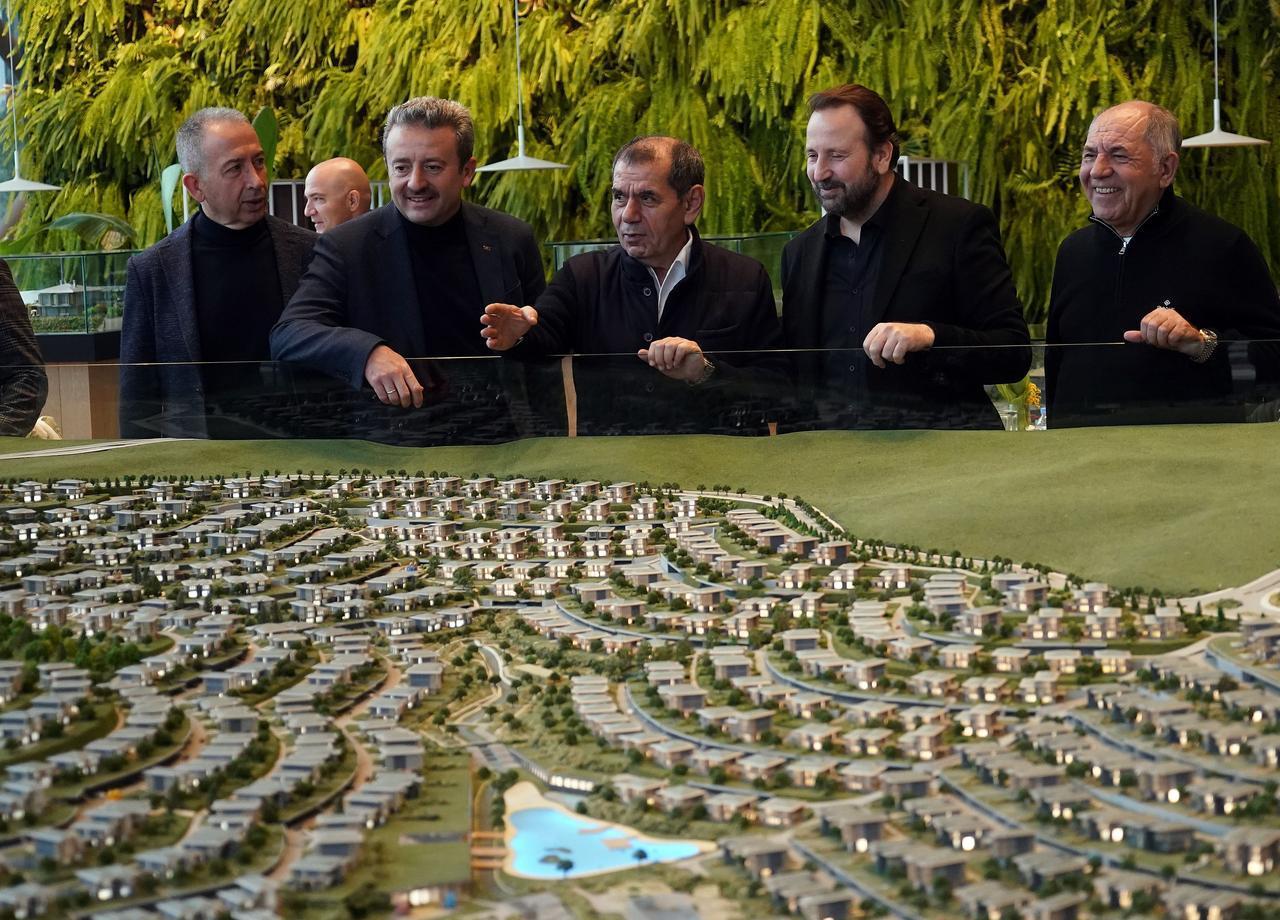

Fenerbahce's board discussed plans at its Sept. 27 financial general assembly to establish Fenerbahce REIT and Fenerbahce Investment Holding and eventually take them public.
The club has already begun putting that strategy into practice. In August 2025, Fenerbahce signed a cooperation protocol with Emlak Konut GYO covering 61,518.73 square meters in Istanbul's Atasehir district for mixed-use development in Kucukbakkoy and Kayisdagi.
The two ventures that have since reached the tender and contract stages have combined projected sales revenue of about ₺39.3 billion ($800 million) and are expected to generate at least ₺8.4 billion ($170 million) for Fenerbahce and its partner Akfin Gayrimenkul, a company established by the club's years-long sponsor, Ulker.
The plans extend beyond Atasehir, with schemes involving the Can Bartu Training Facilities in Samandira and a large plot in Maltepe.
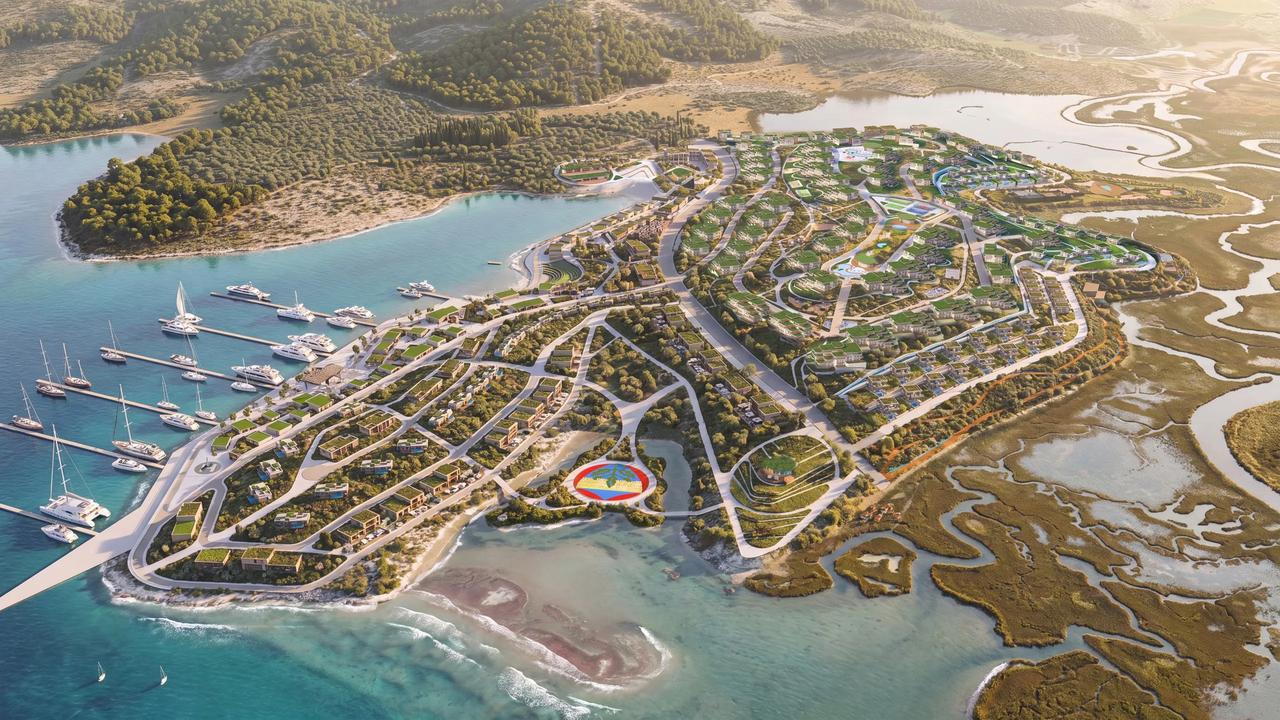
President Aziz Yildirim has also added COVE1907, or Fenerbahce Island, in Türkiye's popular Aegean holiday hotspot, Mugla's Milas district, and Meydan 1907, a mixed-use venture near the stadium. The club is not a direct investor in the project but is involved through a branding and commercial agreement with the developer.
COVE1907 is expected to generate about €150 million ($168.1 million) for Fenerbahce under its deal with Nata Holding. The 586,000-square-meter development is planned to include 1,907 homes, two hotels, commercial areas, and a 500-yacht marina.
Meydan 1907 is projected to generate about $734 million for Fenerbahce over 27 years through property sales, land rent and commercial leasing. The club is also working on a separate marina scheme off the Fenerbahce-Kalamis coast.
Yildirim said the Fenerbahce Island and marina plans will be pursued after the renovation and expansion of Sukru Saracoglu Stadium, scheduled for completion in November 2027.
Besiktas is working with Emlak Konut on the Dikilitas South scheme in Istanbul's Besiktas district, where total sales revenue is estimated at ₺17.5 billion ($355 million).
About ₺7 billion ($142 million) is projected to go to Besiktas as the landowner, while ₺2.2 billion was allocated as an advance to help reduce bank debt.
Addressing the club congress over the weekend, President Serdal Adali said part of the proceeds would be used to acquire another plot and pursue further real estate ventures, turning a one-off windfall into a longer-term revenue stream.
Black Sea club Trabzonspor, which sent shockwaves through the football world with the signing of Egyptian star Mohamed Salah during the summer transfer window, is taking a different route. Rather than cashing out its holdings, the club is focusing on long-term redevelopment and recurring rental income.
Trabzonspor transferred the 30-year permanent and independent superstructure right over its Kartal facilities in Istanbul to its football company for about ₺4 billion. The underlying land remains publicly owned, leaving the club with development and usage rights rather than outright ownership.
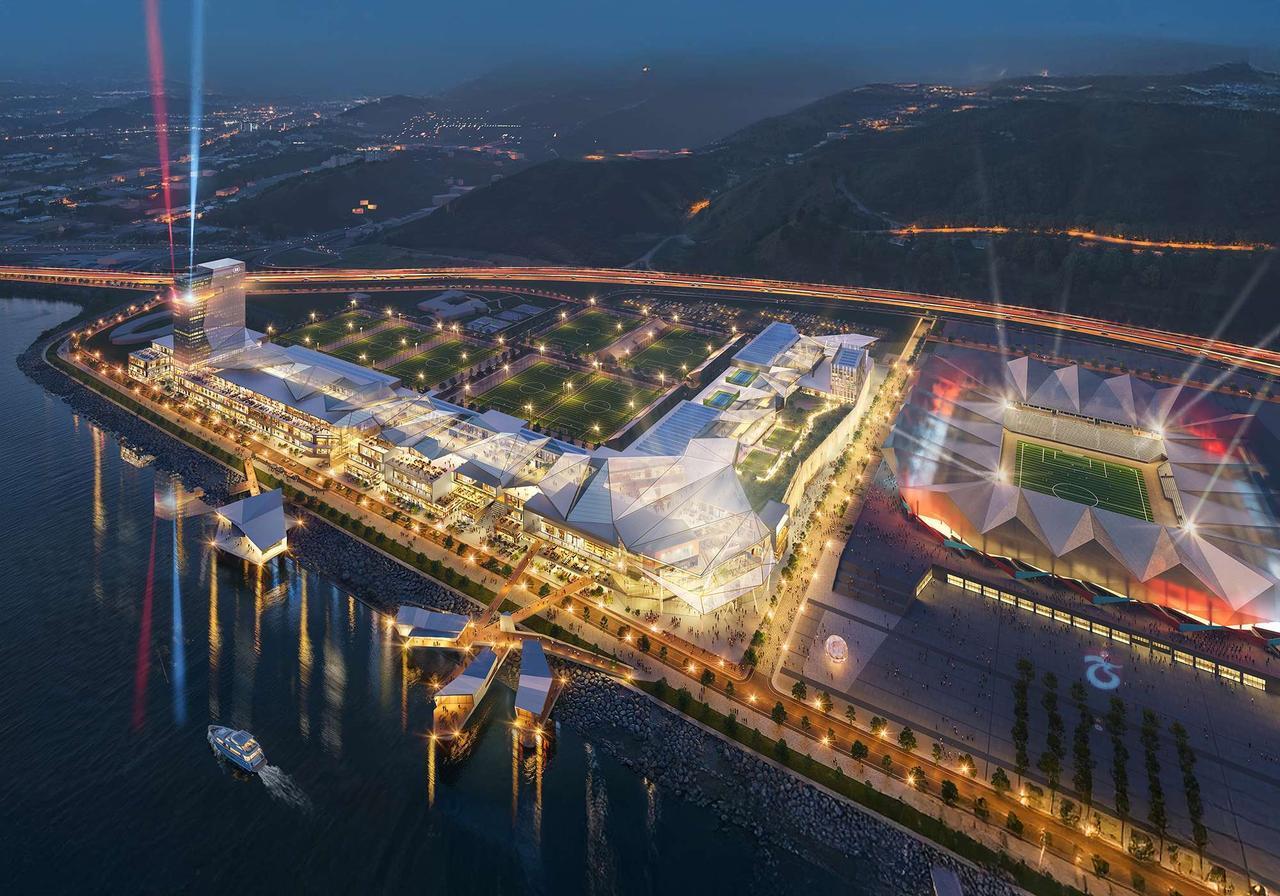
In April 2025, Trabzonspor signed a protocol with Emlak Konut to redevelop Kartal and separately agreed to work with the company on a 177,000-square-meter plot in Akyazi, near its stadium in Trabzon.
Kartal is slated to become a modern business and lifestyle center, while Akyazi is planned as a mixed-use complex covering about 105,000 square meters. President Ertugrul Dogan estimated annual returns of €12 million to €15 million from Kartal and another €10 million to €12 million from Akyazi.
The Turkish clubs' push resembles a broader trend among football giants to build year-round revenue beyond matchdays through stadiums, land and global brands. From branded residences to stadium-led entertainment districts, real estate is increasingly becoming part of football's commercial model.
Most recently, English Premier League side Chelsea partnered with Dubai-based DAMAC in April 2025 on Chelsea Residences, a branded development with over 1,400 homes.
In January 2026, Manchester City announced a similar Abu Dhabi venture, Manchester City Yas Residences by Ohana, a large waterfront community built around the club's brand. In both cases, developers build and finance the properties while the clubs contribute their brands.
Earlier, clubs focused more heavily on their stadiums and surrounding districts. Juventus launched its J-Village real estate fund in August 2015 to redevelop the Continassa area around Allianz Stadium, bringing together football facilities, a hotel, offices, and other commercial uses.
Real Madrid began the transformation of the Santiago Bernabeu in June 2019, with the redevelopment now largely complete.
Stadium revenue climbed above €363 million in 2025-26, while the club's total revenue reached a record €1.2 billion.
Barcelona received approval for its Espai Barca financing in 2020-21, with construction beginning in June 2023. The €1.5 billion redevelopment is designed to generate about €247 million in additional annual revenue through hospitality, sponsorship, events, and other commercial activities.
However, the model embraced by Turkish clubs focuses more on unlocking land value, particularly through housing developments, by cashing in on their property holdings.
A similar approach was seen in Arsenal's redevelopment of its former home, Highbury. After leaving the stadium in 2006, the club directly redeveloped the site through its property subsidiaries, converting it into Highbury Square, a residential complex with over 650 apartments while preserving parts of the historic stands and former pitch.


 Set as preferred source
 Set as preferred source


 4 min read