Newsletters


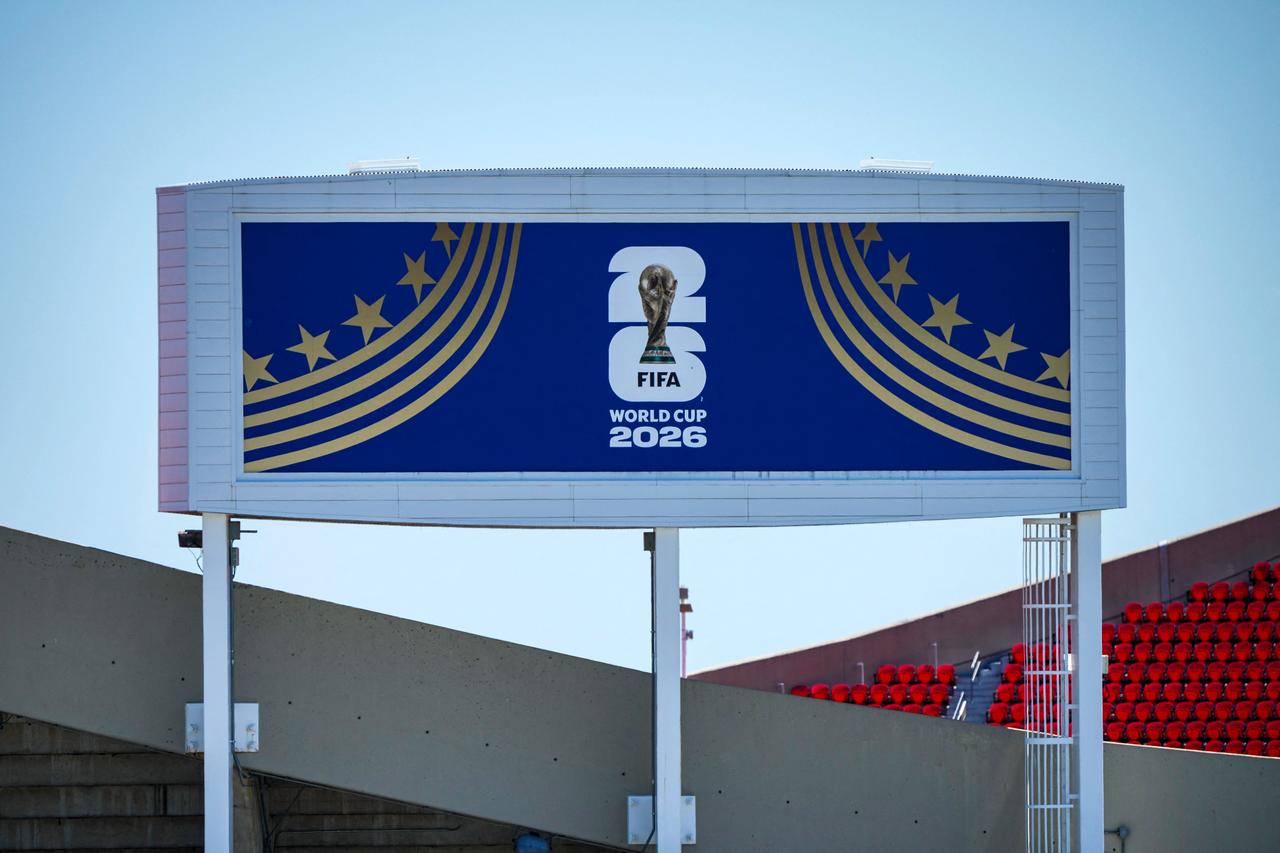


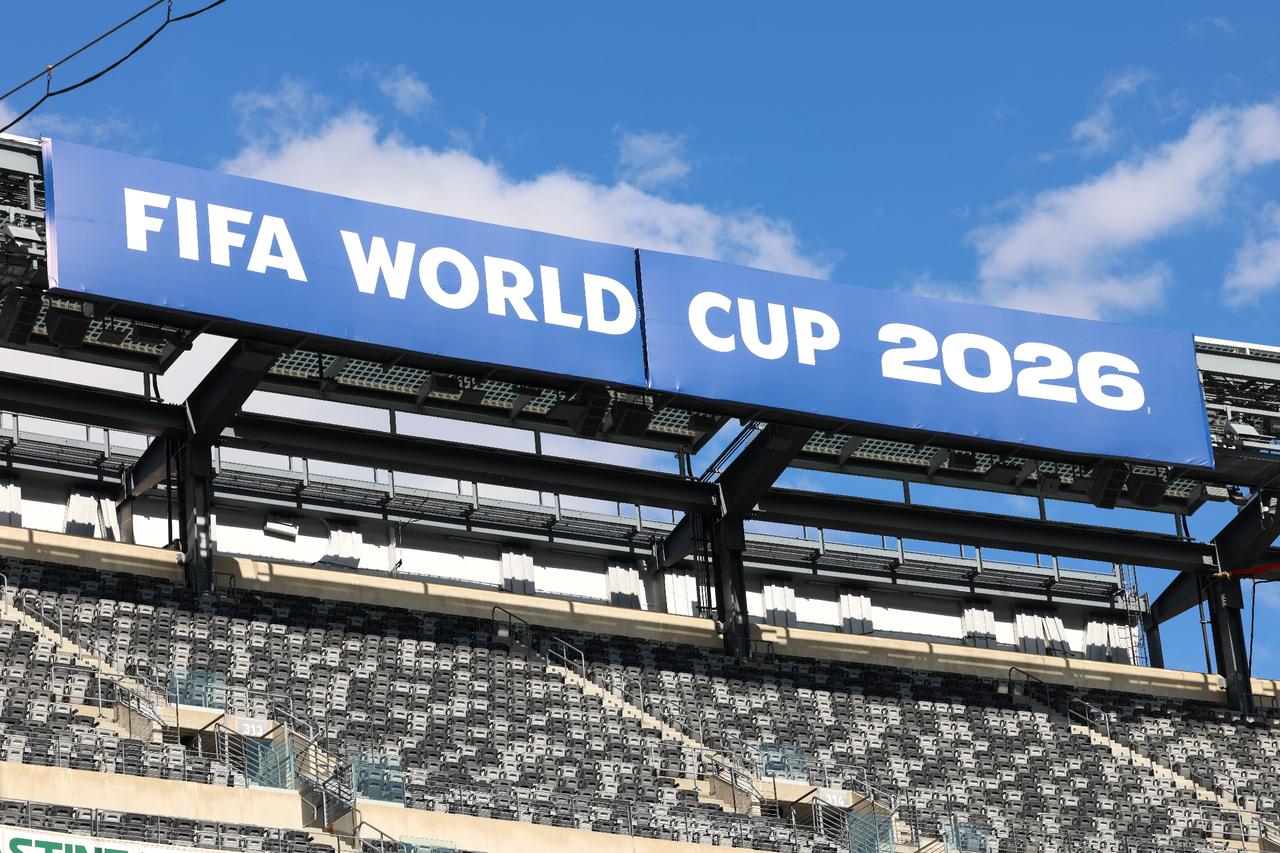
The countdown to the 2026 FIFA World Cup has begun, with the tournament set to bring in a new chapter for international football through an expanded format, artificial intelligence-backed broadcasting tools and fan-focused digital experiences.
Jointly hosted by the United States, Canada and Mexico, the tournament is expected to stand out not only for being spread across three countries but also for introducing a series of firsts aimed at reshaping how football is played, watched and experienced.
For the first time in World Cup history, 48 national teams will take part in the competition, up from the previous 32-team format. The change will also increase the number of matches from 64 to 104, significantly expanding the scale of the tournament.
Under the new structure, teams will be divided into 12 groups of four. The top two teams from each group, along with the best third-placed sides, will move on to the knockout rounds.
FIFA is seeking to make the tournament more global by opening the door to greater participation from different regions. The wider format is also expected to increase the commercial scale of the competition through higher broadcasting revenues, sponsorship agreements and digital content opportunities.


The opening match of the 2026 World Cup will be held at Mexico’s Estadio Azteca, making the venue the first stadium to host matches in three separate World Cups after 1970 and 1986.
FIFA is also preparing separate “global opening” events across the three host nations, with music expected to play a major role in the celebrations.
The opening ceremony in Mexico City on June 11 is set to feature performances by Latin music artists Mana, Alejandro Fernandez and Belinda.
Canada’s ceremony, scheduled for June 12 in Toronto, will bring together Michael Buble, Alanis Morissette and Alessia Cara.
Meanwhile, the largest show is expected to take place at Los Angeles’ SoFi Stadium, where Katy Perry, Future, Anitta and K-pop star Lisa are expected to perform. Lisa is reportedly scheduled to take the stage around 90 minutes before kickoff, becoming the first K-pop artist positioned as the face of the World Cup’s U.S. opening event.
Alongside the entertainment plans, Shakira is expected to continue playing a leading role in FIFA’s official music campaign. Her song “Dai Dai,” recorded with Nigerian artist Burna Boy for FIFA 2026, is expected to be released on May 14.
Another new feature introduced ahead of the tournament is the “Debut Patch,” a special shirt badge designed for players appearing at a World Cup for the first time.
The badge is intended to mark debut tournament appearances, particularly for younger stars, while also linking up with collectible merchandise and digital sports card initiatives.
Players such as Erling Haaland and Spain’s young talent Lamine Yamal are expected to be among the prominent faces of the initiative.
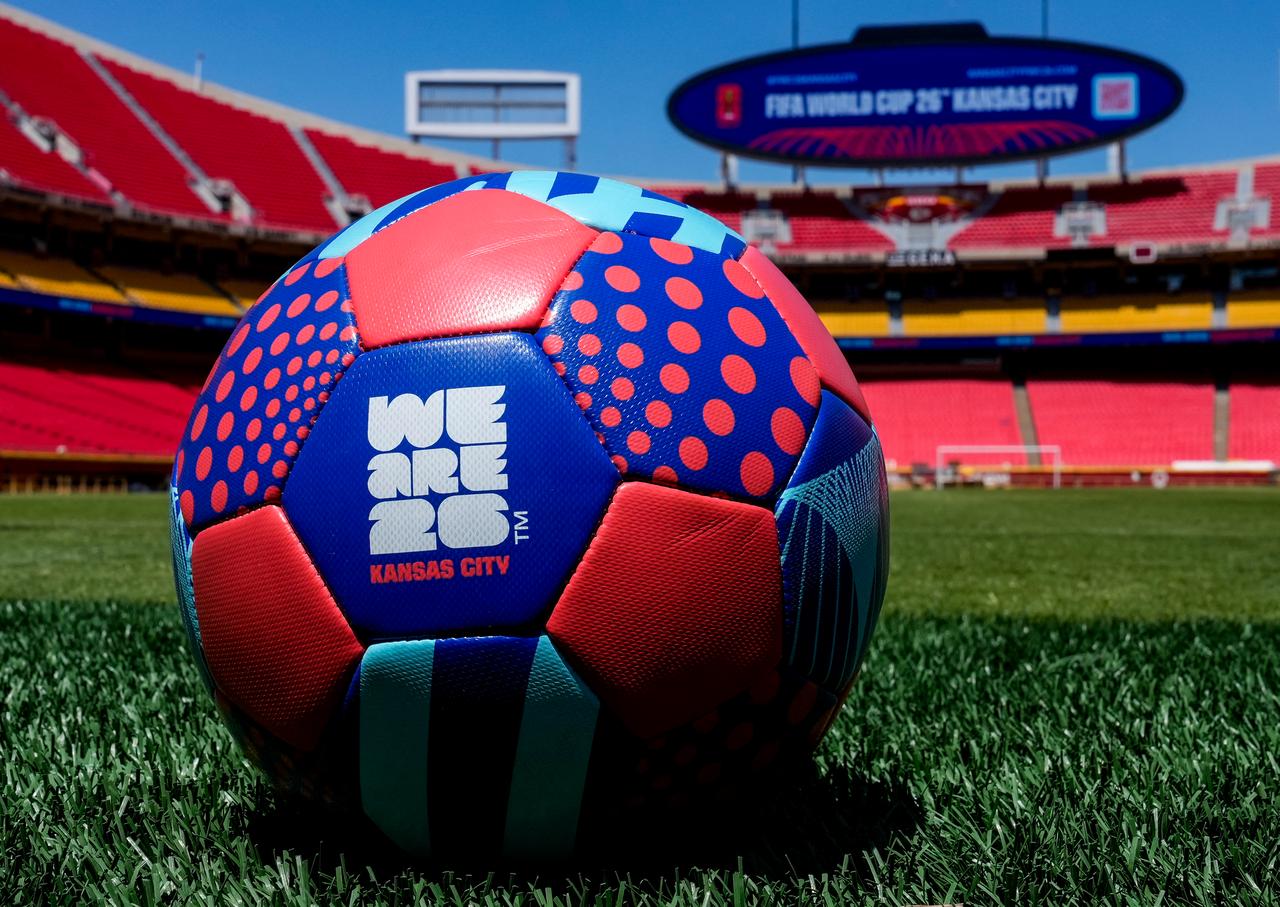
Technology is expected to play a larger role than ever at the 2026 World Cup.
As part of the semi-automated offside system, specially placed stadium cameras will track player movements in real time. The AI-supported system will analyze body positions, including limbs and feet, in three dimensions and display offside decisions through digital animations within seconds.
On the broadcasting side, FIFA is also planning to roll out an AI-powered “referee perspective” feature, allowing viewers to follow controversial moments from the match official’s point of view.
Fan engagement is also expected to step up through augmented reality (AR) features on the FIFA+ platform. Supporters inside stadiums are expected to be able to point their phones toward the pitch and instantly view live player statistics, including speed, passing accuracy and running distance.
FIFA is also preparing sustainability and human rights plans for each of the tournament’s 16 host cities.
To cut down on long-distance travel and reduce carbon emissions, the match schedule is expected to be arranged regionally so teams can play in nearby cities throughout the tournament whenever possible.


 Set as preferred source
 Set as preferred source


 1 min read

 1 min read