Newsletters


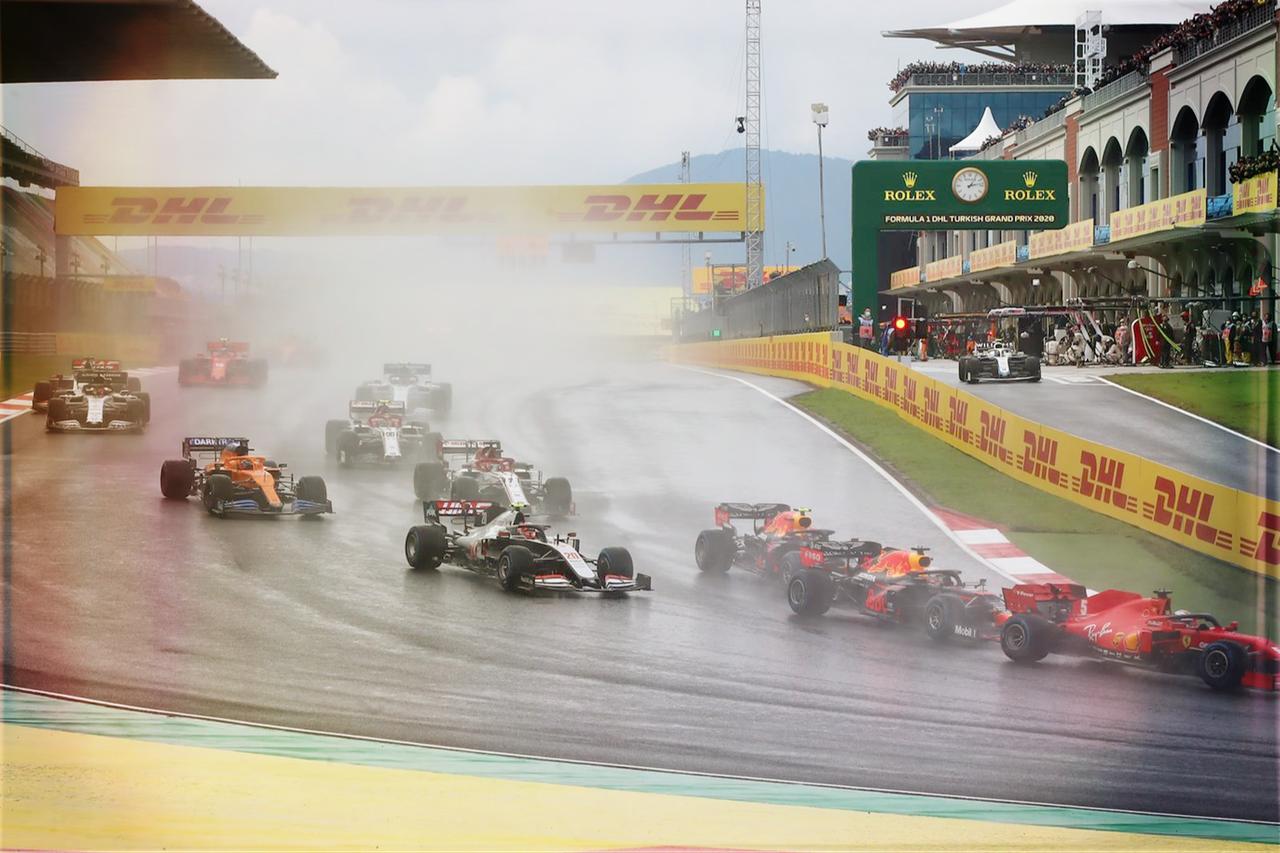


Istanbul Park is set to return to the Formula 1 calendar from the 2027 season under a five-year agreement that will keep the Turkish Grand Prix on the schedule through the end of the 2031 season.
The Türkiye Automobile Sports Federation (TOSFED) will serve as the local organizer of the event.
President Recep Tayyip Erdogan formally announced the agreement at the Formula 1 Türkiye Grand Prix Launch Program at the Presidential Dolmabahce Working Office, with Formula 1 Chief Executive Officer Stefano Domenicali in attendance.

The new deal addresses the multibillion-dollar added value the races are projected to generate for the Turkish economy and tourism sector, as well as the contribution the event series is expected to make to Istanbul's brand value.
Modernization of the Istanbul Park circuit is being planned, the renewal of social facilities, and "green event" projects aligned with F1's global sustainability targets were also presented.
The process is being coordinated by the Ministry of Youth and Sports.
Red Bull Racing driver Yuki Tsunoda marked the occasion with a demonstration run in a Formula 1 car through the streets of Istanbul, driving from Galataport to Dolmabahce along the Bosphorus, bringing the sound and spectacle of F1 into one of the city's most historic settings.
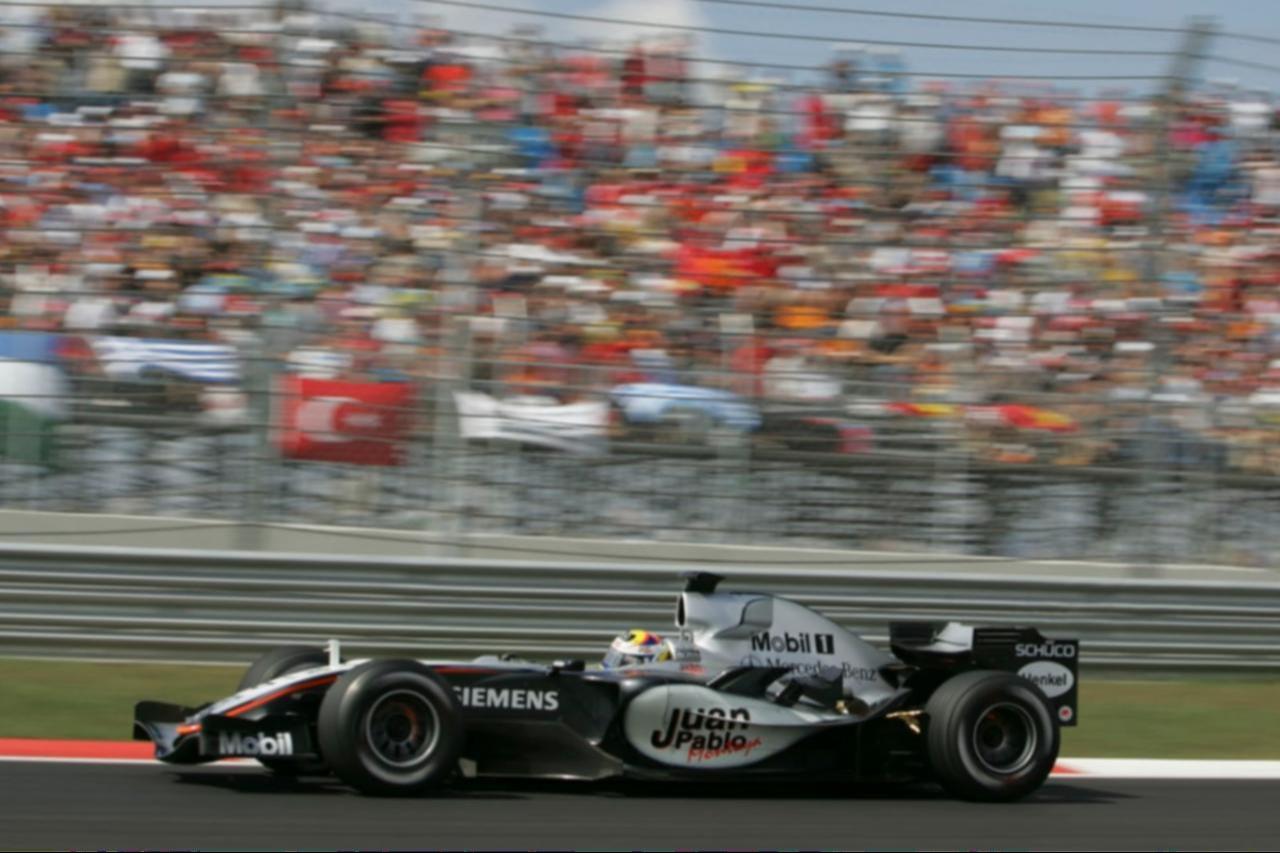
Istanbul Park first welcomed Formula 1 in 2005, when Finnish driver Kimi Raikkonen claimed victory for McLaren-Mercedes ahead of Fernando Alonso and Juan Pablo Montoya.
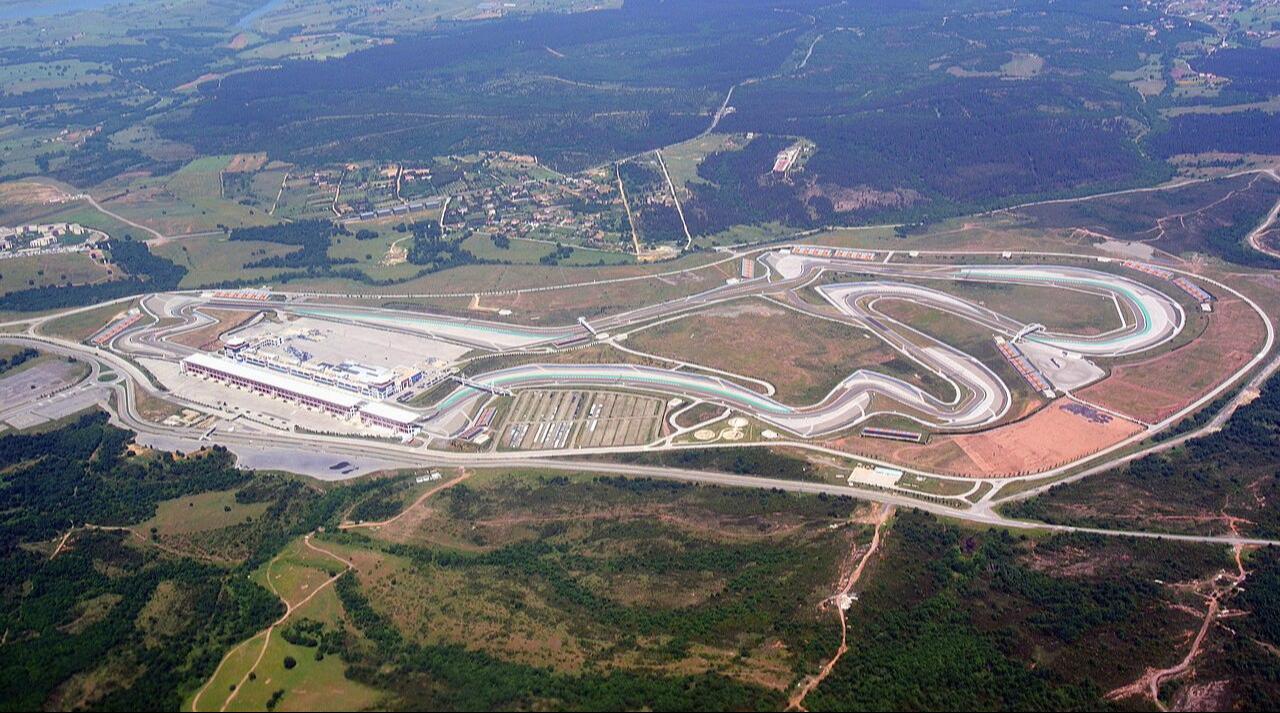
The circuit, designed by German engineer Hermann Tilke and carved into the hills on the Asian side of the city, was immediately recognized as one of the most technically demanding venues on the calendar.
Juan Pablo Montoya set the outright lap record that year with a time of 1:24.770, a mark that still stands.
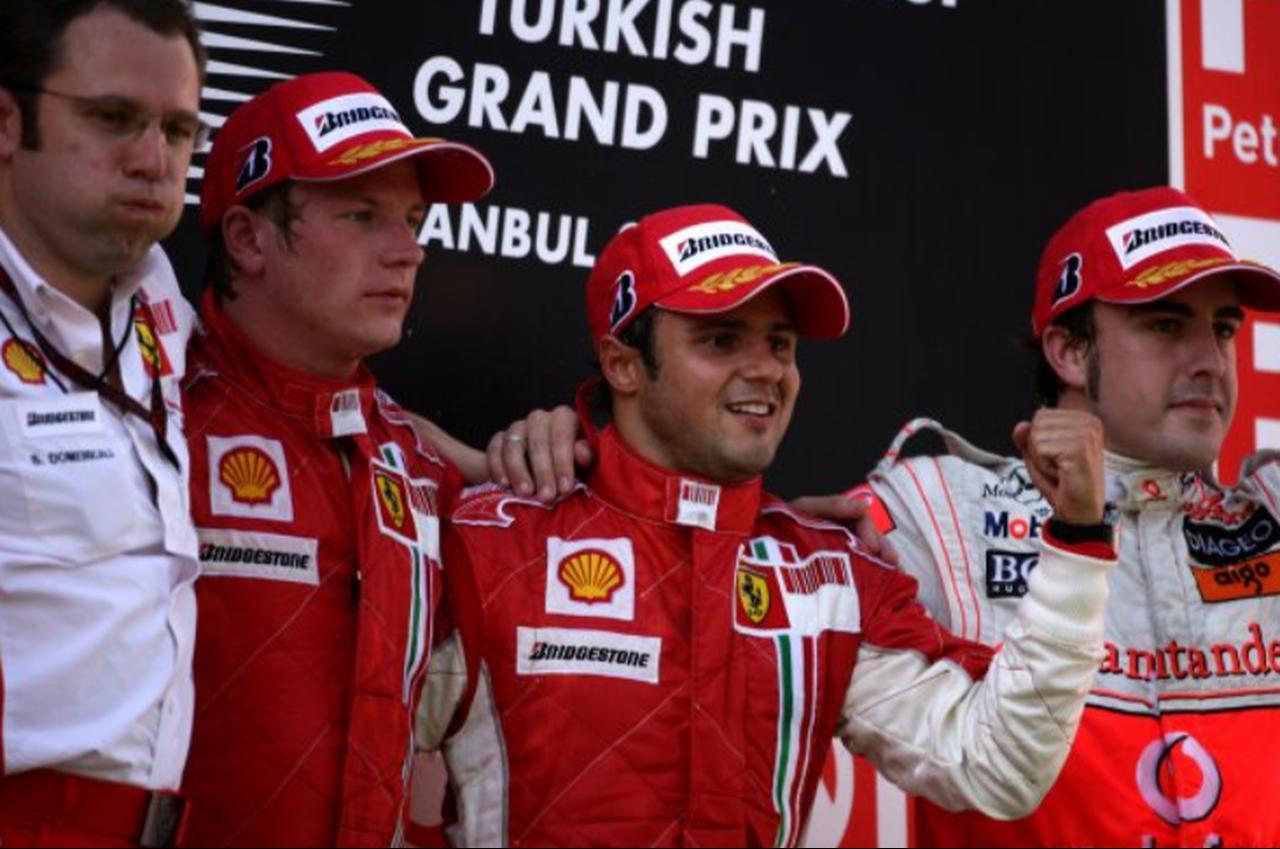
The years that followed belonged to Brazilian driver Felipe Massa. Racing for Ferrari, Massa won three consecutive Turkish Grand Prix titles between 2006 and 2008, a record that remains unmatched at the circuit.
His victories came in dominant fashion, and the Istanbul Park grandstands became a regular backdrop for Ferrari celebrations.
The 2010 race delivered one of the most discussed incidents in F1 history, when Red Bull Racing teammates Sebastian Vettel and Mark Webber collided at Turn 11 while fighting for the lead.
Vettel's race ended on the spot with a puncture. Webber continued with front wing damage and finished third.
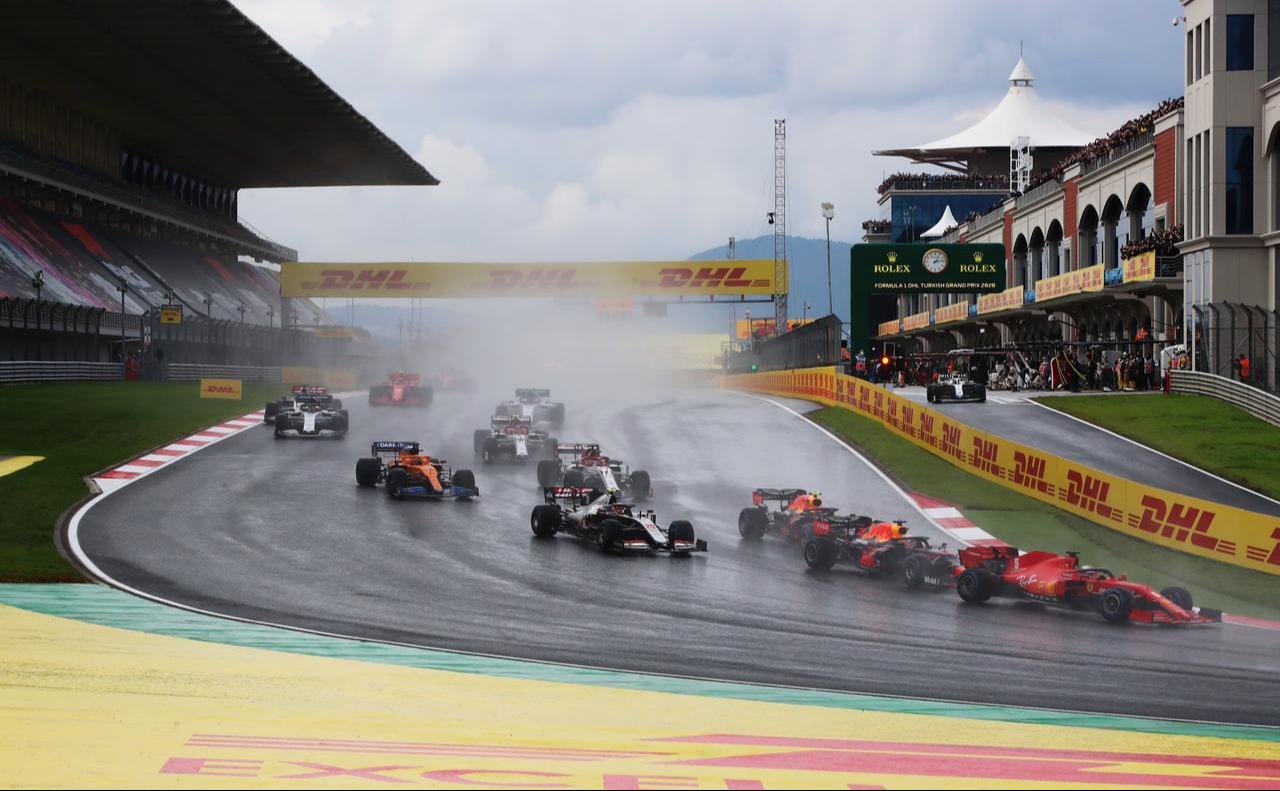
Formula 1 returned to Istanbul Park in 2020 after a nine-year absence, brought back as a replacement venue during the COVID-19 pandemic.
The track had been resurfaced only days before race weekend, leaving a surface drivers described as exceptionally slippery.
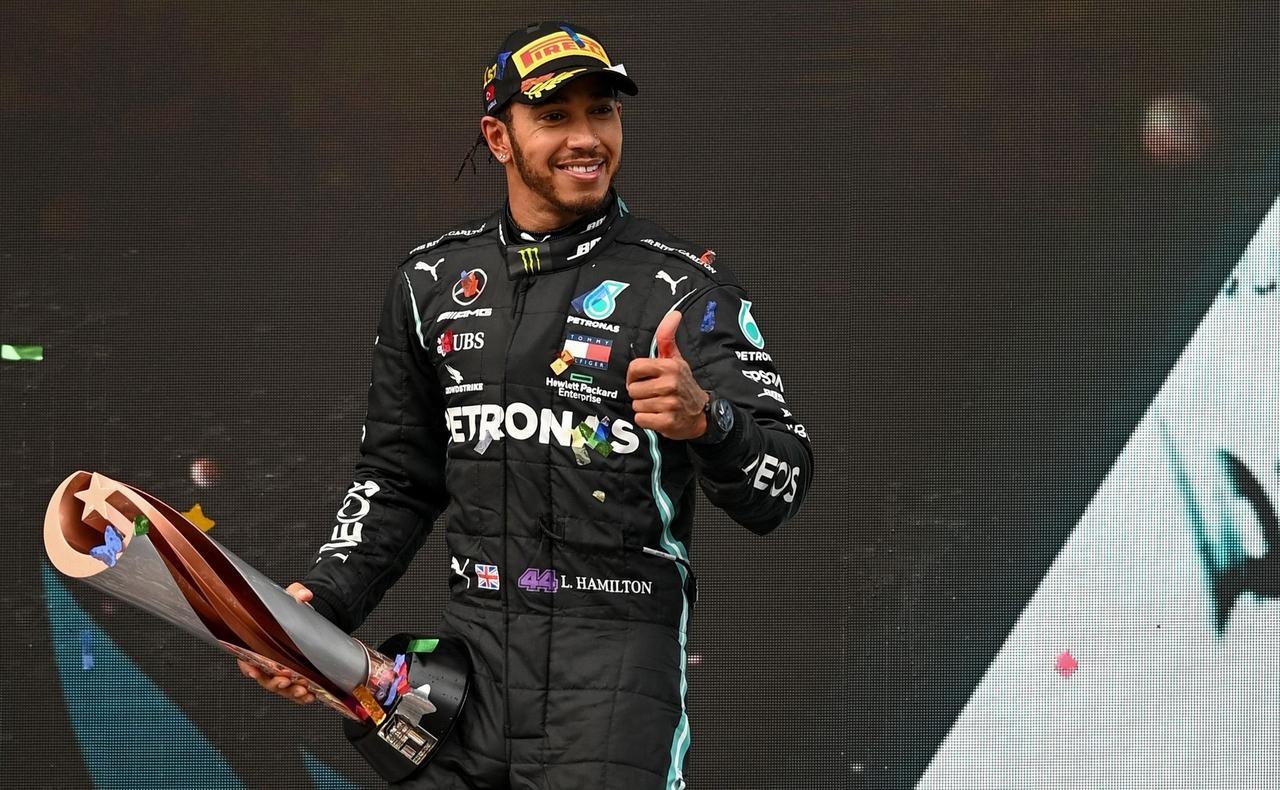
Lewis Hamilton, starting sixth, navigated the difficult conditions to win the race and secure his seventh world championship title, equaling Michael Schumacher's all-time record.
The 2021 race, won by Valtteri Bottas, proved the 2020 return was no anomaly. Istanbul Park had demonstrated once again that it could produce racing of the highest order.
The case for Istanbul Park's permanent return rests on market size, location and infrastructure.
Türkiye's 85 million population, annual car sales exceeding one million and the circuit's Grade 1 FIA license and 125,000-spectator capacity give the venue strong commercial foundations.
Officials have pointed to a potential September race date running back-to-back with the Azerbaijan Grand Prix in Baku as a logistical advantage, while the proposed five-year deal is designed to secure a stable position within F1's new rotational calendar system.
Turkish Formula 1 fans have stayed active on social media since the last race at Istanbul Park, regularly calling for the sport's return on F1's official platforms.
This strong fan interest began during the circuit's early years and has lasted even without races.
Both Turkish and F1 officials recognize this unique regional support as a key reason for bringing the race back.


 Set as preferred source
 Set as preferred source


 2 min read