Newsletters


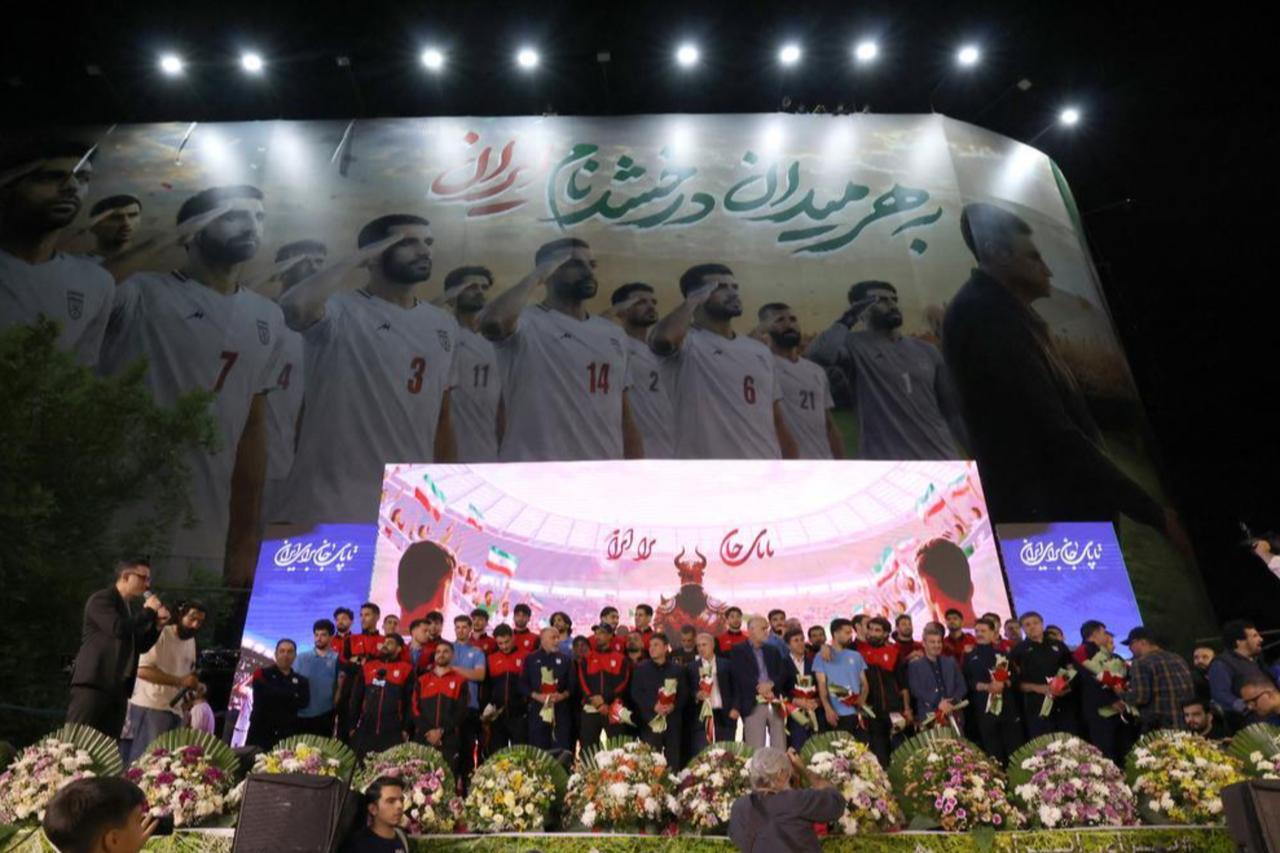


Iran qualified for the 2026 FIFA World Cup in March 2025, marking its fourth consecutive appearance and reinforcing its status as one of Asia’s top football nations.
The months that followed were marked by diplomatic tensions, military conflict, and administrative uncertainty, resulting in one of the most complex World Cup preparations to date.
The team’s opening match against New Zealand in Los Angeles on June 15 follows a journey through Türkiye, a border city in Mexico, and ongoing visa disputes that persisted until days before kickoff.
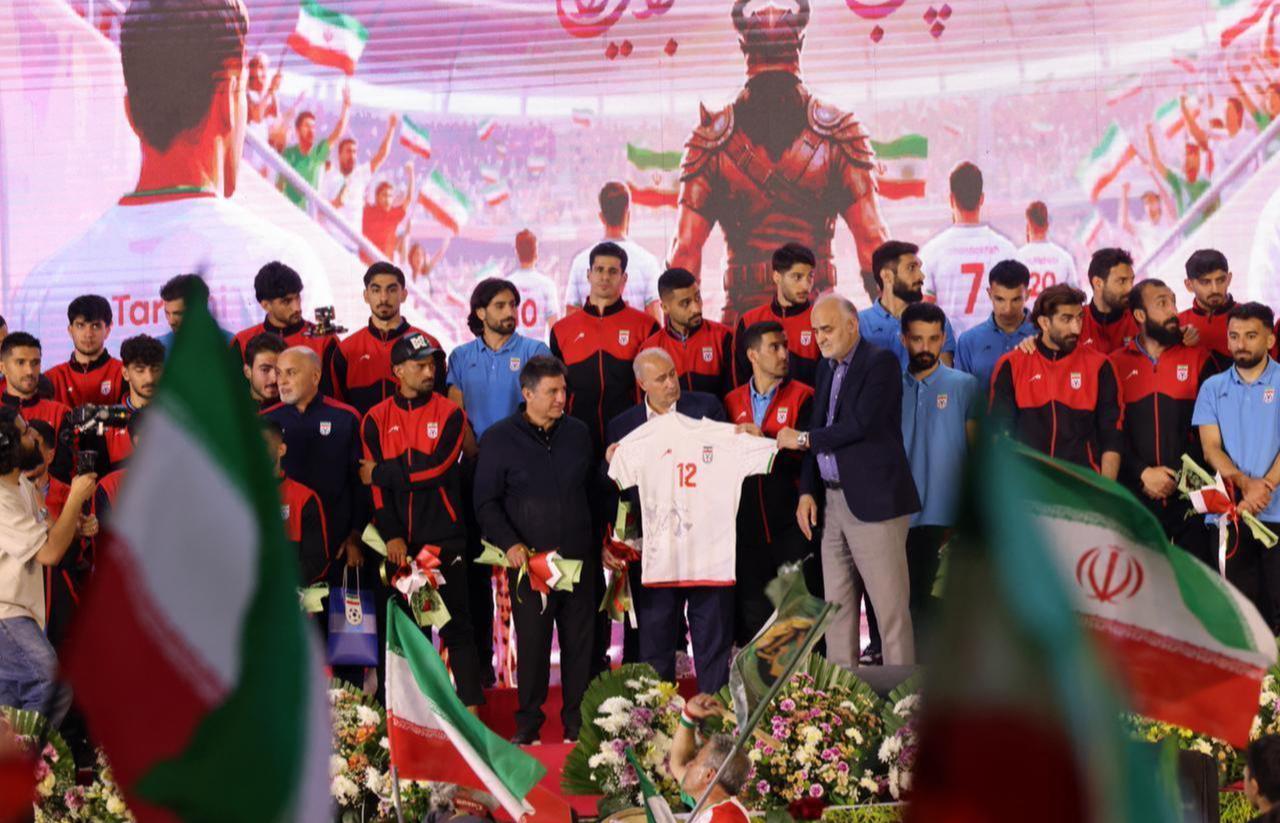

Iran’s qualification for the expanded 48-nation tournament was secured before the conflict that later defined its path to the United States
However, within months, the geopolitical situation changed significantly. On Feb. 28, the United States and Israel launched airstrikes on Iran, leading to open conflict.
A ceasefire began on April 8, but ongoing drone activity and threats kept the situation unstable as the tournament neared.
Amid these challenges, Iran Football Federation President Mehdi Taj announced in March that the team would proceed with World Cup preparations. "We will be preparing for the World Cup.
We will boycott the United States but not the World Cup," Taj told the Iranian news agency Fars.
The federation also requested that FIFA relocate Iran’s group stage matches, all scheduled in the United States, to co-hosts Mexico or Canada.
FIFA denied these requests and confirmed the schedule would not change.
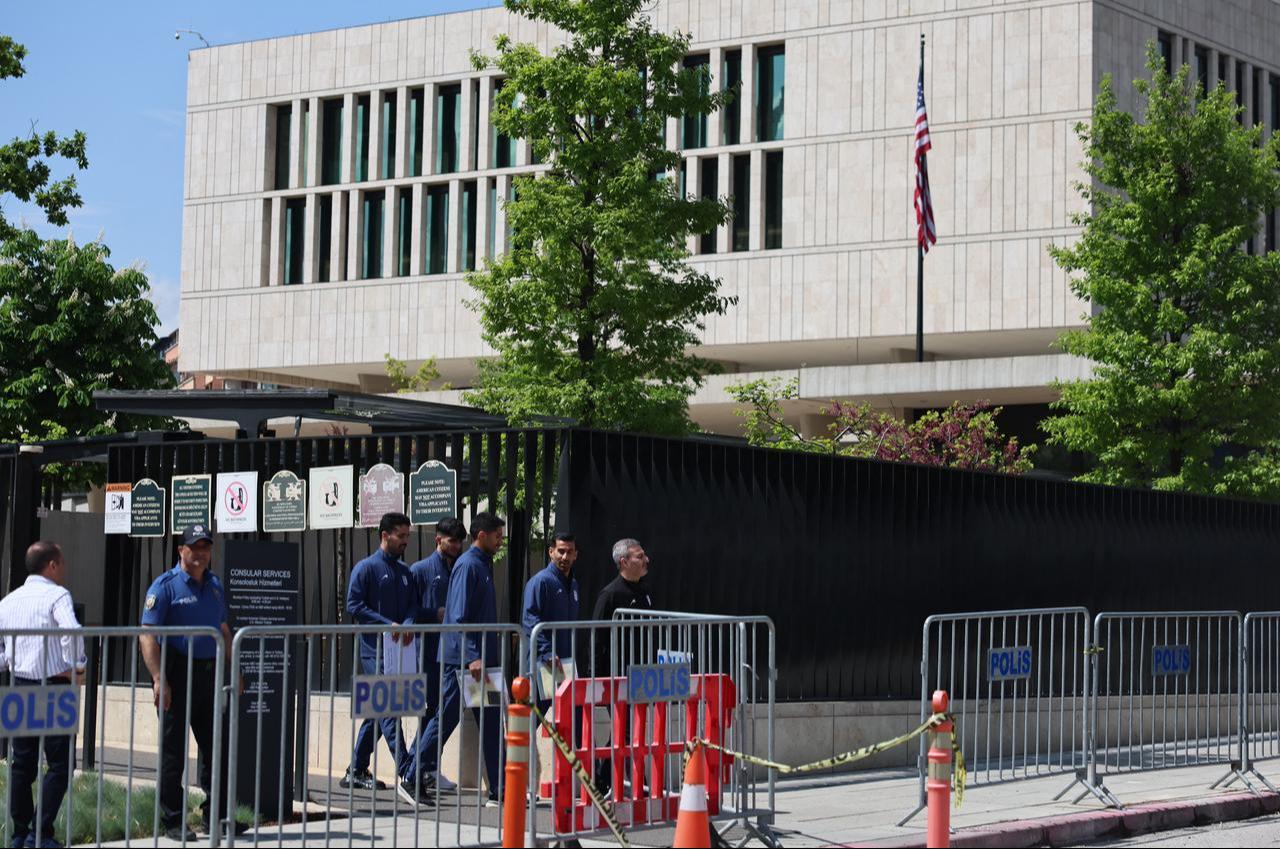
Since Iran and the United States have had no diplomatic relations since 1980, the squad could not process visa documents at home.
The team traveled to Antalya, Türkiye, on May 19, establishing a training camp and processing U.S. visa applications at the American Embassy in Ankara.
Head coach Amir Ghalenoei confirmed that the Antalya camp was primarily for visa processing. By late May, Taj reported to Iranian media that no visas had been issued.
The federation urged FIFA to help secure multiple-entry visas, as the squad needed to travel between its base in Mexico and U.S. match venues.
'FIFA is expected to deliver a multiple-entry visa so that the players can enter (the United States) and return (to Mexico),' Taj said.
The Antalya camp included a 3-1 win over Gambia on May 29 and a 2-0 victory over Mali on June 5. Squad members also traveled to Ankara to submit visa applications at the U.S. and Canadian embassies.
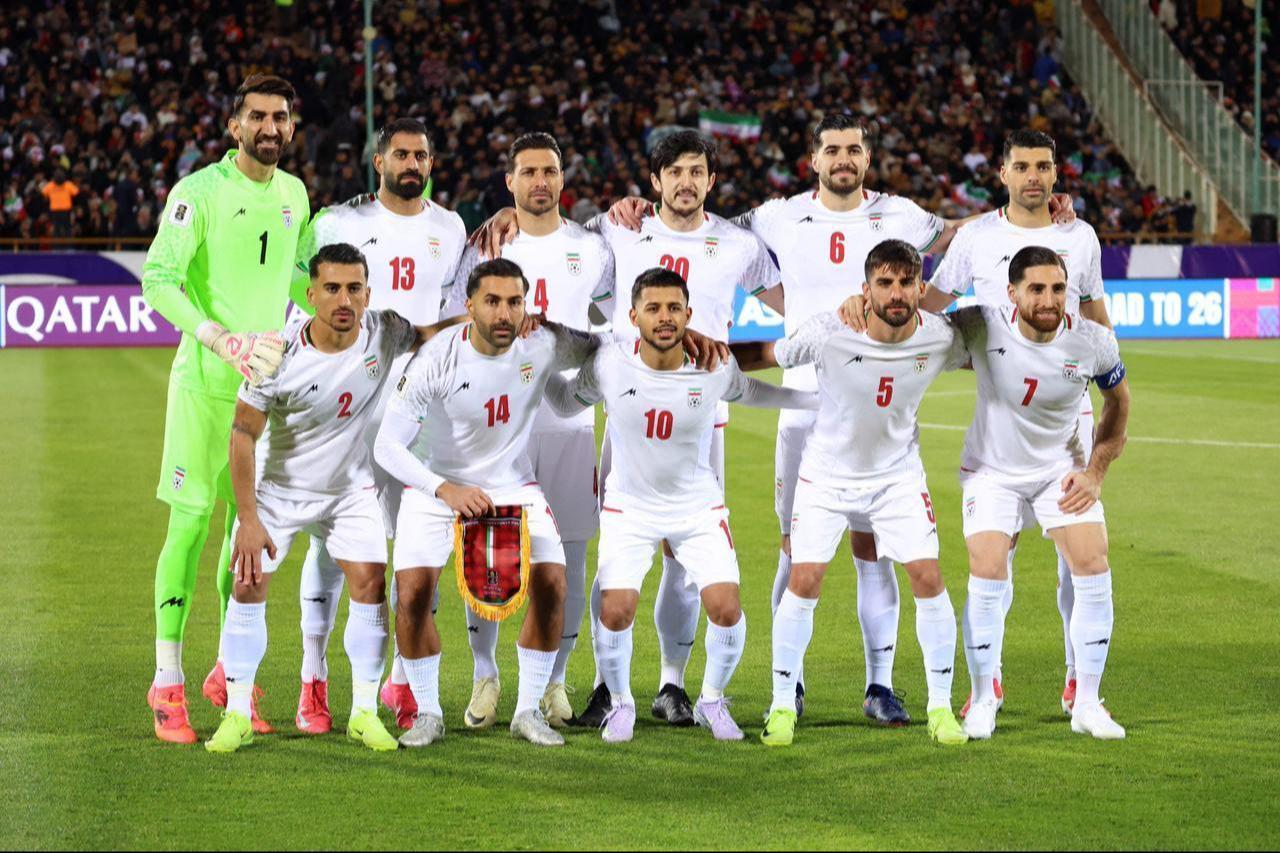
Iran initially planned to base its team at a sports complex in Tucson, Arizona, but abandoned these plans due to escalating visa issues and security concerns.
The team moved its base to the Centro Xoloitzcuintle facility in Tijuana, Mexico, enabling the squad to cross into the United States by land on match days and return to Mexico after each game.
Players received Mexican visas in early June after consultations between the Mexican Embassy in Ankara and Iran’s ambassador to Türkiye, Mohammad Hassan Habibollahzadeh.
The visas were processed within 48 hours without requiring players to appear in person, resolving a key administrative concern for the federation.
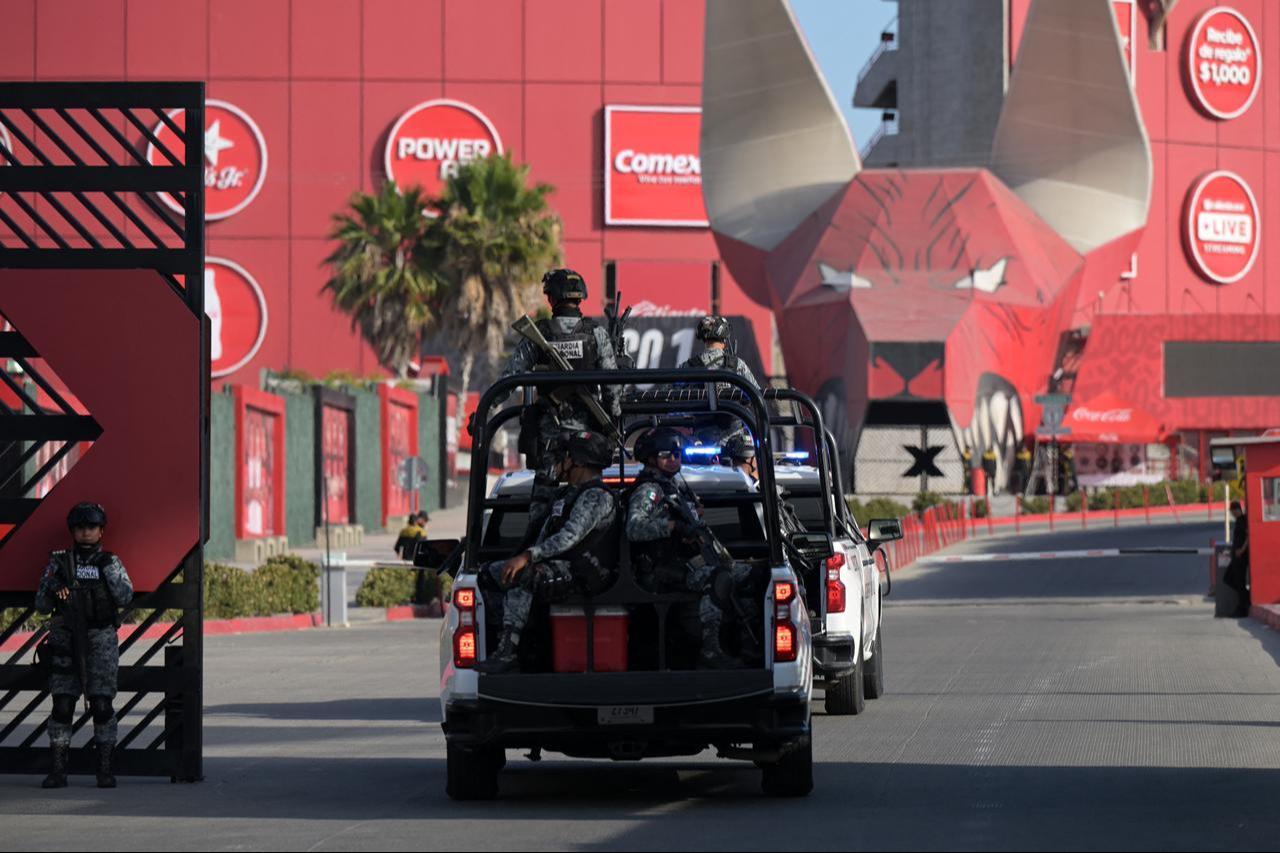
U.S. visas for players were issued on June 6, as confirmed by U.S. Ambassador to Türkiye Tom Barrack. However, Iran’s embassy in Türkiye announced the same day that visas were denied to a "large portion of the managerial and executive staff, technical advisers, and others who are an integral part of any national football team."
Iranian state media reported that at least 14 officials and staff, including federation president Taj, the media director, and the secretary-general, were denied entry.
Taj, a former member of the Islamic Revolutionary Guard Corps (IRGC), had also been denied entry for the World Cup draw in Washington in December 2025.
U.S. Secretary of State Marco Rubio outlined the administration’s position at a Senate Foreign Relations Committee hearing.
"What we're not going to allow is for them to embed in their delegation a bunch of people that we know have nothing to do with athletics," Rubio said.
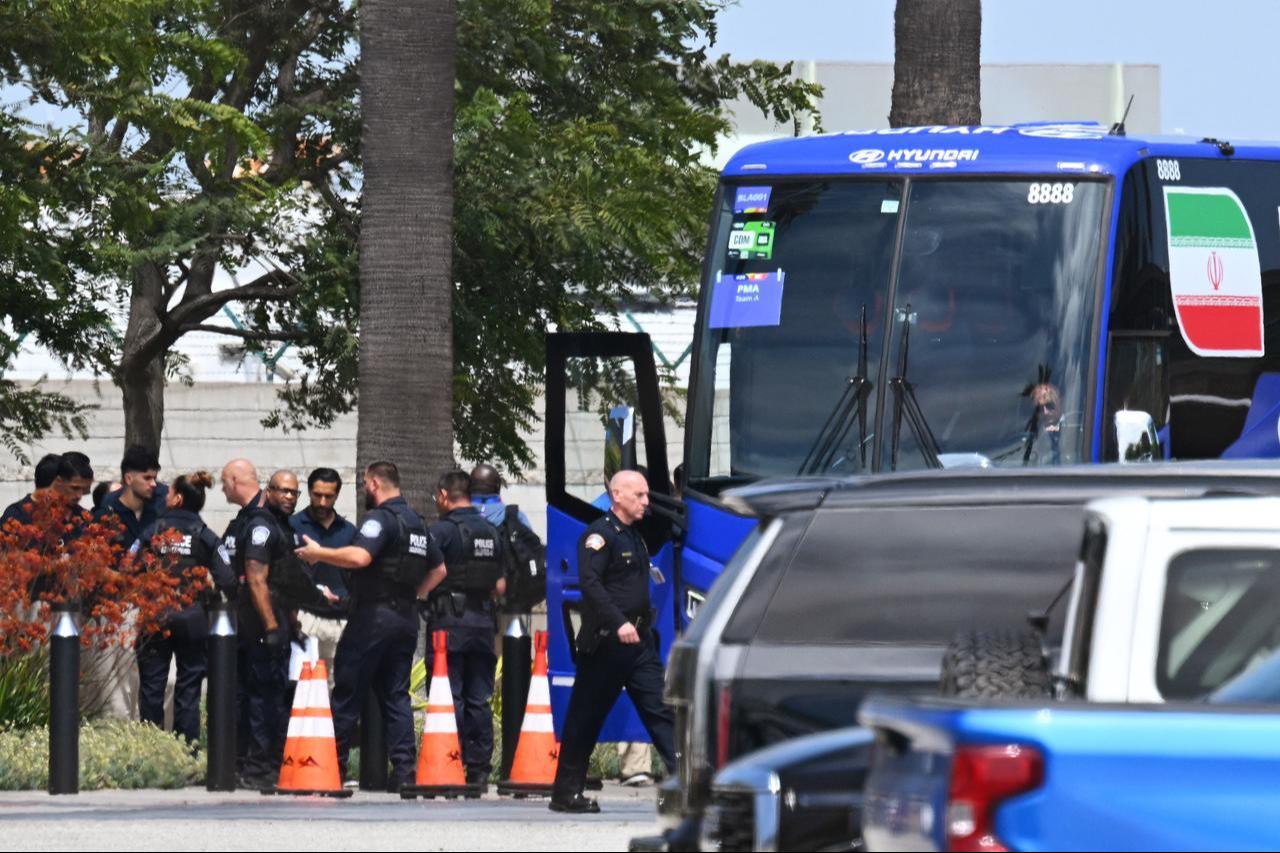
Iran’s ambassador to Mexico, Abolfazl Pasandideh, confirmed the terms of participation. Although players received U.S. entry clearance, the arrangement limited the team to crossing from Tijuana on match days and returning to Mexico afterward.
"Sport and the World Cup were created to bring nations closer together. But we are not witnessing that right now," Pasandideh said. "We aren't participating in the World Cup on equal terms."
The squad left Antalya on June 7, traveling via Spain and arriving in Tijuana on Sunday morning.
The Mexican National Guard provided security at the team’s hotel and training facilities, escorting the delegation between accommodations and Caliente Stadium for training sessions.
Iran, in its seventh World Cup appearance, is in Group G with Belgium, Egypt, and New Zealand.
The team opens against New Zealand on June 15 at SoFi Stadium in Inglewood, California, faces Belgium at the same venue on June 21, and concludes the group stage against Egypt in Seattle on June 26.


 Set as preferred source
 Set as preferred source



 3 min read