

 Newsletters


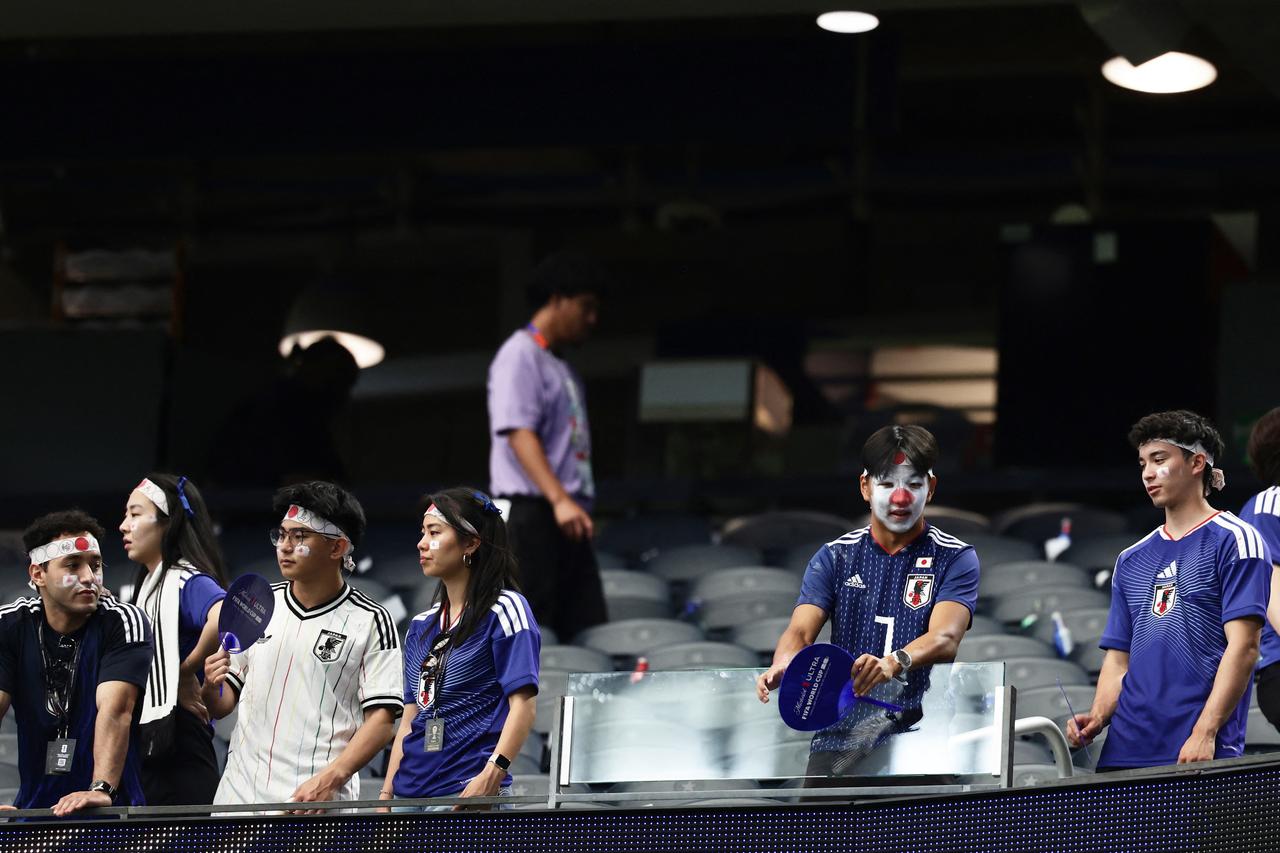


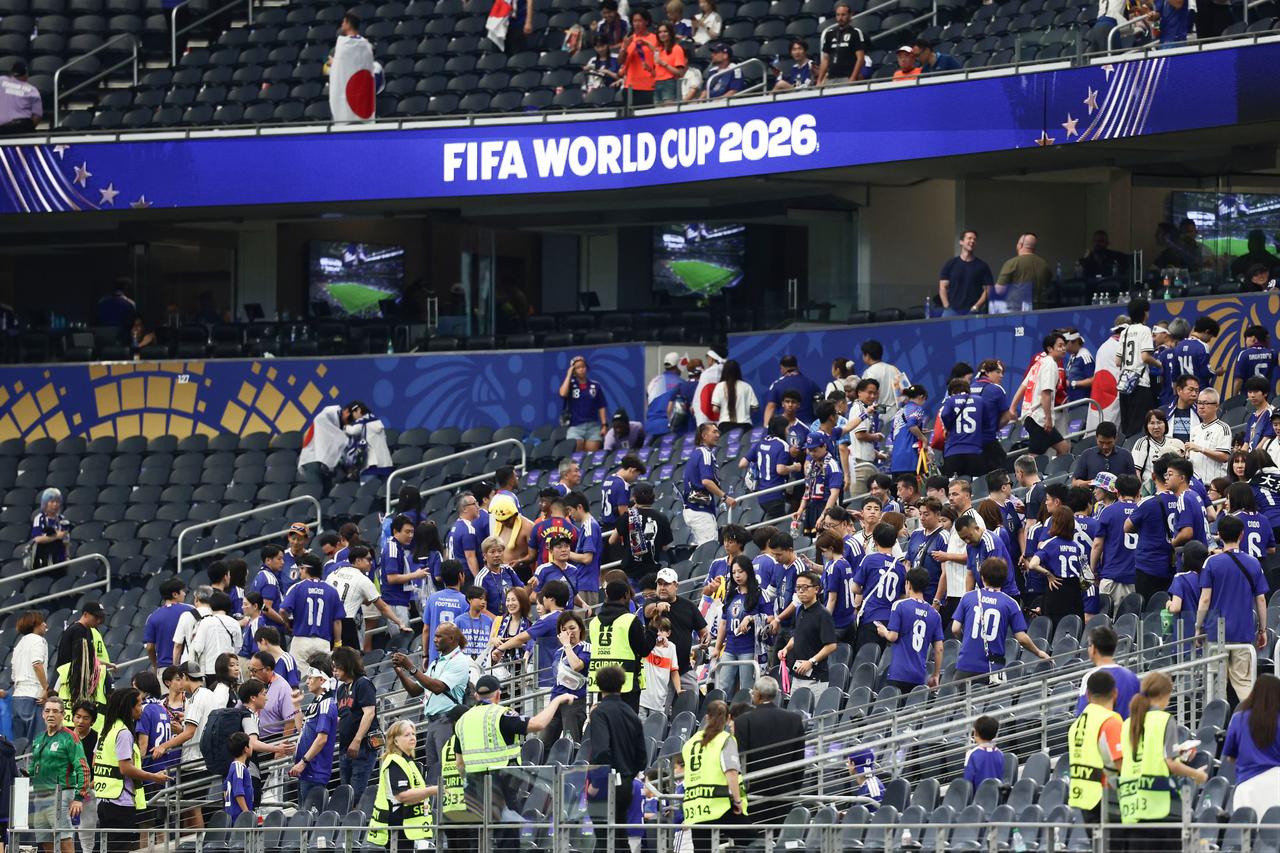
Once again, Japan fans drew international attention at the 2026 FIFA World Cup. After their opening match against the Netherlands in Arlington, Texas, they stayed behind to pick up litter, leaving the stadium spotless.
After Sunday's 2-2 draw, spectators carefully picked up rubbish and put it into blue plastic bags before leaving. This behavior has long been associated with Japanese supporters at major tournaments and is now a well-known trait among their football fans.
Fan Eita Tanaka, 20, said this habit comes from values learned at school. "Japanese people think that when we use a certain place, we were told that you have to make that place look tidier when you leave than it was when you arrived," he said. He added that students clean their classrooms without being told by teachers.
Another fan, Futo Hagiwara, said this habit reflects their national identity. "This is our culture, that means everywhere we go we need to clean it after ourselves, it's our spiritual way, our attitude," he said.
NFL quarterback Jameis Winston also joined the clean-up, wearing a blue Japan shirt with his name on the back.

Sociologist and philosopher Masachi Ohsawa offered an academic view, suggesting that this behavior stems from a strong sense of small-scale social obligations rather than larger civic concerns.
"While Japanese people tend not to take much interest in justice on a large scale, such as global inequality, conflict or climate change, they are extremely sensitive to moral considerations on a smaller scale," he said.
Ohsawa said the clean-up habit stems from a cultural idea called "reading the air," an unspoken social pressure to follow what others do.
"In Japan, even if one person starts picking up litter, those around them feel they simply cannot help but join in," he said. "That's because if they don't, the people they are with will think they are a bad person."
He added that the main reason is not just to keep places clean, but to avoid being seen negatively by others in their group.
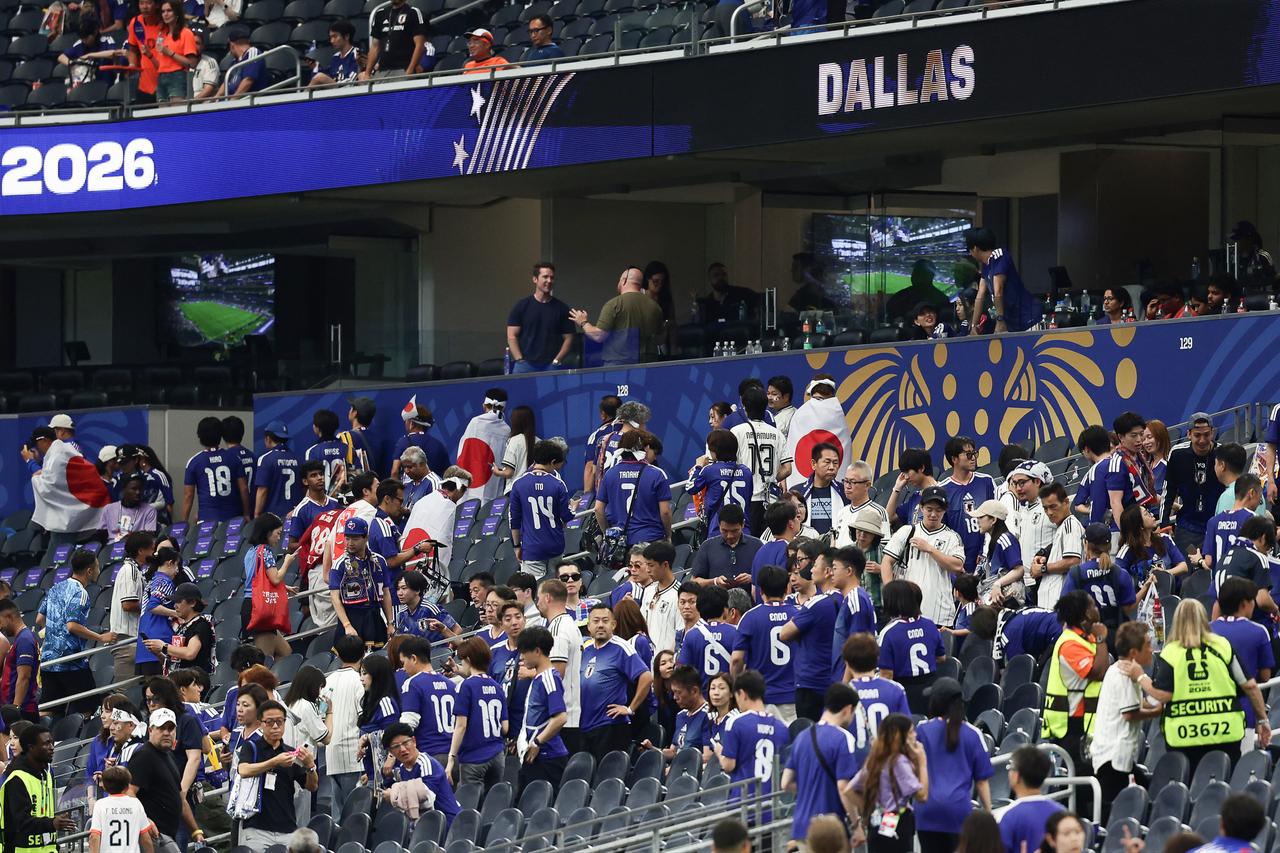
Cleaning is an organized part of Japanese education. Children have daily chores at school, like scrubbing floors and tables. Public waste bins are rare, so people are expected to take their rubbish home and sort it for disposal.
Scott North, emeritus professor of sociology at the University of Osaka, compared Japan's neighborhood cleaning groups to the behavior of football fans. "Since everyone comes together, there's an expectation that they'll act as a group," said North, an American who has lived in Japan for about 40 years. "And when the leaders break out the bags and say here you go, nobody is going to say no."
Japan is playing in its eighth straight World Cup. Its next group-stage match is against Tunisia in Mexico on Saturday.
Hagiwara said that fans try to lead by example, not just at the stadium. "We usually don't tell children they should do it," he said. "We just show our actions and behavior, and other people follow."


 Set as preferred source
 Set as preferred source


 2 min read






 1 min read


