Newsletters


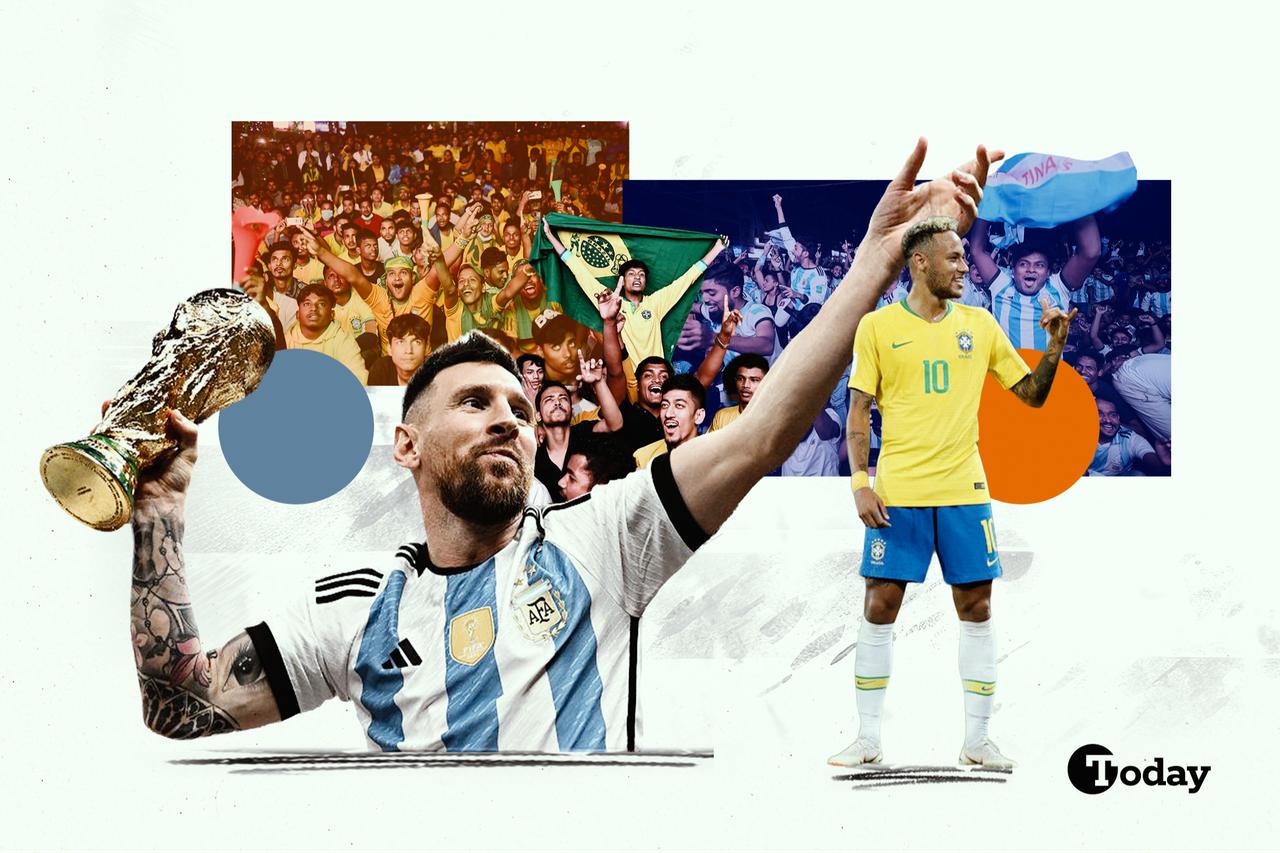


The 2026 FIFA World Cup has the whole planet watching. But some of the most surreal scenes aren't happening in North America, Buenos Aires, or Rio. They are unfolding in Bangladesh—a South Asian country of over 170 million people that has never even sniffed a World Cup qualification, yet somehow boasts the most fiercely passionate Argentina and Brazil fans on Earth.
To someone living in Brazil or Argentina, the footage coming out of Bangladesh must look like a fever dream.
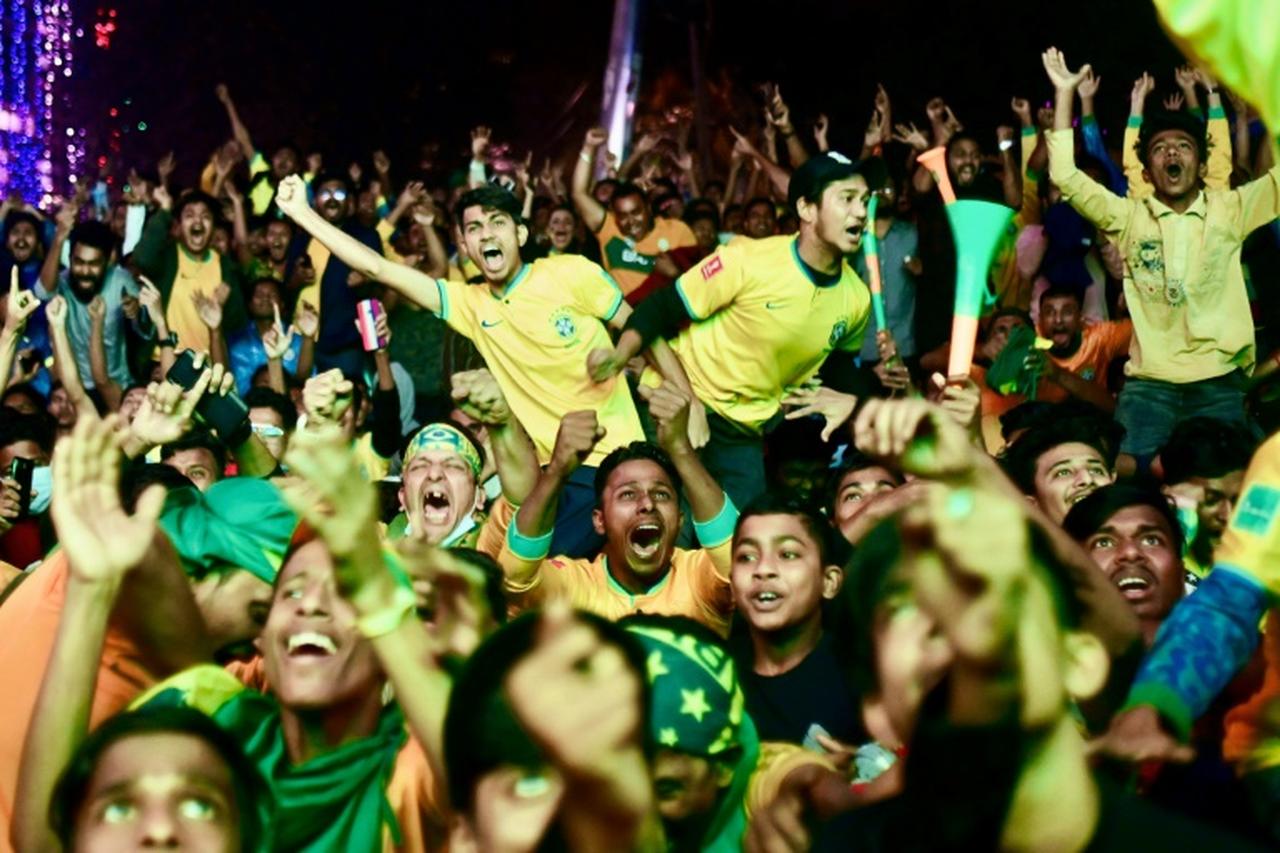
Entire streets are buried under massive blue-and-white or yellow-and-green flags. Towering, multi-story cutouts of Lionel Messi look down over crowded neighborhoods. At midnight, thousands of fans pack into public squares to watch matches kicking off 17,000 kilometers away. Dhaka’s sports markets can barely keep jerseys on the shelves, and you can't sit at a tea stall, walk across a campus, or scroll through social media without hearing a football debate.
Sometimes, this obsession boils over. Just recently, dozens were injured in Habiganj, Bangladesh, during a clash between rival fan clubs. In Shariatpur, a group of young guys made headlines by publicly vowing to stay single until Brazil lifts another trophy. It sounds wild, but it points to a deeper truth: in Bangladesh, football isn't just a hobby. It’s identity, community, and pure, unfiltered emotion.
The obvious question is: why?
Why does a country with absolutely no geographic, linguistic, or colonial ties to South America care this deeply about two nations on the other side of the planet?
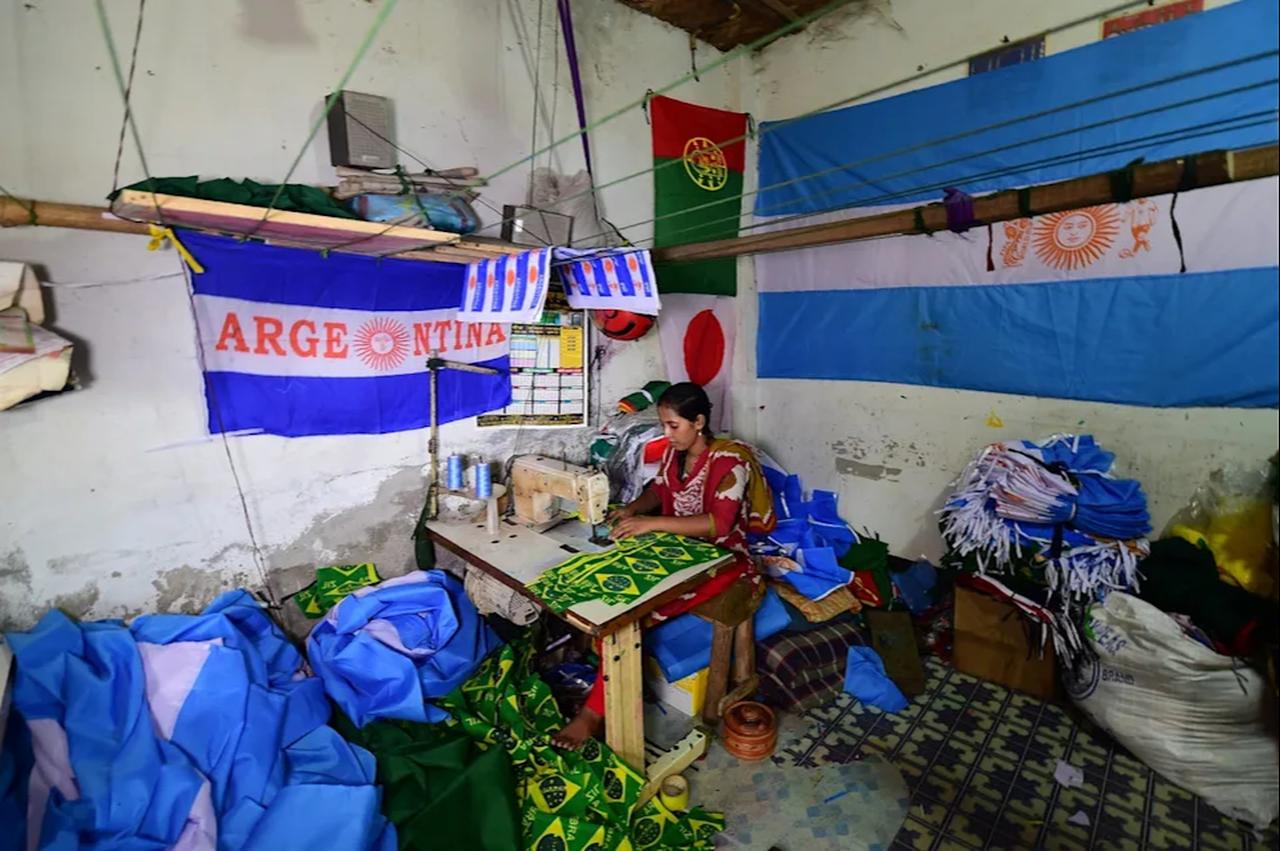

The roots go back to a mix of history, timing, and psychology.
Football originally arrived in the region with the British, long before Bangladesh gained independence in 1971. But the great Argentina-Brazil divide really took hold in the late 20th century. During decades of political turmoil and economic hardship, young Bangladeshis were desperate for icons of hope and excellence.
First, they found Brazil. Pele’s mesmerizing, joyful artistry on the pitch completely captivated the country. His style felt less like a sport and more like an art form, which naturally resonated with a culture that deeply values flair and beauty.
Then came 1986—the first World Cup widely broadcast on color television across Bangladesh. Diego Maradona enters the scene. His legendary, defiant run—especially his goals against England—carried a massive symbolic weight that resonated far beyond the pitch. To a young, post-colonial nation, Maradona’s triumph felt like a victory for the underdog fighting back against the global establishment. He wasn't just an athlete; he became a folk hero.
Decades later, new gods inherited those altars. For Argentina, Lionel Messi took up Maradona’s mantle, culminating in that poetic 2022 victory. For Brazil, Neymar kept the flame alive for a younger generation drawn to the classic Selecao swagger. Today, this loyalty is hereditary. You don’t pick a team based on geography; you inherit it from your parents. Whole families and neighborhoods align under one flag, making the rivalry a permanent part of Bangladesh’s social fabric.
This isn't just a heartwarming sports story, though—it’s an incredible case study in accidental soft power.
Governments and corporations spend billions trying to buy international influence and goodwill. Argentina and Brazil managed to completely capture the hearts of 170 million people without spending a single dime.
We’re finally starting to see the real-world diplomatic payoffs. After Bangladesh’s viral celebrations caught FIFA’s eye during the 2022 World Cup, Argentina actually reopened its embassy in Dhaka after more than 40 years of closure. Football managed to pull off what traditional diplomacy had stalled on for decades: building an authentic, human bridge between two nations.
Brazil should take note, because Bangladesh is far more than just a massive fan club. It’s one of the world's fastest-growing economies, packed with a young, tech-savvy population and a booming consumer market. The potential for trade, tourism, and cultural exchange is massive, and football is the perfect foot in the door.
South American football federations should start leaning into this. They could launch official Bengali-language digital platforms, create dedicated fan outreach programs, and have players interact directly with their South Asian base online.
But the real opportunity is in paying that loyalty forward by helping build the game where it's loved most. Bangladesh’s passion for football vastly outpaces its actual performance on the pitch. Despite its massive population, the country remains a minnow in Asian football. That gap between love and skill is an open invitation.
Imagine if the Bangladesh Football Federation forged real, strategic partnerships with the Argentine (AFA) and Brazilian (CBF) confederations. We could see Bangladeshi coaches studying tactics in Buenos Aires, Brazilian scouts helping design grassroots academies in Dhaka and Chattogram, and elite pathways created for young South Asian talent. This wouldn't be a charity project; it would be a long-term investment. Modern sports have become highly commercialized, but Bangladesh still offers something increasingly rare: unconditional love for the game.
As the 2026 World Cup plays out, Argentina and Brazil need to realize that their borders don't stop at the Atlantic or Pacific. Millions of people half a world away are living and dying by every pass, every goal, and every penalty shootout. Those giant flags flying over remote Bangladeshi villages aren't just decorations—they are a testament to one of the most unique, transcontinental relationships in sporting history.
Bangladesh has given South America its unwavering loyalty. The best way to honor that isn't just with a thank-you tweet—it’s with partnership, friendship, and a real investment in their footballing structure.


 Set as preferred source
 Set as preferred source


 2 min read

 1 min read