Newsletters


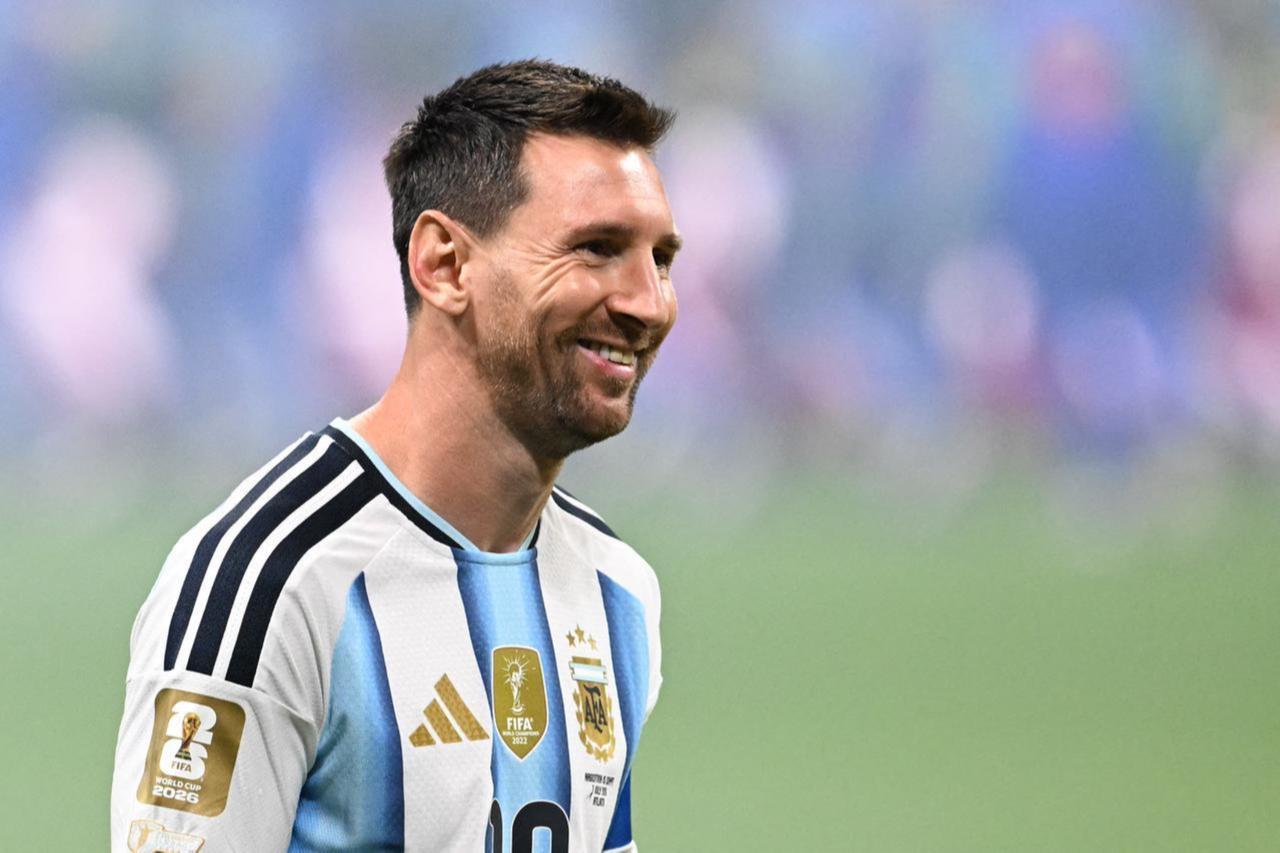


Lionel Messi has played his final match for Argentina, the soccer star announced Monday, closing out a two-decade international career that included a World Cup title and cemented his status as one of the sport's greatest players.
The 39-year-old's departure from La Albiceleste comes 20 years after his first appearance for the national team. Over that span, Messi scored 98 goals and added 38 assists in 142 matches.
"I leave with the peace of mind and pride of having given you, together with my teammates, moments we'd only dreamed of," Messi wrote on social media, in a translation from Spanish. "It was incredible to have lived through it all with you."
Messi played in six World Cups for Argentina, winning the title in 2022 and reaching the final in both 2014 and 2026.
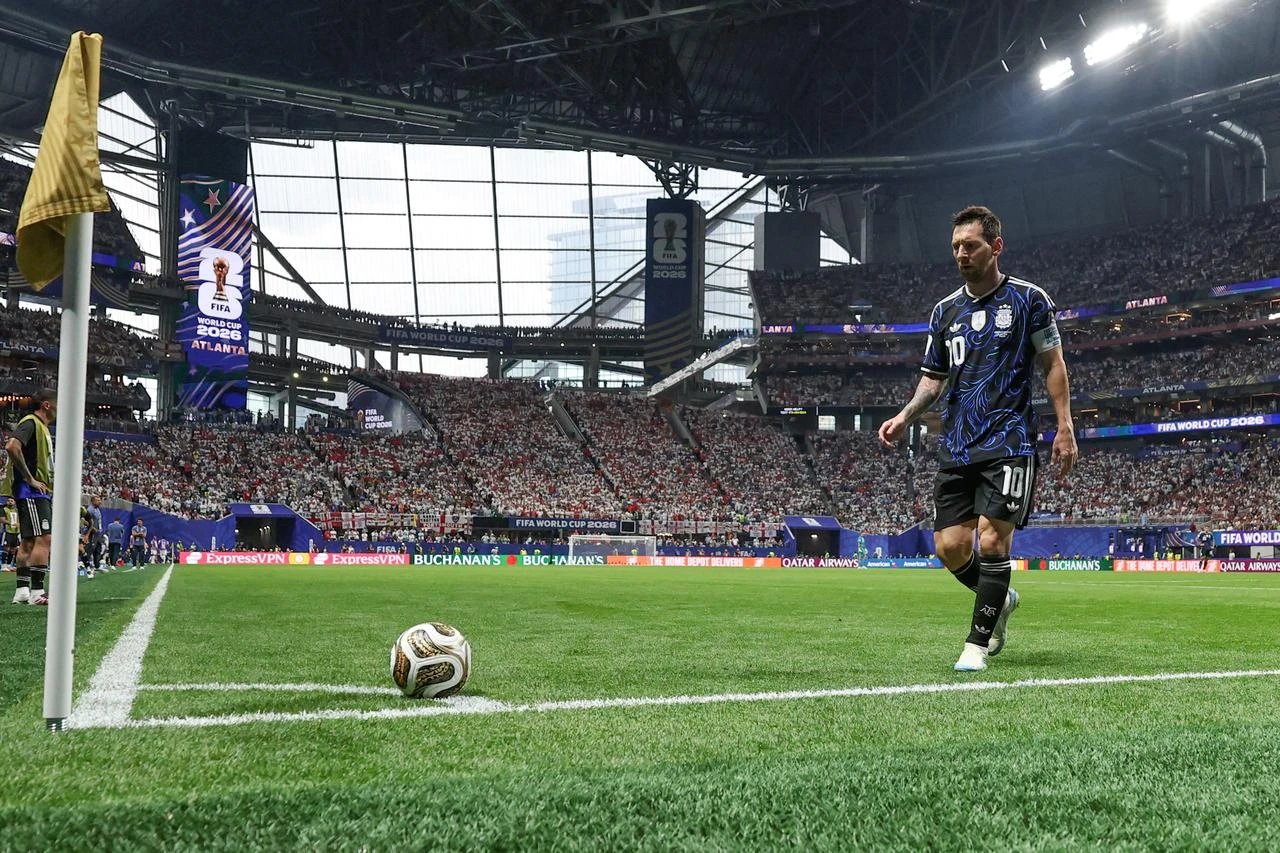
During this summer's tournament, he became the all-time leading scorer in World Cup history with 21 goals, a mark that France's Kylian Mbappé surpassed shortly after with 22.
Messi wrote that he composed his retirement announcement two days after Argentina's loss to Spain in July's World Cup final.
Following a period that included mourning the death of his father, he said, "I'm more convinced than ever" that it was time to set aside Argentina's blue-and-white-striped jersey.
"It was a decision that hurt, and still hurts, deep in the soul, but I understand that it's time," he wrote.
He added that he had always given his all for the shirt, "not just in recent years, but even before we won everything," and had fought to bring joy to Argentine fans through the sport.
"There's not much time left, and chapters are coming to a close, and this is one that hurts me deeply," Messi wrote, noting that a new generation of talented young players "deserve their spot" on the team.
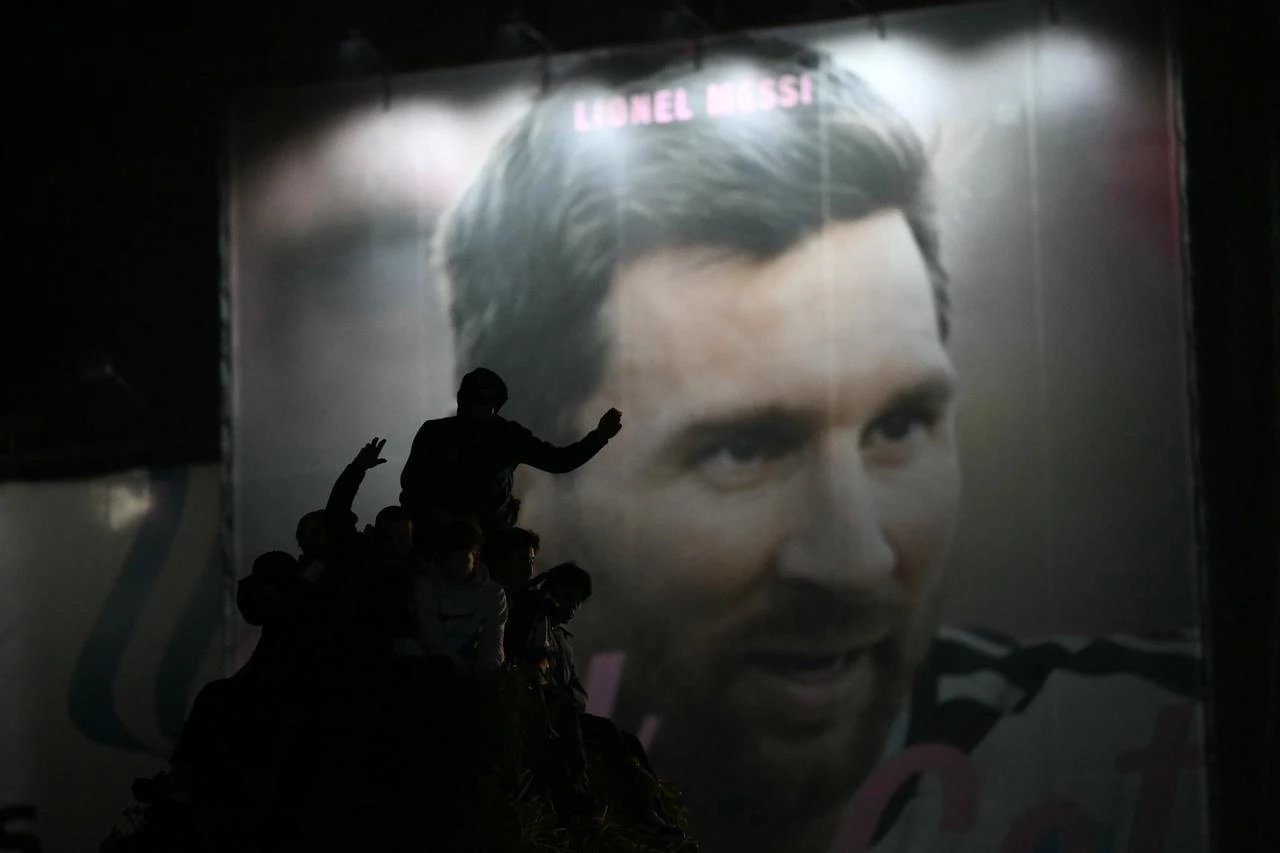
He said he would miss the connection with supporters but would now watch "as one of you, always cheering and supporting from the sidelines."
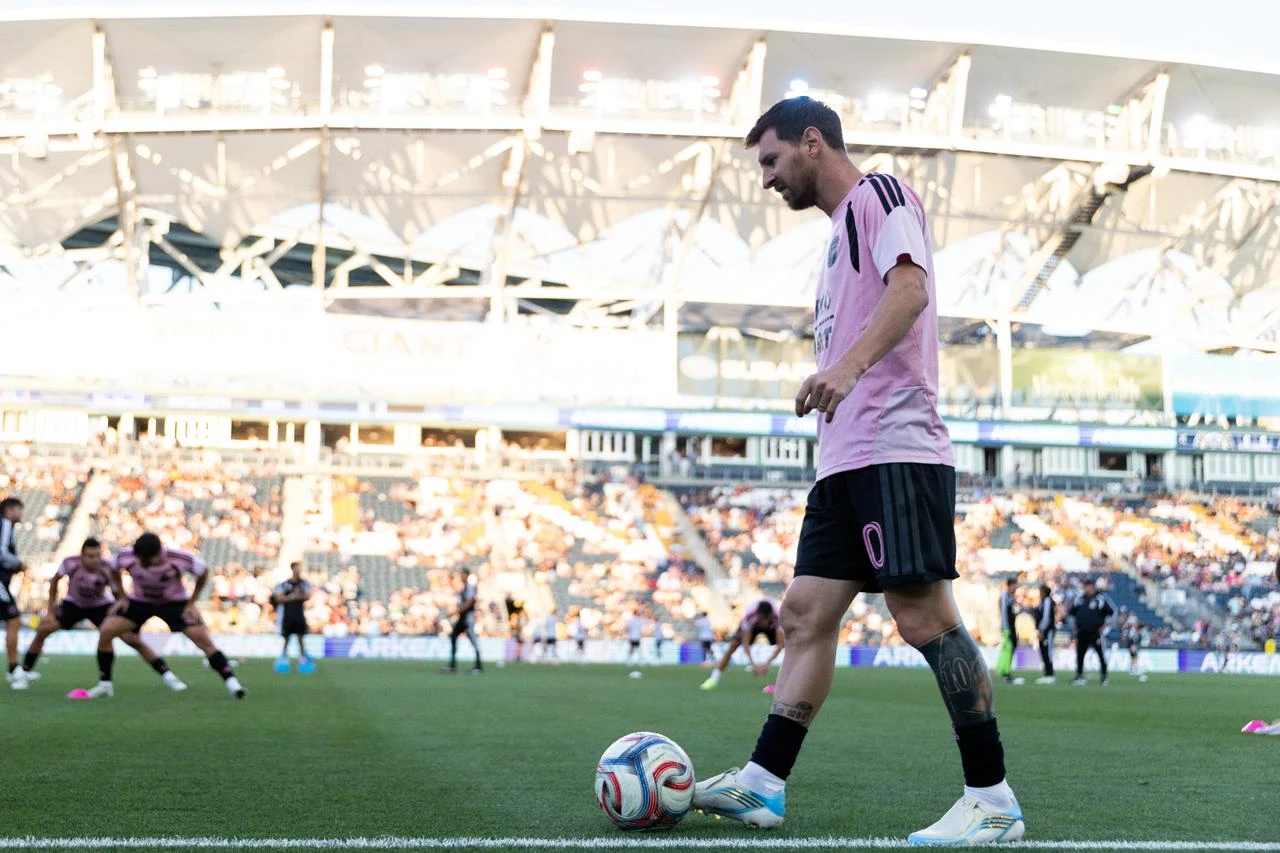
Messi continues to play professionally for the MLS club Inter Miami.
Messi rose to global prominence in the early 2010s while playing for Barcelona, but his early international career with Argentina proved more difficult.
He repeatedly led the team to major finals, including the Copa América, the continental championship of South American nations, only to fall short.
After Argentina's third consecutive Copa América final defeat in 2016, a loss that included a missed penalty by Messi in the deciding shootout, he told reporters, "for me, the national team is over.
I've done all I can. It hurts not to be a champion. ... It was the thing I wanted the most but I couldn't get it, so I think it's over. I think this is best for everyone."
Weeks later, he reversed the decision. "I see there are many problems in Argentinian football and I don't intend to create another one," Messi said at the time. "We need to fix many things in Argentinian football, but I prefer to do this from inside and not criticize from outside."
Argentina's fortunes did not improve immediately. The team exited in the round of 16 at the 2018 World Cup and finished third at the 2019 Copa América.
But once international soccer resumed following pandemic-related delays, Messi and Argentina broke through, winning the 2021 Copa América, the 2022 World Cup in Qatar and a second consecutive Copa América title in 2024.
His performance at this year's World Cup, where he set the tournament's all-time scoring record before Mbappé's late surge, demonstrated that age had not diminished his scoring instincts.


 Set as preferred source
 Set as preferred source


 1 min read
 1 min read