Newsletters


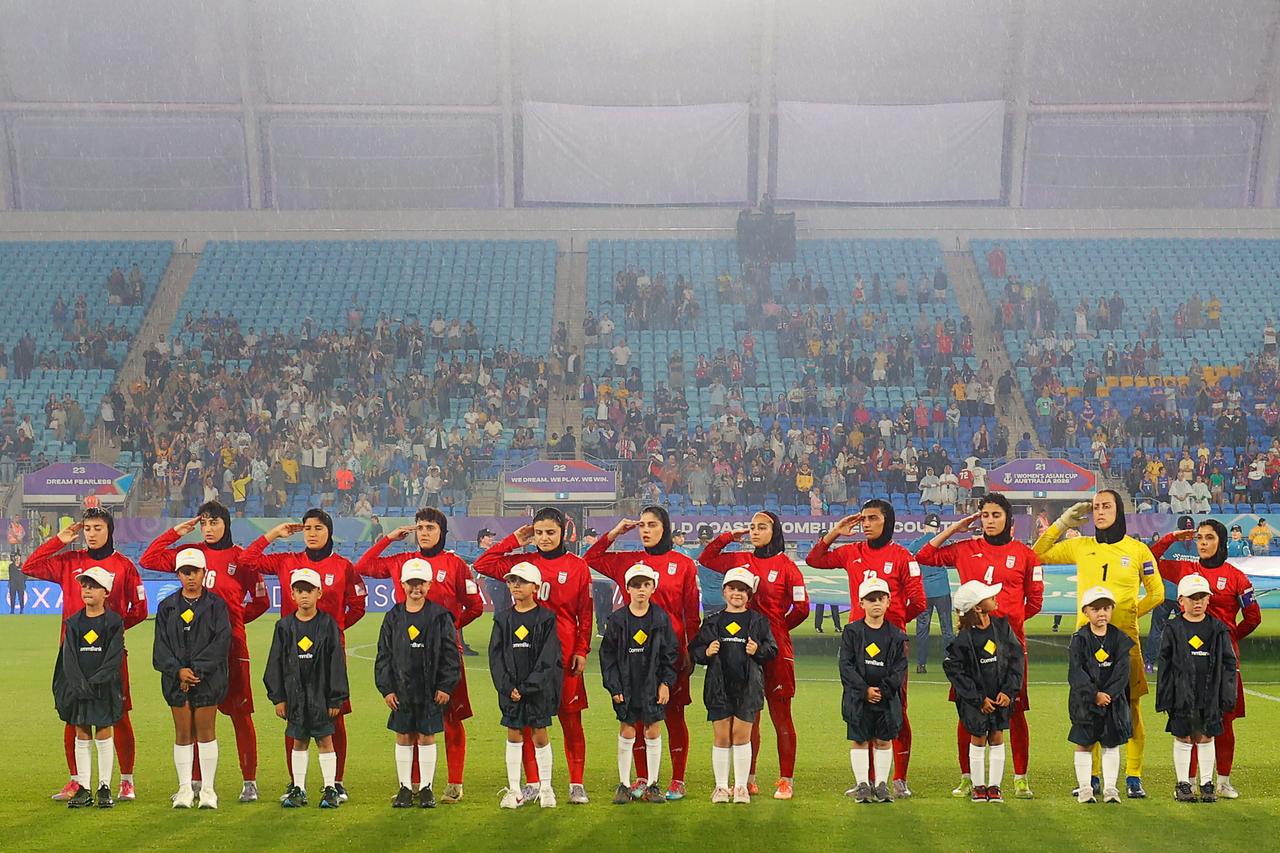


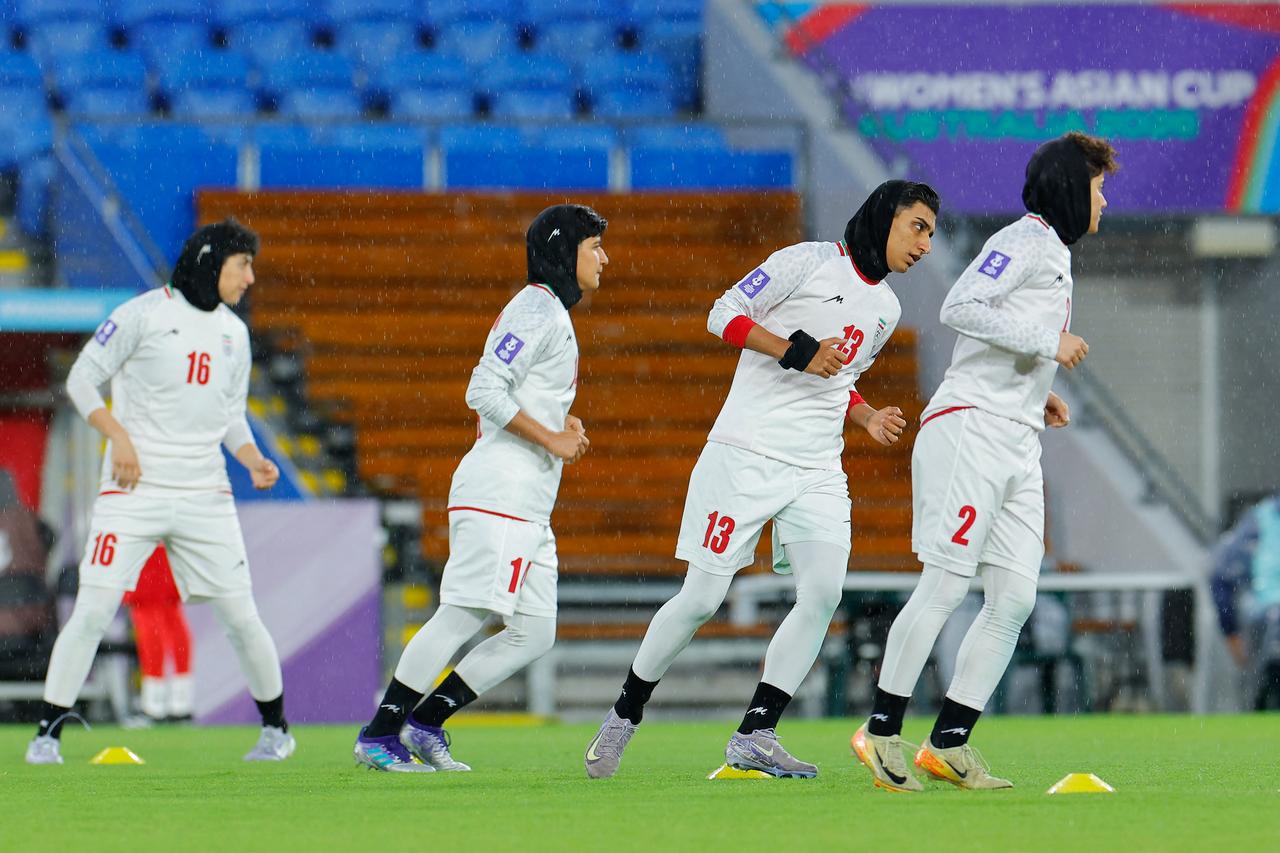
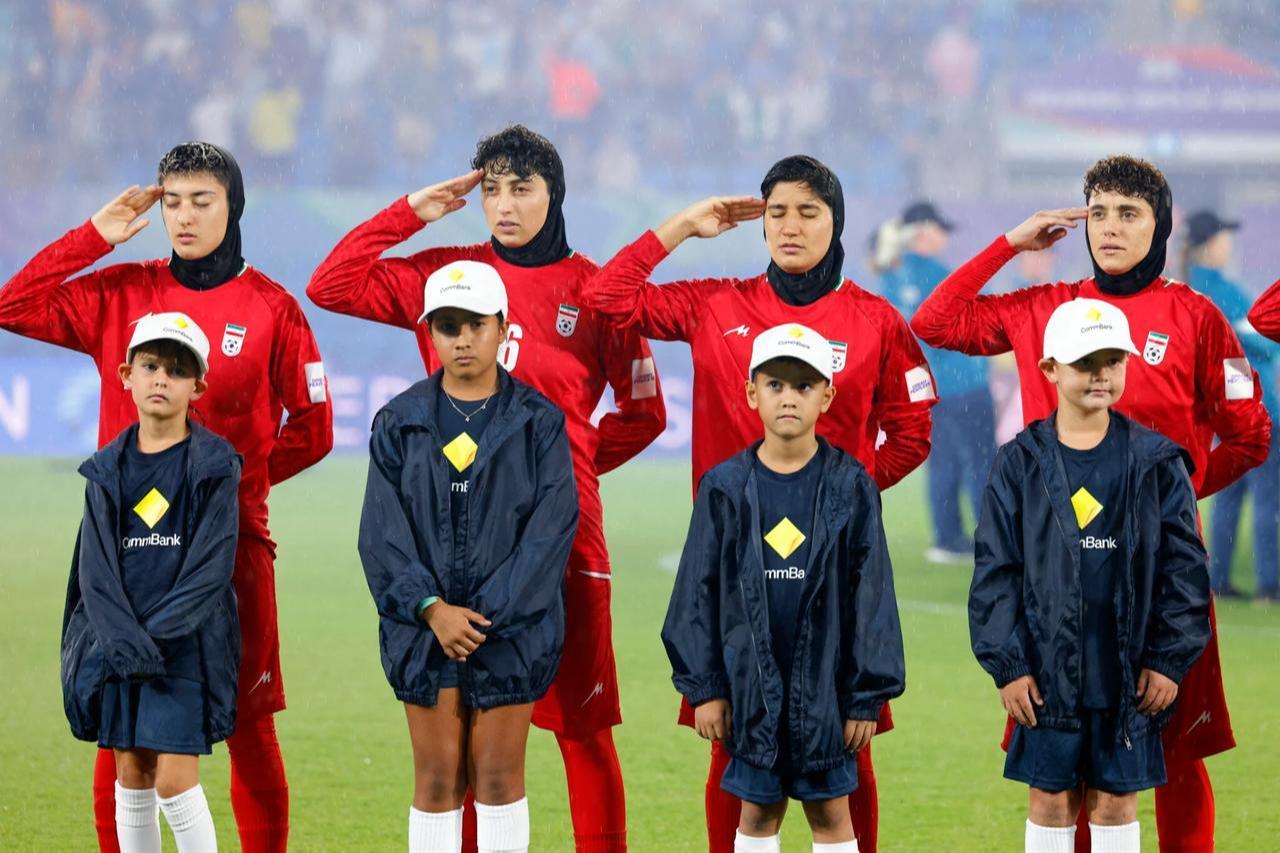
At least seven members of Iran’s women’s national football team have sought asylum in Australia after refusing to sing the national anthem during the AFC Women’s Asian Cup.
The Australian government granted 5 players from the 13-member squad humanitarian visas on Monday, while at least 2 others later decided to remain in the country instead of returning to Iran, ABC News reported.
The players fear persecution if they return home after Iranian state television labelled members of the team “traitors” following their silent protest before a match against South Korea earlier this month.
Australia’s immigration minister, Tony Burke, said the athletes were given time and space to make their own decision about whether to return.
“Every single member of that team was put in a situation where they were just with Home Affairs officials, where the people who might put pressure on them were nowhere near them at all, and they were given a choice,” Burke said.
He added that players were able to contact family members before deciding whether to board flights leaving Australia.

The controversy began during the Women’s Asian Cup in Australia when several Iranian players declined to sing the national anthem before their opening match against South Korea.
The gesture was widely interpreted as a silent protest against Iran’s government. Iranian state media later accused the players of being “traitors,” while a conservative commentator reportedly called for harsh punishment.
Under Iran’s penal code, accusations related to treason or corruption can carry severe penalties, including lengthy prison sentences or even the death penalty.
Concern about the players’ safety grew as the tournament continued. Activists and members of the Iranian diaspora urged authorities in Australia to offer protection if the athletes feared returning home.
Some supporters attempted to persuade members of the team to remain in Australia.
During one incident, protesters lay on the ground to block the team bus leaving their hotel, according to BBC.
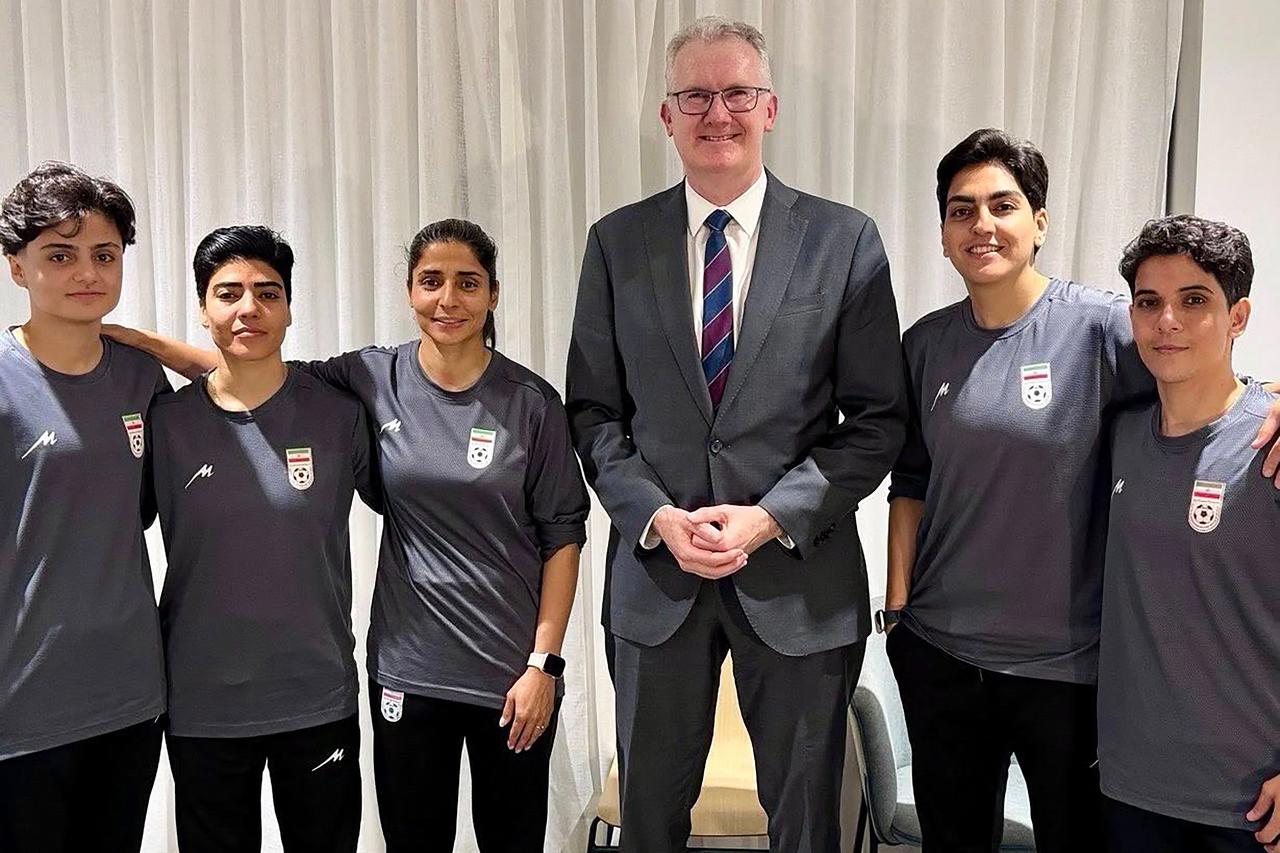
Australian authorities said the five footballers were moved to a safe location by police after it became clear they wanted to stay.
Immigration Minister Tony Burke later confirmed their names as Fatemeh Pasandideh, Zahra Ghanbari, Zahra Sarbali, Atefeh Ramazanzadeh, and Mona Hamoudi.
Australia’s humanitarian visa program allows people facing persecution to live, work, and study in the country.
Burke said the same opportunity remained open to other members of the squad who might choose to stay.
“These women are tremendously popular in Australia,” he said, adding that the government understood the difficult choices the players faced, especially because many still have families in Iran.
The case also drew international attention after U.S. President Donald Trump urged Australia to grant asylum to the team.
In a post on his Truth Social platform, Trump wrote: “Mr. Prime Minister, give ASYLUM. The U.S. will take them if you won’t.”
Trump later said he had spoken with Australian Prime Minister Anthony Albanese and claimed that several players had already been helped.
However, the call for protection contrasts with the Trump administration’s broader immigration policies. The administration has paused asylum processing in the United States and restricted immigration from several countries, including Iran, according to reporting by The New York Times.
Immigration advocates say the situation illustrates broader questions about how humanitarian protection is applied.
Krish O’Mara Vignarajah, president of the refugee organisation Global Refuge, said protection should extend beyond high-profile cases.
“When it comes to saving lives, consistency is key,” she said. “Humanitarian protection cannot be a photo op for the high profile and a dead end for everybody else.”


 Set as preferred source
 Set as preferred source



 3 min read