Newsletters




You were small, and you did something you knew you shouldn’t. Someone bigger stood over you and said, apologize. Then they waited, because the apology was never the point. The point was that it would not happen again.
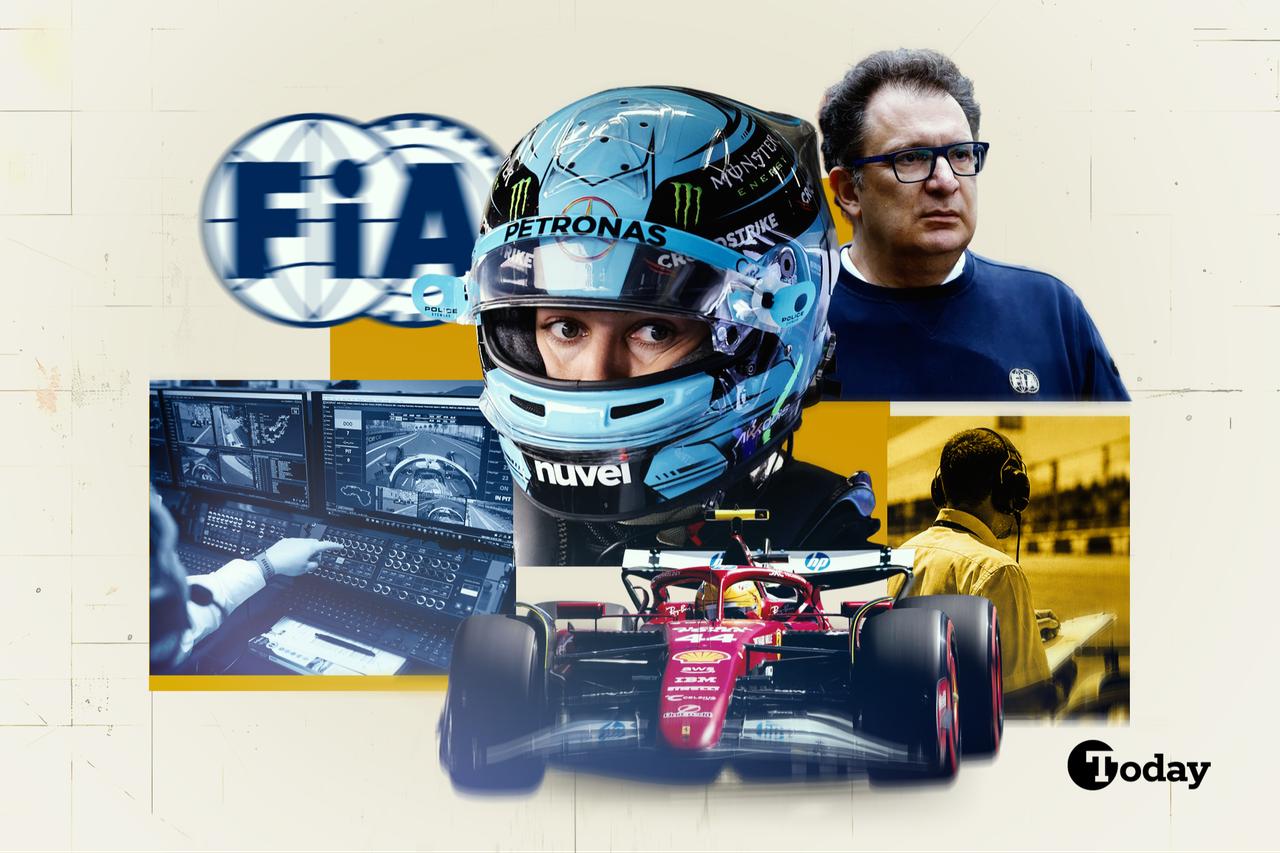
The Federation Internationale de l’Automobile (FIA), motorsport’s governing body, lived that moment all season. It has explained. It has reviewed. Then the next mistake has arrived.
It began in March, with a man lifting his foot.
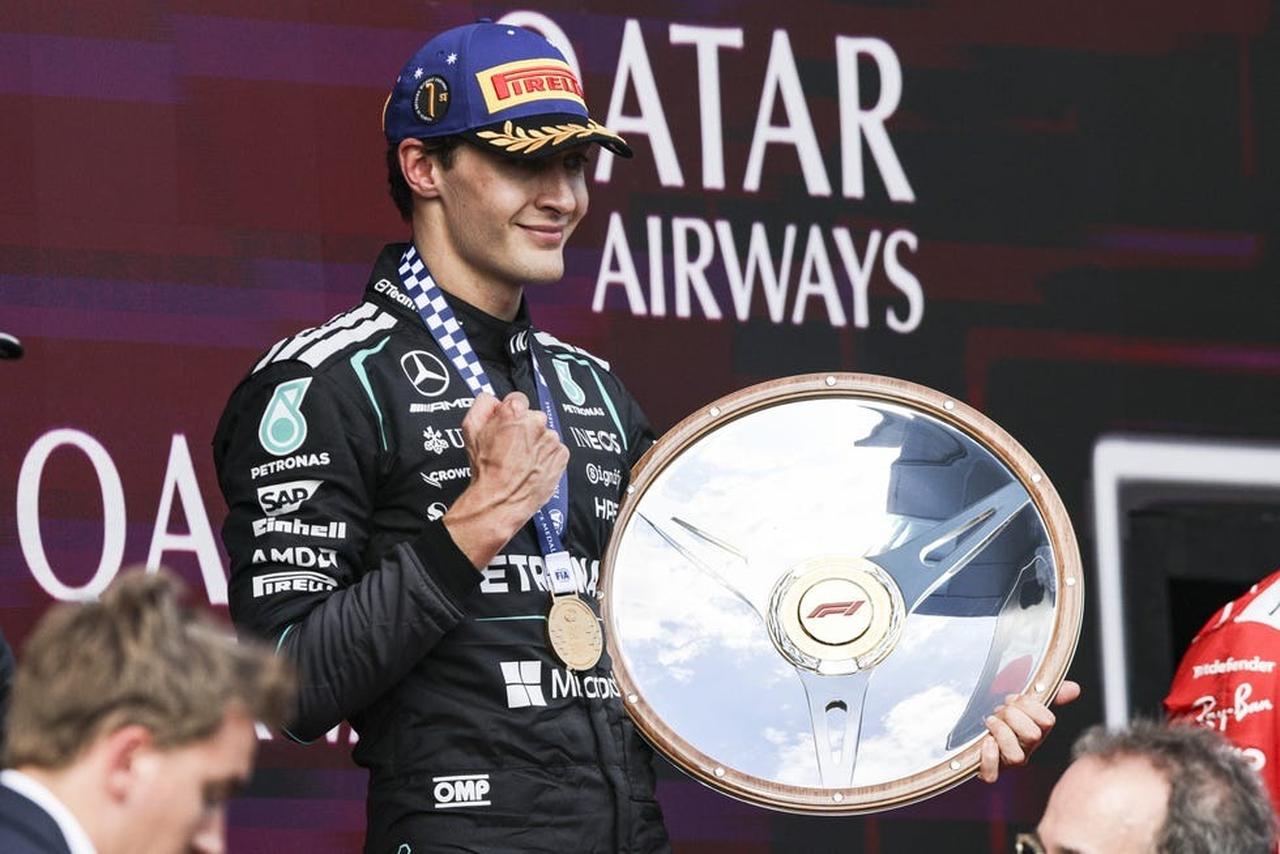
On his pole-winning lap at the season-opening Australian Grand Prix in Melbourne, George Russell coasted for 400 meters, lifting off the throttle before Turn 9 to save battery. The fastest man on the grid was gliding, not charging.
The clip raced across the internet within hours. Lando Norris lamented how F1 had gone from the best cars ever made to perhaps the worst, and Max Verstappen had been calling the new cars anti-racing since testing. Nobody at the FIA claimed surprise.

Nikolas Tombazis, the FIA’s single-seater director, told Motorsport.com in August that the governing body expected drivers to complain in the two years before the season.
He said simulations showed energy problems as early as 2022, but the concept was already advanced and manufacturers had invested heavily. The FIA tried to make changes, but “we failed with the governance that was in place.”
That governance explains the situation. An agreement designed to keep new entrants like Audi under the same limits also prevented the FIA from changing the rules on its own. Any changes required approval from Formula One Management and at least four of the five engine makers.
For years, four of them disagreed.
In May, they finally agreed on a plan to gradually shift the cars to a 60-40 split between combustion and electric power. Tombazis said the delay was unfortunate.
Manufacturers shoulder some of the blame. Still, if the FIA saw this coming in 2022, who was meant to step in?
The 2026 rules set a compression ratio limit of 16:1, measured at ambient temperature. Rivals argued that an engine could pass the cold test but run hotter when it warmed up. Ferrari, Audi and Honda wrote to the FIA.
Mercedes and Red Bull were thought to benefit, with an advantage estimated at two to three tenths of a second per lap. Mercedes said it followed the rules as written.
On Feb. 28, just eight days before the season started, the FIA announced a fix approved unanimously by e-vote: hot and cold checks would start on June 1, and only hot checks from 2027, at 130 degrees Celsius. The engines had already been built.
Next was Mercedes’ front wing. After the Chinese Grand Prix, a rival team asked if its flaps closed in two stages: the first within the 400-millisecond sensor limit, and the second more slowly. Motorsport.com reported that Mercedes was not under investigation.
Tombazis later said it was a mechanical issue with no advantage or intent, and not worth making a big deal about. He explained that the FIA handles minor issues with teams directly to avoid setting precedents. Russell and Kimi Antonelli called it a malfunction.
That could be true. But it also means a possible rule breach disappeared without any official decision.
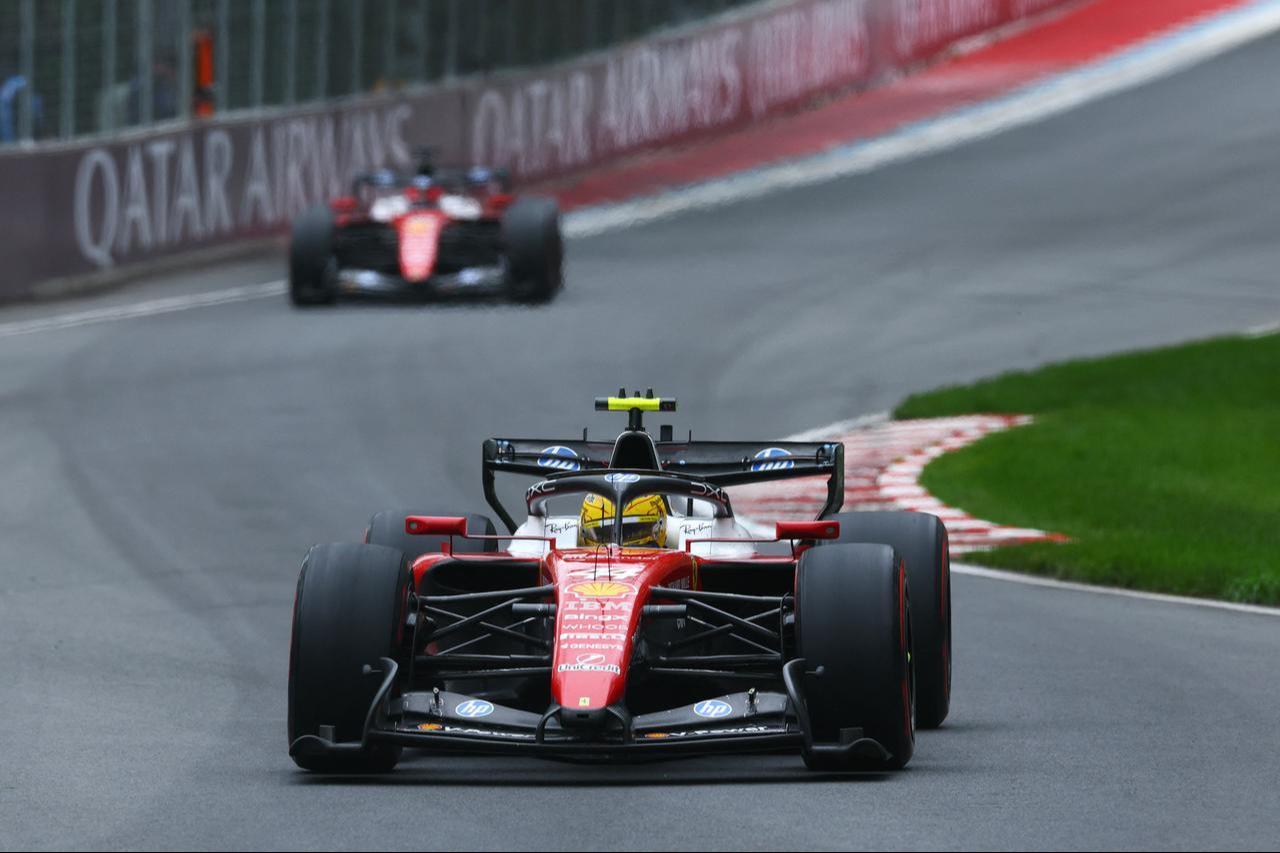
At Sepang on Oct. 4, where the Bahrain Grand Prix was held after F1 and the FIA moved it from Sakhir due to regional tensions, a wet-weather software bug linked to a 250-kilowatt limit caused cars to crawl on the formation lap.
Autosport reported that half the field stopped behind the safety car. The FIA first described it as an unprecedented mix of conditions. Later, it said the software had been tested, but wet-weather running was limited. The FIA published its findings within days and promised a permanent fix for Austin.
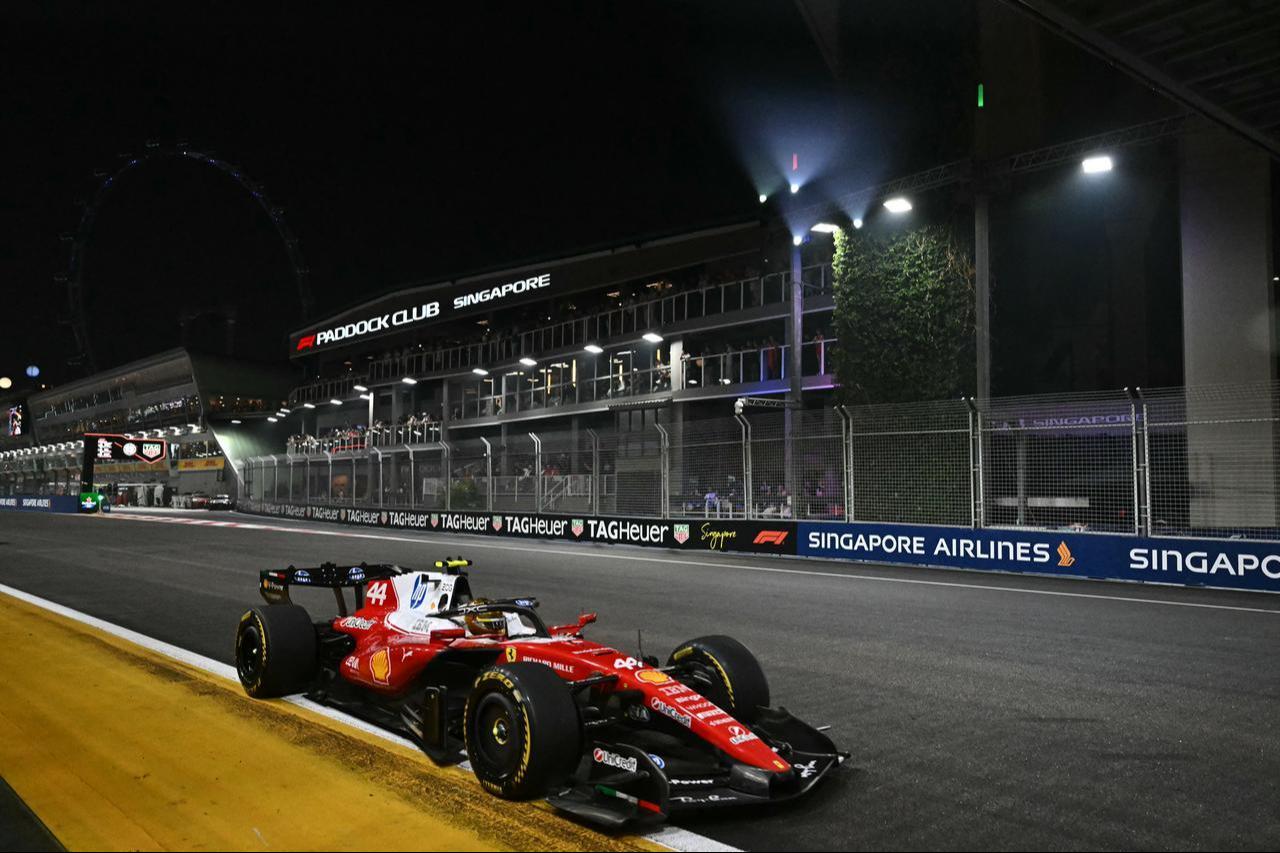
Then in Singapore, race control forgot to turn Overtake Mode back on after a red flag in sprint qualifying. It stayed on for 27 seconds, then turned off again. The FIA admitted human error affected some cars, depending on when they switched it on. “People do make mistakes,” Tombazis said.
Five drivers were penalized for speeding in the same Monaco pit lane zone on June 7. Lewis Hamilton, Russell, Franco Colapinto and Oscar Piastri got their penalties during the race. The stewards gave Pierre Gasly two five-second penalties after the race, dropping him from third to seventh.
Alpine requested a review. Formula One Management (FOM) had recorded the timing zone as 2,692 centimeters long, but post-event scanning found the shortest path was 2,615 centimeters, a 77-centimeter difference. During the race, the stewards asked why several drivers showed exactly 60.1 kph and were told the data was fine.
They removed Gasly’s penalties and restored his podium. They could not do the same for the other four because no rule allows stewards to undo a penalty already served. Tombazis said the measurement method “may have been insufficient” for that pit lane.
McLaren and Red Bull appealed. The International Court of Appeal heard the case in Paris on Aug. 25 and ruled on Sept. 4, three months after the race, that Gasly’s penalties would stand. He fell back to seventh, and Isack Hadjar took third.
The FIA’s own court had overruled its stewards, and the governing body said it would review its right-of-review and appeal processes.
What would make the FIA change course?
Regulators change when something costs them: empty seats, falling ratings, a united revolt from the people in the cars. None of that has arrived.
The seats are full. F1 says every race this year has sold out, with almost 3.7 million people through the gates and 564,000 at Silverstone alone. Fans who followed those races and had something to say about them mostly liked what they saw: in F1’s own Fan Voice poll, 66% rated the racing good or excellent, up from 60% last year.
The drivers have the loudest voices and the least power. They can call the cars anti-racing, as Verstappen did, or probably the worst the sport has made, as Norris did. They cannot change a rule.
The one group with real leverage, the engine makers, declined to agree to the FIA's changes. Everyone who could force a change has a reason to leave things as they are.
Türkiye Today asked the FIA for comment on Oct. 22, but the federation had not responded by publication time.
A regulator that answers to almost no one can afford to be wrong. The FIA has been wrong in the rulebook, wrong at Monaco and wrong in race control, and each time the grandstands filled anyway.
Somebody pays for mistakes like these. So far, it has not been the FIA.


 Set as preferred source
 Set as preferred source



 2 min read