Newsletters


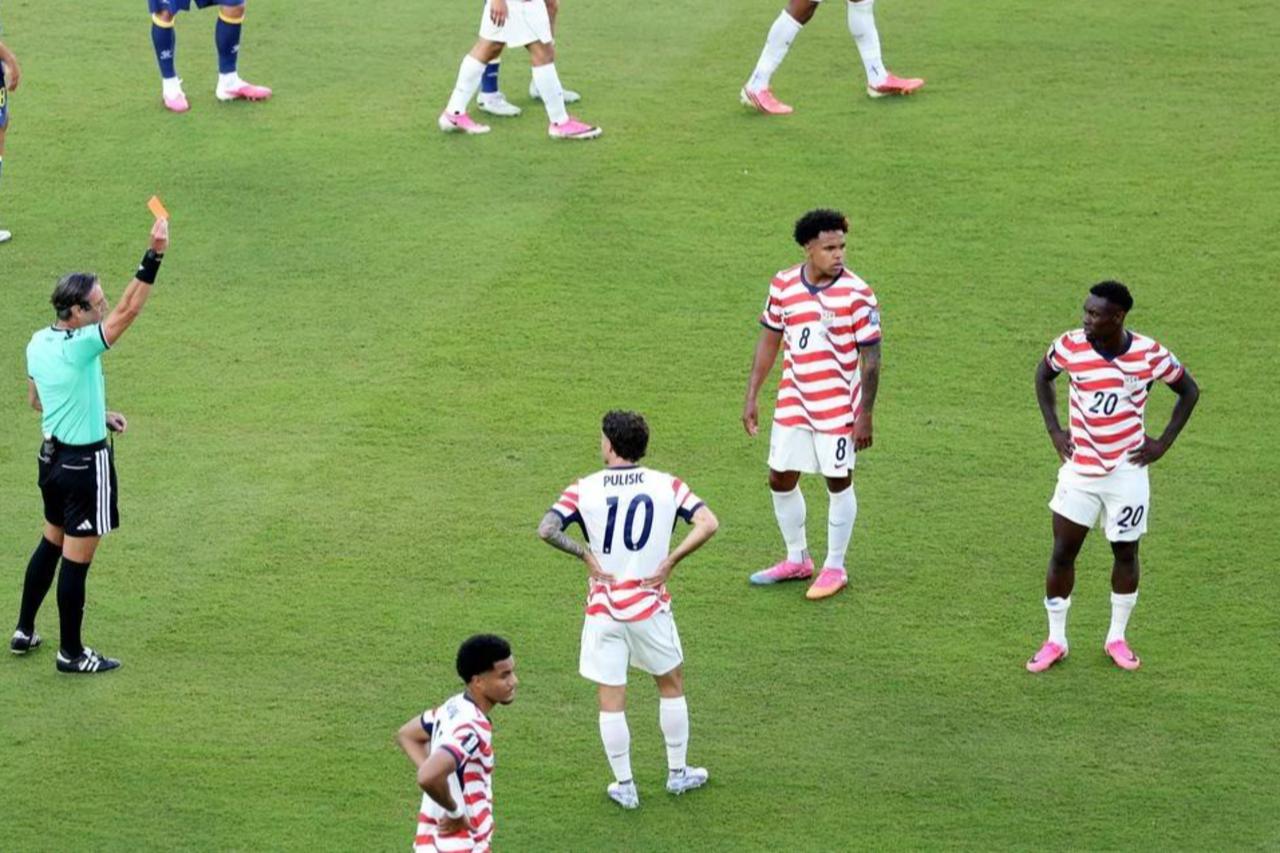


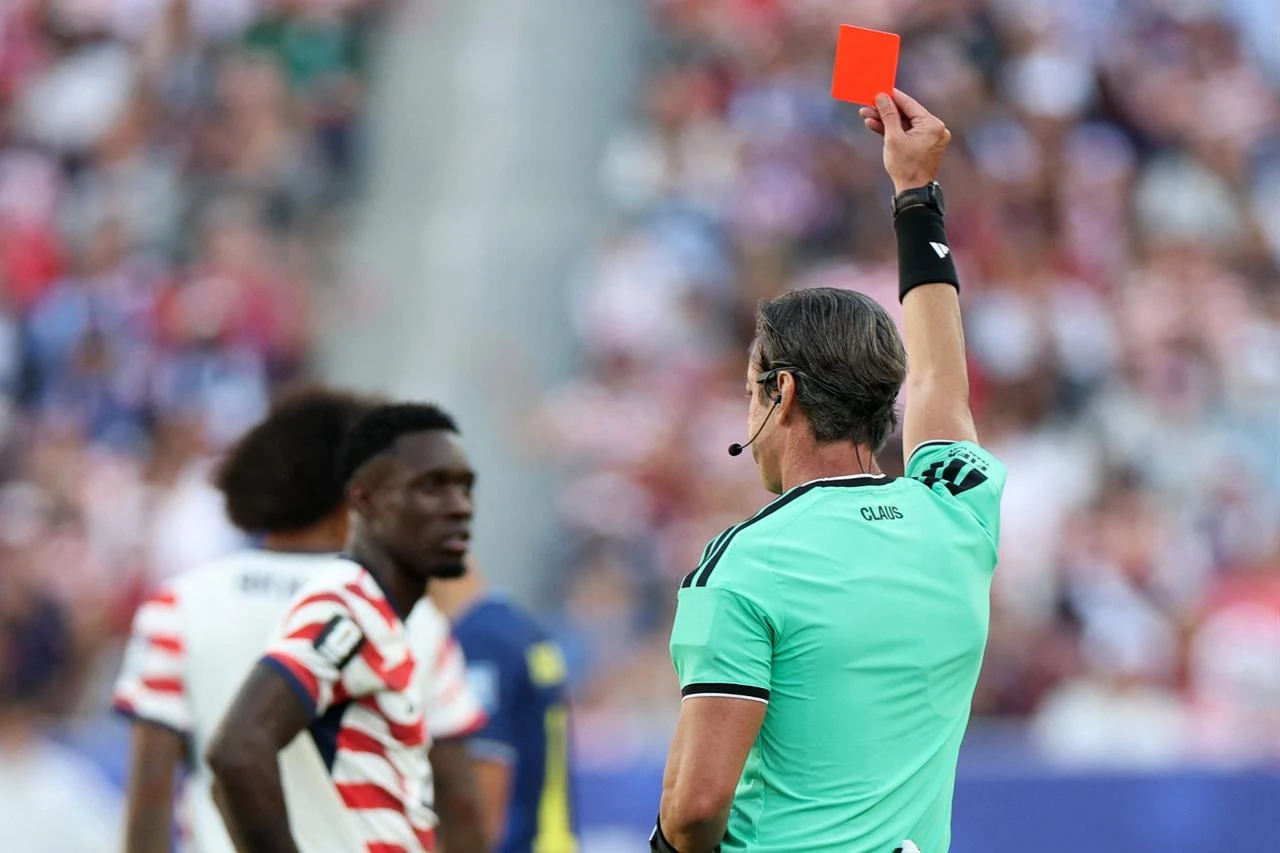
With hours to go before the United States faced Belgium in a landmark round-of-16 World Cup match in Seattle, a political storm engulfed the tournament Monday after President Donald Trump confirmed he had personally called FIFA president Gianni Infantino to contest a red card shown to American striker Folarin Balogun, prompting UEFA to accuse world football's governing body of crossing "a red line."
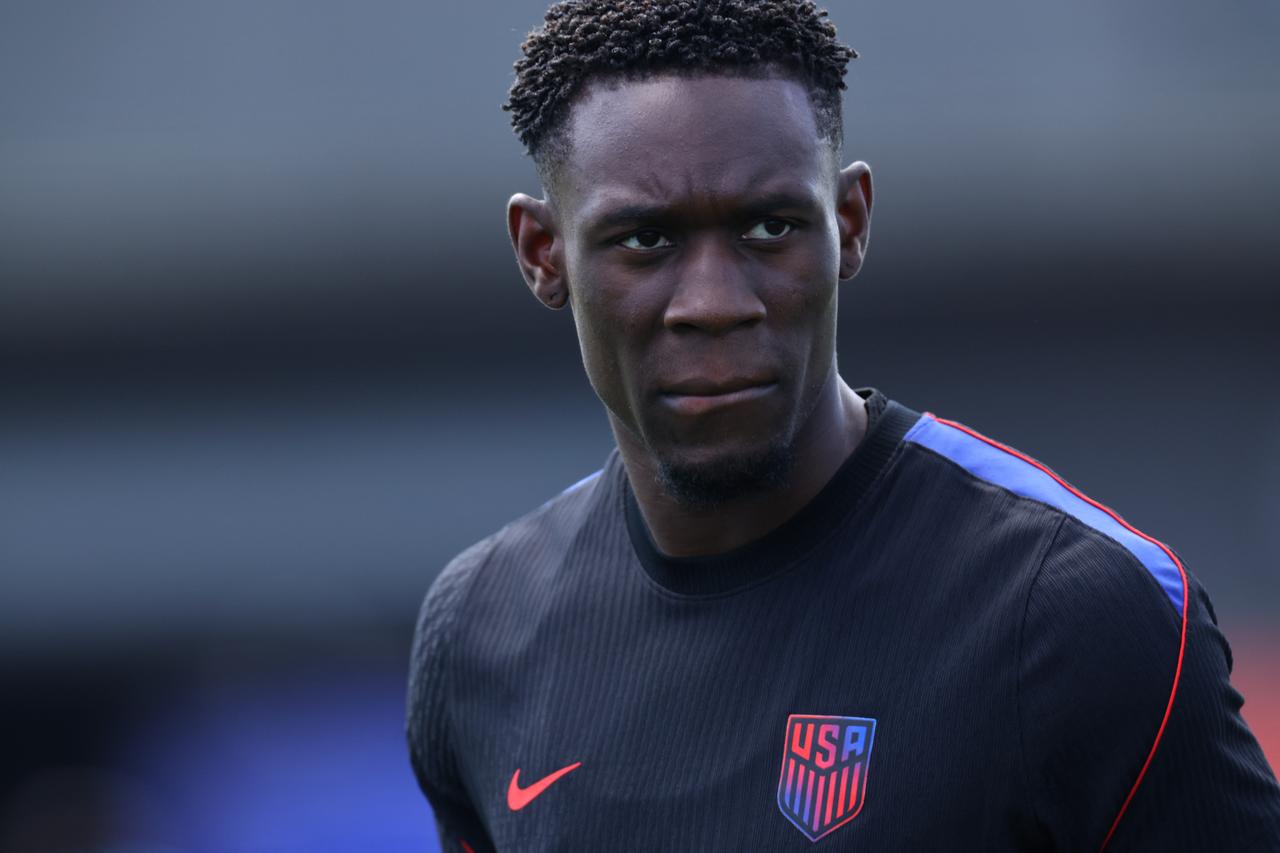
Balogun, the standout player for the US at the tournament, had been suspended for the fixture after receiving a red card in the Americans' group-stage victory over Bosnia-Herzegovina.
FIFA announced Sunday it was lifting the ban, clearing Balogun to play in what is widely regarded as the most consequential match in the history of American soccer.
The 5:00 pm local kickoff drew immediate outrage from European football officials, rival coaches and former players.

Trump told reporters at the White House that he had called Infantino, with whom he has cultivated a close personal relationship, because he did not believe the challenge on Balogun constituted a foul. "All I did was ask for a review, I didn't say you have to do this," the president said.
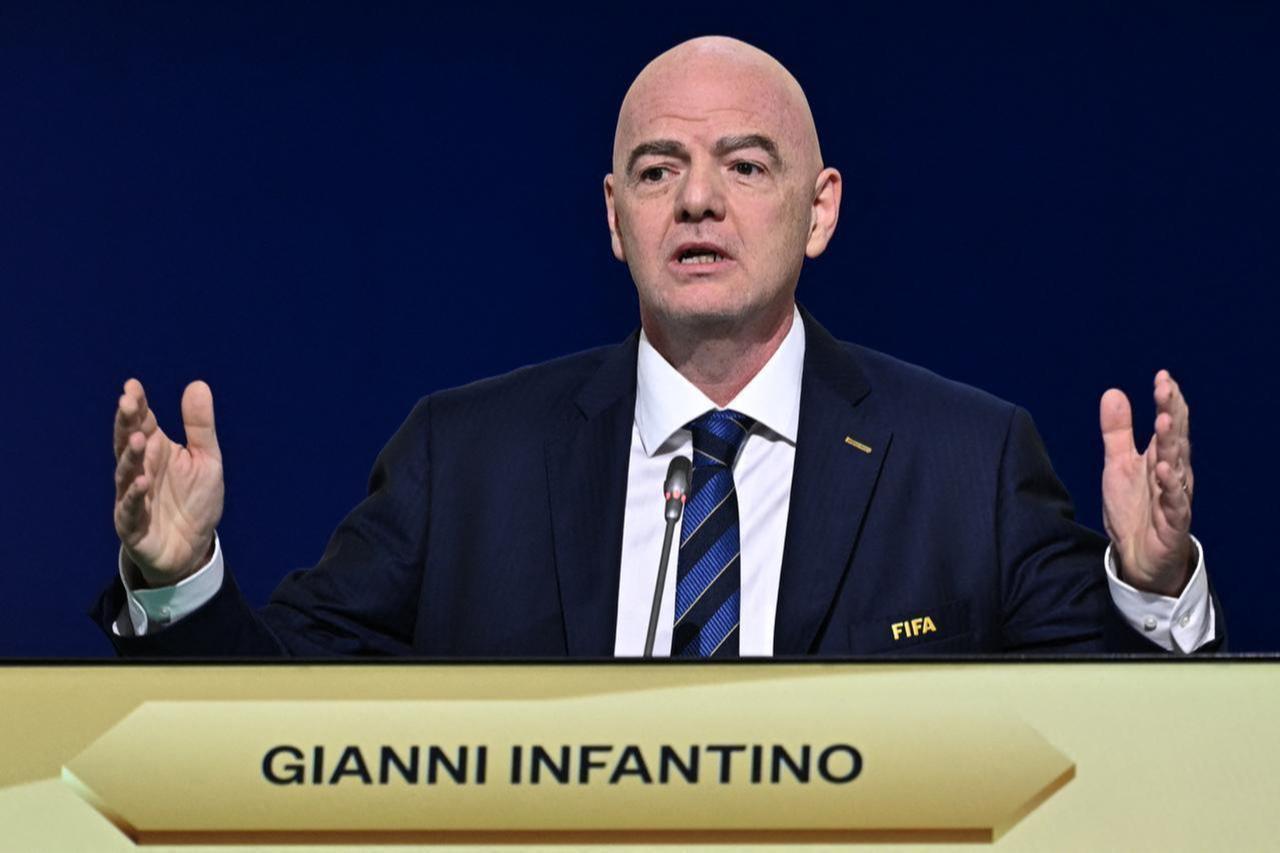
Infantino pushed back against suggestions that the call had influenced the outcome, saying he had told Trump there was "an ongoing legal process involving FIFA's independent judicial bodies and that the case would be decided in due course by the competent bodies."
The FIFA chief acknowledged he regularly speaks with Trump about the tournament and said he receives similar calls from heads of state and government officials around the world on a range of issues.
He added that while he always reads the disciplinary decisions handed down by FIFA's bodies and sometimes disagrees with them, he makes a point of respecting "those decisions and the autonomy of the bodies that make them."
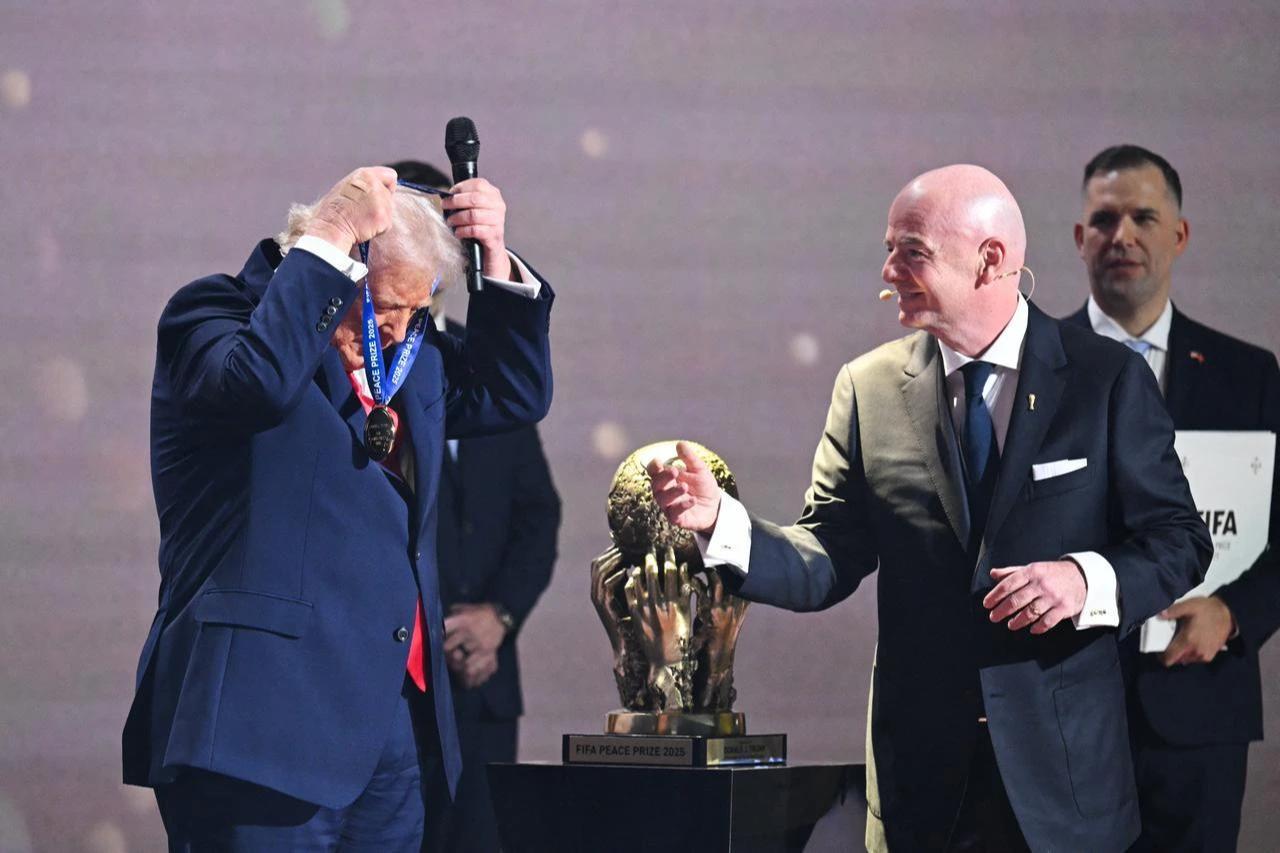
Infantino, a Swiss-Italian who has led FIFA since 2016, was a frequent presence at the White House in the buildup to the tournament. Last year he awarded Trump a newly created FIFA peace prize, presenting it to him at the World Cup draw in Washington.
Trump celebrated the FIFA ruling on social media, writing that he was grateful to FIFA "for doing what was right and reversing a great injustice."
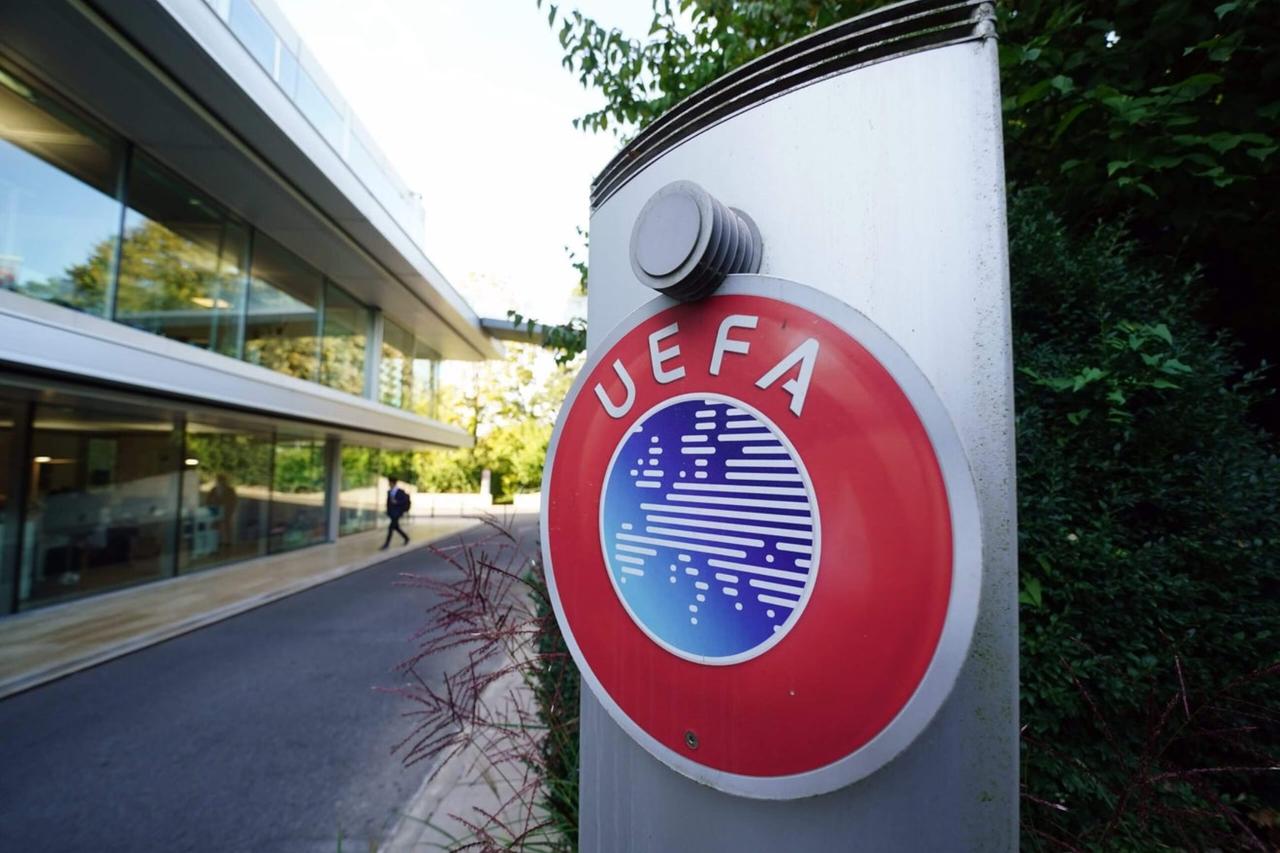
European football's governing body UEFA issued some of the sharpest criticism, warning that FIFA had "crossed a red line" and cautioning that the consequences could extend well beyond the tournament.
"Football is the most loved sport in the world because it is a beautiful game and is trusted because it is played everywhere with the same laws," UEFA said, adding that a World Cup carries "the power to drive positive or negative consequences on the game as a whole."
Belgium's football association, which said it had still not received any decision or explanation from FIFA on the matter, described itself as "astonished" by the ruling, pointing to Article 66.4 of FIFA's own disciplinary code, which states a red card automatically results in a next-match ban.
FIFA dismissed Belgium's formal appeal as inadmissible.
Rival coaches were equally blunt. Belgium's Rudi Garcia said he had not known that July 5 was April 1 in FIFA's offices, while Norway coach Stale Solbakken said FIFA had made "a big mistake."
Jurgen Klopp, expected to take over as Germany's head coach, was more direct: "This is our game, not theirs. If Trump and Infantino really worked this all out between themselves, that's crazy. It calls everything into question."
England manager Thomas Tuchel, speaking after his side's 3-2 round-of-16 win over Mexico, added his voice to the criticism, framing the controversy as a question of competitive fairness that now had no clear answer.
"To be clear, it was not a red card. VAR got involved. The decision is made," Tuchel said. "Who overturns this decision and when and on what grounds? It's strange for me. We just want to have consistency in the decisions."
Tuchel's remarks carried particular weight given that his own defender, Jarell Quansah, had just been sent off against Mexico, leaving England a player short for their quarter-final against Norway.
He questioned whether earlier bookings shown to Declan Rice and France's Michael Olise could now similarly be appealed, asking, "Where does this start and where does this end?" When asked whether England captain Harry Kane might lobby Trump directly to get Quansah's ban lifted, Tuchel replied, with evident irony: "Maybe, that's a good starting point."
Former England and Manchester United defender Gary Neville said the episode left a mark on the entire tournament.
"It stinks," Neville said, arguing that Trump had called someone at FIFA, asked them to change their minds, and that an independent committee had then done precisely that.
US coach Mauricio Pochettino sought to distance his squad from the political fallout, insisting the team were neither victims nor villains.
"If anyone was harmed in this whole situation, it was the United States," Pochettino said, noting that Balogun's dismissal had left his side a player down for a significant portion of the Bosnia match. "There's no extraordinary gain we're getting out of all this."
The controversy cast a long shadow over what should have been a celebration of American soccer's coming-of-age moment. Balogun, who was born in New York and also holds British and Nigerian eligibility, has scored three times at the tournament.
Under the terms of FIFA's ruling, his one-match ban was not rescinded but suspended for one year under Article 27 of the FIFA Disciplinary Code, meaning it would be enforced if he commits a similar infringement within that period.


 Set as preferred source
 Set as preferred source


 1 min read
 1 min read