Newsletters


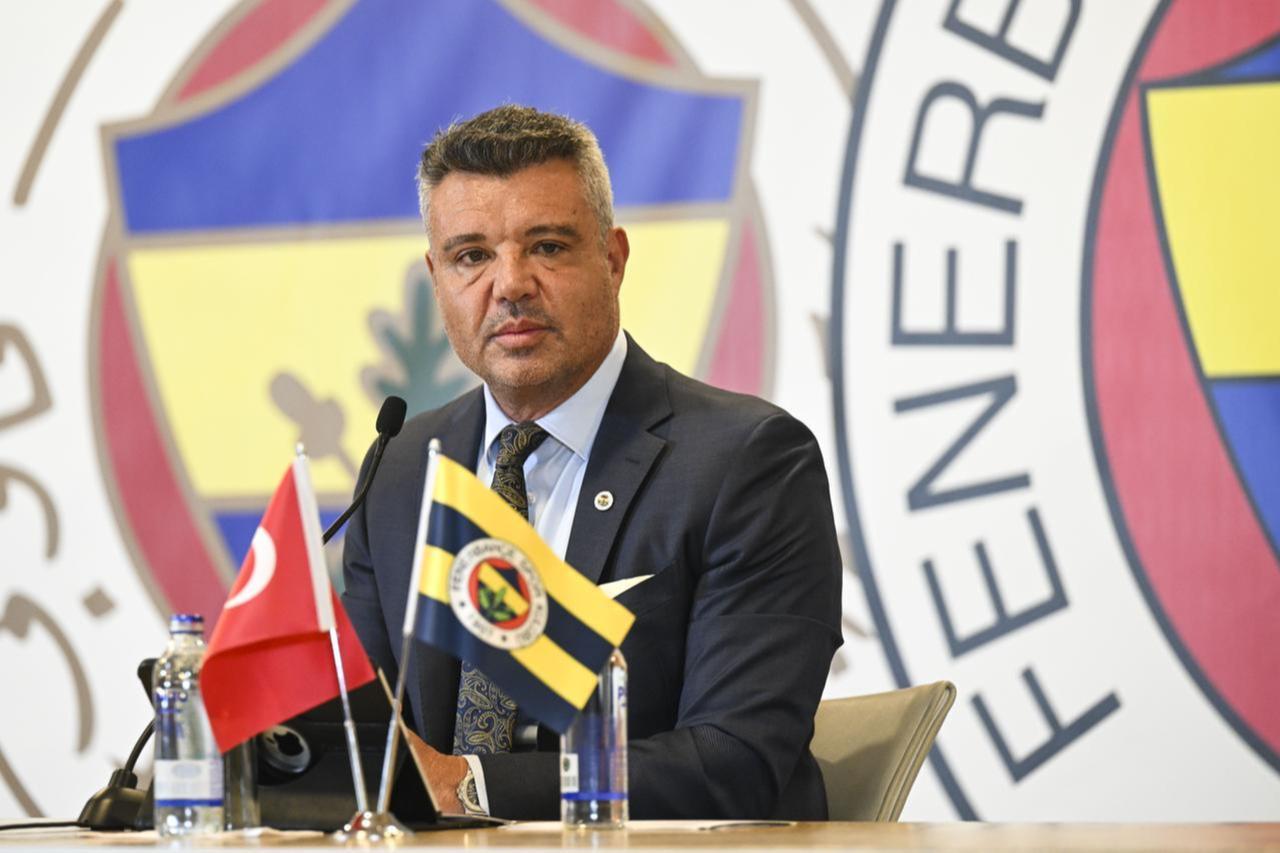


Sadettin Saran, head of Fenerbahce Sports Club and a prominent Turkish businessman, was taken into custody again on Wednesday as part of an ongoing drug investigation led by the Istanbul Chief Public Prosecutor’s Office.
The move came after forensic test results indicated the presence of cocaine metabolites in a hair sample taken from Saran, prompting prosecutors to expand the scope of the inquiry.
Security was heightened around Istanbul’s Caglayan Courthouse from the early morning hours, where large numbers of riot police and armored water cannon vehicles were deployed ahead of Saran’s expected transfer.
According to Turkish media reports, authorities took the measures in anticipation of his arrival from the Istanbul Provincial Gendarmerie Command in Sariyer, where he had spent the night.
Local outlets reported that Fenerbahce officials and supporters were also expected to gather near the courthouse in support of Saran, adding to the security precautions in the area.
The investigation began earlier this month as part of a wider probe into alleged drug use and distribution networks overseen by the Istanbul Chief Public Prosecutor’s Office.
Saran was first questioned on Dec. 20 after returning to Türkiye from abroad and was asked to provide biological samples as part of the inquiry.
Blood, urine, and nail samples taken from Saran did not indicate drug use. However, a hair sample analyzed by the Council of Forensic Medicine later tested positive for cocaine, with the report submitted to prosecutors on Dec. 24.
Under Turkish forensic practice, hair testing can reveal substance use over a longer period than blood or urine analysis, sometimes covering several months.
Following the delivery of this report, prosecutors ordered Saran to be taken into custody on suspicion of drug use, facilitating drug use, and supplying narcotics.
Saran was taken from the Fenerbahce presidency offices under official supervision and transported to the gendarmerie. Authorities stated that he went in his own vehicle and that the process proceeded without incident.


Saran has denied all allegations and has stated that he has never used narcotics.
In statements submitted to prosecutors and later shared publicly, he said the test result could be linked to herbal or organic substances he had consumed during periods of stress.
He also addressed substances found at his residence in Assos, saying they were not drugs but remnants of burned sage, lavender, and coffee grounds used to repel insects during social gatherings.
According to his statement, these materials were misidentified in preliminary testing and should be reexamined through full forensic analysis.
Saran further denied claims that he supplied drugs to others and said that messages cited in the investigation had been misinterpreted. He stated that the wording in the messages reflected metaphorical or casual language rather than references to illegal substances.
He formally requested additional testing, including analysis by independent laboratories, and said he would cooperate fully with investigators.
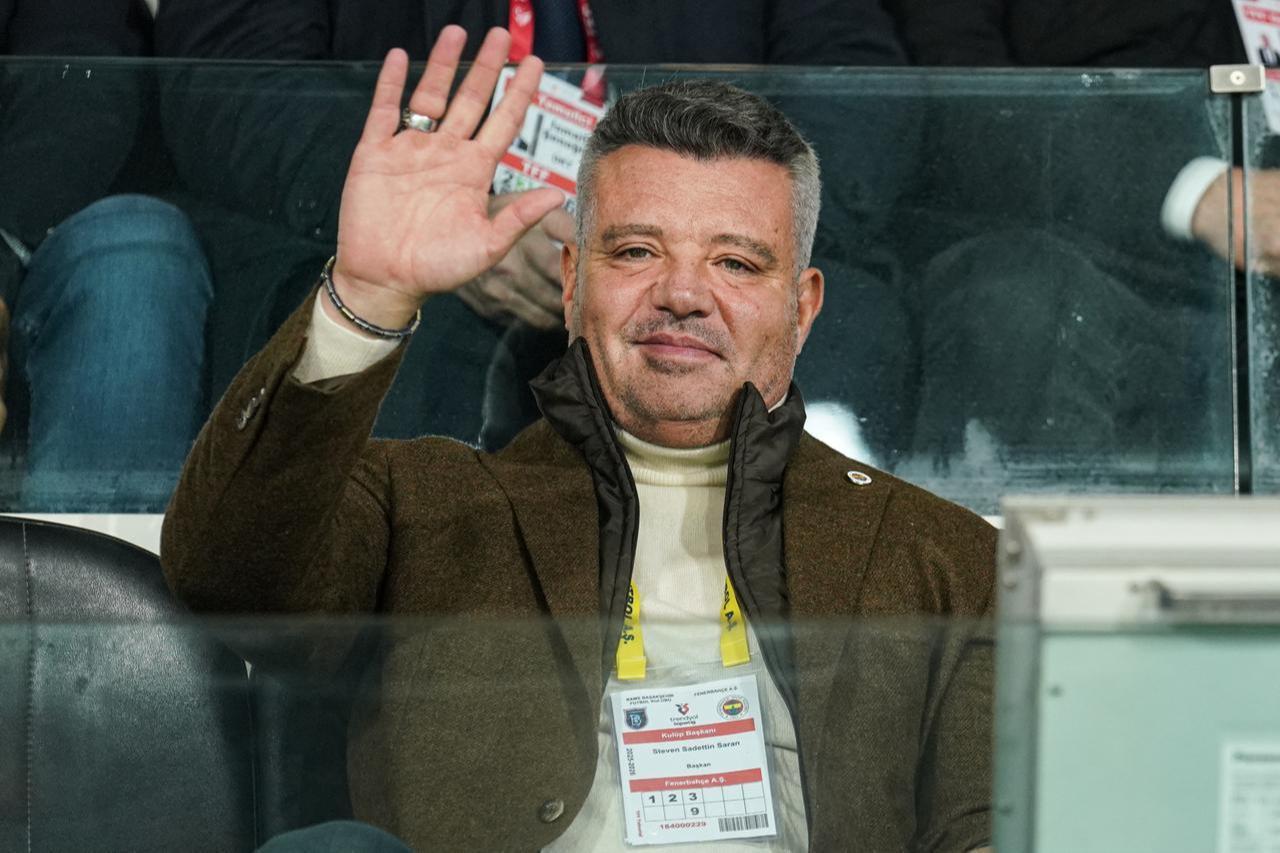
Fenerbahce Sports Club confirmed Saran’s detention in multiple statements and emphasized that the judicial process was ongoing.
The club said Saran went to the gendarmerie under official guidance and that all procedures were being conducted within the framework of the law.
According to reporting by Fanatik, under Turkish sports law and the legislation governing sports clubs, a club president cannot be removed from office unless a final court ruling is issued.
Even in cases involving detention or judicial control, a conviction must be finalized before any change in leadership can take place.
The same reporting noted that while a president may temporarily delegate duties, the legal status of the presidency remains unchanged until the conclusion of judicial proceedings.

The case has attracted significant public attention due to Saran’s high profile and the broader scope of the investigation, which involves several public figures.
Prosecutors say Saran’s name entered the case following testimony and digital material obtained from another suspect, Ela Rumeysa Cebeci, who remains in custody.
Messages recovered from her phone were cited as part of the investigation, though Saran has denied any criminal interpretation of the correspondence. He stated that the messages were taken out of context and did not involve illegal activity.
Separately, businessman Kenan Tekdag, whose name appeared in parts of the case file, rejected claims made about him and said any references stemmed from long-running commercial disputes rather than criminal conduct.
As of Dec. 25, prosecutors are expected to decide whether to seek Saran’s formal arrest, maintain judicial control measures such as a travel ban, or release him pending further investigation.
No indictment has yet been issued, as the next phase of the process will depend on the evaluation of forensic findings, witness statements, and digital evidence already collected by investigators.


 Set as preferred source
 Set as preferred source


 2 min read