Newsletters


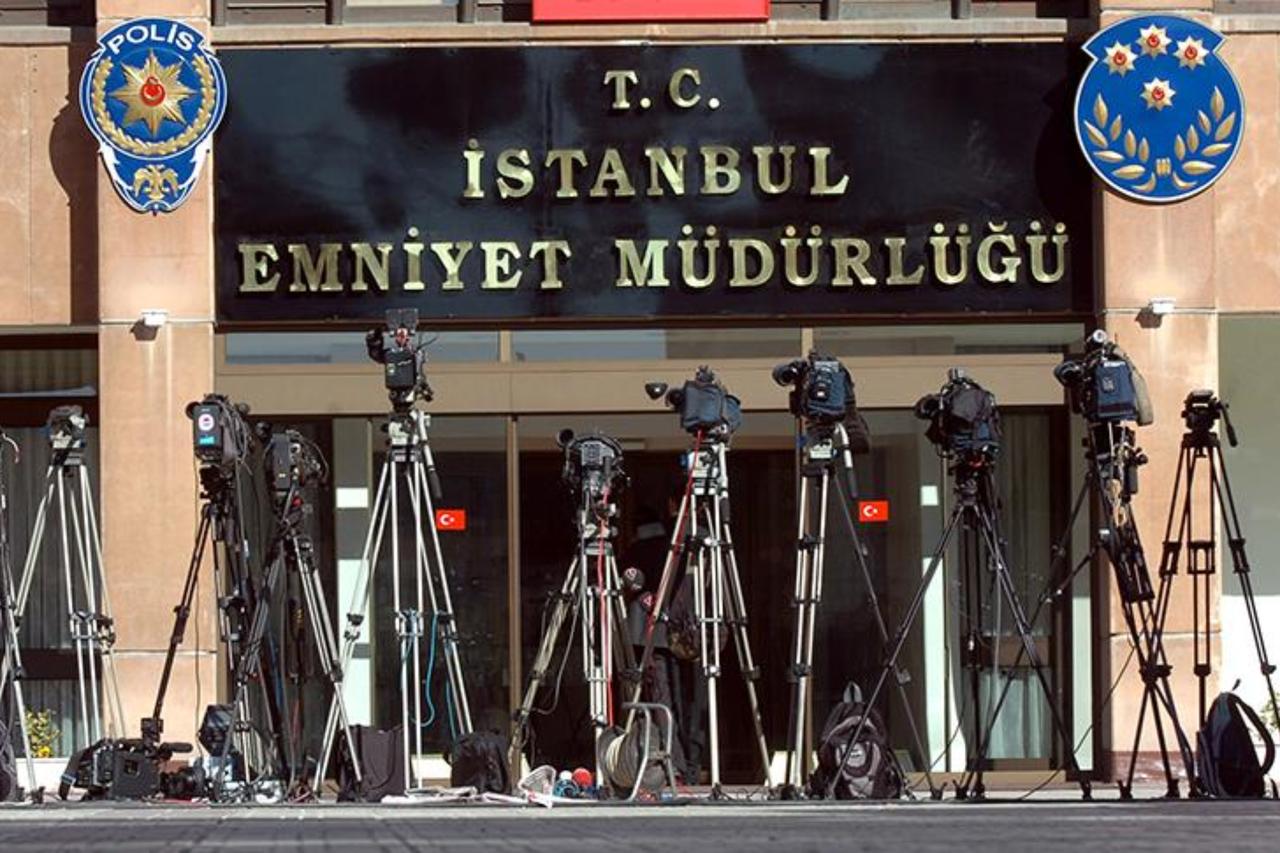


In recent weeks, Türkiye has witnessed a rapid expansion of drug-related investigations, moving from media executives and television presenters to celebrities and social media influencers.
What began earlier this autumn as testing-based inquiries has, since early December, shifted toward detentions, arrests, and coordinated searches, drawing growing public attention both for its scope and for how it is being framed.
The investigations are being led by the Istanbul Chief Public Prosecutor’s Office and have unfolded in distinct phases, rather than as a single operation.
While authorities stress that each case is being handled within the bounds of criminal procedure, the evolving focus and visibility of those targeted have prompted debate among journalists, legal experts, and political figures.
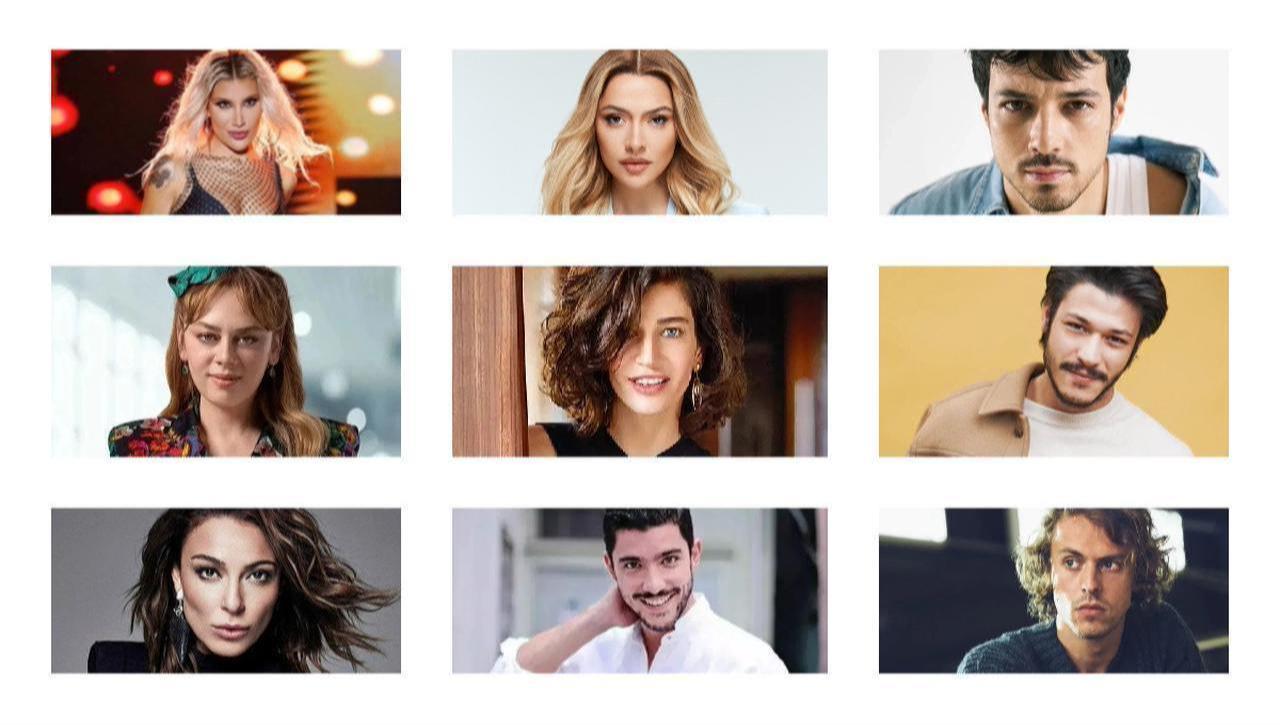

The current wave follows an earlier operation in October, when prosecutors summoned 19 well-known public figures, including actors, singers, and social media personalities, as part of an investigation into alleged drug use.
That operation, launched on early October, did not involve detention orders. Instead, individuals were escorted by gendarmerie teams to provide statements and undergo blood and hair testing.
Prosecutors emphasized at the time that the inquiry was limited to verifying allegations under Article 191 of the Turkish Penal Code, which covers personal drug use and prioritizes treatment, rehabilitation, or probation over imprisonment in many first-time cases.
Forensic results released later in October showed a mixed picture. Some individuals tested negative and were cleared in November through non-prosecution decisions.
Others showed traces of narcotics or prescription substances, and their files remained open. Despite positive test results in some cases, no arrests were announced during that phase.
In early December, the investigation entered a more coercive phase.
On Dec. 5, television presenters including Ela Rumeysa Cebeci and Meltem Acet were taken in for questioning as part of the same drug-related file. They were initially released after giving statements, but developments continued.
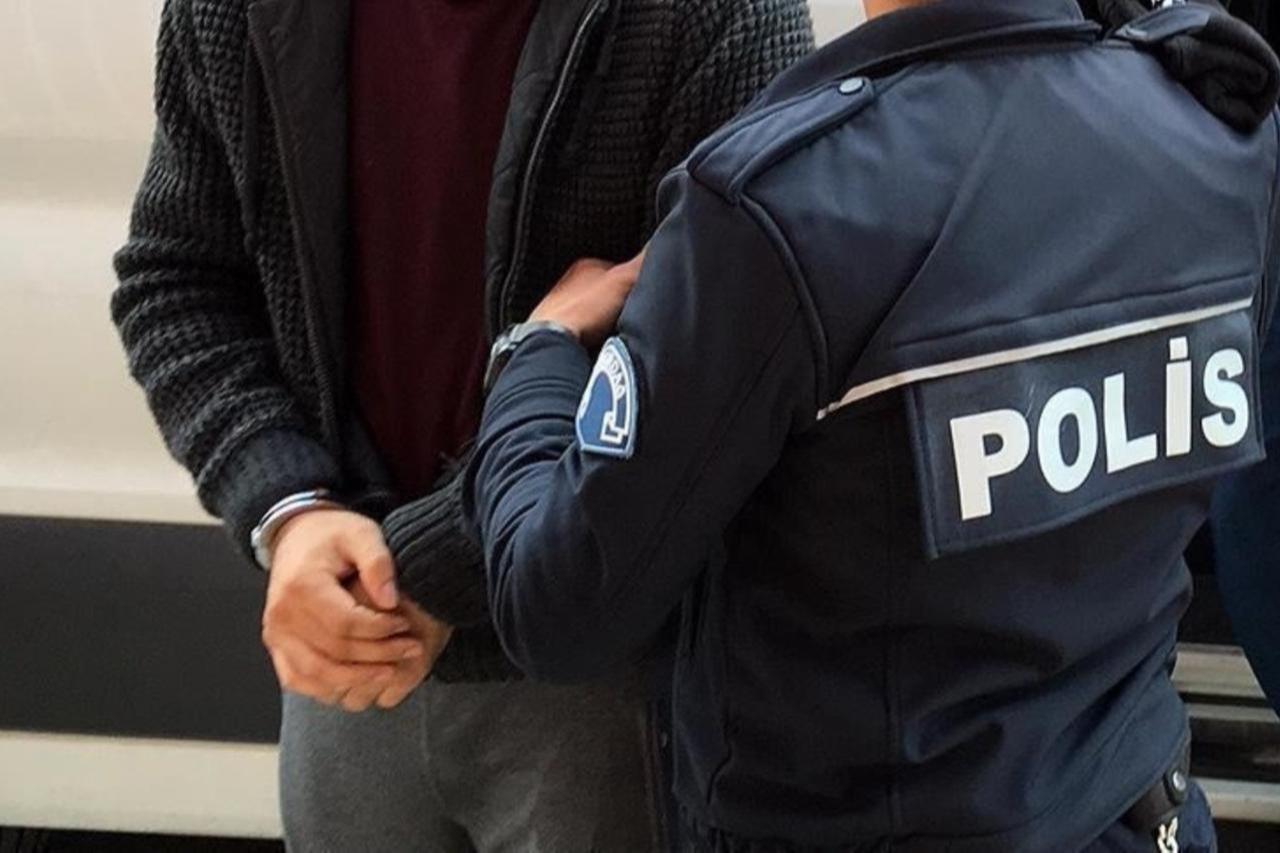
On Dec. 9, Mehmet Akif Ersoy, Editor-in-Chief of Haberturk TV, was detained by gendarmerie units and later arrested. Several employees of the channel were also taken into custody.
Prosecutors cited allegations ranging from drug use and possession to facilitating drug use, with Ersoy’s case quickly becoming one of the most closely watched elements of the investigation.
Further developments followed on Dec. 16 and 17, when social media figure and business owner Sercan Yasar was released after giving testimony under the “effective remorse” provisions, while Cebeci was rearrested on Dec. 17 after toxicology results and additional evidence were evaluated.
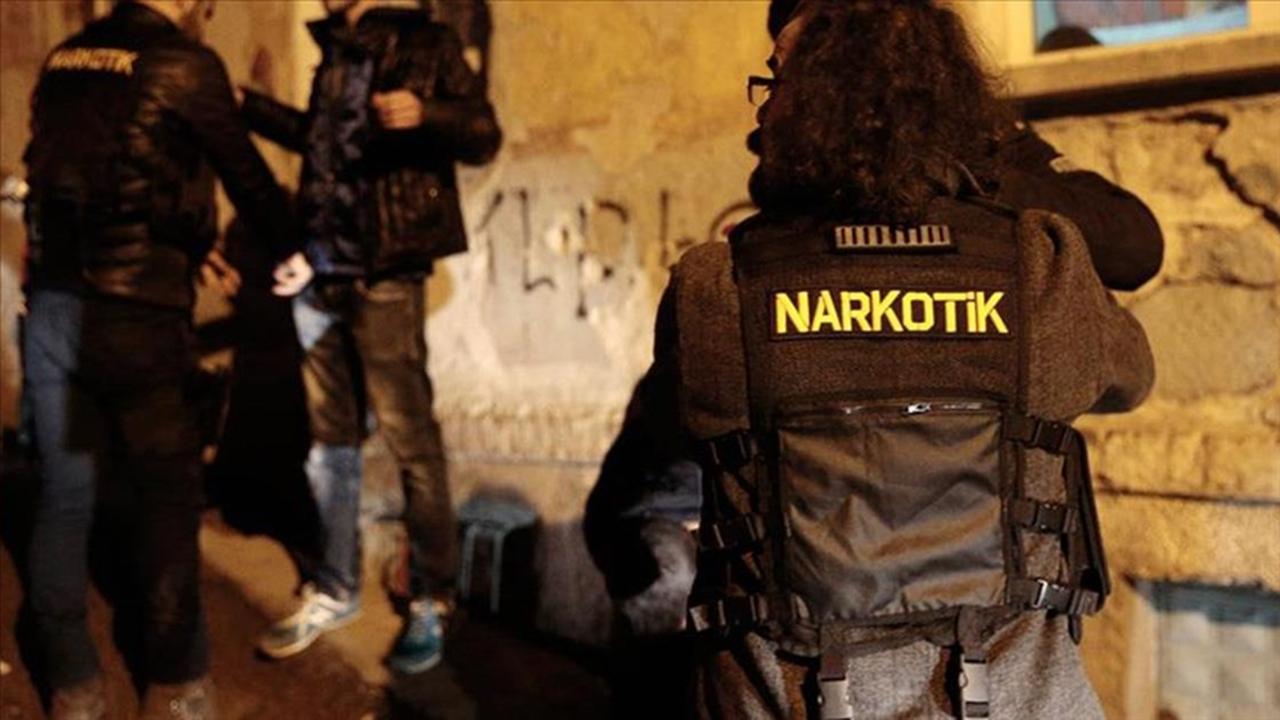
The most visible escalation came on the morning of Dec. 18, when gendarmerie teams carried out simultaneous searches across multiple districts in Istanbul.
Actors Irem Sak, singer Aleyna Tilki, social media influencer Danla Bilic, and Mumine Senna Yildiz were detained. Arrest warrants were also issued for Seyma Subasi, Sevval Sahin, and Mert Vidinli, who were reported to be abroad at the time.
The same investigation has also issued arrest warrants for business figures Kasim Garipoglu and Burak Ates, according to prosecutors.
Prosecutors stated that “reasonable suspicion” existed regarding the use of narcotic or stimulant substances.
Lawyers for some of those detained said no illegal substances were found during searches and stressed the presumption of innocence.
Taken together, the December developments show a widening circle of targets.
The investigation now spans media executives, journalists, television presenters, entertainers, influencers, and business figures linked through the same prosecutorial file.
This breadth has made the operations highly visible. Unlike October’s largely procedural testing phase, December’s actions have involved deprivation of liberty, court hearings, and publicized detentions, placing well-known figures at the center of daily news coverage.
Why Ersoy's case complicates narratives
Among the names involved, Mehmet Akif Ersoy’s detention stands out for reasons that go beyond his professional role.
Ersoy was detained on Dec. 9, days before the celebrity-focused operations, and is a figure long associated with mainstream media rather than entertainment. His arrest prompted public discussion not only in opposition circles, but also among figures with past ties to the ruling AK Party.
Former AK Party lawmaker Samil Tayyar publicly questioned whether all individuals facing similarly serious allegations were being treated equally, as reported by Cumhuriyet.
He suggested that selectivity could become an issue if enforcement appeared uneven. His remarks signaled that questions about consistency are not confined to a single political camp.
While prosecutors emphasize that each step is grounded in criminal law, the evolving public narrative has focused heavily on famous names and personal conduct.
High-profile detentions, health checks, and search operations have dominated media coverage, while less attention has been paid to broader issues such as trafficking networks, supply routes, or long-term prevention strategies.
Legal experts note that Turkish drug legislation brings together very different acts under broadly defined provisions, a structure that can create uncertainty at the investigation stage.
The Turkish Penal Code distinguishes between personal drug use, facilitating use, providing space or means for use, and trafficking, but these distinctions often become clear only after a suspect has been detained and the investigation has advanced.
Lawyer Dogan Erkan, speaking to BBC News Turkish, said the current legal framework lacks clarity and predictability. “This regulation is not compatible with proper legal drafting,” Erkan said, noting that acts with very different levels of gravity can initially be treated under the same procedural umbrella.
“For example, a consumer who obtains drugs to use with a friend and a person who sells drugs can be subject to the same penalty.”
Erkan added that, in practice, the legal classification of a suspect’s actions frequently emerges only after searches, toxicology results, witness statements, and other evidence are evaluated.
This structure, Erkan warned, can result in early-stage measures that appear severe, even in cases where the individual is later found to fall within personal use limits.
The investigations are unfolding against a backdrop of rising concern about drug use and trafficking in Türkiye.
Authorities have repeatedly acknowledged the country’s exposure to regional trafficking routes, as well as growing domestic consumption.
Against that backdrop, focusing public attention primarily on visible individuals risks narrowing a structural problem into a series of personal scandals. At the same time, it reinforces a public narrative that frames drug use as an issue associated with culturally prominent circles rather than as a broader social and structural concern.
However, available research suggests that drug use in Türkiye is more closely linked to education levels, early exposure, and peer networks than to wealth or cultural visibility.
This contrast highlights how headline-driven coverage can distort public understanding by elevating exceptional cases over more representative patterns.
On the other hand, political journalists and commentators have begun debating how to interpret the scope and sequencing of the operations.
Writing for T24, journalist Gokcer Tahincioglu argued that recent drug-related investigations have coincided with probes affecting media organizations, companies, and financial structures known for their proximity to the government, fueling speculation about possible internal shifts.
He noted that the visibility of cases involving major media institutions has disrupted long-held assumptions within political and media circles that figures and organizations close to the AK Party-led government would remain outside the scope of such investigations.
Without asserting a single motive, Tahincioglu suggested that the order and timing of recent operations have prompted debate among journalists, political commentators, and industry figures about whether enforcement priorities are shifting within the state, particularly as investigations extend beyond groups traditionally associated with drug-related cases.
These discussions do not assert a unified motive, but they signal why the current wave is being read as more than routine policing. The fact that debate spans mainstream and pro-government circles alike has kept questions alive about consistency, proportionality, and long-term intent.


 Set as preferred source
 Set as preferred source


 2 min read