Newsletters


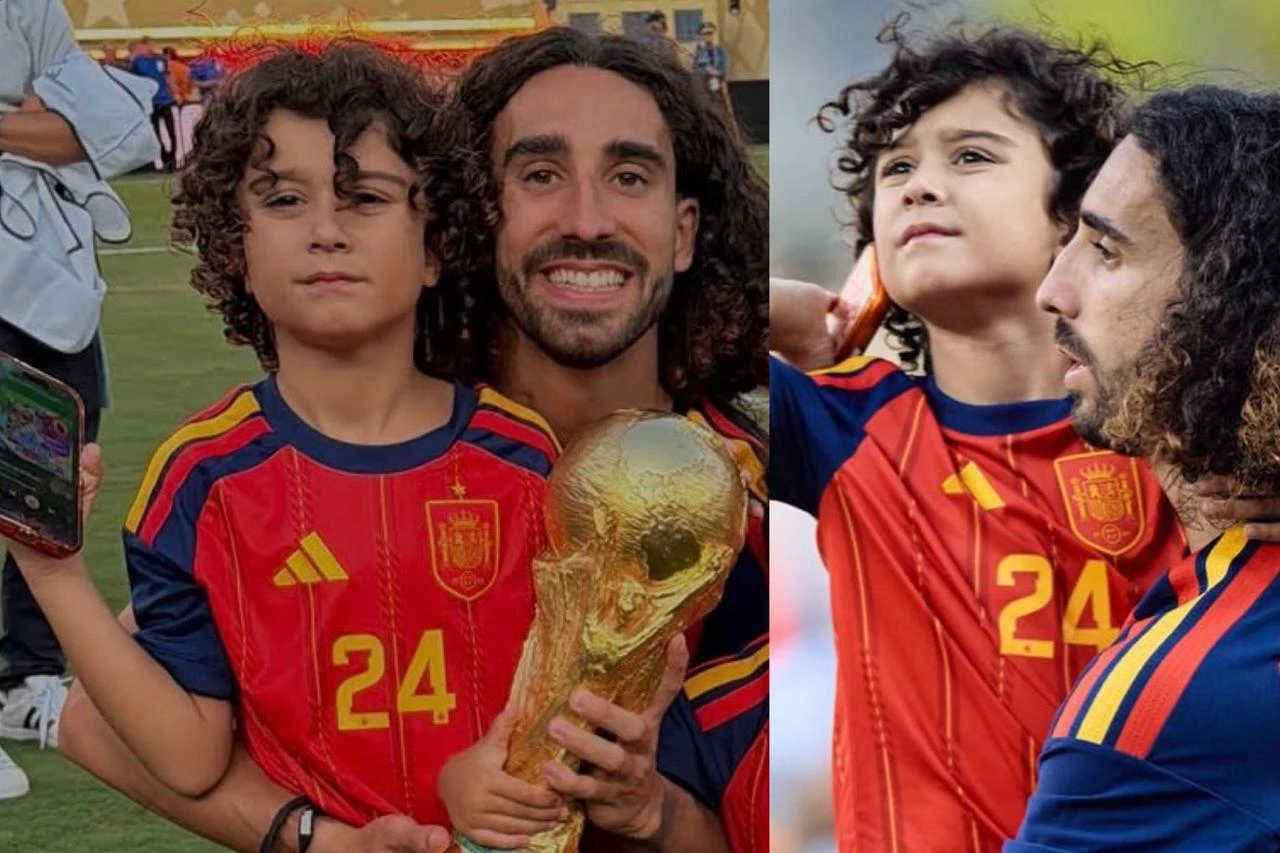


Spain defender Marc Cucurella has opened up about how raising his autistic son, Mateo, has reshaped his family’s daily life and influenced major decisions involving education, travel and his football career.
Speaking on La Media Inglesa and in the documentary “Married to the Game,” Cucurella became emotional while looking back on the period after Mateo’s diagnosis. He explained that the family initially struggled to understand how to support their son because they had received little guidance.
“When we talk about Mateo...” Cucurella said before breaking down in tears.
The defender said that although parents are told their child is autistic, they are not necessarily prepared for what follows.
“Okay, your child is autistic. But the parents are not prepared for this. We had to learn everything from scratch,” he said.
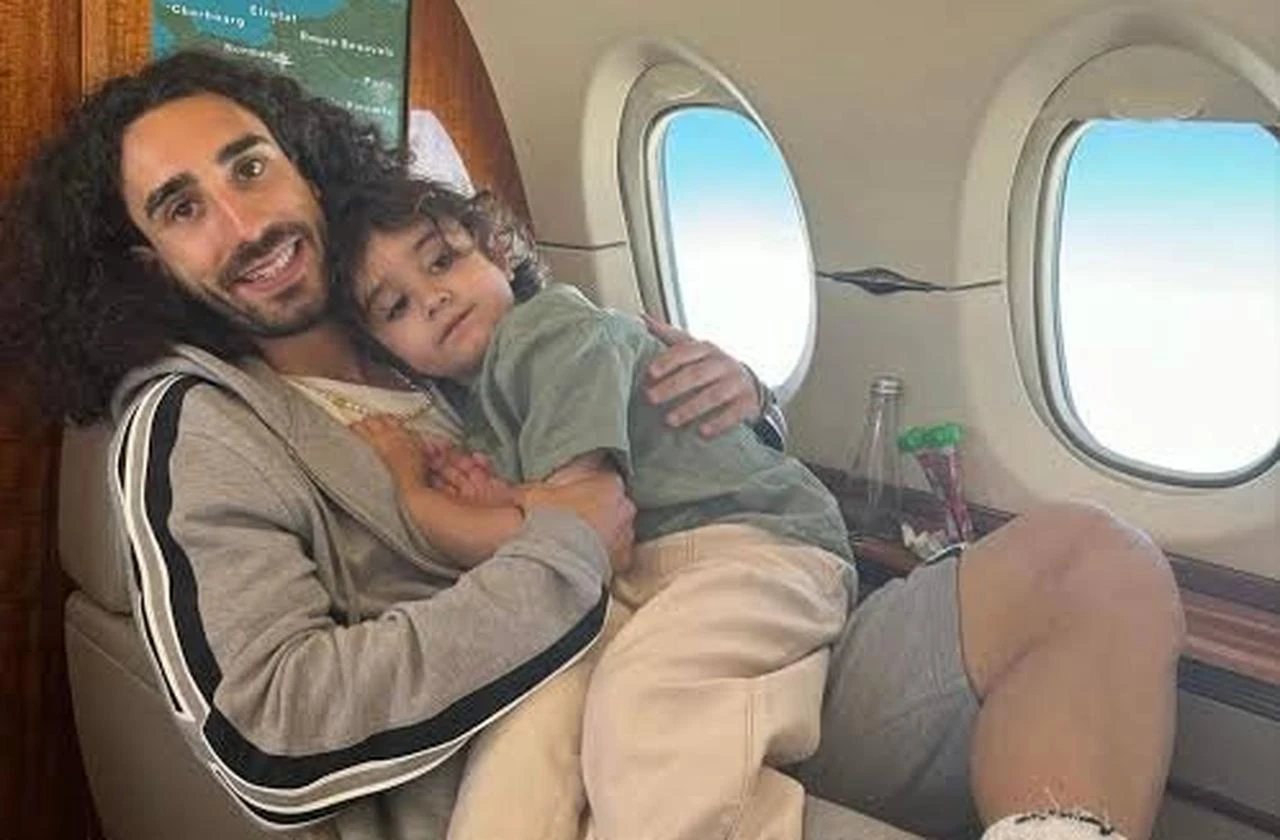

Cucurella said one of the hardest parts was watching Mateo struggle without knowing how to step in and make the situation easier for him.
The difficulties became particularly clear when Mateo attended a mainstream school, meaning a regular school not specifically designed for children with additional educational needs. Cucurella said his son would often leave crying and sometimes had to be taken home after only a few hours.
His partner, Claudia Rodriguez, recalled that both parents would take Mateo to school in the morning and later return home in tears because the experience had been so difficult for him.
Rodriguez said the family received limited support after the diagnosis and had to work out many of Mateo’s needs themselves.
Changes involving location, schedules, meals, school and therapy can be particularly stressful for Mateo, leading the family to plan holidays and other activities carefully.
Rodriguez explained that they now think about how every decision could affect their son. Although the family may want to take part in certain activities, they sometimes give them up when they believe the experience would not be suitable for him.
She said holidays can be especially challenging because they bring several changes at once, while returning to familiar surroundings and routines often helps Mateo settle down.
These considerations have gradually become part of the family’s wider decision-making process, extending from school and travel to Cucurella’s professional future.
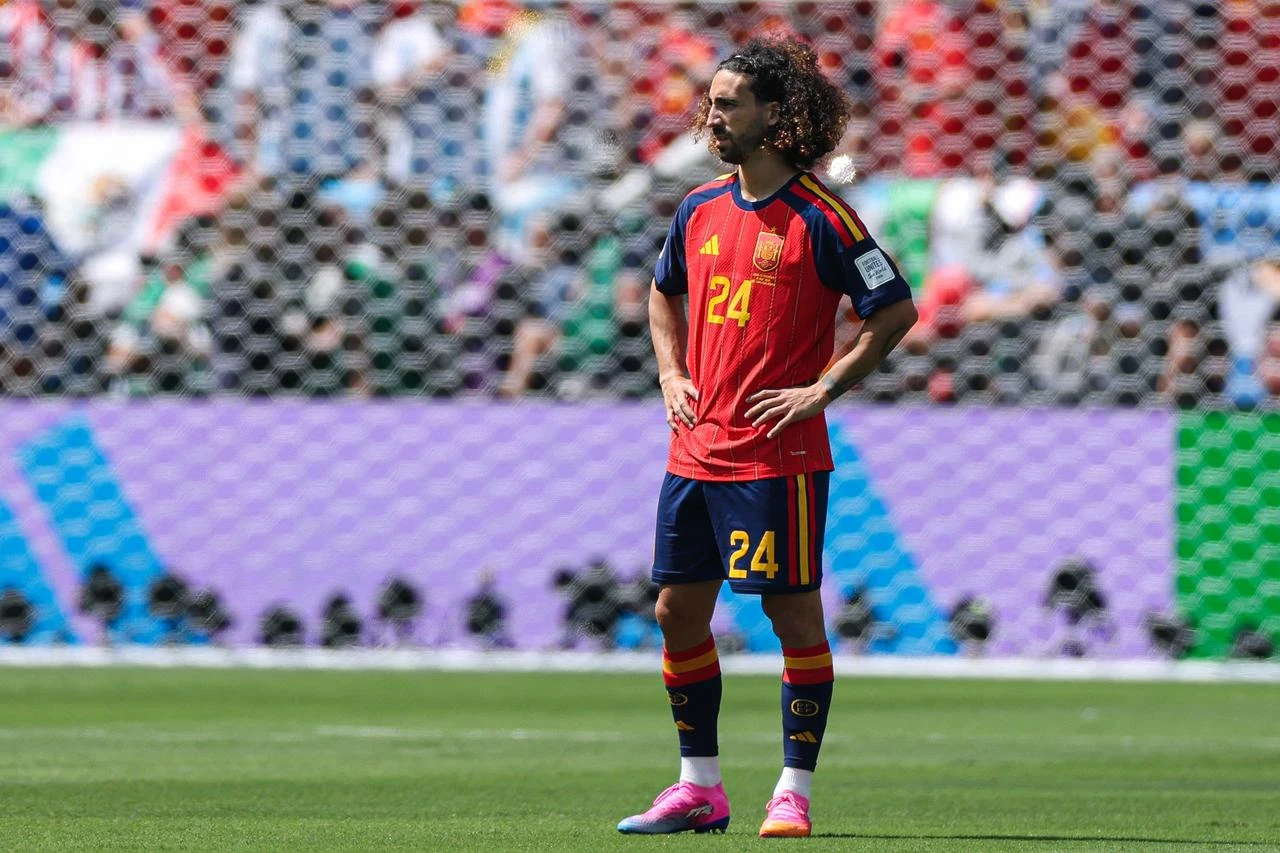
Speaking to Radioestadio Noche, Cucurella said that whenever another club shows interest in signing him, his family first checks whether the area offers suitable schools and therapy services for Mateo.
The defender said his family’s well-being remains his priority because stability at home allows him to perform better on the pitch.
“If my family is doing well, I can also give my best on the field,” he said.
Cucurella and Rodriguez, who are also parents to Rio and Bella, said Mateo had brought significant happiness into their lives and helped them see the world from a different perspective.
“Even a small step forward brings more joy than anything else,” Cucurella said.
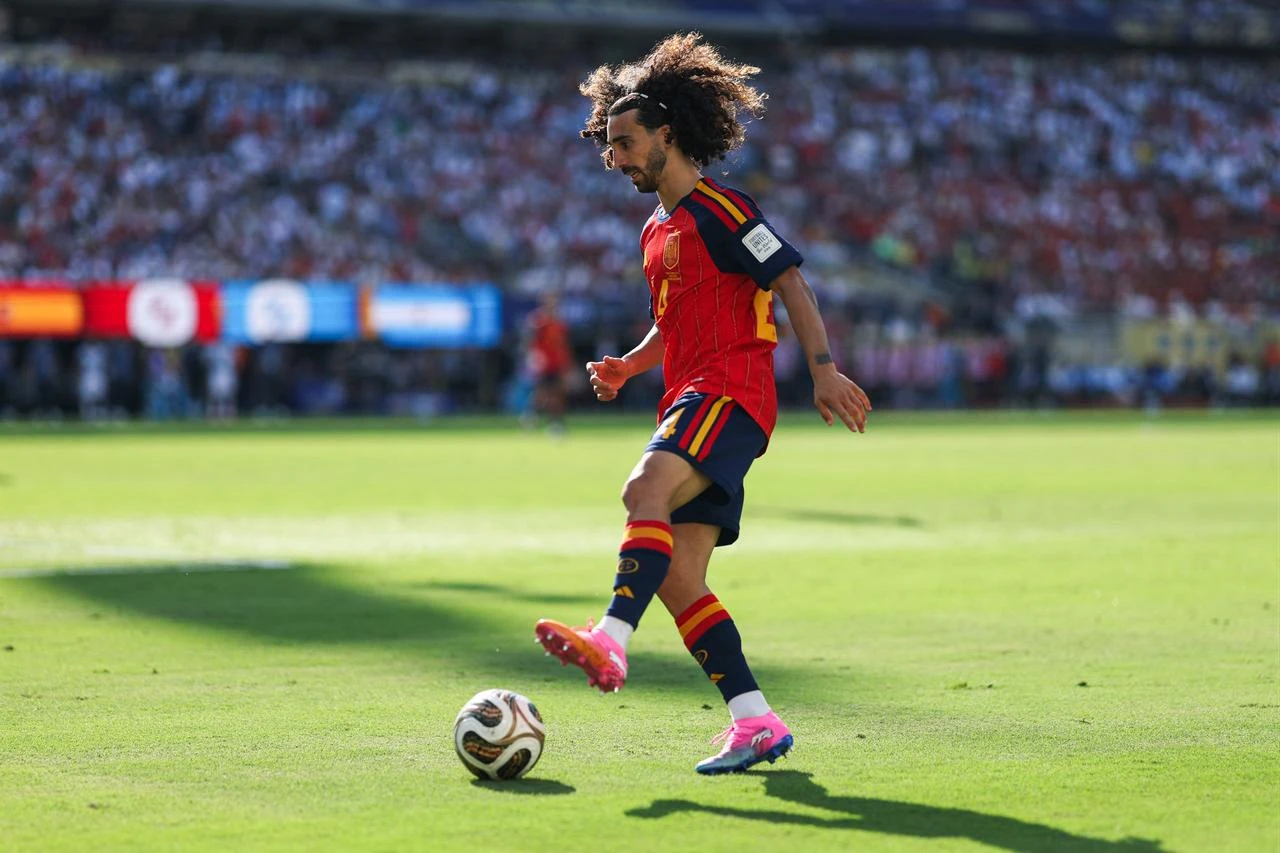
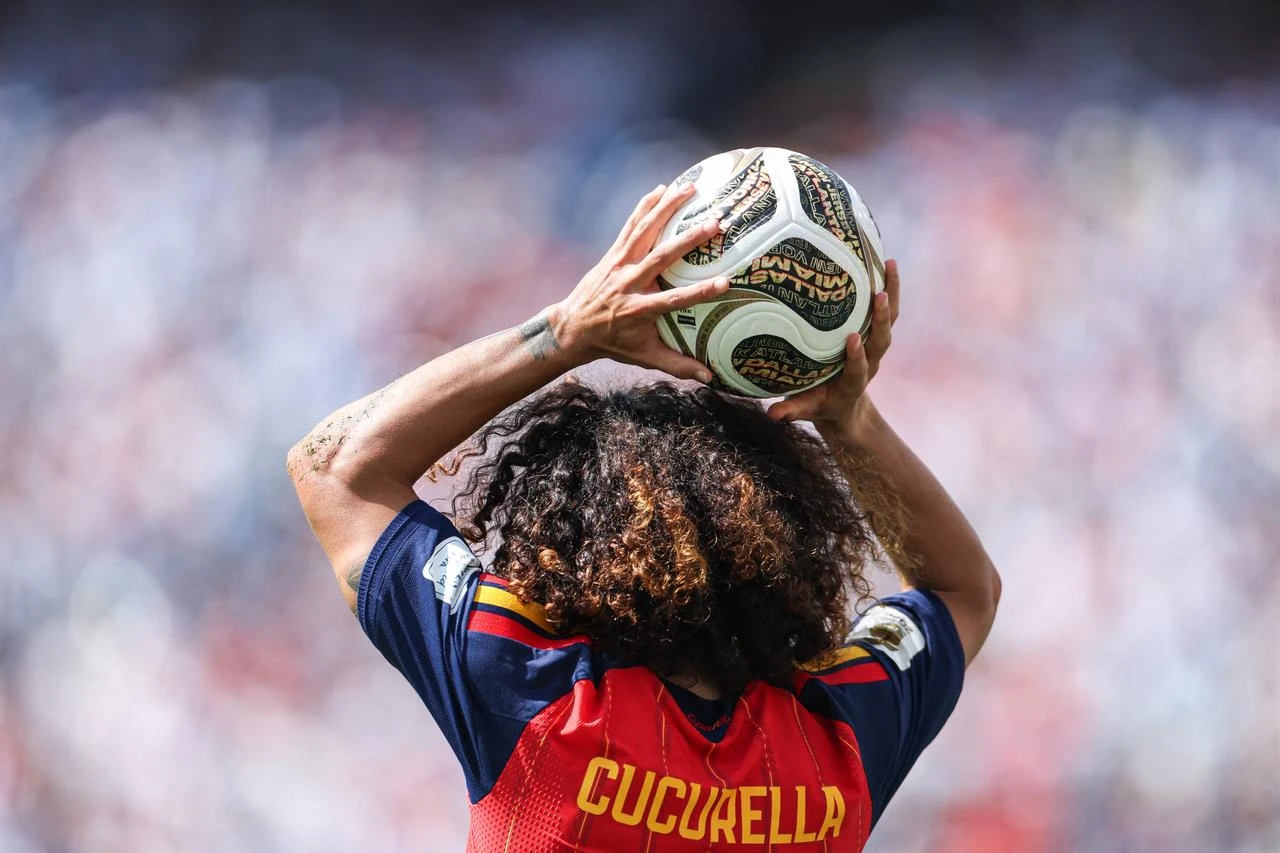
Cucurella’s long, curly hair has become one of his most recognizable features on the football pitch. Reports have suggested that he keeps it untied because the distinctive hairstyle helps Mateo recognize him more easily during matches.
The gesture reflects how closely Cucurella’s football career has become connected to his role as a father, with even small choices shaped by his son’s needs.
By speaking publicly about the family’s experience, Cucurella said he hoped to support other parents raising autistic children.
“I think kids like Mateo are amazing. He’s definitely changed our lives, brought us a lot of joy and allowed us to see the world differently,” he said.


 Set as preferred source
 Set as preferred source


 1 min read