Newsletters


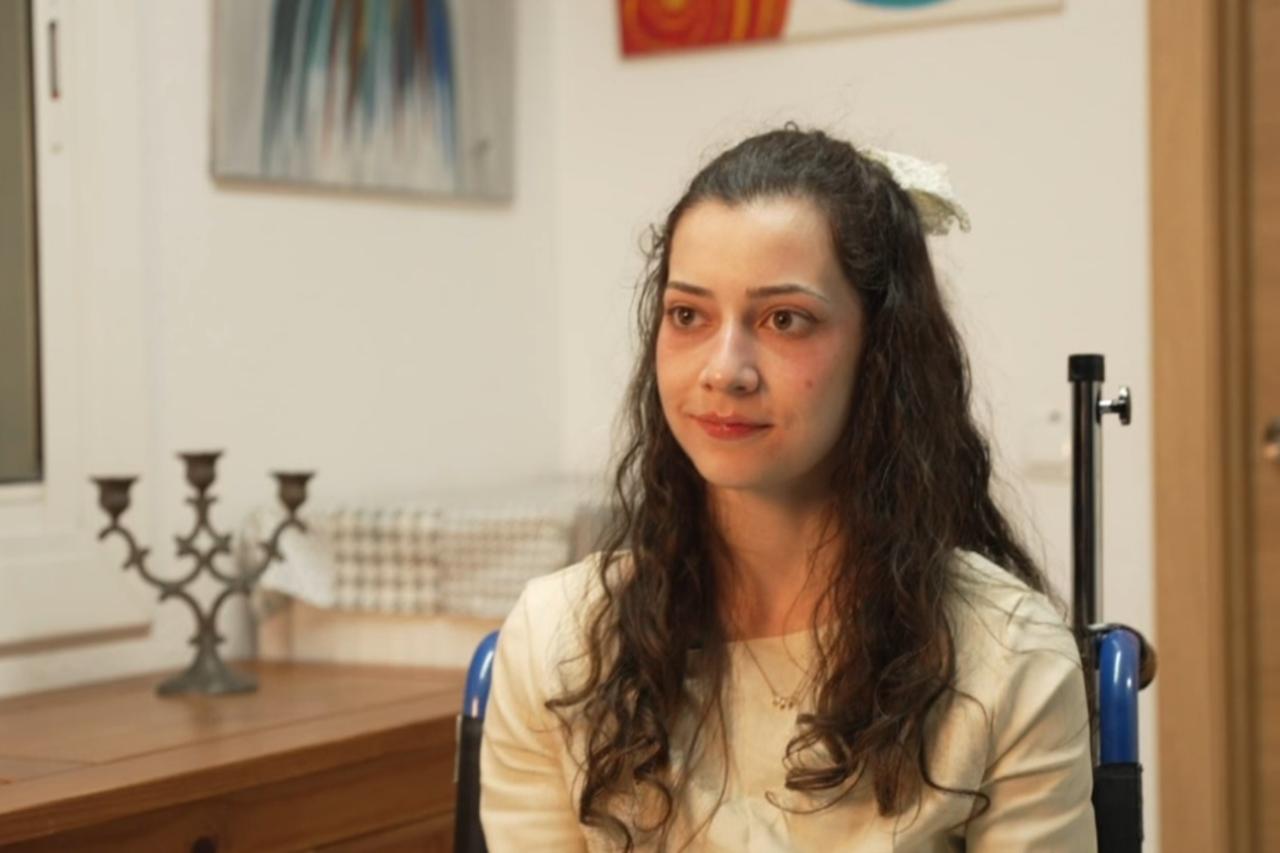


A 25-year-old Spanish woman has died by euthanasia after a prolonged legal battle with her father, in a case that drew national attention and renewed debate over assisted dying.
Noelia Castillo received life-ending medication in Barcelona on Thursday after courts rejected her family’s attempts to block the procedure. Her case became one of the most closely followed euthanasia disputes in Spain since the law was introduced in 2021.
Her decision followed years of severe physical and psychological suffering, including sexual abuse and a gang rape that she described as a turning point in her life.
“I just want to go peacefully now and to stop suffering,” she said in a television interview recorded days before her death.
Castillo said she was sexually assaulted on multiple occasions, including by a former partner of four years and later by three men in 2022, which she later described as a turning point in her life.
Days after the second assault, she attempted to take her own life.
According to legal rulings cited by Sky News, she jumped from a fifth-floor window after a previous overdose attempt. She survived but was left paralysed from the waist down and reliant on a wheelchair.
Medical assessments later found she was living with severe, chronic, and disabling pain with no prospect of improvement.
"Sleeping is very difficult for me, and besides that, I have back and leg pain," she said, but added that even before, "my world was very dark... I had no goals, no objectives, nothing."
Noelia Castillo had been in psychiatric treatment since adolescence following her parents’ separation and was diagnosed with obsessive-compulsive disorder and borderline personality disorder.
She also described a difficult childhood marked by instability, including periods spent in care homes, and said she had long struggled with feelings of isolation.
Castillo formally applied for euthanasia in April 2024 through a Catalonia-based commission composed of doctors, legal experts, and bioethics specialists.
Her request was approved in July 2024, with the commission determining that she met all legal criteria, including a “serious and incurable” condition causing chronic and intolerable suffering.
In August 2024, her father initiated legal action that suspended the procedure. Supported by the conservative Catholic organisation Abogados Cristianos, he argued that her mental health conditions impaired her ability to make the decision.
Spanish courts repeatedly ruled in Castillo’s favour. In January, the Supreme Court upheld her right to die, finding no violation of fundamental rights.
Her father then appealed to the European Court of Human Rights, which rejected the request earlier this month, clearing the way for the procedure to proceed.
“The happiness of a father or a mother should not precede the happiness of a daughter,” Castillo said. “But what about all the pain that I’ve suffered all these years?”
Noelia Castillo said she wanted to be alone with her doctor at the moment of her death, although her family was given the opportunity to say goodbye.
She planned to wear her “prettiest dress” and put on makeup before the procedure. She also chose to keep four photographs with her, including images from her childhood, her first day of school, and a portrait she painted of her mother, which she described as representing “happy” moments in her life.
Her mother said she did not agree with the decision but respected it. Her father and supporting organisations continued to oppose Spain’s euthanasia law after her death.
Spain legalised euthanasia and assisted suicide in 2021 for adults experiencing severe and incurable conditions or chronic suffering. The process requires two formal requests, independent medical evaluations, and approval by a regional oversight body.
Since the law came into force, 1,123 people had undergone euthanasia in Spain by the end of 2024, according to the health ministry.
Noelia also said she did not want her case to serve as an example to others.
“I don’t want anyone to follow in my footsteps,” she said. “It’s just my life.”
While some may believe that staying, fighting, and continuing to live should remain the goal, her case reflects a more complex reality in which trauma does not fade in predictable ways. Experiences such as sexual violence can reshape how safe a person feels in their own body, at home, and even within close relationships, particularly when those environments are already unstable.
This persistent sense of threat can deepen both psychological and physical suffering, and although no one else has the right to decide for her, seeking help and support should always remain the first step.


 Set as preferred source
 Set as preferred source


 1 min read