Newsletters




An Iranian American engineering PhD student named Moone Rahimi attracted significant attention after a viral Instagram video showed her celebrating the killing of Iran’s Supreme Leader.
Weeks later, she said her cousin had been killed in a U.S. strike.
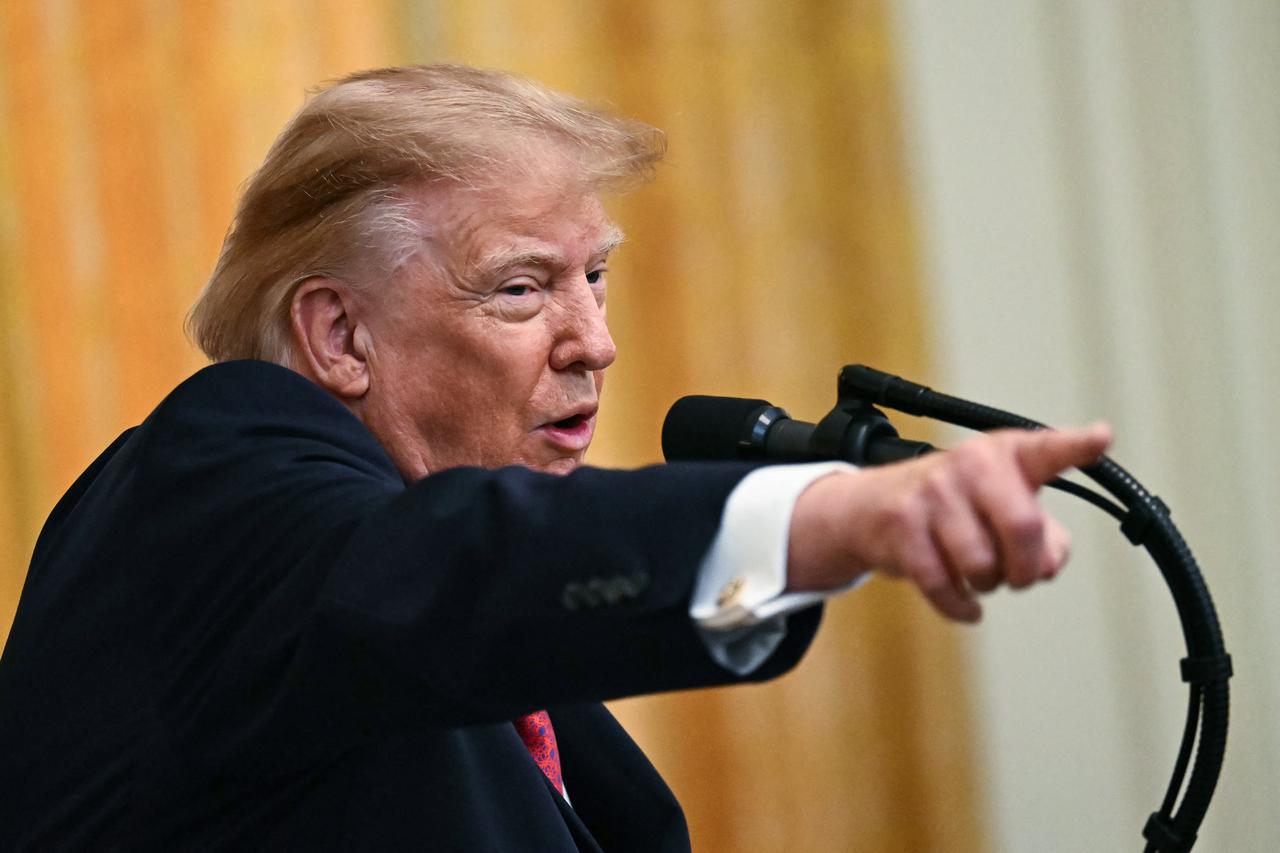
Rahimi drew over 4.2 million views after posting a video of herself dancing to YMCA while mimicking U.S. President Donald Trump's dance moves following the announcement of Ayatollah Ali Khamenei’s death.
The video, and what followed, has placed her at the center of a wider debate over war, responsibility, and how diaspora voices engage with conflict.
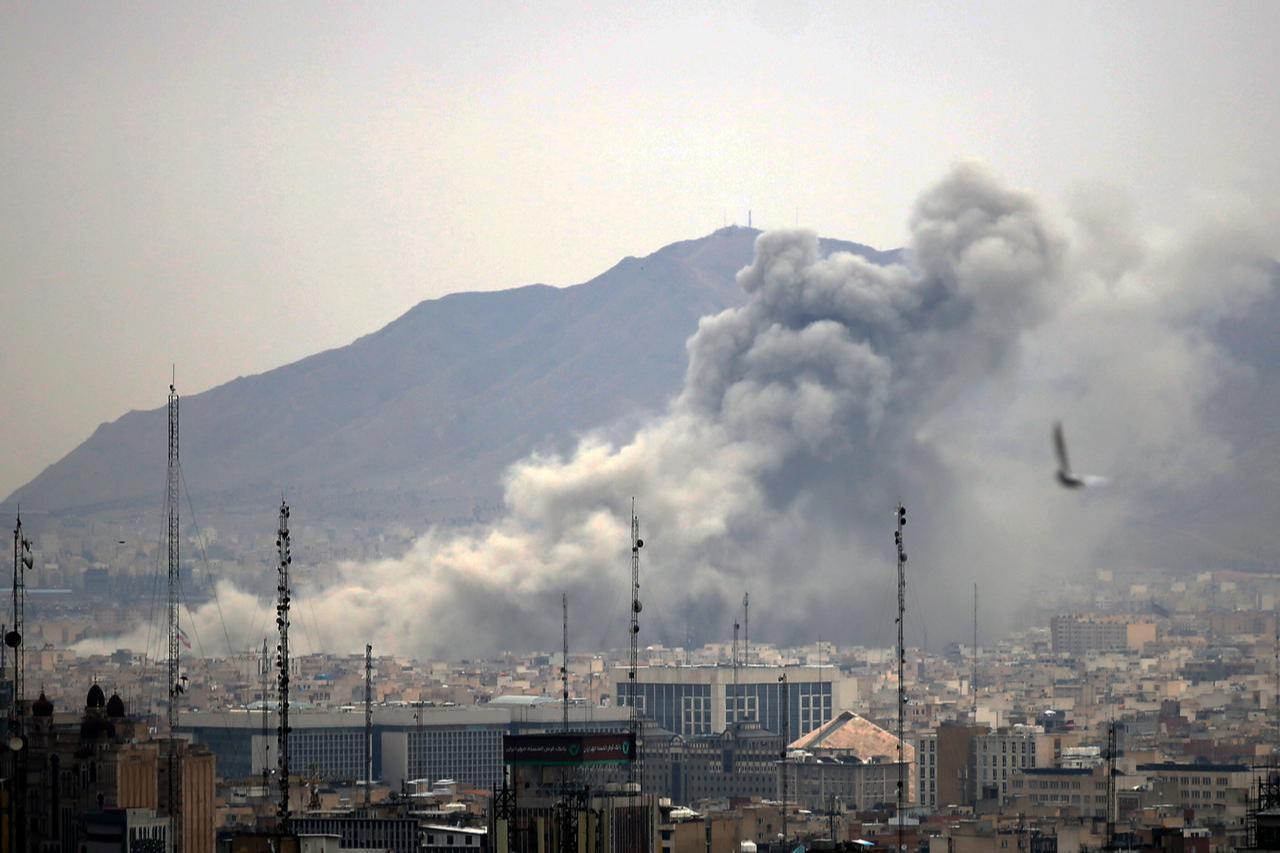

Rahimi’s video emerged amid sharply divided reactions among Iranians worldwide.
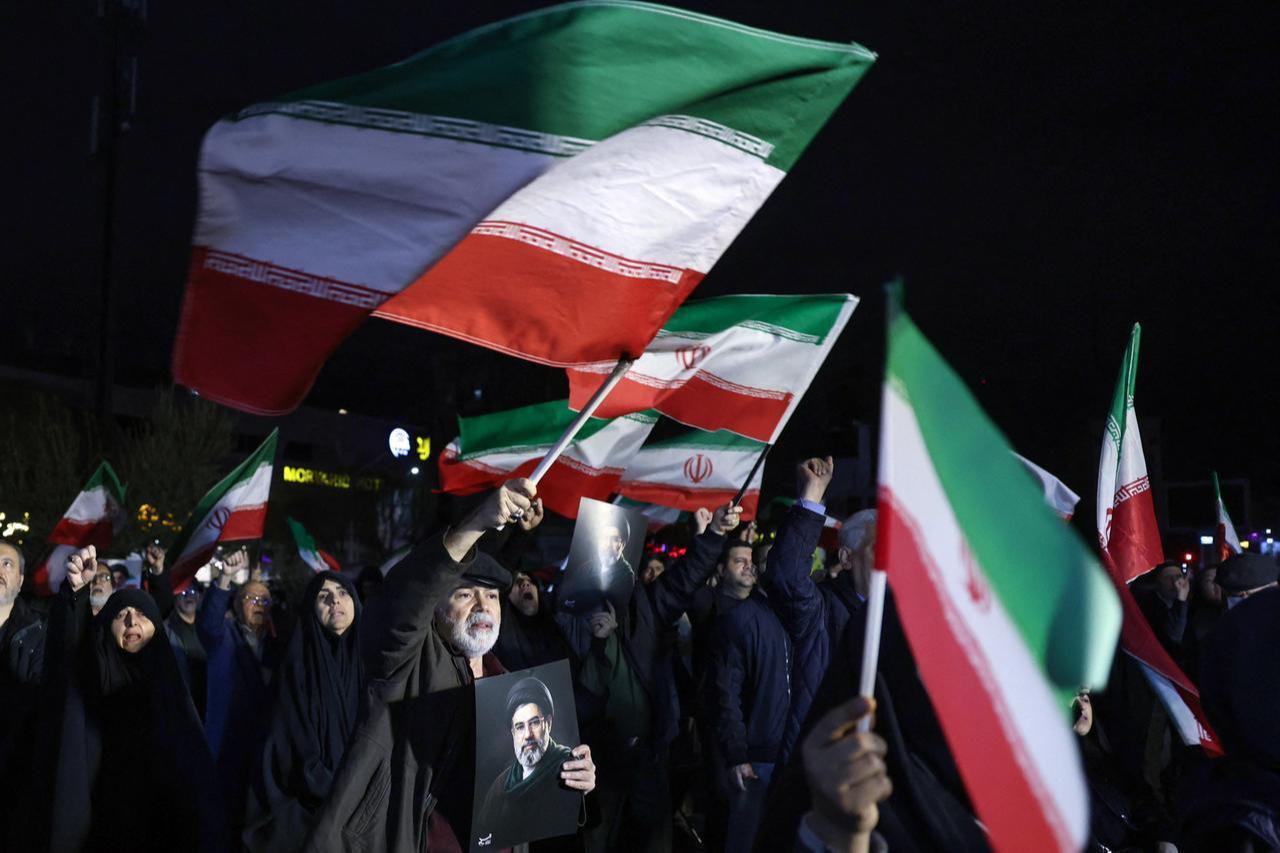
While Iranian state media broadcast mourning and framed Khamenei’s death as martyrdom, some Iranians abroad responded with celebration, sharing dance videos and memes across social media platforms.
Rahimi quickly embraced the moment. In a March 2 post, she wrote that “if you are looking for that Iranian woman who was dancing to a Trump song, that is me,” adding, “I left Iran a few years ago, and now I am doing my PhD in engineering in the United States.”
She continued by stating, “I am beyond grateful for the freedom here, the dream so many Iranians are fighting for,” before adding, “Thank you, America, for your love and support. Thank you, President Trump.”
Her public persona reinforces that alignment, with references to Trump and the “Make America Great Again” movement visible in her social media profiles.
Rahimi has consistently framed Iran’s leadership as violent and repressive.
In an appearance on Fox News, she described the system as “barbaric” and said it was holding the country “hostage,” arguing that arrests and executions were being used to suppress unrest. She said Iranian authorities rely on fear, and the regime is “using executions to spread fear” and maintain control.
She added that “this situation unfolding in Iran is described by some—particularly among people inside the country—as a ‘rescue mission,’” framing the conflict as one that certain Iranians perceive as a form of liberation.
Expanding on her claims, she argued that “this barbaric, brutal regime treats women in a very intense way."
She said that if a woman protests amid the unrest, “they are going to arrest them, and they are going to put them in jail, and, at the end, they are going to hang them."
She went on to recount her own experience of routine harassment by the morality police, noting that “they don’t care how much you cover yourself—if even a few strands of hair show beneath your hijab, they will arrest you.”
Her messaging intensified after the strikes.
In a March 25 post, she wrote that the “Islamic regime targets civilians in Israel and bombs neighboring countries, while Israel and the U.S. only target Islamic Revolutionary Guard Corps (IRGC) facilities and forces, not civilians," adding, “Do you think you would be safe from this regime wherever in the world you are? I am sorry, but the answer is no. No negotiations with the Islamic regime.”
Just minutes after those statements, Rahimi shared that her cousin had been killed.
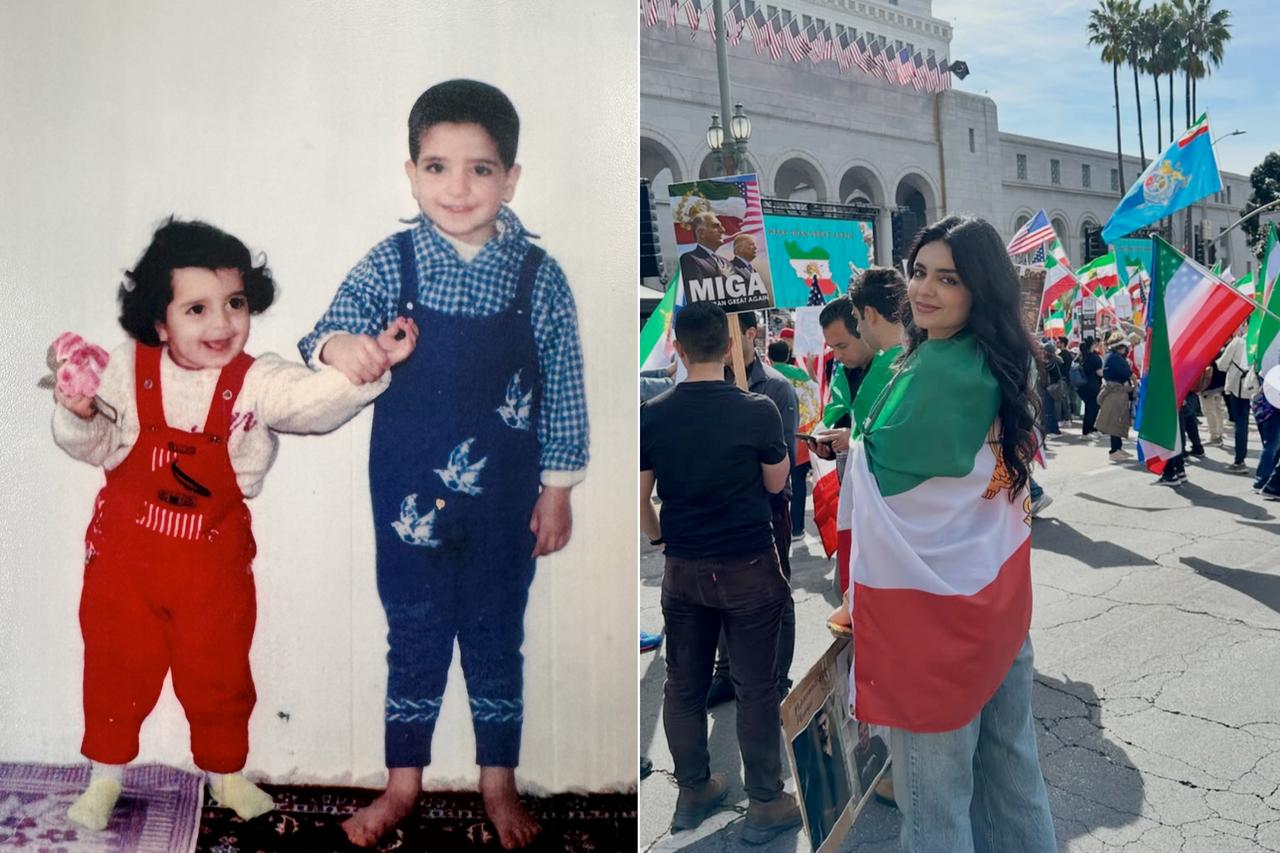
In a detailed post, she wrote, “This is me on the left with my beloved cousin, whom I lost last week. He would be alive if there were no Islamic regime. I am writing this with tearful eyes.”
She continued, “This picture was probably the last time I was really happy in my life, before I realized where I was born and where I live,” before adding, “The Islamic regime took everything I could have had: my freedom, my rights, my happiness, my youth, and so much more.”
Her post expanded into a broader claim about ongoing violence, stating, “Every night one of us dies, and the whole world ignores us,” and “the whole world ignores the fact that thousands of innocent civilians, including kids, orphans, and pregnant women, are dying just so the IRGC ideology survives.”
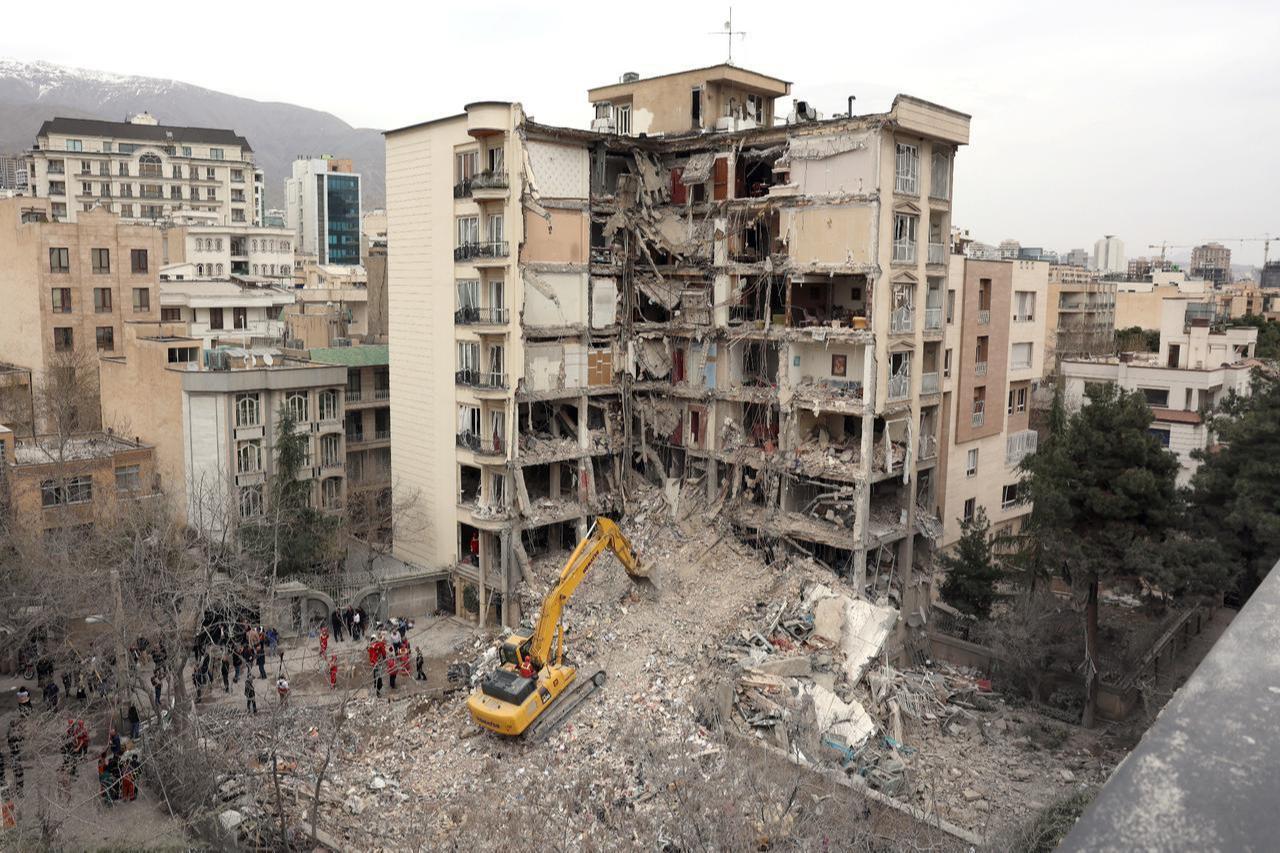
The reaction was immediate and intense, with many users pointing to what they saw as a contradiction between her earlier celebration of military action and her later grief.
Some of the most widely liked responses directly challenged her framing.
One user wrote that “you cannot save people, innocent children and women, from a tyrannical regime by killing them, or you are just going to save corpses.”
Another asked, “People in Iran are being murdered by Israel and U.S.A. bombings, more than 160 girls were massacred in a school. Why do you not speak out for them?”
Others focused on accountability, with one comment stating that she should “look at the labels on the bombs that killed your cousin, made in the U.S.A. or made in Israel,” while another questioned her consistency when referring to her earlier video, writing that she had been “dancing when children were killed.”
Some comments acknowledged her loss but argued that responsibility could not be assigned to a single actor, describing her cousin as a victim of “the Islamic republic, Israel, the United States, and those who support destruction.”
Supportive responses also appeared, backing her criticism of Iran’s leadership and her broader political stance, though these were less prominent in the overall reaction.
Ultimately, Rahimi’s trajectory reflects deeper divisions within the Iranian diaspora, where some reject foreign intervention as harmful and destabilizing, while others frame it as a long-awaited opportunity to weaken or even end the Islamic Republic.


 Set as preferred source
 Set as preferred source


 4 min read