Newsletters


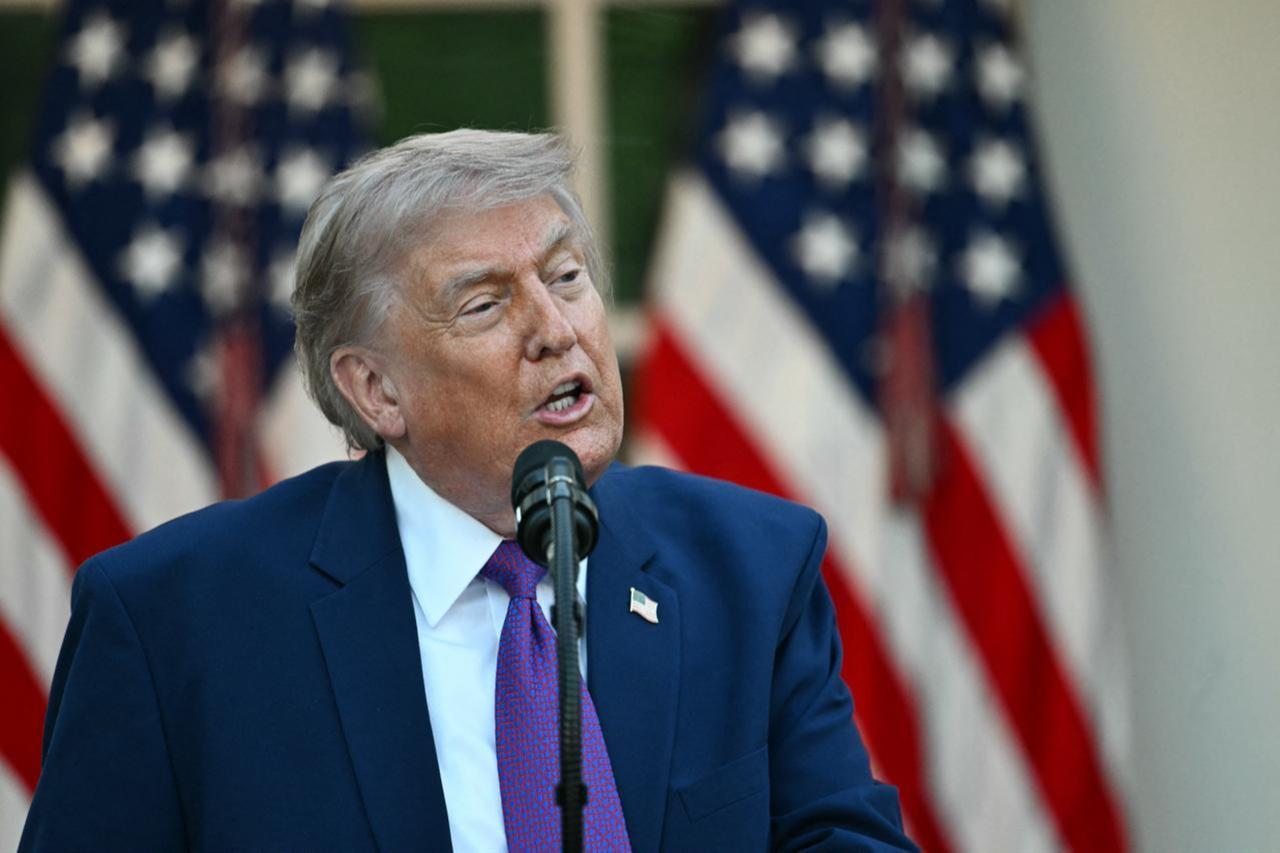


Americans are increasingly concerned and stressed about their personal finances, while views of the U.S. economy have fallen to their lowest level since 2023, according to a CBS News/YouGov poll conducted on May 13-15, 2026.
According to the survey, 76% of Americans feel anxious about their finances, up from 72% in May 2025, while 67% report feeling stressed, compared to 65% previously.
Sentiments regarding financial security and satisfaction have also taken a hit: only 44% feel secure and 43% feel content, down from 53% in both categories.
Only 29% of Americans currently view the U.S. economy positively, down from 32% in April, 34% in February, and a high of 39% in July 2025.
The poll found 77% of Americans think their income is not keeping up with inflation, while 23% say it does.
Rising gas prices are placing additional pressure on households. The share of Americans reporting that fuel costs cause financial hardship rose to 59%, up from 51% in April.
Another 26% say gas prices are an inconvenience but not difficult, down from 28%, while 15% say their finances are not affected or that they do not buy gas, down from 19%.
According to the poll, 65% of Americans describe the economy as "uncertain," 63% call it "struggling," and 40% view it as "unfair." By comparison, much smaller shares describe the economic climate positively, with only 15% calling it "fair," 12% "rebounding," and 12% "stable."


The poll found that 69% of Americans say they are not getting a clear understanding of the day-to-day situation in the Strait of Hormuz, while 31% say they do.
Asked whether the Iran conflict has been successful in terms of U.S. interests, 34% called it successful militarily, 37% said it was not successful and 29% said it was too soon to say anything.
On strategic interests, 24% said the conflict was successful, 43% said it was not and 33% said it was too soon to say. On economic interests, 16% called it successful, 54% said it was not and 30% said it was too soon to say.
When asked who has the advantage in the U.S.-Iran conflict, 41% said neither side, 38% said the U.S. and 21% said Iran.
The poll found 65% of Americans say President Donald Trump’s policies are making the U.S. economy worse in the short term, while 13% say they are making it better and 22% say they have no impact or are not sure.
For the long term, 50% say Trump’s policies are making the economy worse, 29% say they are making it better and 21% say they have no impact or are not sure.
Asked how they feel about the Trump administration’s approach to the economy, 38% said frustrated and 32% said angry. Another 19% said satisfied and 11% said enthusiastic.
Trump’s approval rating on inflation has also fallen. The poll found 27% approve of his handling of inflation, down from 31% in April, 33% in March and 46% in March 2025.
Among Republicans, approval of Trump’s handling of inflation fell to 63%, down from 71% in April and 74% in March. Republican disapproval rose to 37%, up from 29% in April and 26% in March.
 1 min read

The poll reveals that neither party is viewed positively by a majority when it comes to the cost of living.
For Democratic policies, 32% of respondents said they help, 41% said they hurt, and 27% saw little impact. In comparison, only 24% believed Republican policies help, while 56% said they hurt and 19% reported no significant effect.
When asked who offers a better economic approach overall, 35% favored the Democrats, 31% chose Donald Trump and the Republicans, and 34% remained undecided or chose neither.
The poll found 65% of Americans say artificial intelligence will decrease jobs in the U.S., while 18% say it will increase jobs, while 17% say it will have no effect.
Public outlook on economic opportunity has also deteriorated. Compared to their parents’ generation, 47% of Americans now say their opportunities are worse, a jump from 40% in January 2024.
Meanwhile, the share of those who believe their opportunities are better plunged to 28%—down from 39%—while 25% see no change.
This pessimism is starkest among adults under 50, with 57% stating their prospects are worse than the previous generation, compared to just 38% of those aged 50 and older.


 Set as preferred source
 Set as preferred source




 1 min read