Newsletters


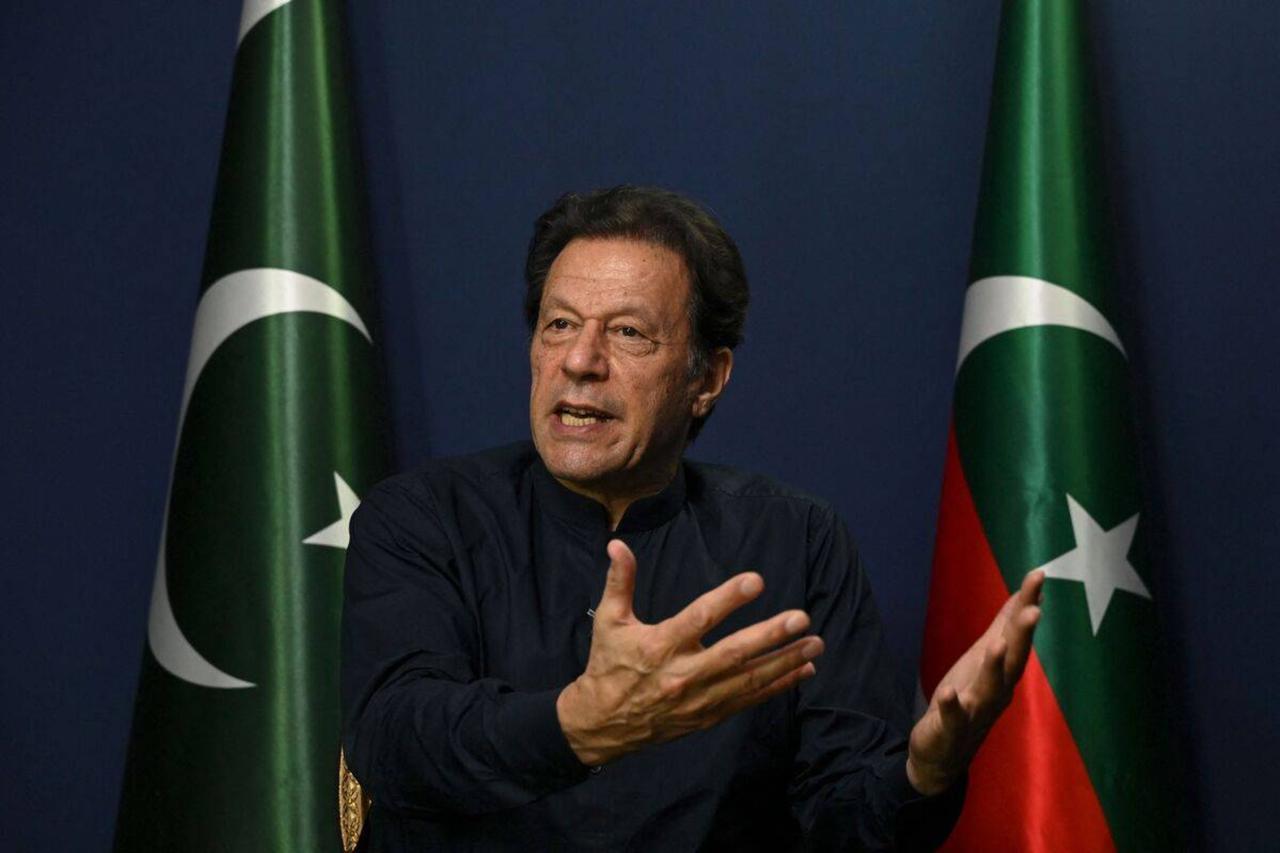


A secret Pakistani diplomatic cable published in full for the first time says a senior U.S. diplomat told Pakistan’s ambassador that “all will be forgiven” in Washington if then-Prime Minister Imran Khan was removed through a no-confidence vote, Drop Site News reported.
The March 7, 2022, cable was sent from Pakistan’s ambassador in Washington, Asad Majeed Khan, to Islamabad and carried the code “Cable I-0678” with the label “Secret / No Circulation.”
The document details a meeting between Asad Majeed Khan and Donald Lu, then U.S. assistant secretary of state for South and Central Asian affairs.
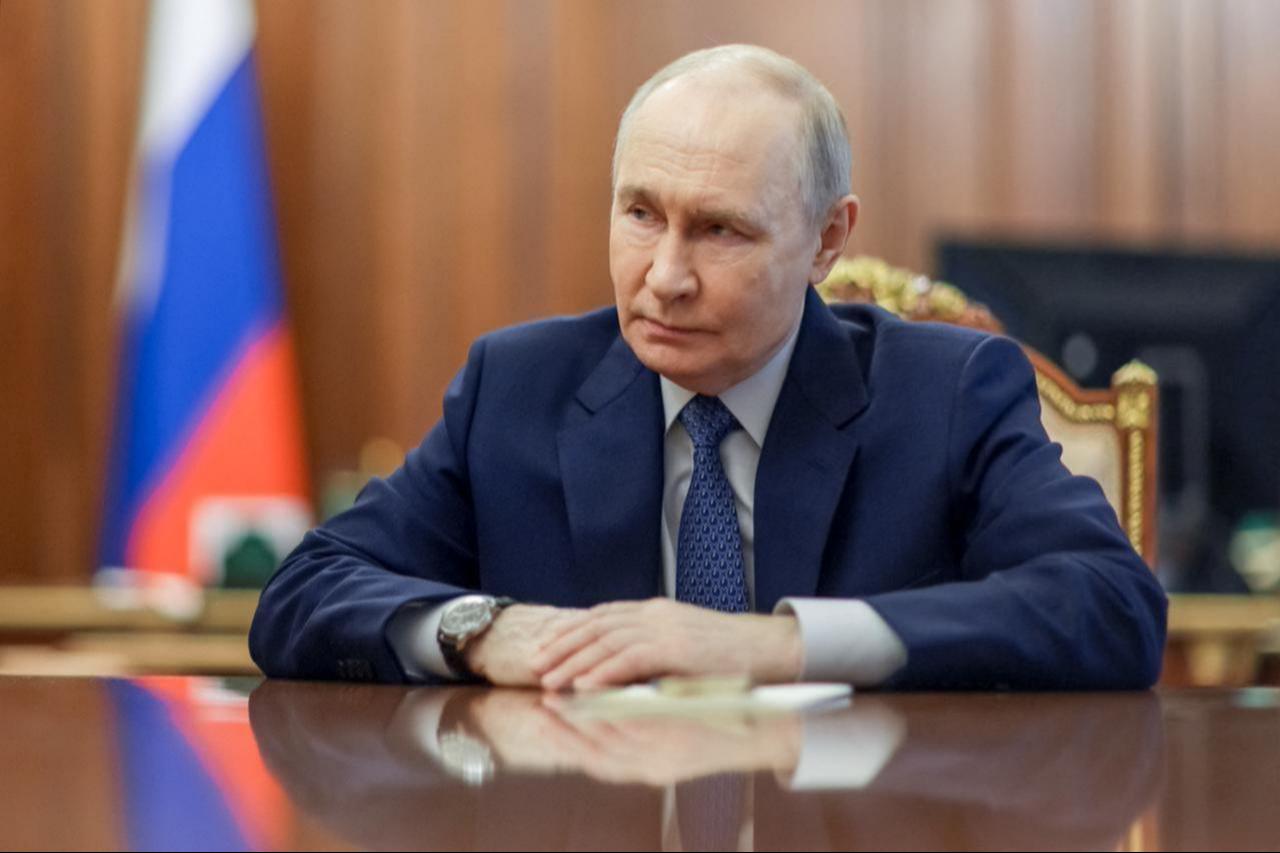
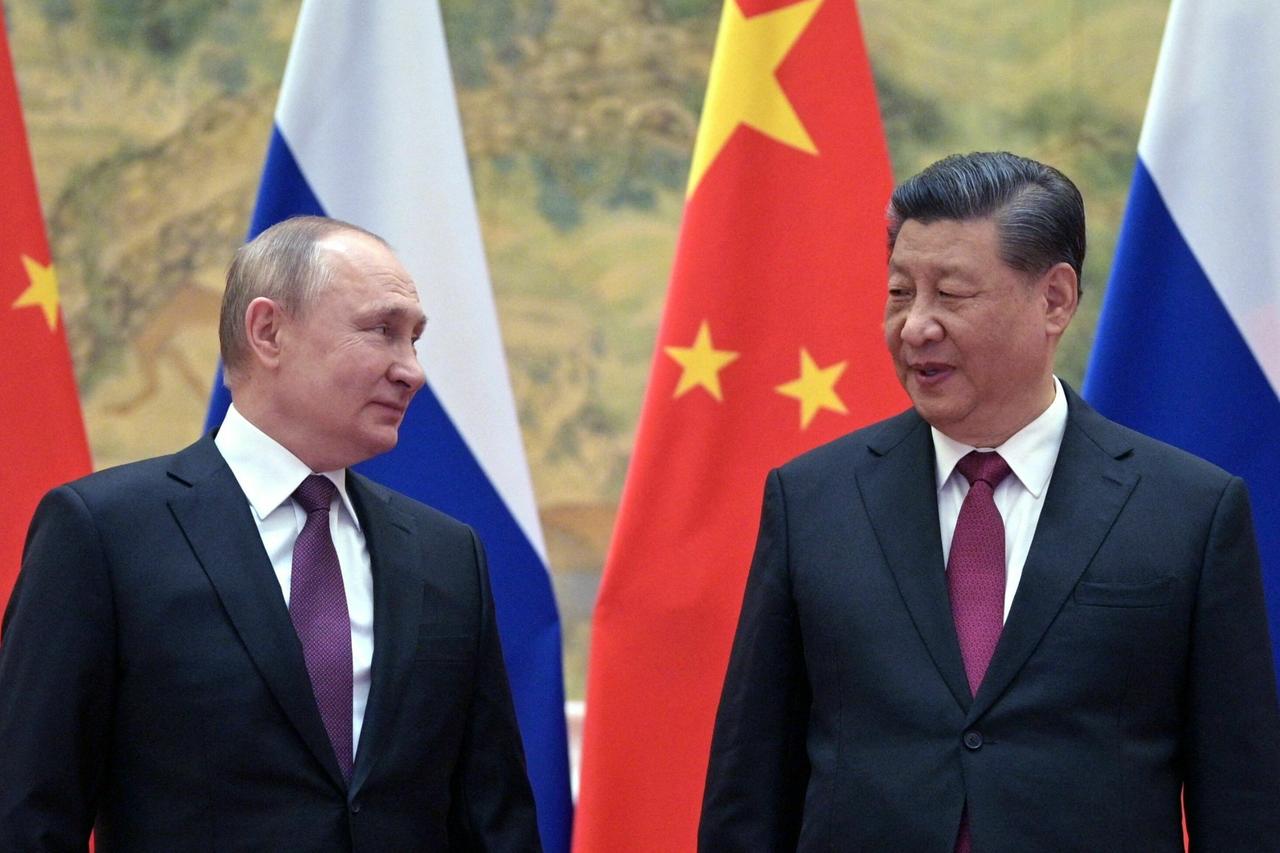
It came after Imran Khan traveled to Moscow and met Russian President Vladimir Putin on Feb. 24, 2022, the day Russia launched its invasion of Ukraine.
According to the cable, Lu said Khan’s Moscow visit had caused serious concern in Washington.
“If the no-confidence vote against the prime minister succeeds, everything will be forgiven in Washington, because the Russia visit is being seen as the prime minister’s decision. Otherwise, things will be difficult,” Lu said, according to the reported document.
Pakistan’s side said the Moscow visit had been planned months earlier, before the Ukraine war began, and that Islamabad was pursuing a “neutral” policy.
Lu also criticized Pakistan’s abstention in a U.N. vote condemning Russia’s invasion of Ukraine, according to the document.
The cable included Asad Majeed Khan’s assessment that Lu could not have delivered such a strong message without clear approval from the White House. The ambassador also wrote that Lu’s comments overstepped into Pakistan’s domestic political process.
The document’s distribution list included Pakistan’s prime minister's office secretary, foreign minister, army chief, ISI chief, and the SSP division director.
Khan was removed as prime minister on April 9, 2022, about six weeks after the meeting. He later said his removal was a “U.S.-backed regime-change operation.” Washington has denied the allegations for years.
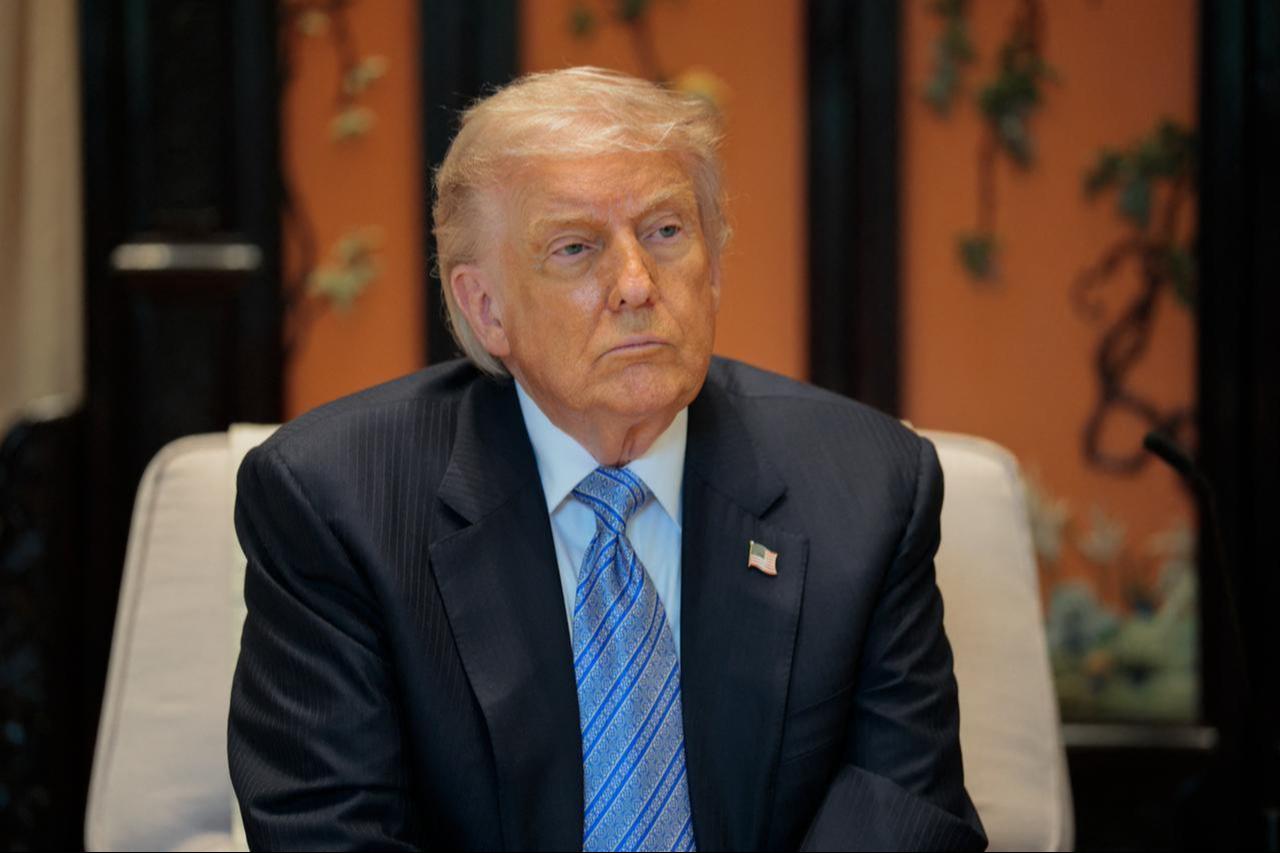

Drop Site News said the cable and its wider reporting showed how U.S.-Pakistan relations moved from mutual suspicion into closer political alignment after Khan’s removal.
The report said CIA Director William Burns traveled to Islamabad in June 2021 to seek Pakistani territory for U.S. drone bases after the planned U.S. withdrawal from Afghanistan, but Khan refused to meet him and later told Axios that Pakistan would “absolutely not” allow bases or action from Pakistani territory into Afghanistan.
Drop Site also reported that Pakistan’s military retained a former CIA Islamabad station chief as a lobbyist in Washington in July 2021 without Khan’s knowledge.
After Khan’s removal, Pakistan began supplying artillery shells and other munitions to Ukraine through U.S. defense contractors and third-country intermediaries, according to leaked documents cited by Drop Site.
The report said former U.S. and Pakistani officials stated that American support for Pakistan’s next International Monetary Fund program was linked to the weapons pipeline. The IMF approved a $3 billion standby arrangement for Pakistan in July 2023.
Drop Site also said the U.S. and European Union looked away as Pakistan’s military heavily influenced the 2024 elections.
Khan and his wife, Bushra Bibi, were jailed on corruption, contempt and national security charges after his removal. Both remain in prison, with Khan held in solitary confinement since last year, according to the report.
Drop Site said Pakistan’s army chief, Gen. Asim Munir, became the country’s most powerful figure after his appointment in November 2022.
The report said Munir later promoted himself to field marshal, created the office of chief of defence forces and abolished the role of Joint Chiefs of Staff Committee through a constitutional amendment, placing him personally in charge of Pakistan’s nuclear weapons.
Drop Site also reported that former army chief Gen. Qamar Javed Bajwa assured U.S. officials in October 2022 that Pakistan would limit the range of its missiles to fall short of Israel's.
According to the report, Bajwa also wanted to allow a U.S. delegation to inspect sensitive nuclear sites, but the head of Pakistan’s Strategic Plans Division refused.
Drop Site said Pakistan’s relationship with China has slowed under Munir.
Of about 90 projects originally planned under the China-Pakistan Economic Corridor, 38 have been completed, 23 remain under construction and about a third have not started, according to the report.
Drop Site also said Pakistan privately told Beijing it would allow China to convert Gwadar port into a permanent Chinese military facility, but talks ended after Pakistani negotiators asked China for protection against U.S. retaliation, military modernization support and a sea-based nuclear second-strike capability.
China refused, according to the report.
The report said Pakistan’s military leadership allowed CPEC’s second phase to weaken and deflected Chinese requests for permanent security arrangements for Chinese workers.
Drop Site said Pakistan signed a mutual defense pact with Saudi Arabia in September 2025, an agreement Khan’s government had refused three years earlier.
Pakistan also established the Pakistan Crypto Council after the Trump family moved into cryptocurrency, according to the report.
Drop Site said leaders of World Liberty Financial, a decentralized finance platform majority-owned by the Trump family, visited Islamabad in April and signed a memorandum with Pakistan’s finance minister in the presence of Munir.
Pakistan also announced a rare earths agreement with U.S. partners in September 2025, promising $500 million in U.S. investment in exchange for Pakistani antimony, copper, tungsten and rare earth elements, though no commercial-scale shipments have moved beyond a symbolic first consignment, according to the report.
The report also said Pakistan’s military volunteered troops for a proposed international stabilization force in Gaza sought by the Trump administration.
Pakistan has also sought a role in U.S.-Iran diplomacy.
Pakistani Prime Minister Shehbaz Sharif told The Sunday Times that Pakistan serving as a mediator in the U.S.-Iran war was “one of the shining moments in our history.”
Drop Site said Pakistan’s current role as a mediator appeared shaky after claims that Iranian Foreign Minister Abbas Araghchi would travel to Islamabad to restart talks with the U.S. failed to materialize.
Iranian national security spokesperson Ebrahim Rezaei said Pakistan was “a good friend and neighbor” but “not a suitable intermediary for negotiations” because it “always” took Trump’s interests into account.
Pakistan has continued assisting talks, including lending an official plane to Araghchi for a short flight to Oman, according to Drop Site.
The report said Oman, Russia, China, Saudi Arabia and Türkiye have also tried to shape the diplomatic outcome of the war.
Pressure has grown in Washington for Trump to reconsider Pakistan’s mediator role. Sen. Lindsey Graham questioned Pakistan’s legitimacy as a mediator and accused it of “double-dealing” after a CBS News report about an Iranian jet.
Pakistan said the plane was part of the Iranian delegation, which stayed in Pakistan for extra days in anticipation of talks.
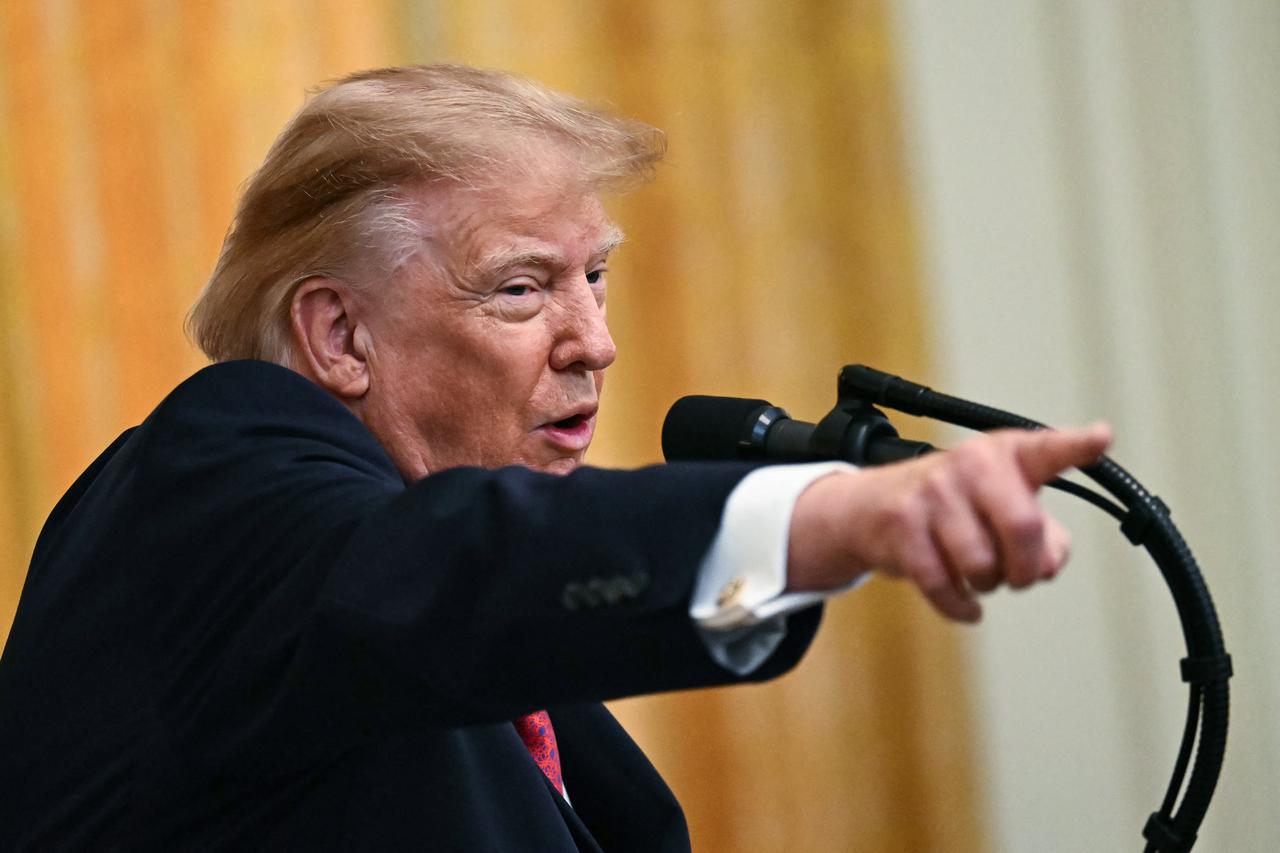
Asked about Pakistan, Trump said: “They’re great. I think the Pakistanis have been great. The field marshal and the prime minister of Pakistan have been absolutely great.”


 Set as preferred source
 Set as preferred source


 1 min read
 1 min read