Newsletters


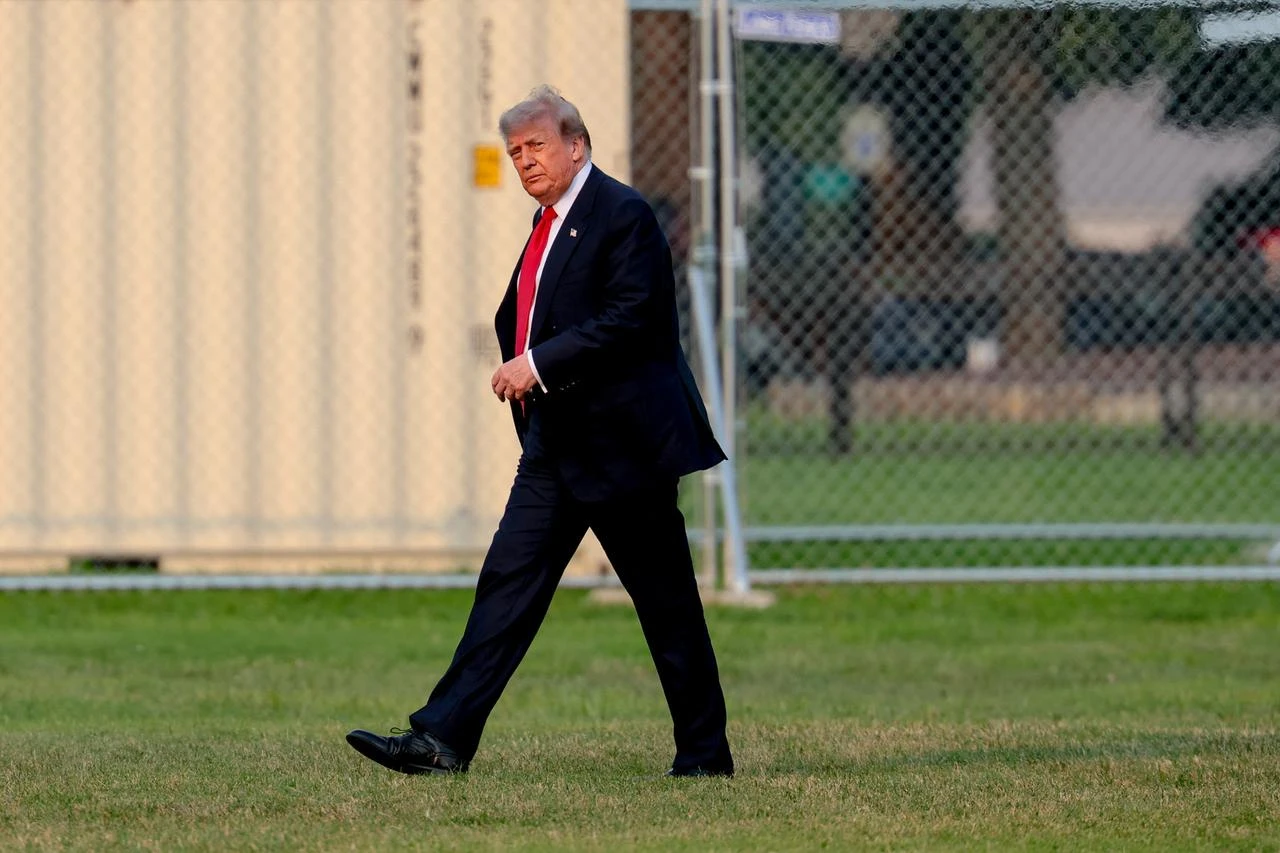


A record-high 73% of U.S. adults say President Donald Trump is not paying enough attention to the country’s most important problems, while 27% believe he has the right priorities, according to a CNN poll conducted by Social Science Research Solutions (SSRS).
The findings come amid growing dissatisfaction with the Iran war, the economy and rising living costs.
Trump’s overall approval rating fell to 34%, matching the lowest level of his political career, last recorded after the Jan. 6, 2021, attack on the U.S. Capitol. Half of Americans strongly disapprove of him, while a record-low 15% strongly approve.
About three-quarters say Trump is out of touch with the daily problems facing ordinary Americans, and roughly two-thirds believe he prioritizes personal gain over the country’s interests.
Trump’s approval among Republicans dropped to 78%, a new low within his party.
Only 19% of Republicans said they were enthusiastic about the remainder of his second term, down from 38% last spring.
Just 27% of Americans said Trump understands the problems faced by ordinary people.
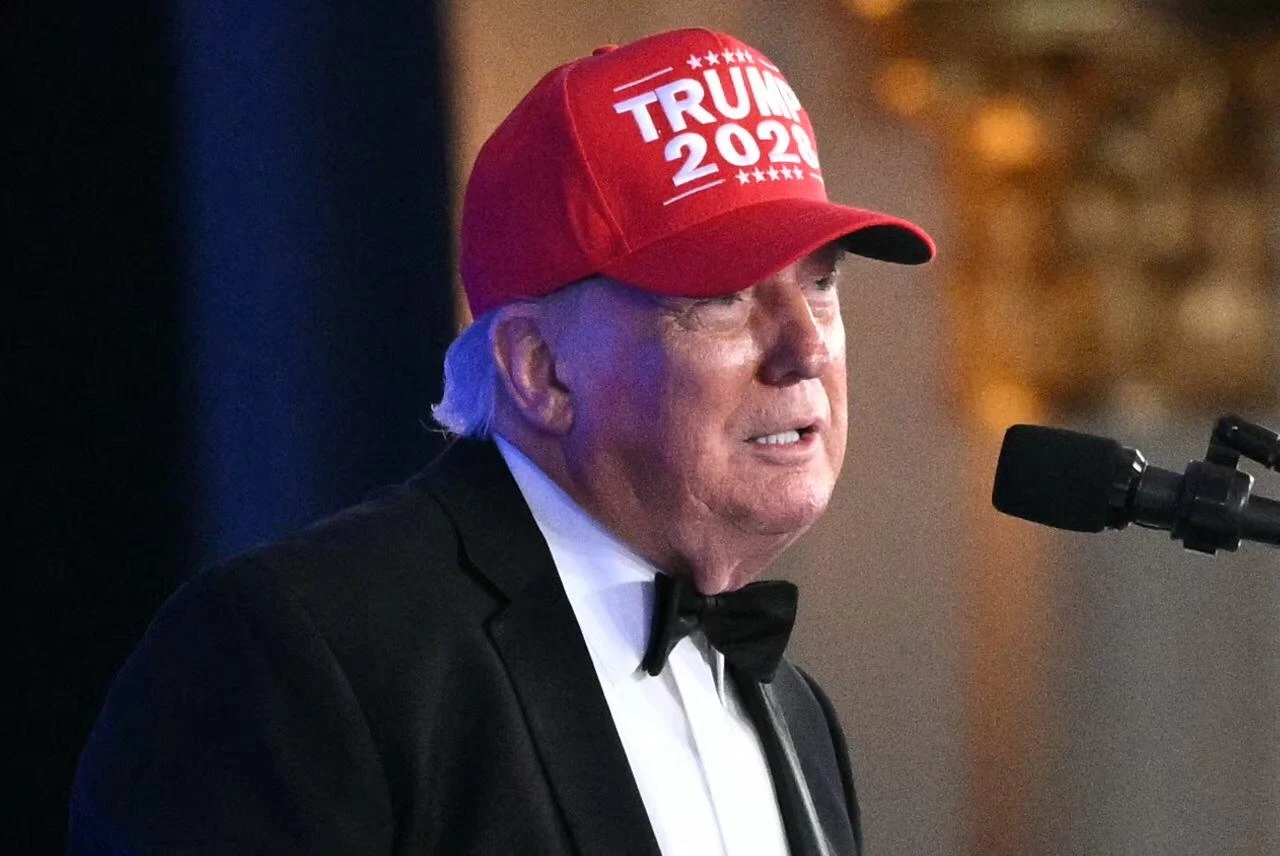

Trump received his lowest issue ratings for his handling of gas prices, inflation and the Iran conflict.
Only 21% approved of his response to gas prices, 25% approved of his handling of inflation and 28% supported his management of the situation in Iran.
Roughly two-thirds of respondents said Trump’s policies had worsened economic conditions and that his military decisions in Iran had harmed the U.S.
Only one-quarter said the Iran war had been worth the cost in American lives and money, with younger Americans particularly skeptical.
As more Americans expect the conflict to continue over the long term, about 25% said Trump has a clear plan for handling it, down from 40% at the beginning of the war.
A 62% majority said Trump is not an effective world leader, compared with 54% who held that view earlier in his second term.
Seventy-four percent of Americans said higher gas prices had caused them at least some hardship, up from 63% in March.
Fewer than one-quarter believed Trump had a plan to address gas prices.
Seventy-one percent said he had not gone far enough in reducing the cost of everyday goods, up from 58% a year earlier.
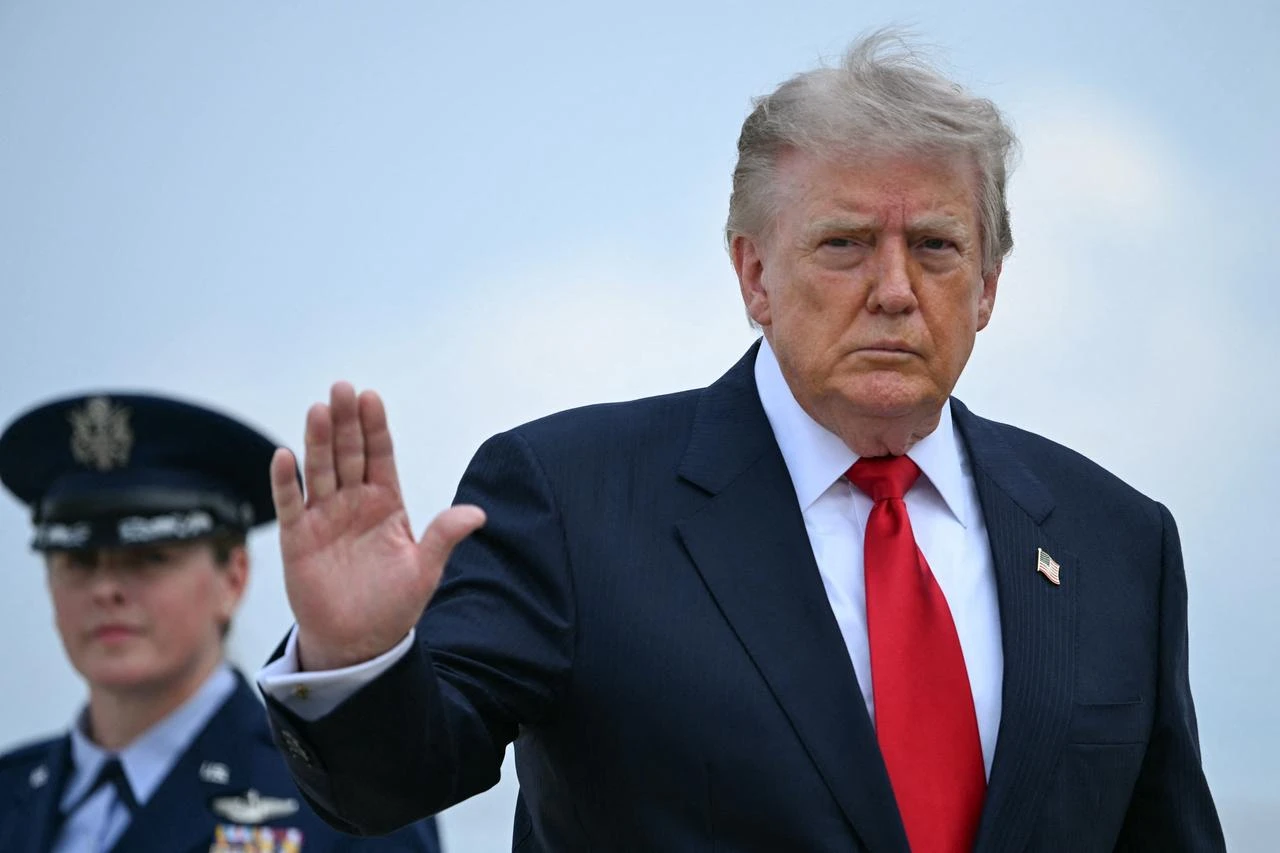
Trump’s highest approval rating among the issues surveyed was 41% for his handling of voting rights and election integrity.
His approval stood at 39% on immigration and 35% on his management of the federal government.
Following two recent deadly shootings involving Immigration and Customs Enforcement (ICE) agents, respondents said by a 20-point margin that ICE was making cities less safe rather than safer.
Amid a cyclospora outbreak and rising measles cases, Americans said by a 34-point margin that changes to federal health agencies, including the Food and Drug Administration (FDA) and Centers for Disease Control and Prevention (CDC), had reduced public safety.
A 58% majority said they were dissatisfied or angry about Trump’s construction projects in Washington, D.C., including plans for a new White House ballroom and renovations to the Reflecting Pool.
Seventeen percent viewed the projects positively, while 25% said they did not matter.
Among Republicans, 43% expressed positive views of the projects, while 35% said they were unimportant.
At the start of Trump’s second term, nearly half of Americans thought he was likely to avoid conflicts between his family business and his presidential duties. In the latest poll, 23% said he had handled those conflicts at least somewhat well.
Fifty-seven percent said it was a bad thing that Trump earned more than $2 billion last year while serving as president through cryptocurrency holdings, royalty payments and property investments.
Seven percent viewed the earnings positively, while 36% said they did not matter.
More than six in 10 Americans said Trump had gone too far in pursuing personal business interests and remodeling the White House and other Washington landmarks.
Nearly as many said he had gone too far in changing cultural institutions such as the Kennedy Center and the Smithsonian.
Most Republicans said Trump’s earnings while serving as president were irrelevant, though those expressing an opinion were more likely to view them negatively than positively.


 Set as preferred source
 Set as preferred source


 2 min read


 1 min read