Sign in
 Newsletters




The Economist, one of the world's most influential publications, identified 10 developments that could reshape 2027, including a possible escalation over Taiwan, the fallout from the Iran war, AI risks, and a potential far-right victory in France.
Its annual The World Ahead 2027 report also examined mounting government debt, another year of extreme weather, the expanding weight-loss drug market and the next phase of commercial space exploration.
The report predicted that Trump's political battles would intensify as Democrats took control of both chambers of Congress. Rather than stepping back, the president was expected to turn to executive orders, legal disputes, geographical renamings, large-scale construction projects and military interventions to preserve his influence.
"The post-Trump era is beginning. But don't expect the president to go quietly," Tom Standage, editor of The World Ahead 2027, wrote.
He described Trump as more likely to become a "destructive Angry Bird" than a lame duck, arguing that the president would seek to shape his political legacy even as the race to succeed him began.
The Iran war also featured prominently. Its consequences were expected to reach beyond the Middle East, affecting regional alliances, energy routes and agricultural supplies.
Fertilizer shortages could put food security at risk for millions, while America's allies reassessed their trust in Washington and its adversaries reconsidered their perception of U.S. power, the magazine highlighted.
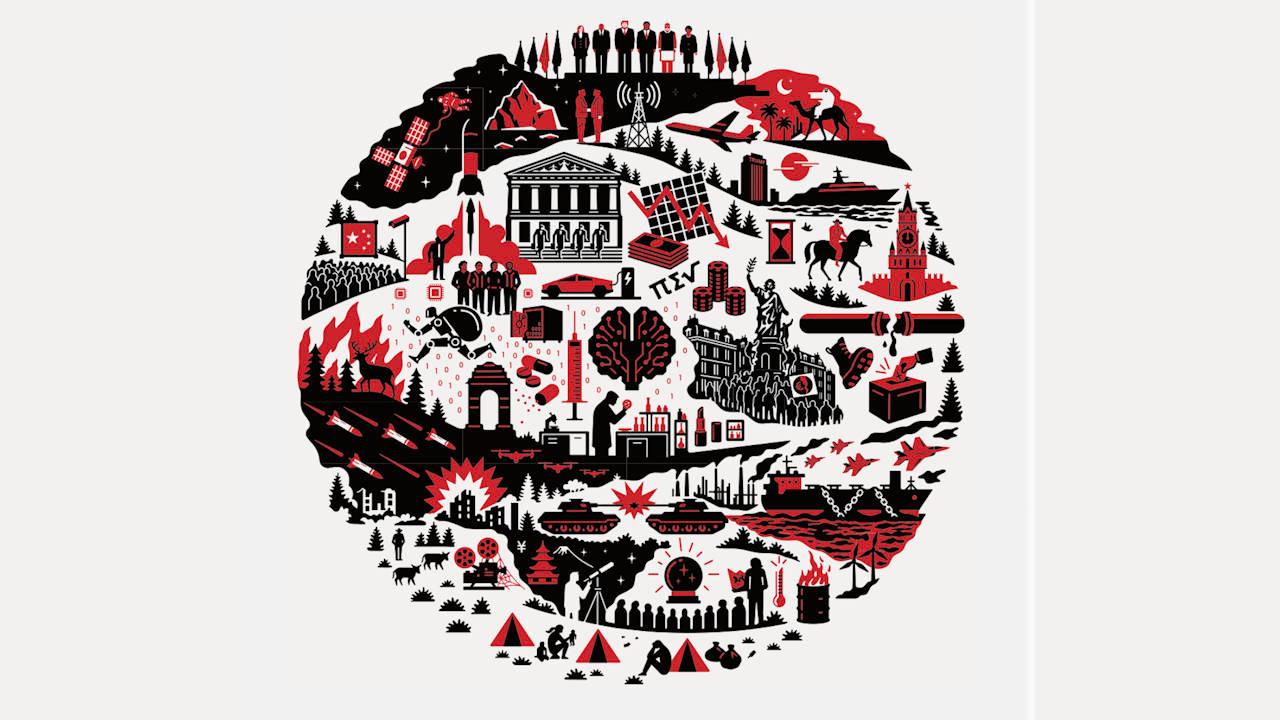

The Economist's outlook examines developments expected to shape 2027, including political leadership, geopolitical conflicts, financial market pressures, artificial intelligence, climate change, space exploration and changing consumer behavior.
1. Washington looks beyond Trump: The race to succeed Donald Trump will gain prominence as the United States approaches a new political chapter, while his efforts to retain influence could prolong political confrontation.
2. The Iran conflict leaves a wider economic footprint: The war's consequences could disrupt energy flows, regional alliances and fertilizer supplies, threatening food security and weakening confidence in U.S. security commitments.
3. Extreme weather keeps pressure on the world: Another year of severe heat, droughts, wildfires and heat waves is expected, while renewable energy could gain ground as countries seek alternatives to volatile fossil fuel markets.
4. Artificial intelligence faces growing scrutiny: Rising corporate debt and opaque financing arrangements could increase the risk of an AI market crash, while political and cybersecurity threats attract greater attention.
5. France could reshape Europe's political balance: A potential Marine Le Pen victory could strain the Franco-German partnership at the heart of the EU and intensify concerns over France's public finances.
6. Rising borrowing costs expose wealthy economies: Mounting government debt and higher bond yields are putting pressure on developed economies, raising concerns about the sustainability of public finances.
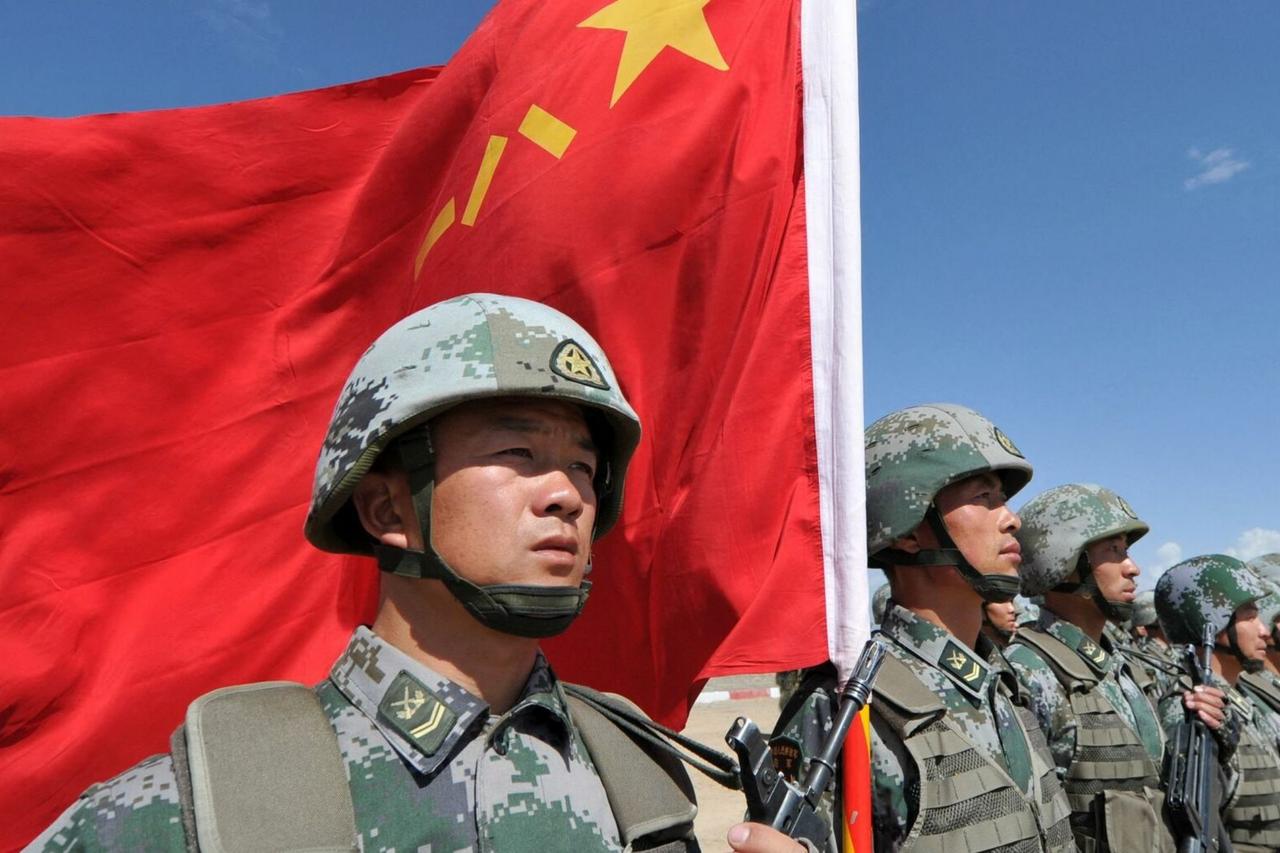
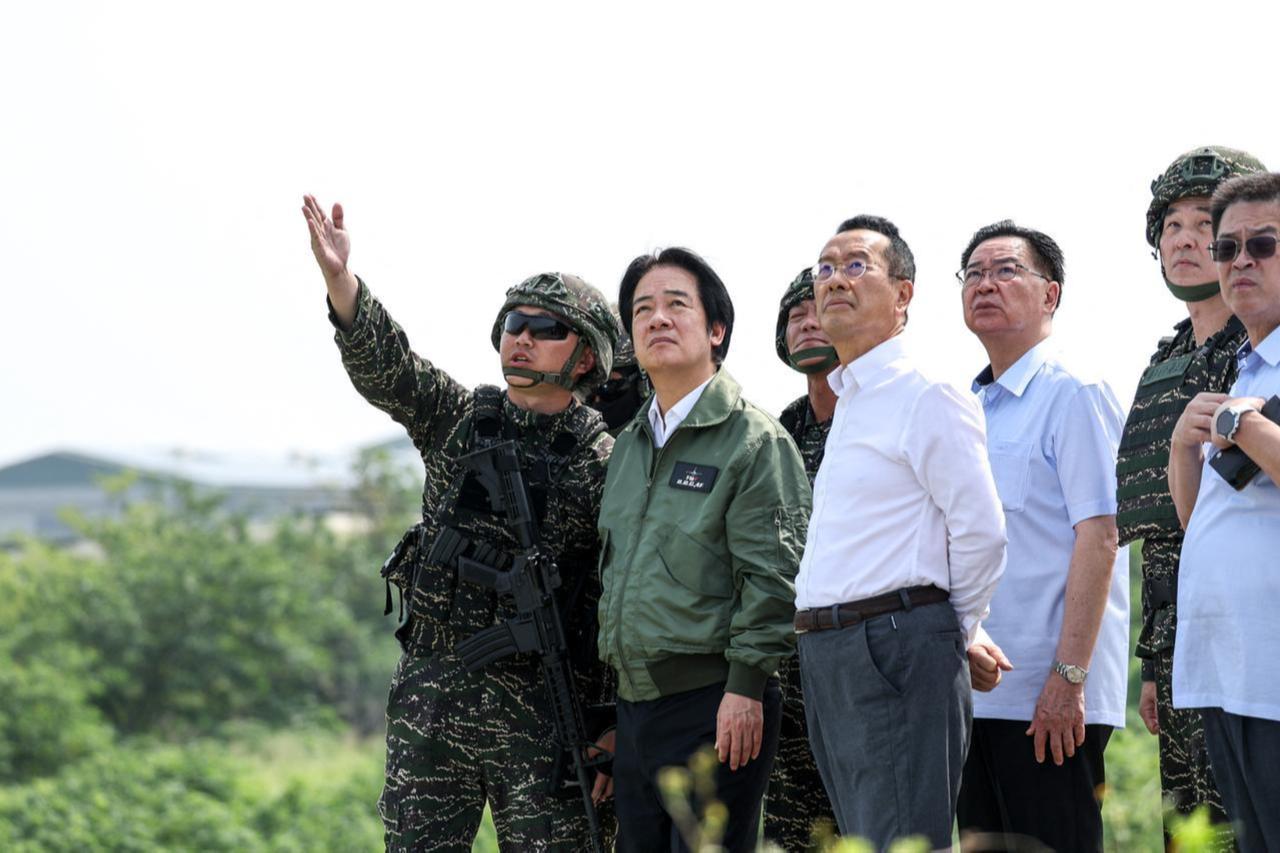
7. China and Taiwan enter a critical year: Xi Jinping is reportedly seeking to have China's military ready to capture Taiwan by 2027, while technological advances could give smaller powers greater capacity to resist larger adversaries.
8. Weight-loss treatments change what consumers buy: Growing use of drugs such as Ozempic could shift consumer spending toward clothing, cosmetics and fitness while renewing pharmaceutical interest in longevity treatments.
9. The commercial space race moves into a new phase: SpaceX's Starship is expected to begin regular satellite launches, the first private-sector space station is set to launch, and orbital data centers could become more realistic.
10. Hollywood searches for audiences beyond established franchises: Major studios are trying to attract new audiences as low-budget productions by YouTubers challenge traditional filmmaking models, while franchises such as Star Wars seek to remain relevant.


 Set as preferred source
 Set as preferred source


 1 min read
 1 min read