Newsletters


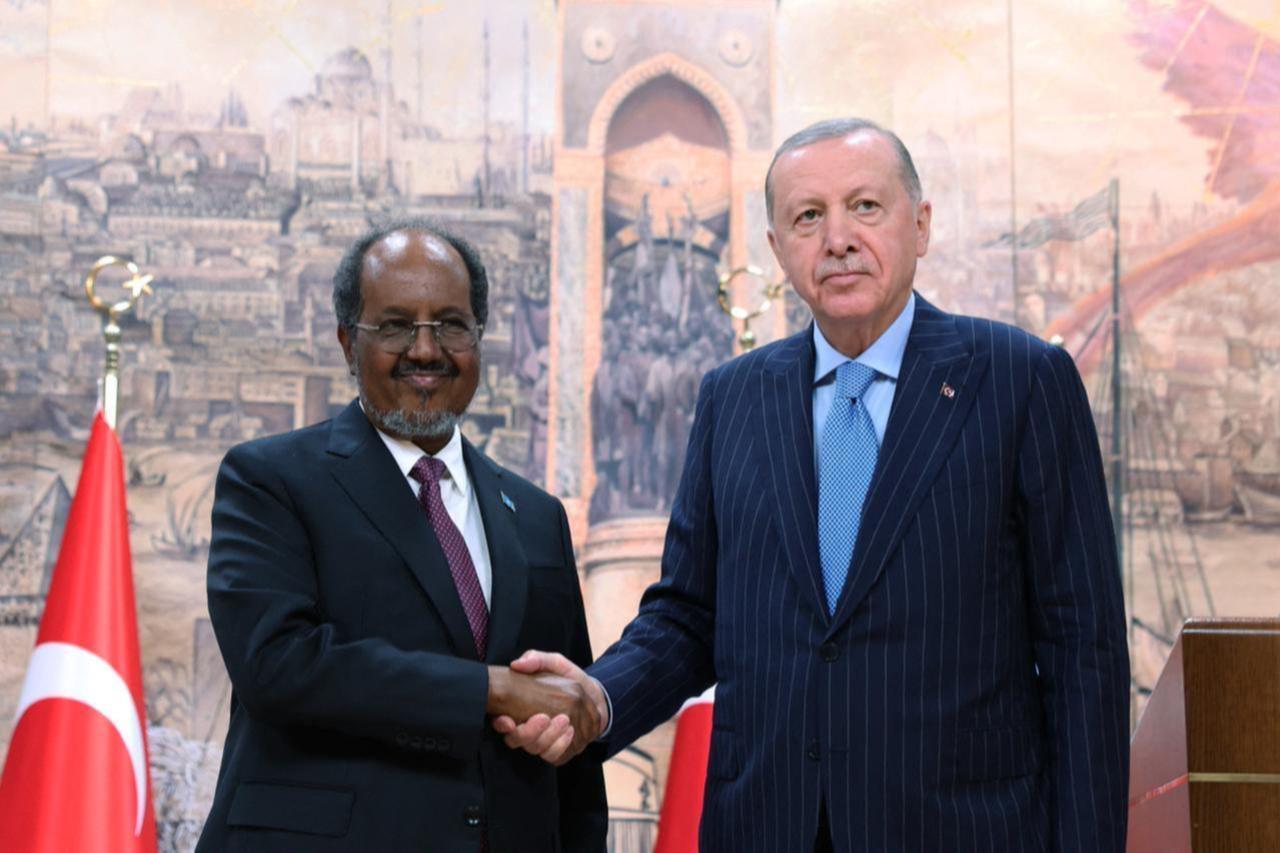


African nations are increasingly seeking closer security and economic ties with Türkiye through a model Ankara has developed with Somalia, Turkish Defense Minister Yasar Guler said.
Guler told journalists during the Efes military drills in western Türkiye that Ankara was assessing requests from African countries seeking training, technical support and capacity building for their armed forces.
“In response to requests, we continue to provide training and technical support to the armed forces of African countries and contribute to their capacity building,” Guler said.
“In this context, several other countries are requesting the same model we implemented in Somalia. We are evaluating these requests,” he added.
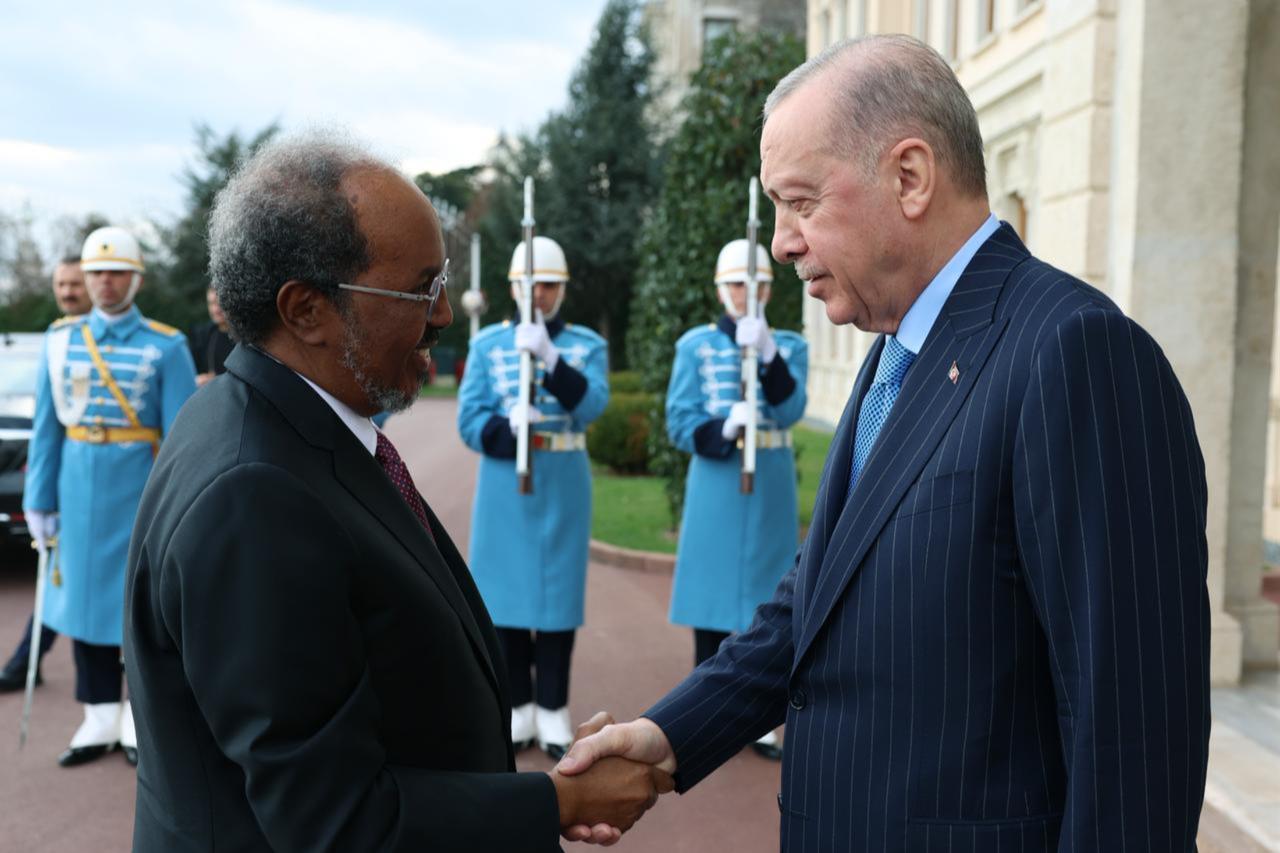
Türkiye and Somalia’s multifaceted relationship began in 2011, when President Recep Tayyip Erdogan, then prime minister, visited Somalia as the country was suffering from a severe drought.
What began as a humanitarian mission later developed into a broad security and economic partnership.
Türkiye now has its largest overseas military base in Mogadishu, where thousands of Somali soldiers have received training. Many Somali soldiers have also been sent to Türkiye for further training.
Ankara has also established hospitals and companies in Somalia, while operating Mogadishu’s port and airport.
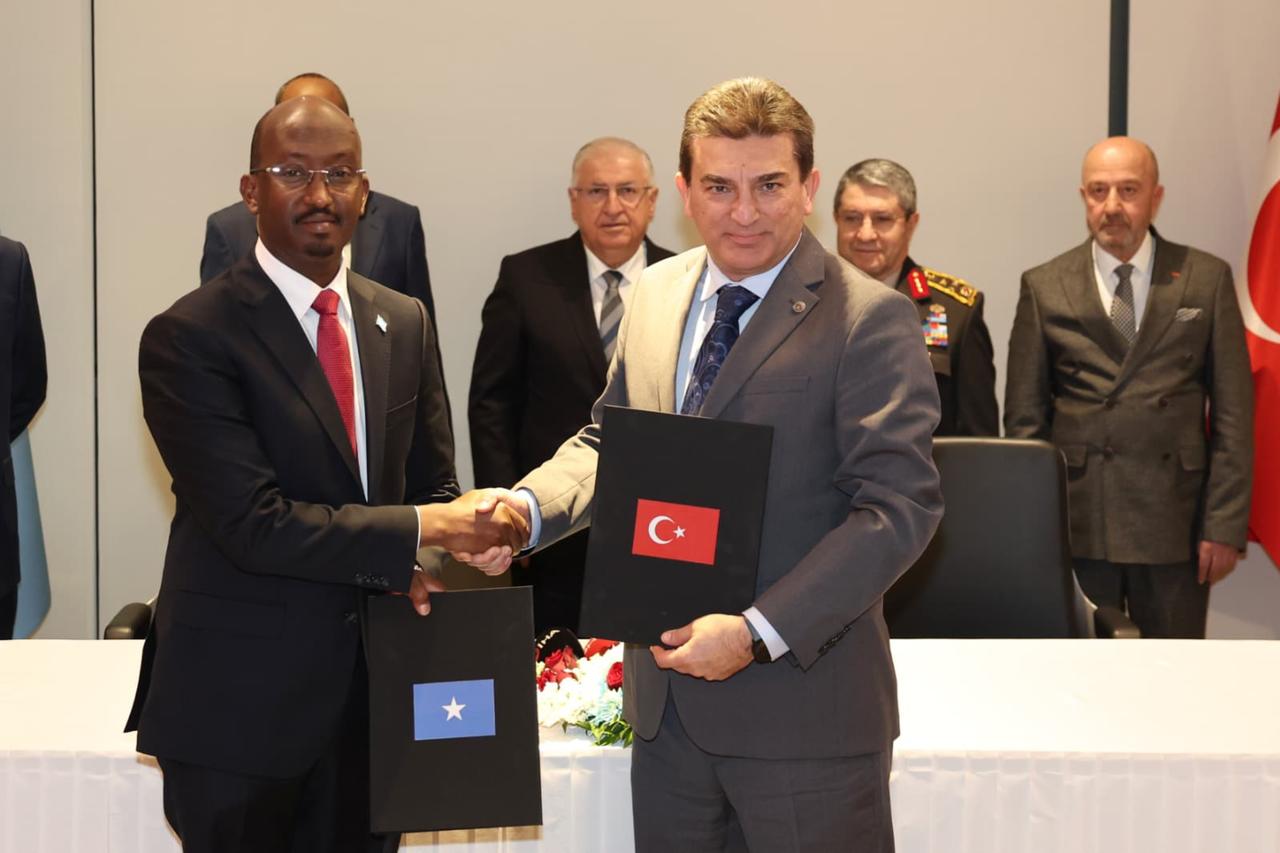

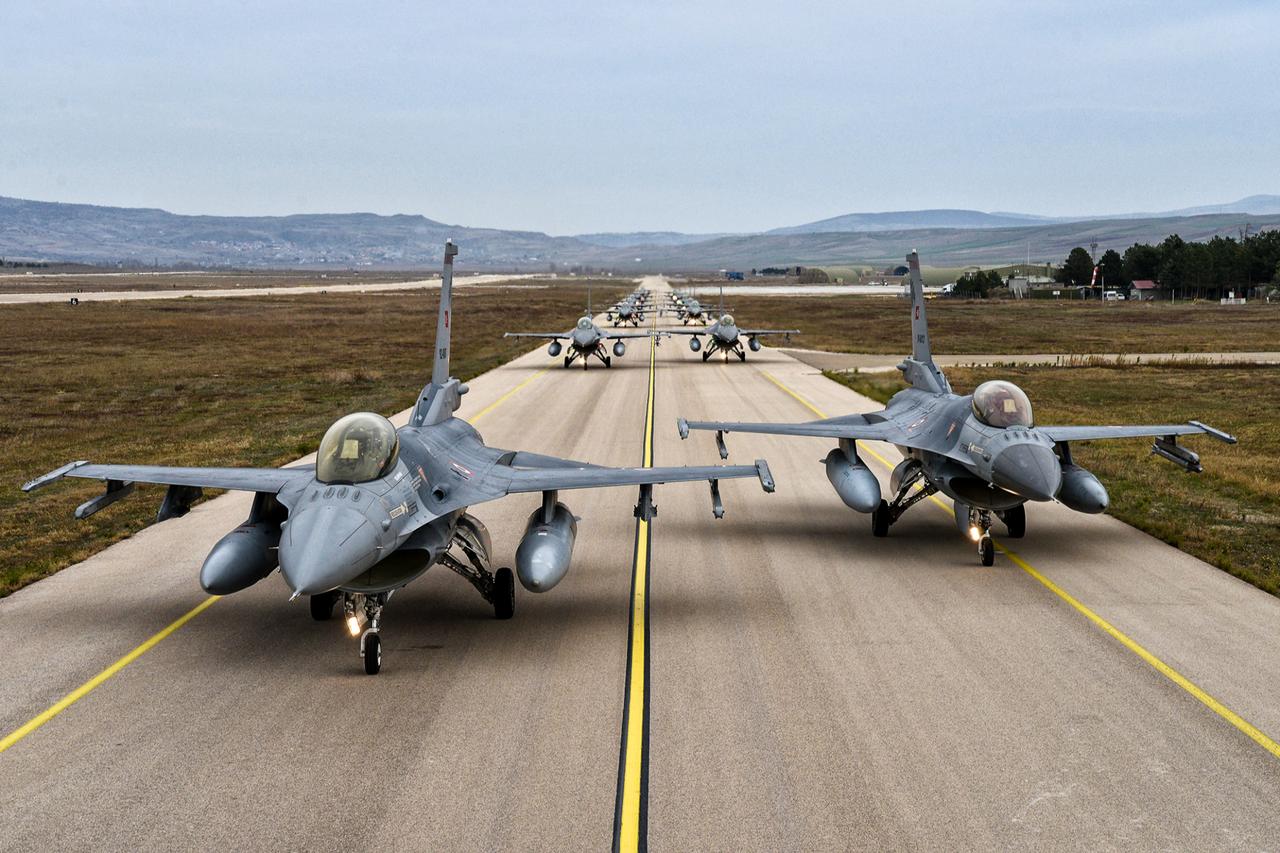
Türkiye has recently deployed three F-16 fighter jets, ATAK attack helicopters, armed drones and other military assets as Turkish energy drilling ships explore Somalia’s coast for hydrocarbon resources.
Türkiye is also spending substantial sums to guard the Somali coast and support offshore drilling activities.
An Ankara insider familiar with the issue told the Middle East Eye that the proposal from African countries is based on Türkiye helping provide security and stability, supporting the development of economic infrastructure and sharing resulting profits with local communities.
“In Somalia, a range of governments were willing to receive Turkish military aid so they could strengthen their defence capabilities,” the insider said.
“They want to provide services and resources to the Somali people, and without stability, that’s not possible,” the insider added.
The insider said Ankara had taken significant risks in Somalia, which has been hit for decades by suicide bombings carried out by al-Shabab.
People who recently visited Somalia told the Middle East Eye that Türkiye’s intervention has made Mogadishu visibly more secure, with a decline in frequent bombings and the emergence of new apartment buildings across the city.
Another area Türkiye is focusing on is the construction of a spaceport in Mogadishu.
Yahya Bostan, a columnist for Yeni Safak, wrote that he expects Israel and the United Arab Emirates to increasingly direct what he called “destabilizing” efforts toward Africa as the Iranian crisis begins to subside.
“They will accelerate their efforts to divide countries and create satellite states,” Bostan said.
He said this carried the risk of worsening turmoil in countries where Türkiye has invested institutionally and built friendly relations over many years.
Bostan said Sudan could become the next country to follow the Somalia model, receiving military training, support in building institutional military capacity, and technology and experience transfers.
The Ankara insider said some Sahel countries, including Niger and Burkina Faso, as well as Ethiopia, could also seek similar assistance.


 Set as preferred source
 Set as preferred source


 1 min read
 1 min read