

 Newsletters


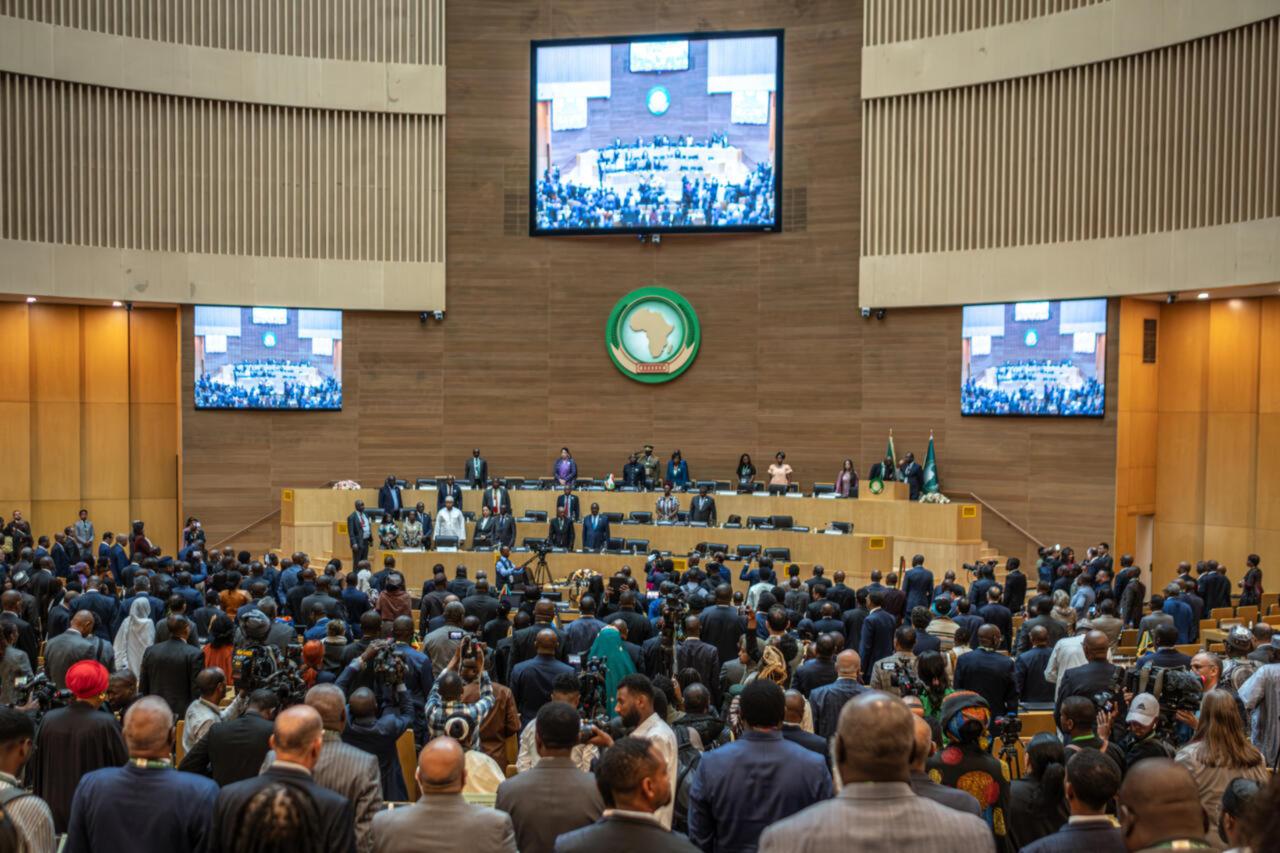


African Union (AU) Commissioner for Education, Science, Technology and Innovation Prof. Gaspard Banyankimbona said the Türkiye-Africa partnership remains a strategic priority for the AU, adding that the bloc aims to turn existing cooperation frameworks into concrete programs.
Banyankimbona answered Anadolu Agency’s questions on the occasion of African Union Day, marked every year on Sept. 9.
African Union Day commemorates the adoption of the Sirte Declaration by leaders of member states of the Organization of African Unity on Sept. 9, 1999, in Sirte, Libya, paving the way for the establishment of the African Union.
Banyankimbona said the Türkiye-Africa partnership is based on the cooperation framework established in 2008 and was further deepened with the 2021 Istanbul Declaration.
“We are determined to turn this cooperation into measurable benefits for our peoples,” he said.
Banyankimbona recalled that he attended the Organization for Economic Cooperation and Development (OECD) Skills Summit in Istanbul in April on behalf of AU Commission Chairperson Mahmud Ali Yusuf.
He said they also held meetings with the Turkish Maarif Foundation during the summit.
Noting that the Turkish Maarif Foundation has educational institutions in more than 25 African countries, Banyankimbona said the parties had started work on a structured memorandum of understanding.
He said the process is being coordinated by the AU Commission’s Department of Education, Science, Technology and Innovation, adding that the aim is to align external cooperation in education and skills with the AU’s Agenda 2063 goals.
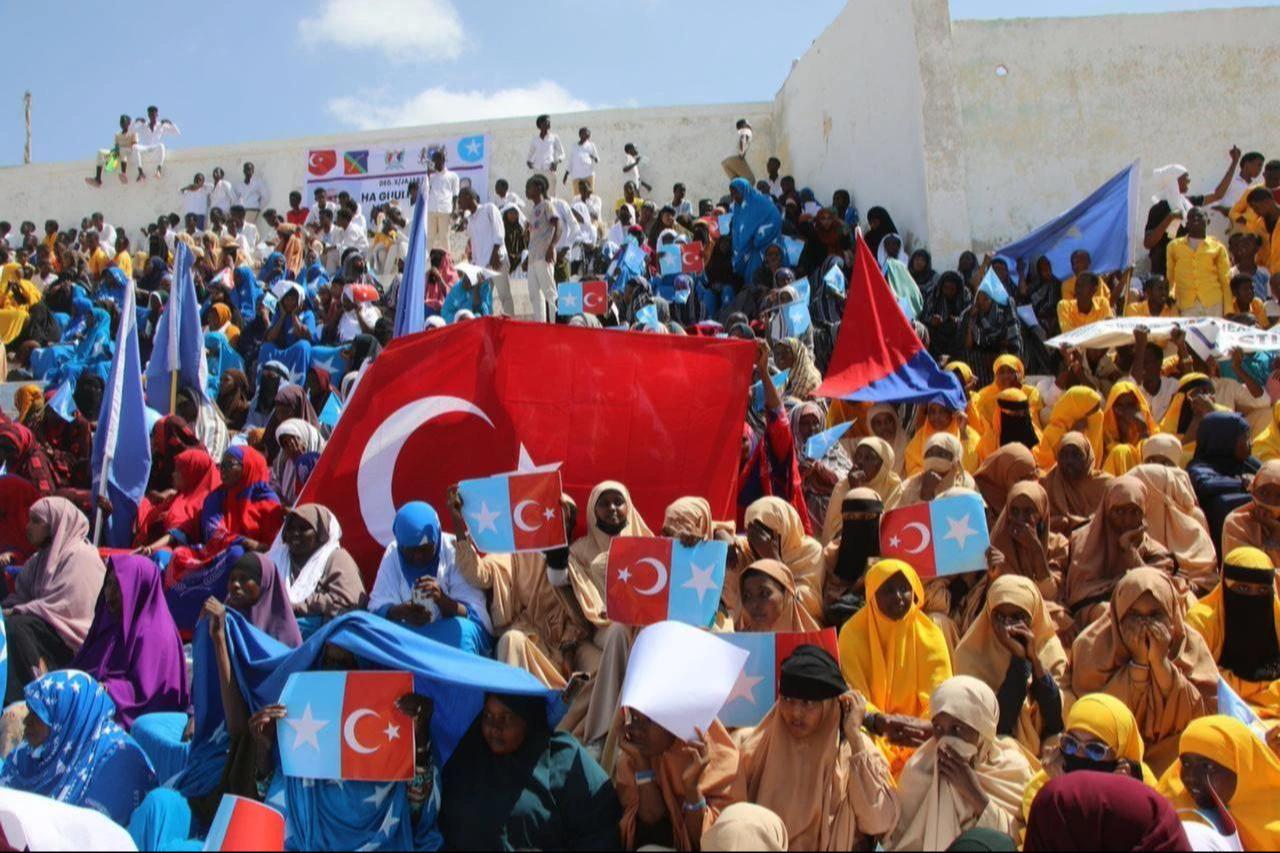

On the future of cooperation with Türkiye, Banyankimbona said the AU’s priority is to turn existing frameworks into programs that deliver concrete results.
“As the Department of Education, Science, Technology and Innovation, we are fully open to evaluating opportunities for deeper cooperation with Turkish institutions, especially universities and leading organizations in research and innovation,” Banyankimbona said.
He said such cooperation should be based on “partnership, mutual benefit and co-production.”
The aim, he added, is for initiatives in education and skills to create greater impact across the continent.
Banyankimbona said education, science, technology and innovation would play a crucial role in Africa’s future.
He said the 55-member African Union represents more than 1.4 billion people and that more than 60% of the continent’s population is under the age of 25.
By 2050, one in every four people in the world will be African, he said, adding that this demographic potential can only be turned into an economic advantage if young people are provided with the necessary knowledge, skills and opportunities.
Banyankimbona said Africa must move away from being a continent that mainly consumes knowledge and technology and become a producer and developer of them.
He said artificial intelligence offers opportunities for Africa in many areas, including education, health and agriculture.
However, he added that the continent needs to invest in digital infrastructure, reduce the digital divide and turn African youth not only into users of foreign technologies but also into developers, researchers and policymakers.
On brain drain in Africa, Banyankimbona said young scientists and professionals need strong institutions, competitive research funding, modern infrastructure and university-industry cooperation to build meaningful careers on the continent.
He said the AU is working on a draft African charter to reverse brain drain and encourage talent retention.
The plan includes mutual recognition of diplomas among AU countries, the establishment of regional innovation centers, institutional cooperation with the diaspora and incentives such as research funds, tax advantages and venture capital for professionals returning to the continent.
“By turning brain drain into brain circulation and connection, we can lay the foundations of a knowledge-based and self-sufficient Africa,” Banyankimbona said.
Banyankimbona also referred to the “Correct The Map” resolution adopted by the United Nations General Assembly on Sept. 4, which encourages the use of maps that more accurately reflect Africa’s true surface area.
He said the resolution was an important step for Africa to be represented on the basis of objective and scientific facts.
Banyankimbona said the Mercator projection, developed in the 16th century, significantly underrepresents the true size of the African continent.
He stressed that the issue was not merely a technical matter of cartography.
“This is fundamentally about knowledge, representation and how young people understand the world,” Banyankimbona said.
He added that accurate maps would help young Africans understand the true size and place of their continent in the world.
Banyankimbona said Africa’s transformation would be shaped by young people, adding that youth should not be seen only as beneficiaries of programs but as researchers, innovators, entrepreneurs and leaders who shape the continent’s future.


 Set as preferred source
 Set as preferred source


 1 min read

 1 min read


