Newsletters


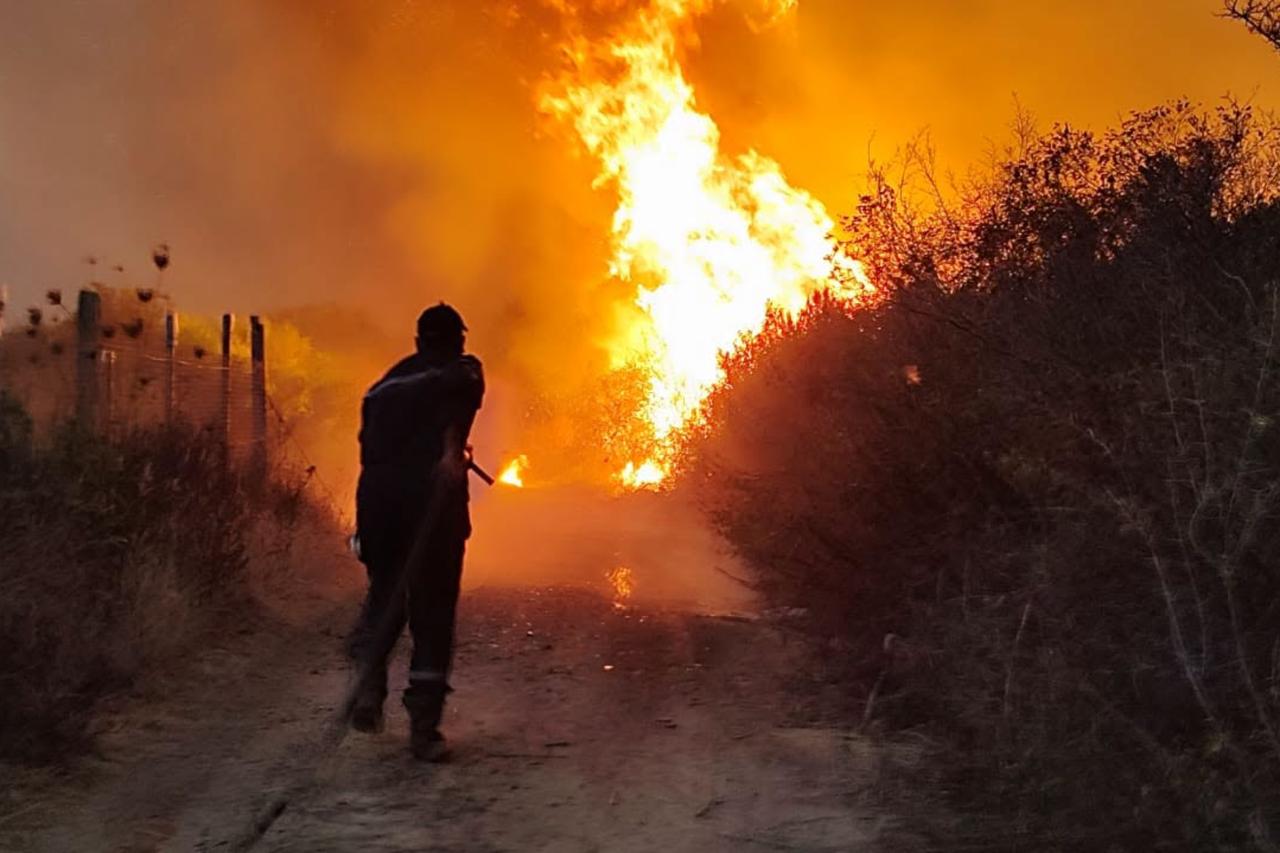


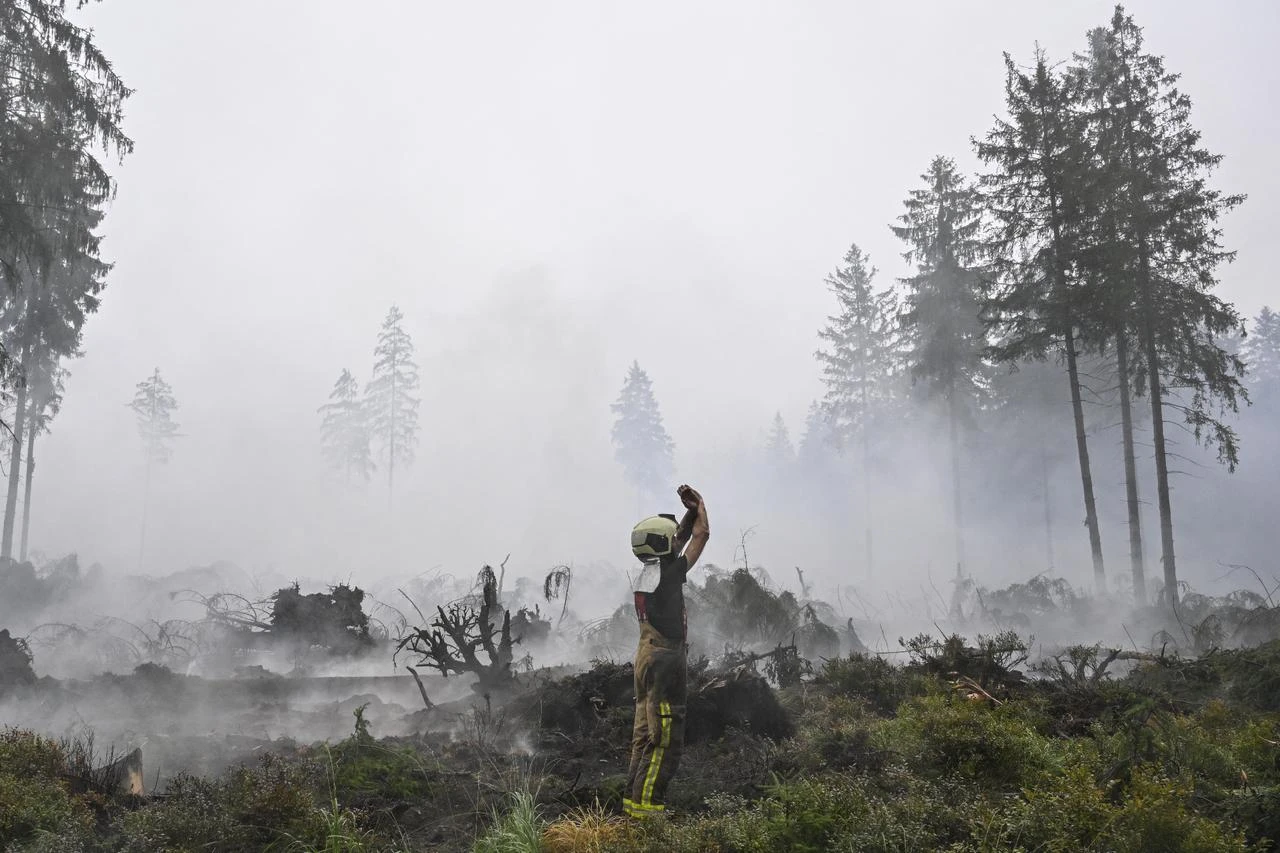
Algeria's president on Sunday ordered his government to draft legislation imposing the death penalty on anyone convicted of deliberately starting forest fires, following a wave of blazes that killed 12 people across the country this month.
President Abdelmadjid Tebboune issued the directive during a high-level meeting on the aftermath of the fires, which was attended by senior civilian and military officials, according to state television.
Tebboune instructed the justice minister to submit an amendment to the penal code by Sept. 15 that would introduce capital punishment for anyone found guilty of intentionally setting fire to forested land.
State television reported that any death sentence handed down under the new provision would be carried out only after all avenues of appeal had been exhausted.
Under existing law, deliberately setting forest fires carries a maximum sentence of 30 years in prison, or life imprisonment in certain aggravated cases. The push for tougher penalties comes after fires in Türkiye's neighboring Mediterranean region and across Algeria's north caused widespread destruction this summer, with the northeastern part of the country among the areas hit hardest.
Capital punishment remains on the books in Algeria for a range of offenses, but the North African country has upheld a de facto moratorium on executions since 1993, meaning death sentences are routinely commuted rather than carried out.
That precedent was on display in 2022, when a court sentenced dozens of people to death over the mob killing of a man wrongly accused of starting deadly wildfires, sentences expected to be reduced to life imprisonment under the standing moratorium.
Algeria's forested north, which contains several million hectares of woodland, is struck by fires most summers, and authorities have periodically pointed to arson as a contributing factor alongside heat and drought.
The latest blazes drew a state response that included a visit by Prime Minister Sifi Ghrieb to the affected Jijel region to assess damage and coordinate relief efforts, and Tebboune declared three days of national mourning, with flags lowered to half-staff and cultural and sporting events canceled.
With the justice ministry now tasked with drafting the amendment, the proposal will need to move through Algeria's formal legislative process before becoming law. It remains unclear how quickly parliament might take up the measure once submitted, or whether the moratorium on executions would apply to convictions secured under the new provision.


 Set as preferred source
 Set as preferred source


 1 min read
 1 min read