Newsletters


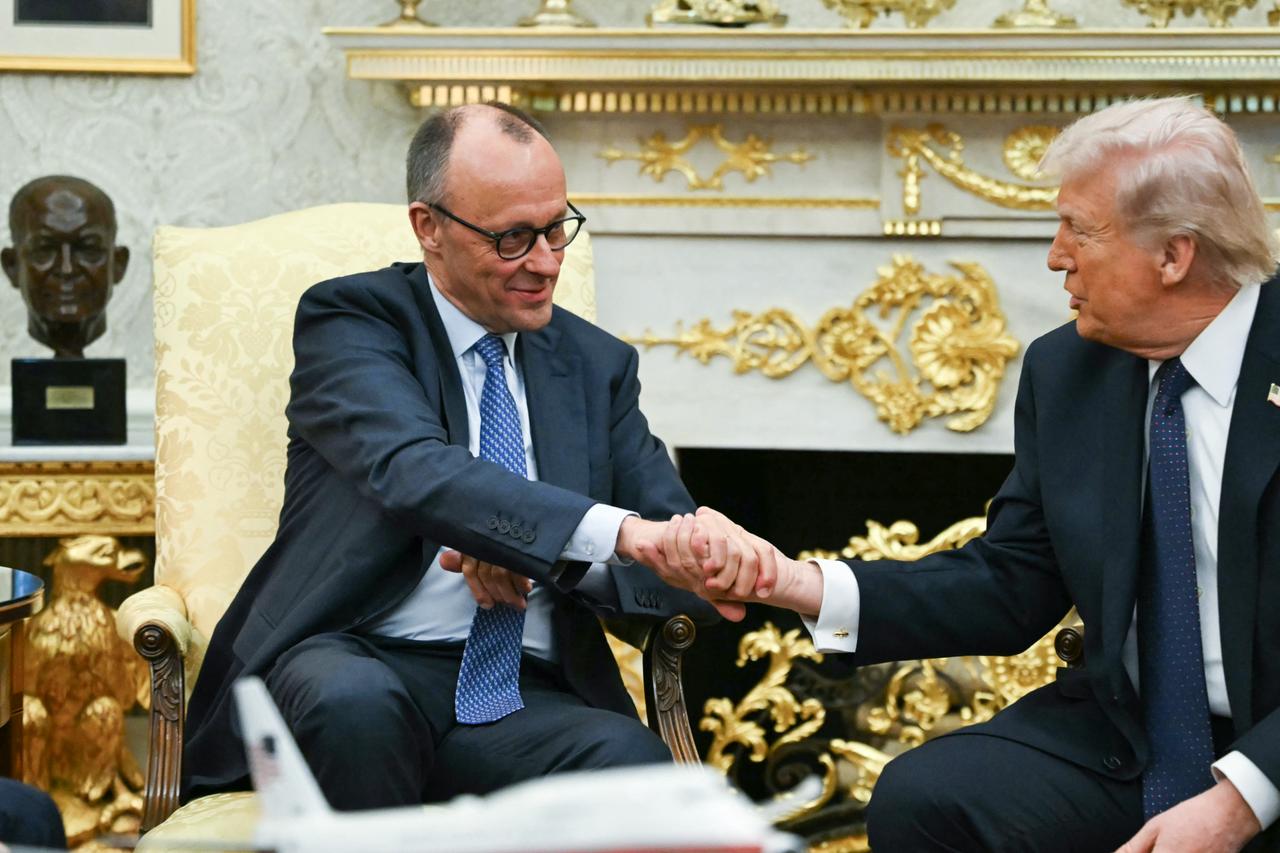


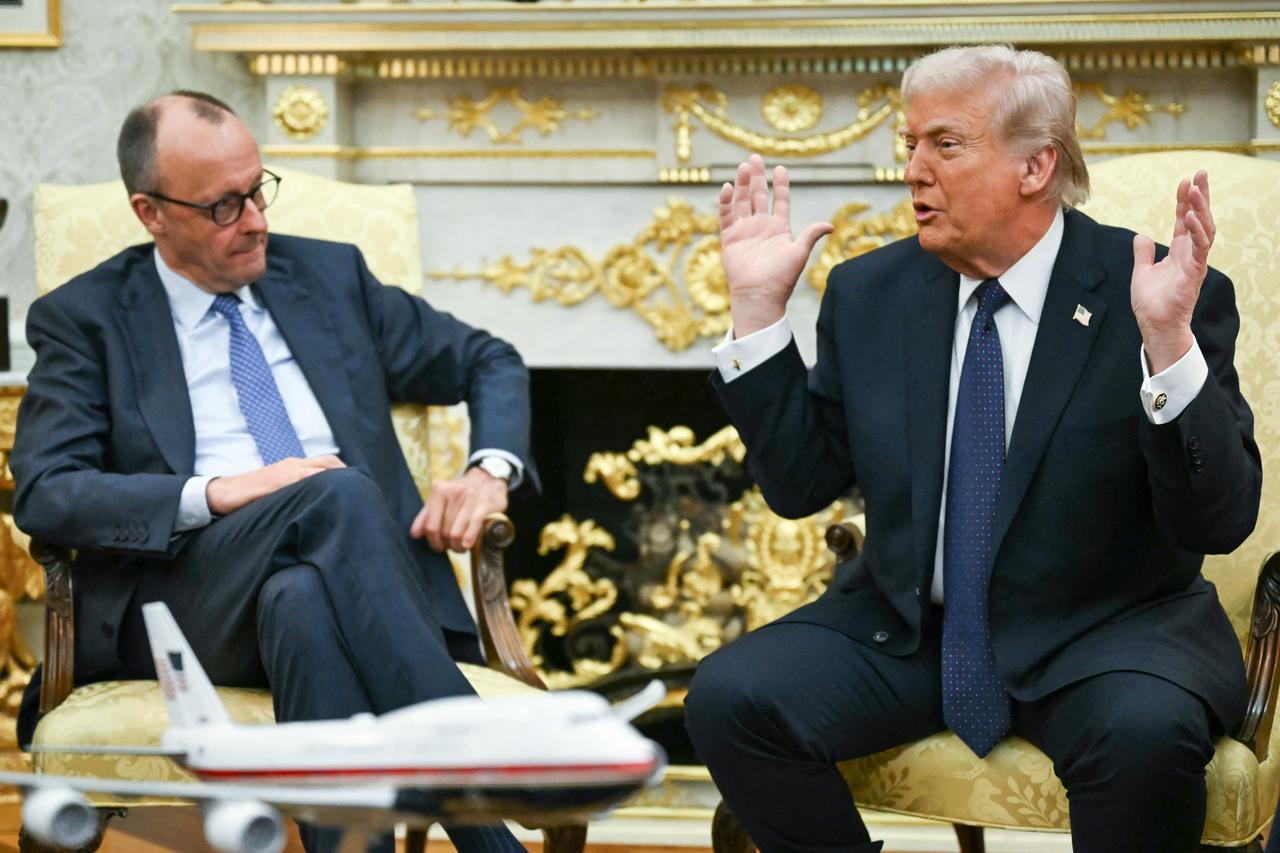
German Chancellor Friedrich Merz threw his support behind installing a new government in Iran during a White House visit on Tuesday, while President Donald Trump poured cold water on the prospect of exiled opposition figure Reza Pahlavi assuming power, saying he preferred that "somebody from within" the country take charge.
Merz, the first European leader to visit Trump since the United States and Israel launched their military offensive against Iran, declared that he and the president are aligned on the campaign's core objective. "We are on the same page in terms of getting this terrible regime in Tehran away," the German chancellor said, adding that the two leaders would discuss what comes after. "We will talk about the day after, what will happen then."
But the question of who would lead a post-regime Iran loomed over the meeting, with Trump acknowledging that US-Israeli strikes had killed several figures his administration had identified as potential successors, and publicly distancing himself from Pahlavi, the son of Iran's last shah and the most prominent face of the opposition in exile.
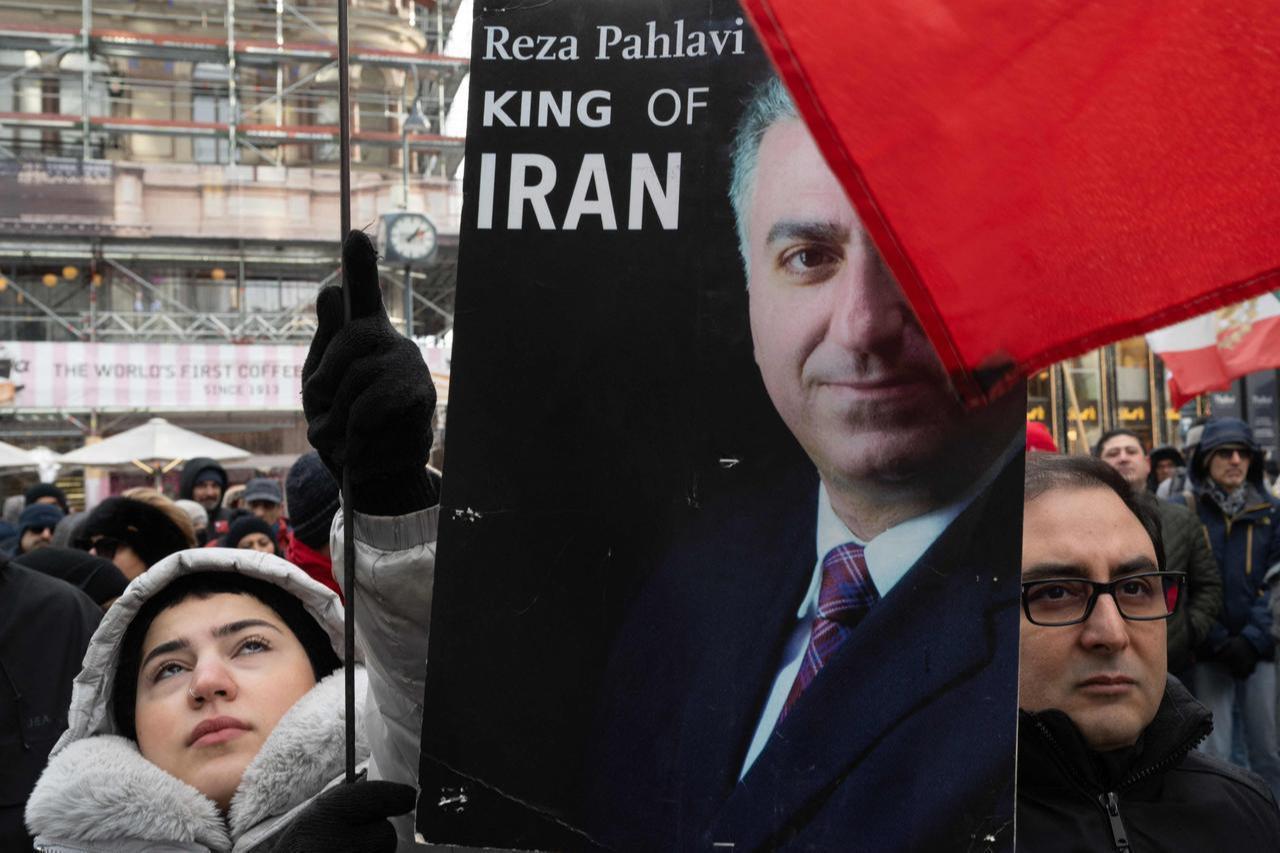

Even as Merz expressed solidarity, Trump offered a striking admission about the toll the bombing campaign has taken on Washington's own plans for a post-regime Iran. "Most of the people we had in mind are dead," Trump said during the joint appearance with Merz, referring to figures the administration had identified as possible future leaders. "Now we have another group. They may be dead also, based on reports."
The comment laid bare a central tension in the US approach: the administration has signaled its desire for regime change in Tehran while simultaneously insisting the war is not, officially, about regime change. Trump and senior officials have offered shifting justifications for the offensive, citing both an imminent threat to the United States and the need to prevent Iran from acquiring nuclear weapons.
When asked about Reza Pahlavi, the exiled son of Iran's last shah who has become a prominent opposition figurehead, Trump was notably cool. "Some people like him, and we haven't been thinking too much about that," the president said, adding that "somebody from within maybe would be more appropriate." While acknowledging Pahlavi "looks like a very nice person," Trump suggested that a leader who is already inside the country and popular among Iranians would be a better candidate.
Pahlavi, who has lived in exile since the 1979 Islamic Revolution that overthrew his father, Mohammad Reza Shah, has long positioned himself as a unifying figure for Iran's fractured opposition. Celebrations featuring his image erupted in Iranian diaspora communities, including in Los Angeles, as the military campaign intensified.
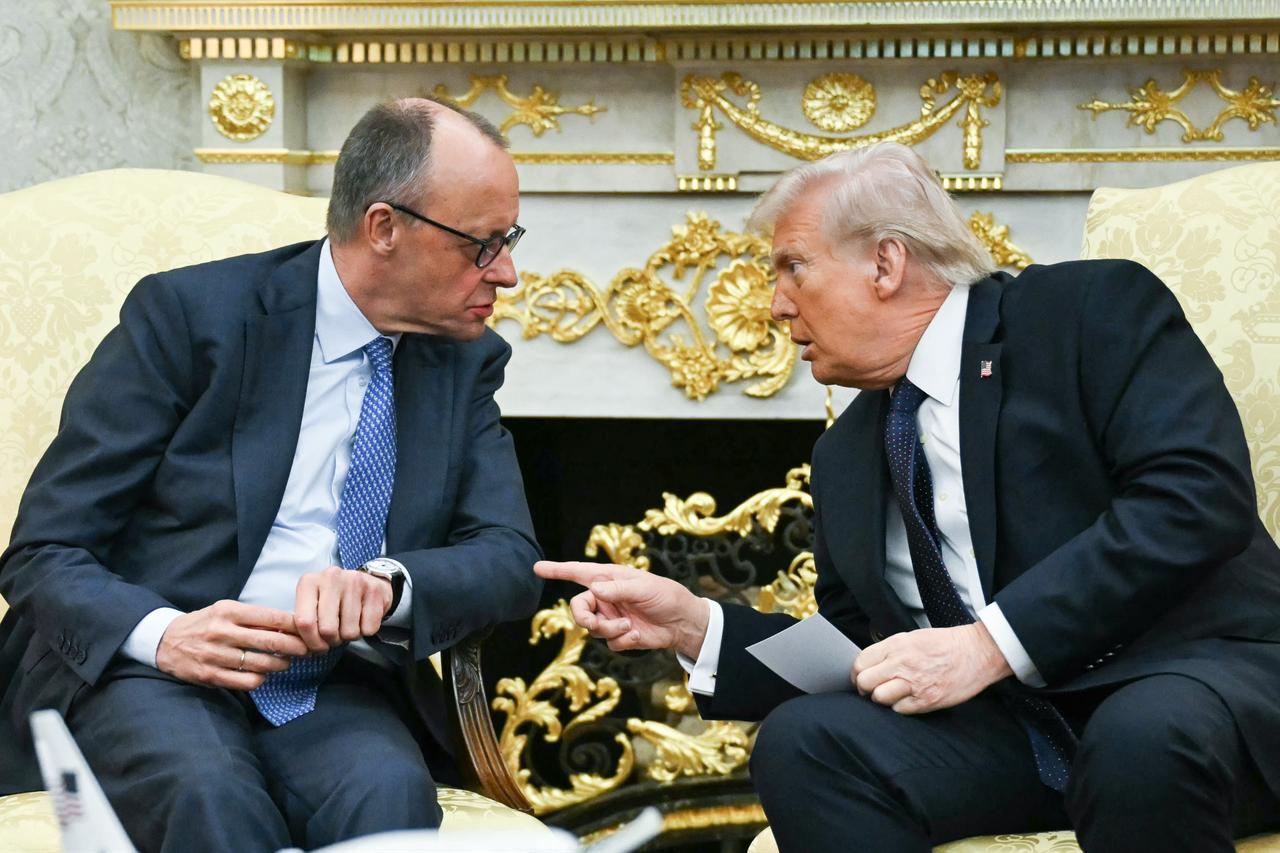
The Iran campaign was not the only agenda item. Merz told reporters he intended to raise the prospect of a bilateral US-Germany trade agreement, which he said he "would like to be in place as soon as possible." The chancellor also noted that the ongoing war in Ukraine would feature in their discussions.
Merz expressed hope that the military campaign against Iran would be resolved quickly. "We all hope that this war will come to an end as soon as possible," he said, adding that he trusted US and Israeli forces to "do the right things to bring this to an end and to have, really, a new government in place, who is coming back to peace and freedom."
On Capitol Hill, Senate Majority Leader John Thune signaled confidence that the military operation would wrap up before triggering a congressional showdown over war powers. Under the War Powers Act, the president must obtain congressional authorization for military action beyond 60 days, with a possible 30-day extension to withdraw troops.
"My assumption is, based on what they stated as their objectives, I would certainly hope that that would be a sufficient amount of time to complete the mission," Thune told reporters. He downplayed concerns about munitions shortages, saying he felt reassured by military briefings and noting that regional allies were "stepping up in a pretty significant way."
The War Powers Act, enacted in 1973 over President Richard Nixon's veto in the waning days of the Vietnam War, has long been a source of friction between the executive and legislative branches. Presidents of both parties have historically tested its limits, and Congress has rarely forced a direct confrontation over unauthorized military action.


 Set as preferred source
 Set as preferred source


 2 min read

 1 min read