Newsletters


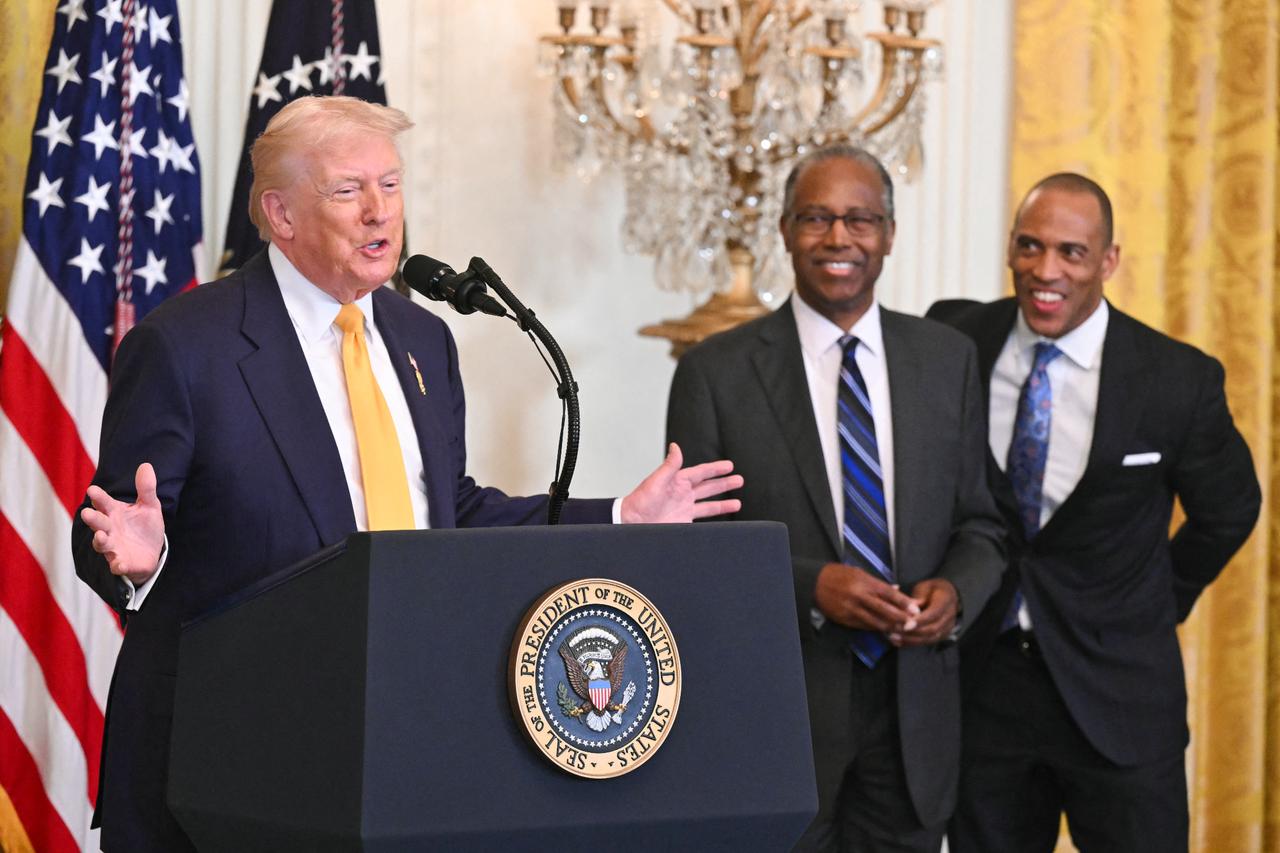


U.S. President Donald Trump used a White House Black History Month reception on Wednesday to float a potential National Guard deployment to Atlanta, Georgia, turning what was billed as a celebration into the latest signal that his administration is preparing to exert federal authority over Democratic-led cities ahead of November's midterm elections.
"You need help in Atlanta," Trump told the crowd gathered in the East Room, drawing a raucous response. "You ought to get them to call me. We could take care of Atlanta so fast."
The remarks, framed as a crime-fighting measure, fit a broader pattern of the president targeting Democratic-governed cities with federal intervention, a strategy critics argue is less about public safety than about projecting executive authority over political opponents. Atlanta, a majority-Black city and one of the most significant centers of Black political and cultural life in the United States, has long been governed by Democrats.
Trump also used the event to announce that former Republican presidential candidate Ben Carson would receive the Presidential Medal of Freedom, the nation's highest civilian honor. Carson led the Department of Housing and Urban Development during Trump's first term and was among several prominent Black Americans brought on stage alongside current HUD Secretary Scott Turner.
Trump characterized the award in his own distinctive fashion, comparing it to the Congressional Medal of Honor. "It's the highest award you can have outside of the Congressional Medal of Honor. But it's better because, you know, a lot of people get the Congressional Medal of Honor," he said.
The Presidential Medal of Freedom has been awarded by every US president since John F. Kennedy established it in 1963, recognizing individuals who have made exceptional contributions to national security, world peace, or cultural endeavors.
The reception carried an unmistakable political dimension, arriving just over eight months before midterm elections that historically punish the party in power. Republicans currently control Congress, and Trump has repeatedly expressed frustration with the well-documented pattern of midterm losses for sitting presidents.
Polling suggests the president faces a steep climb with Black voters in particular. An average compiled by Decision Desk HQ found that just 23 percent of Black Americans approve of Trump's job performance, while 74 percent disapprove, numbers that cast the Wednesday event as much in the light of political strategy as cultural recognition.


 Set as preferred source
 Set as preferred source


 2 min read

 1 min read