

 Newsletters


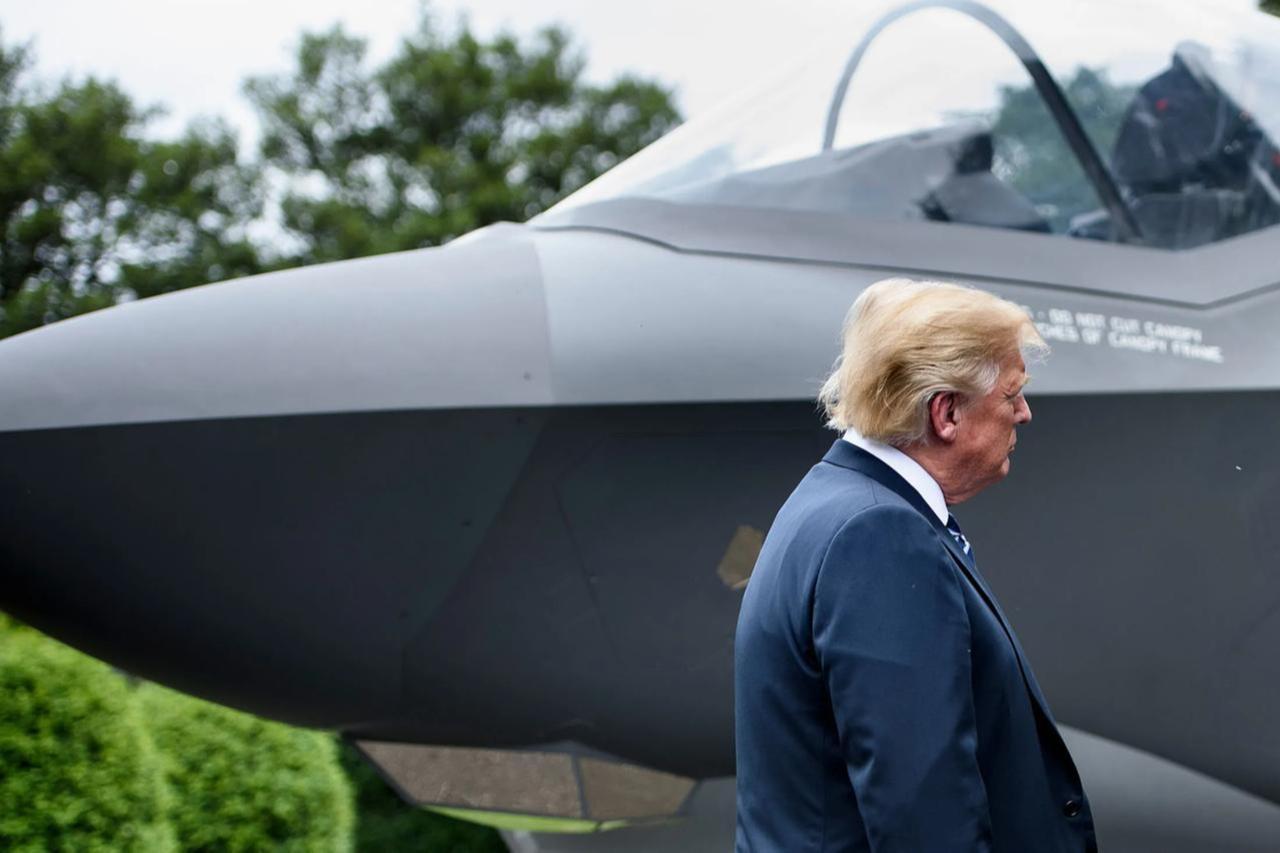


The United States has moved more than 50 advanced fighter jets toward the Middle East over the past two days, a massive show of military force that coincides with a pivotal moment in negotiations over Iran's nuclear program, according to open-source flight tracking data and a US official.
The large-scale air power transfer, confirmed by a US official to Axios, includes some of the most capable aircraft in the American arsenal: F-35A Lightning II stealth fighters, F-22 Raptor air superiority jets, F-16 Fighting Falcons, F-15E Strike Eagles, and E-3 Sentry airborne warning and control aircraft. The deployment represents a significant escalation of the military pressure campaign that President Donald Trump has wielded as leverage in parallel diplomatic efforts with Tehran.
Analyst Oliver Alexander and other open-source intelligence monitors documented the movements using publicly available flight tracking data, including ACARS transmissions showing some F-35s making stopovers at Lajes Air Base in the Azores, a common transatlantic staging point for US military aircraft headed to Europe and the Middle East.
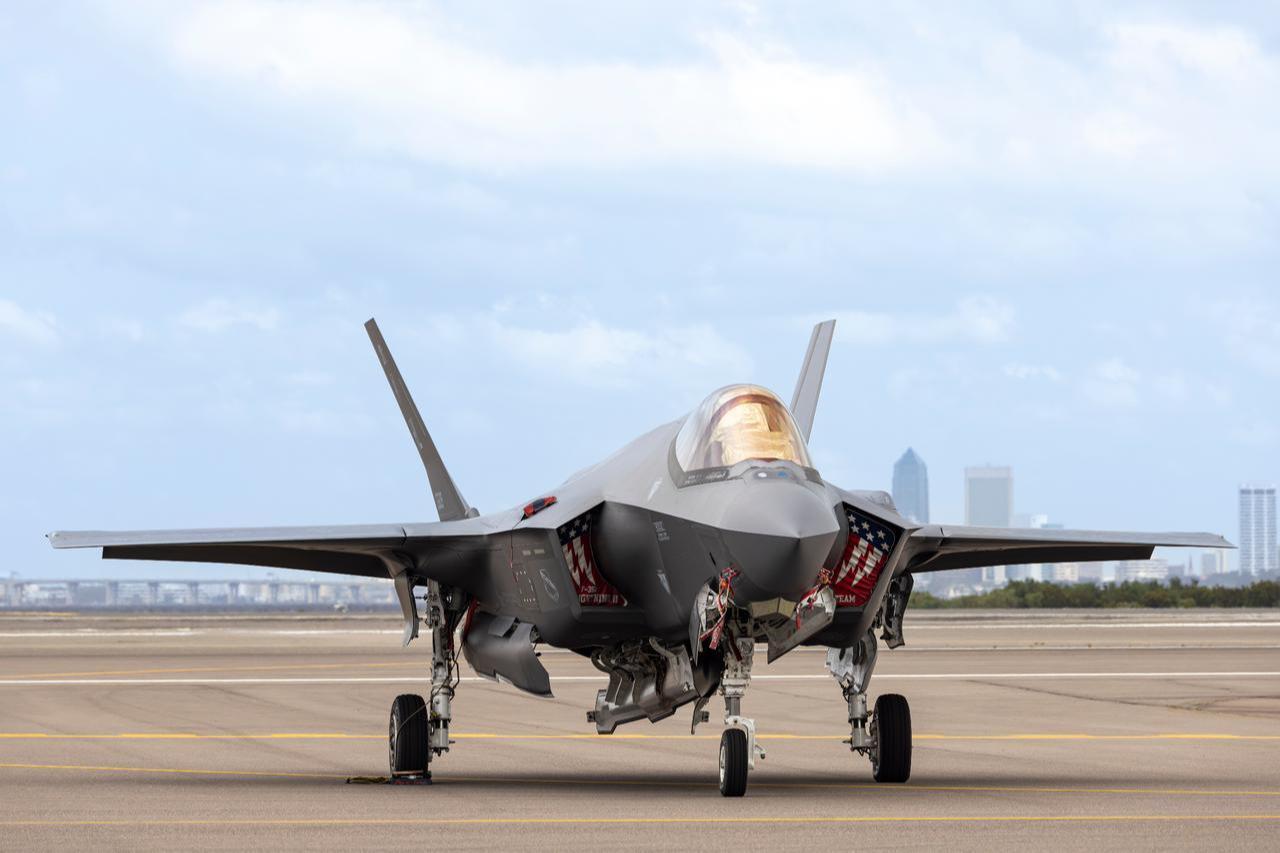

The scale of the redeployment is striking. Flight trackers identified three KC-46A Pegasus aerial refueling tankers supporting the transfer of 12 F-22 Raptors from the 1st Fighter Wing at Langley Air Force Base, Virginia, to RAF Lakenheath in the United Kingdom. Simultaneously, six KC-135R Stratotankers and an additional KC-46A were observed preparing to escort 12 F-16CJs from the South Carolina Air National Guard's 169th Fighter Wing, known as the "Swamp Foxes," from McEntire Joint National Guard Base to Naval Station Rota in Spain.
Beyond the transatlantic crossings, four KC-135 Stratotankers were tracked towing 12 F-16C Fighting Falcons from the 31st Fighter Wing at Aviano Air Base in Italy and 12 F-16CJs from the 52nd Fighter Wing at Spangdahlem Air Base in Germany directly to air bases in the Middle East. Notably, F-35s that had recently been operating against Venezuela were also redeployed to the region, further underscoring the priority Washington is placing on the buildup.
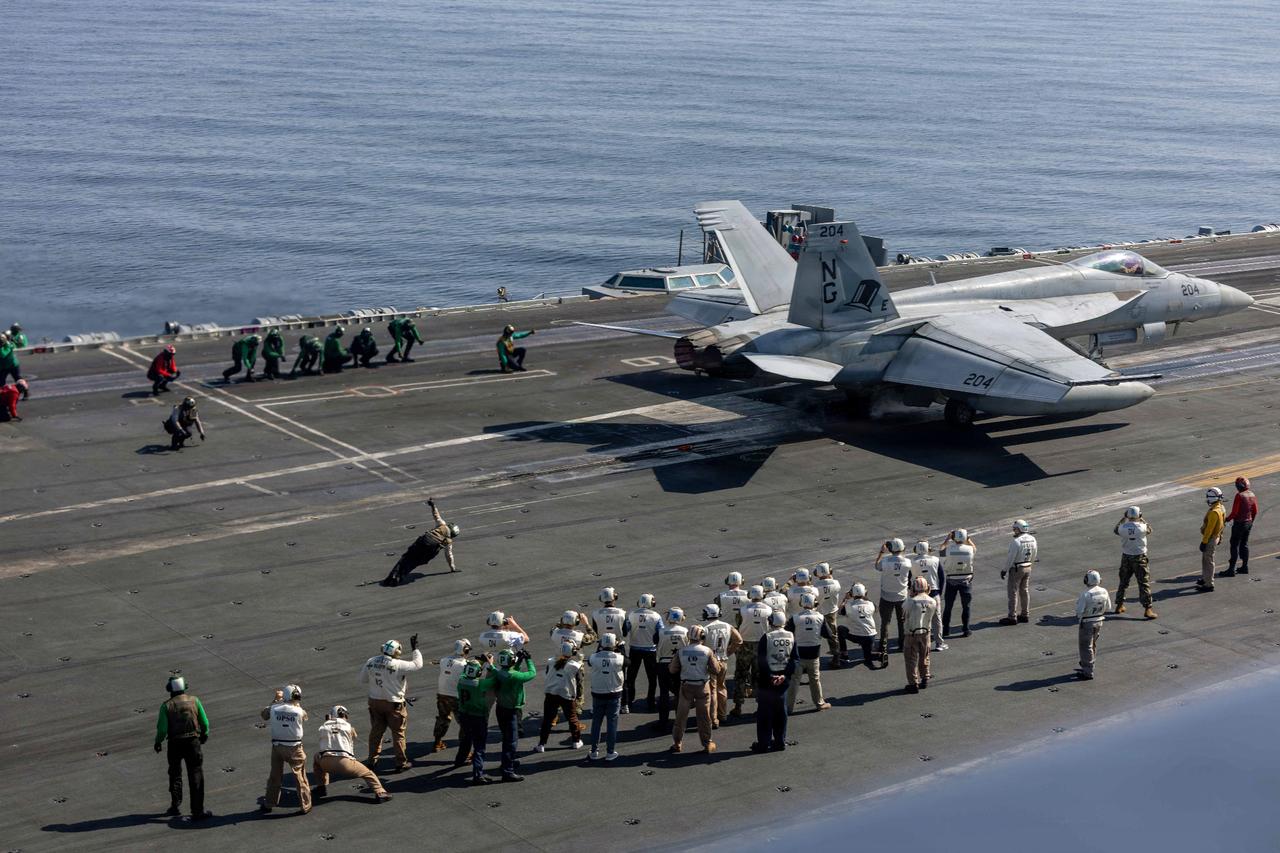
The official reasons for the redeployment have not been formally disclosed, though such movements are typically associated with regional deterrence and force projection. The buildup adds to an already formidable naval presence: the USS Abraham Lincoln carrier strike group, carrying nearly 80 aircraft, was positioned roughly 700 kilometers from the Iranian coast as of recent satellite imagery, with a second carrier dispatched over the weekend. That positioning puts at least a dozen F-35s and F-18 fighter jets within striking distance of Iranian targets.
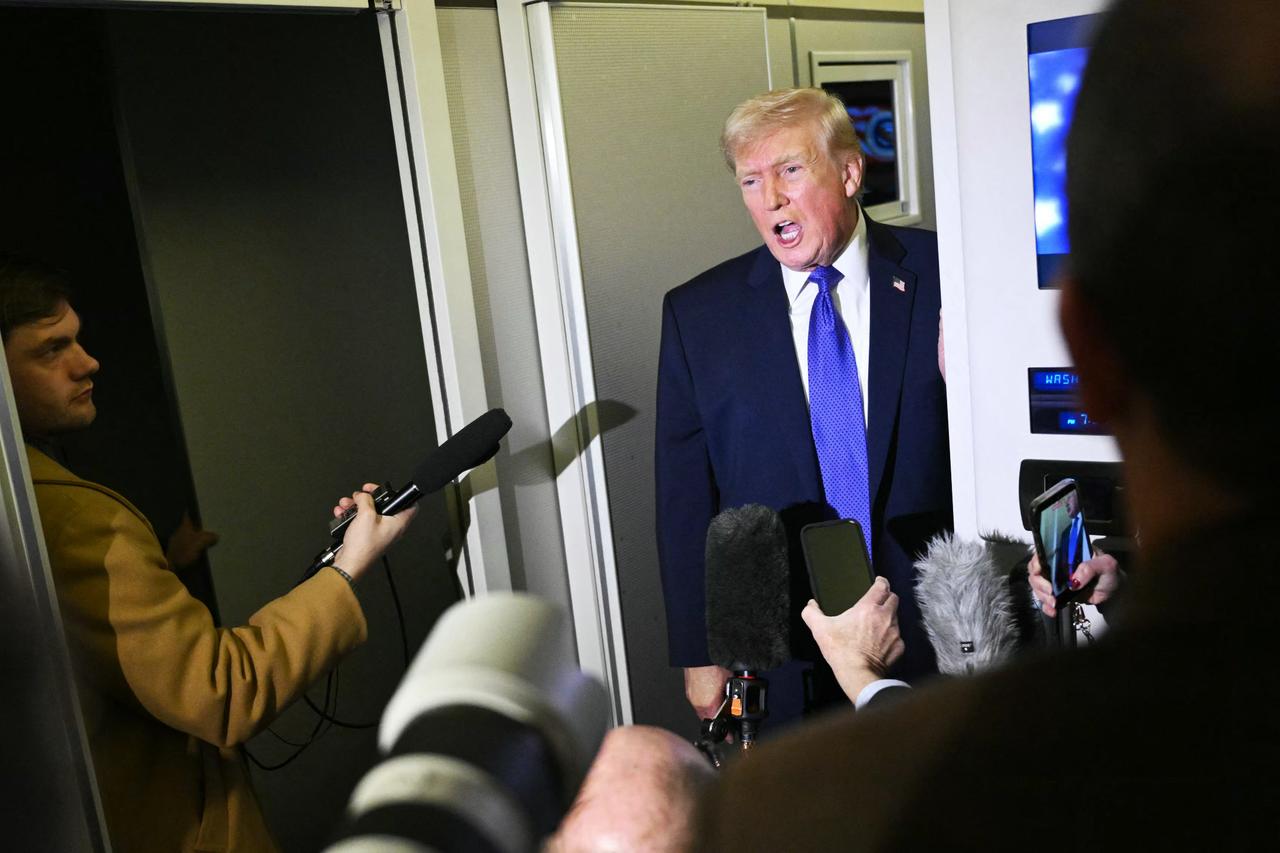
The air force surge comes as Trump weighs whether to join Israel in military action against Iran's nuclear infrastructure. White House press secretary Karoline Leavitt said Thursday that the president would make a decision "within two weeks," delivering what she called a direct message from Trump: "Based on the fact that there is a chance for substantial negotiations that may or may not take place with Iran in the near future, I will make my decision on whether or not to go within the next two weeks."
Leavitt said any diplomatic agreement must guarantee that Iran cannot enrich uranium or build a nuclear weapon, and stressed that while Trump "always wants to use diplomacy," he "is not afraid to use force if necessary."
Trump convened his top national security team in the White House Situation Room on Thursday for the third consecutive day. US officials said the president is seriously weighing military action but wants assurances on three points: that a strike is genuinely necessary, that it would not draw the United States into a prolonged Middle East conflict, and that it would achieve the objective of destroying Iran's nuclear program.
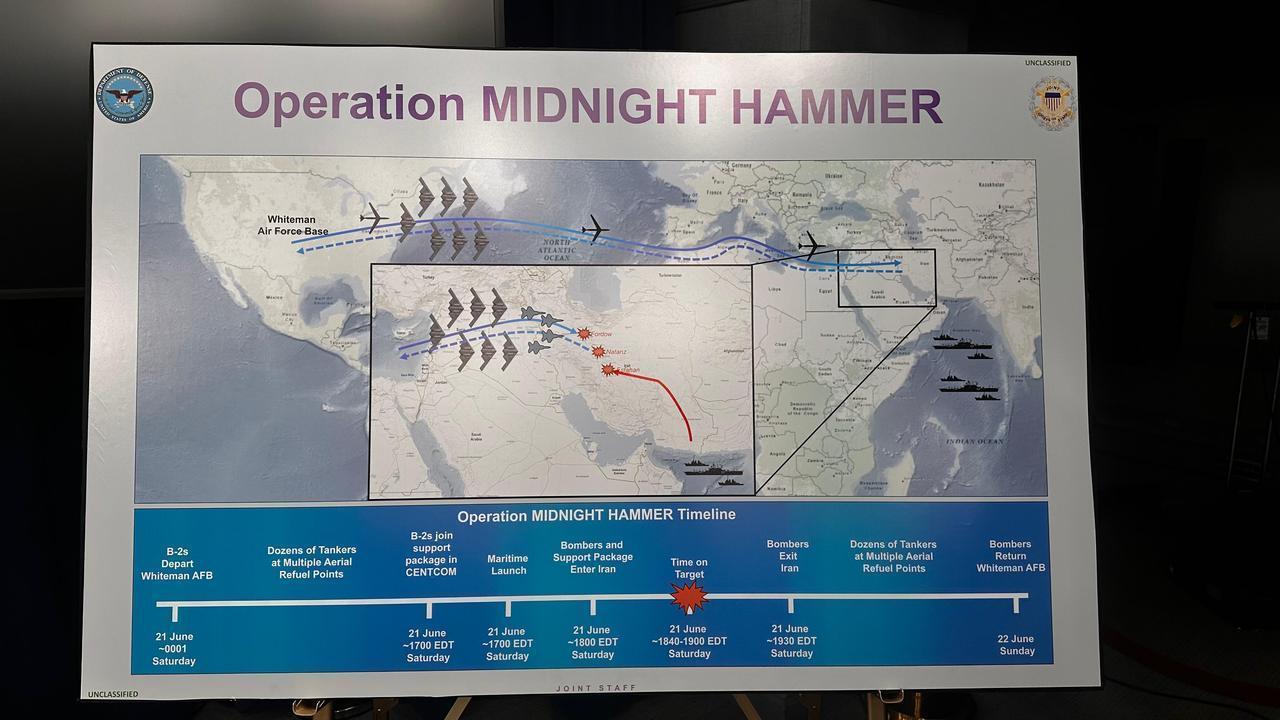
The two-week timeline carries an ominous historical echo. On June 19, 2025, the White House issued a nearly identical statement saying Trump would decide "within two weeks" between diplomacy and military strikes. Three days later, he ordered Operation Midnight Hammer.
The military buildup forms the backdrop to a second round of Omani-mediated talks in Geneva, where Iranian Foreign Minister Abbas Araghchi said the two sides had reached agreement on "a set of guiding principles" for a broader deal. Araghchi described the latest round as "more constructive" than the first, telling Iranian state television that once both sides produced draft texts, "the drafts would be exchanged and a date for a third round would be set."
Omani Foreign Minister Badr Albusaidi confirmed the sides had made "good progress" but cautioned that "much work is left to be done." Araghchi himself acknowledged that narrowing the gap between both countries' positions "will take time."
The diplomatic track faces significant obstacles. Iran has insisted the talks be limited to the nuclear issue, while Washington has previously pushed to include Tehran's ballistic missile program and its support for armed groups across the region. Iranian Foreign Ministry spokesman Esmail Baqaei said the lifting of sanctions must be an integral part of any deal, reflecting the economic pressure that has become central to Tehran's calculations.
Washington dispatched Middle East envoy Steve Witkoff and Trump's son-in-law Jared Kushner to Geneva for the talks. Behind the scenes, Witkoff has maintained direct communication with Araghchi, and Trump said Wednesday that Iran had even proposed sending a delegation to the White House, though no meeting between US and Iranian officials has been formally scheduled.
The rhetorical temperature has risen sharply alongside the military maneuvers. Trump warned ahead of the Geneva talks that he did not think Iran would want "the consequences of not making a deal," while cautioning that it was getting "very late" for negotiations and he might soon authorize strikes on Iran's nuclear program. On Friday, Trump said a change of government in Iran would be the "best thing that could happen."
Iran's supreme leader, Ayatollah Ali Khamenei, responded with pointed language of his own after negotiations began, referencing the US naval deployment. "We constantly hear that they have sent a warship towards Iran. A warship is certainly a dangerous weapon, but even more dangerous is the weapon capable of sinking it," Khamenei said, adding that Trump would not succeed in destroying the Islamic republic.
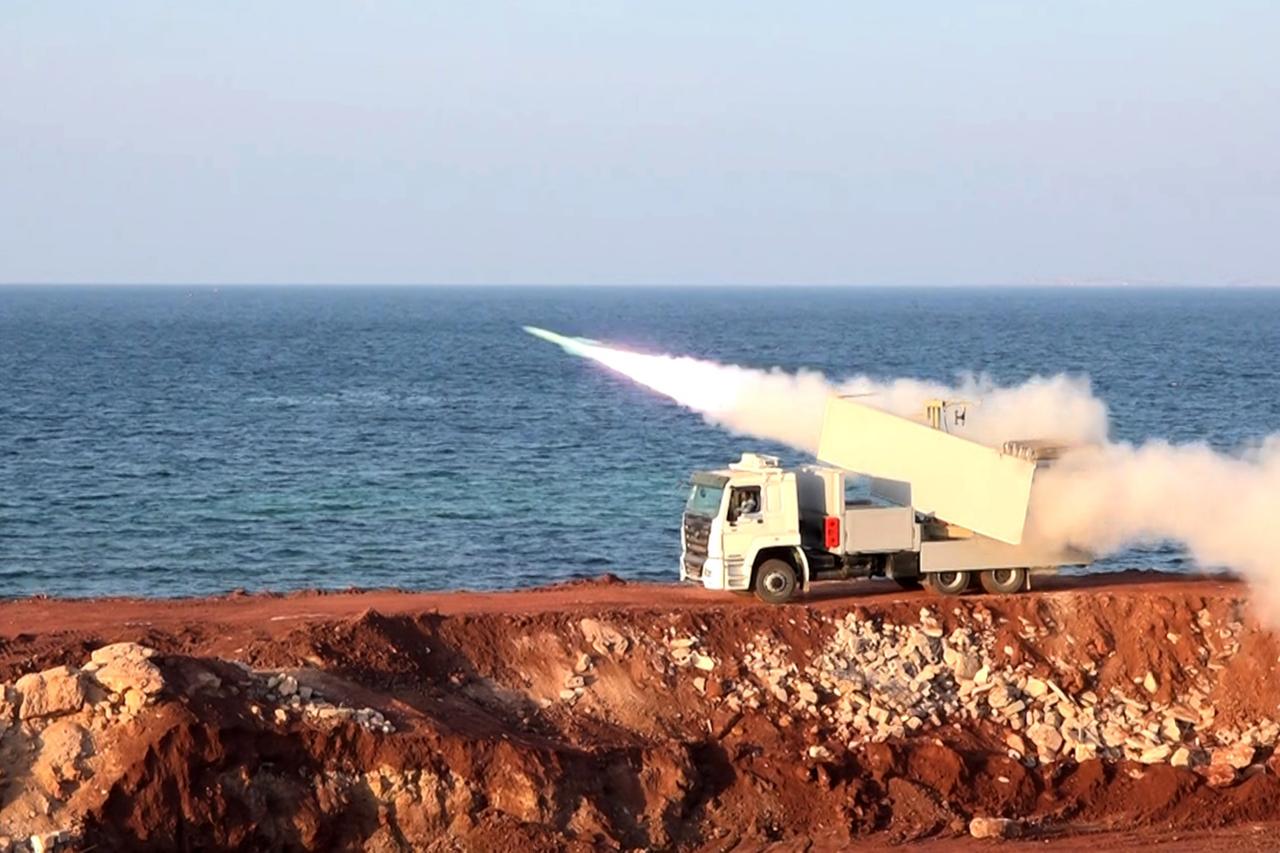
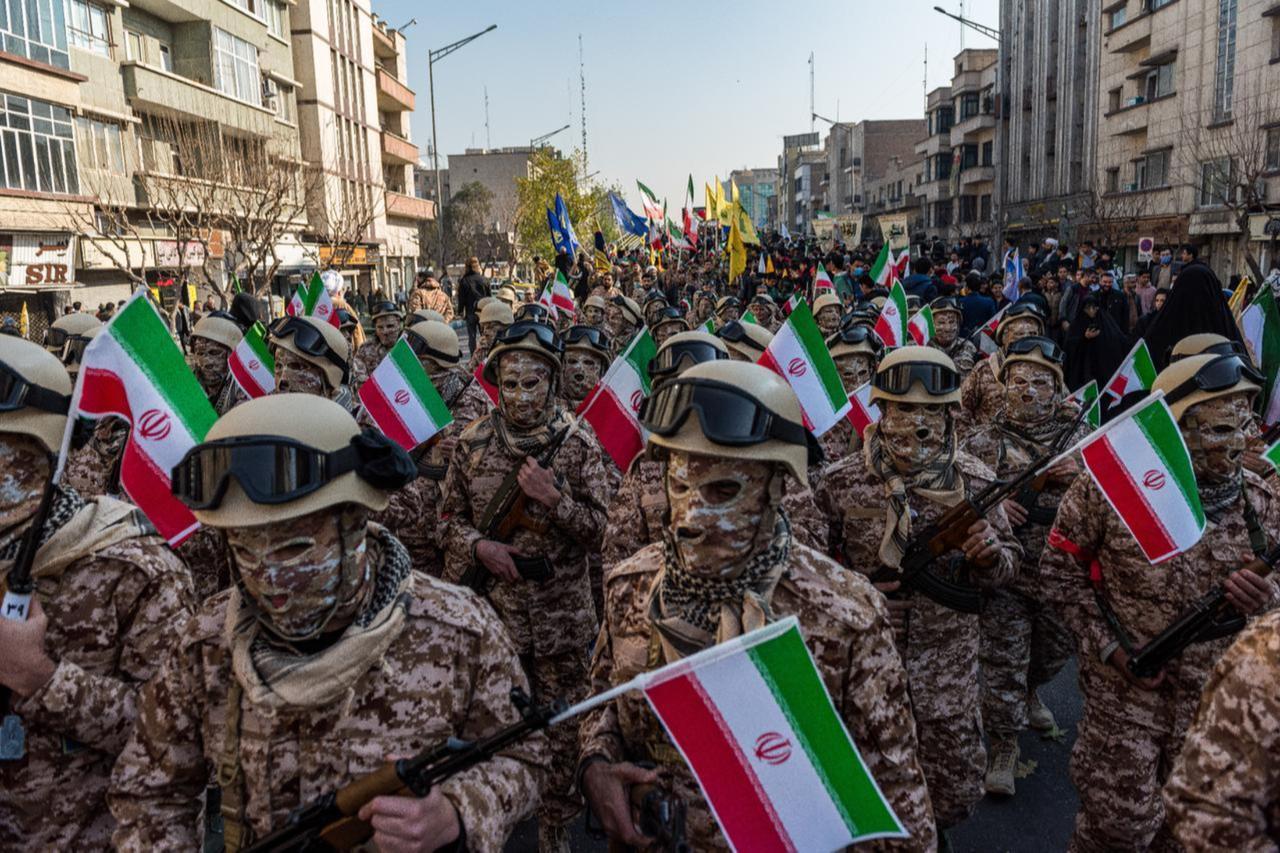
Iran's Revolutionary Guard Corps launched a series of war games in the Strait of Hormuz, the strategically vital shipping lane through which much of the world's oil passes, to prepare for "potential security and military threats." Tehran announced it would close parts of the waterway for safety reasons during the drills, a move likely to increase anxiety in global energy markets. Iranian politicians have repeatedly threatened to block the strait entirely in the event of a military confrontation.
The European diplomatic track also intensified, with the foreign ministers of France, Germany, and the United Kingdom, along with the EU's foreign policy chief, set to meet with Araghchi in Geneva on Friday. A European official said the EU's foreign policy chief spoke by phone with Secretary of State Marco Rubio on Wednesday about the planned meeting. UK Foreign Secretary David Lammy, after meeting with Rubio and Witkoff at the White House on Thursday, said publicly that a "window now exists within the next two weeks to achieve a diplomatic solution."
Araghchi met separately with International Atomic Energy Agency chief Rafael Grossi in Geneva for what was described as a "deep technical discussion," underscoring the central role nuclear inspections and verification will play in any potential deal. A previous attempt at diplomacy collapsed last year when Israel launched surprise strikes on Iran in June 2025, beginning a 12-day war that Washington briefly joined to bomb Iranian nuclear sites.
Ali Fathollah-Nejad, director of the Berlin-based Centre for Middle East and Global Order, described Iran's position as an "existential dilemma," noting that while conceding to US demands could bring badly needed sanctions relief, "any significant concessions on the nuclear, ballistic missile and regional proxies issues would sensitively undermine its ideological and military standing."


 Set as preferred source
 Set as preferred source


 1 min read
 1 min read


