Sign in
 Newsletters


Incidents involving drones, mines and commercial ships in the Black Sea have surged roughly 10-fold this year, NATO spokesperson stated, turning the waterway bordering Türkiye, Romania and Bulgaria into one of the Russia-Ukraine war's deadliest fronts.
"In 2025, for example, we saw fewer than 50 incidents in the Black Sea. This year alone, we're talking four to five hundred," NATO military spokesperson Col. Martin O'Donnell told CBS News on Thursday.
At least 40 sailors have been killed in the Black Sea this year, according to the International Transport Workers' Federation (ITF), compared with 25 in the Strait of Hormuz, according to the International Maritime Organization (IMO).
O'Donnell said the Black Sea is "just as important" as Hormuz for global trade, and that some might argue it is even more important. Any imbalance in the flow of fuel and food "can have global implications that can impact America just as much as it can any of the nations here," he said.
Three of the six countries bordering the Black Sea, Romania, Bulgaria and Türkiye, are NATO members.
Asked whether the alliance would defend itself if necessary, O'Donnell said: "I would say that there should be no doubt on NATO's willingness and ability to act."
Romanian Navy Capt. Mihai Iordache told CBS that defending maritime borders is unlike defending them on land. "We do not have a fence into the Black Sea to state this is our border, that is the other border," he said.
"We don't have enough people, personnel, equipment to deal with all the commercial ships and all the drones that we have," Iordache said, adding, "Four years ago, we were ready for one drifting mine, and right now we are ready for tens of drifting drones."
Turkish-linked vessels have repeatedly been hit in the Black Sea this year.
German Foreign Minister Johann Wadephul called on Russia to show its readiness for peace talks through concrete steps. "For example, that would mean finally establishing a ceasefire in the Black Sea," he said in Berlin alongside Romanian Foreign Minister Dan Neculaescu.
Wadephul accused Russia of expanding its war into the Black Sea region and warned that attacks on merchant vessels threaten grain exports and food security in the Global South.
He defended Ukraine's strikes on military targets as "legitimate" but warned against widening the war. "I strongly caution against any geographical expansion of this conflict," he said.
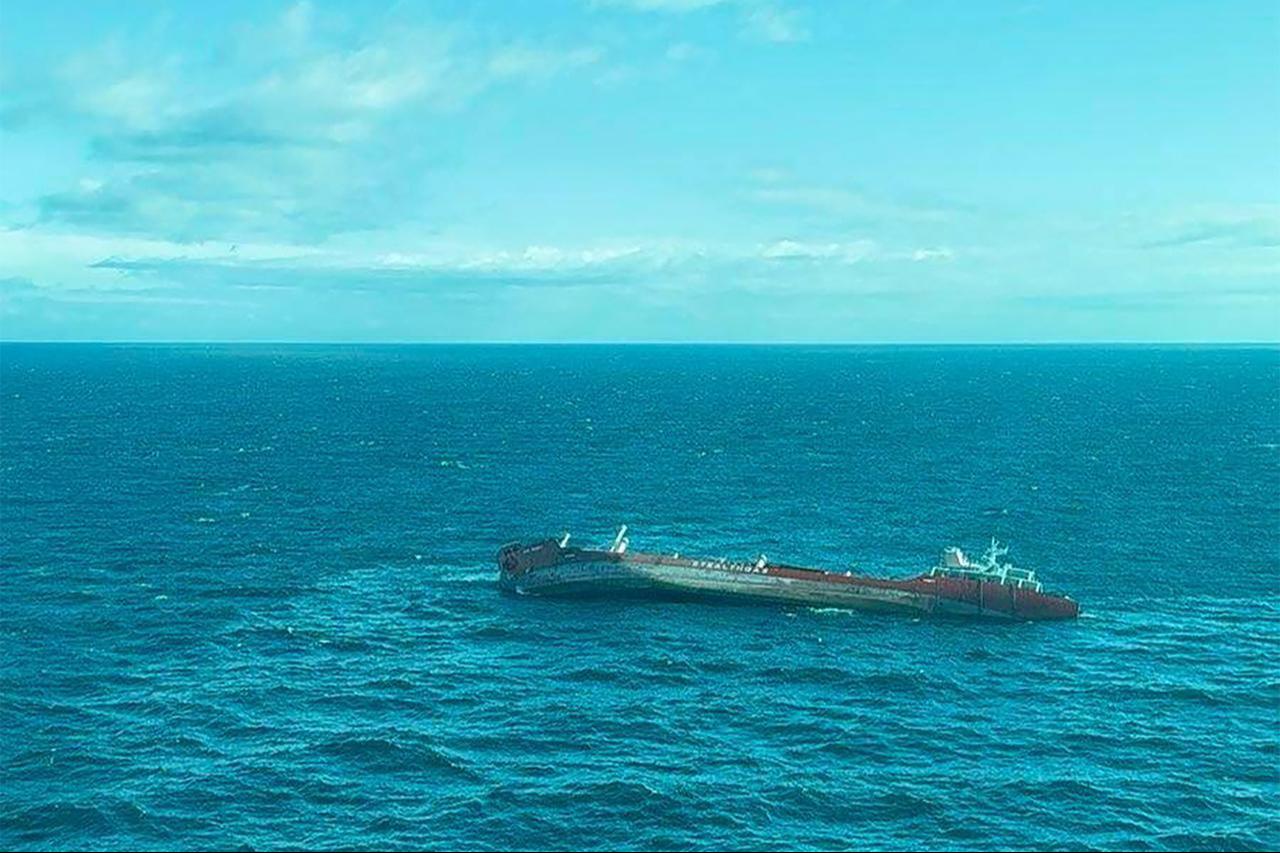

Ukraine launched nearly 500 strikes on Russian targets more than 500 kilometers away between Jan. 1 and Nov. 20, more than in the first four years of the war combined, according to AFP's analysis of ACLED conflict monitor data. Kyiv also launched around 30 attacks on Black Sea targets more than 200 kilometers from Ukraine's shores or the front line, a five- to sixfold increase on 2025.
Ukraine said it struck gas condensate facilities in Russia's Yamalo-Nenets region in September with drones that flew "more than 3,000 kilometers," its longest-range strike of the war.
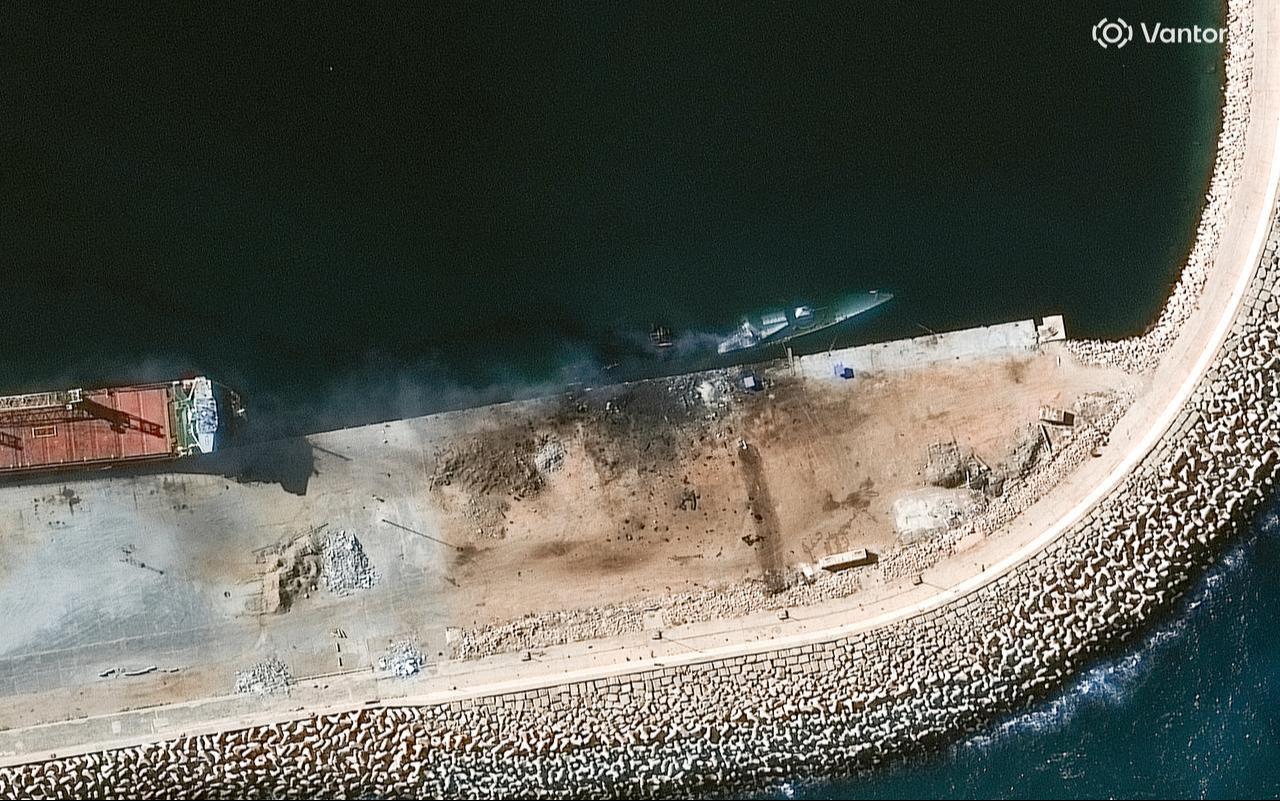
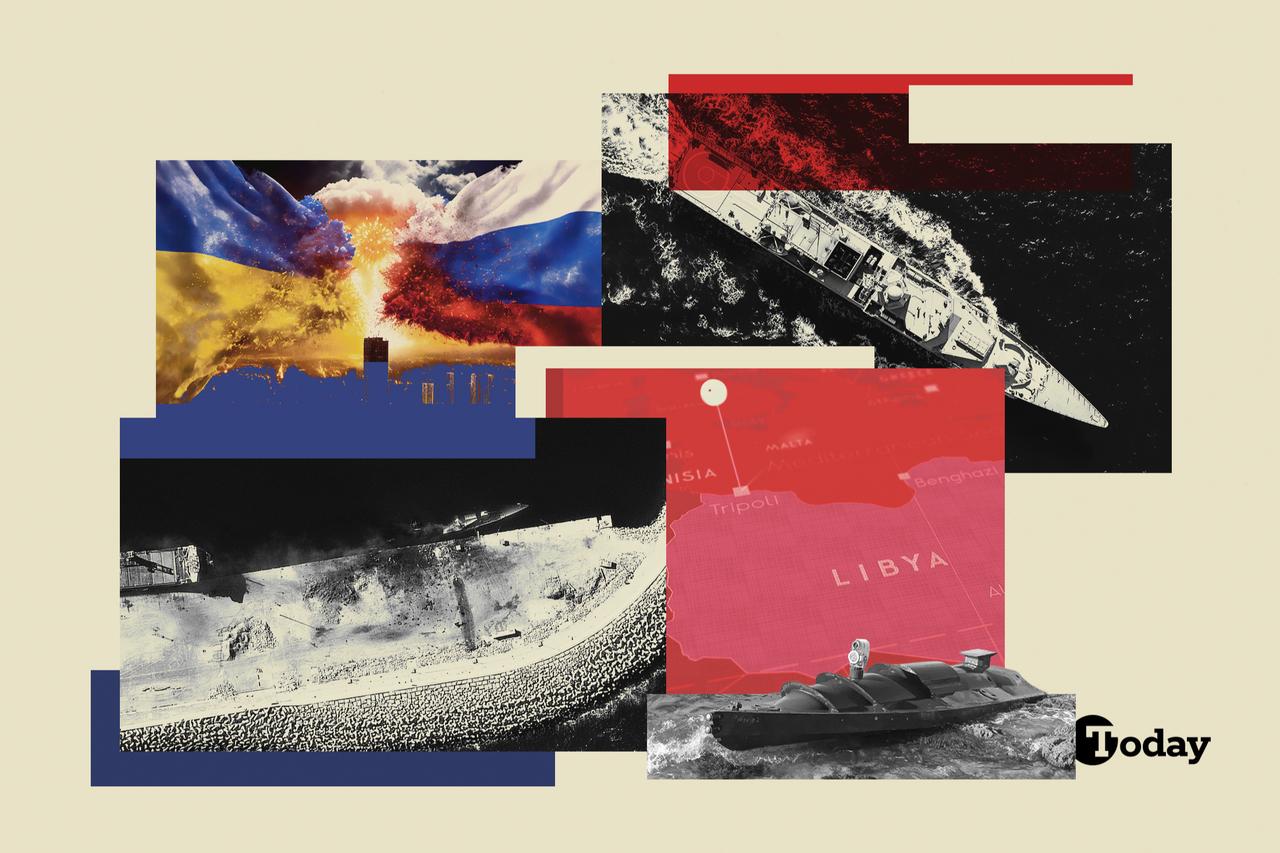
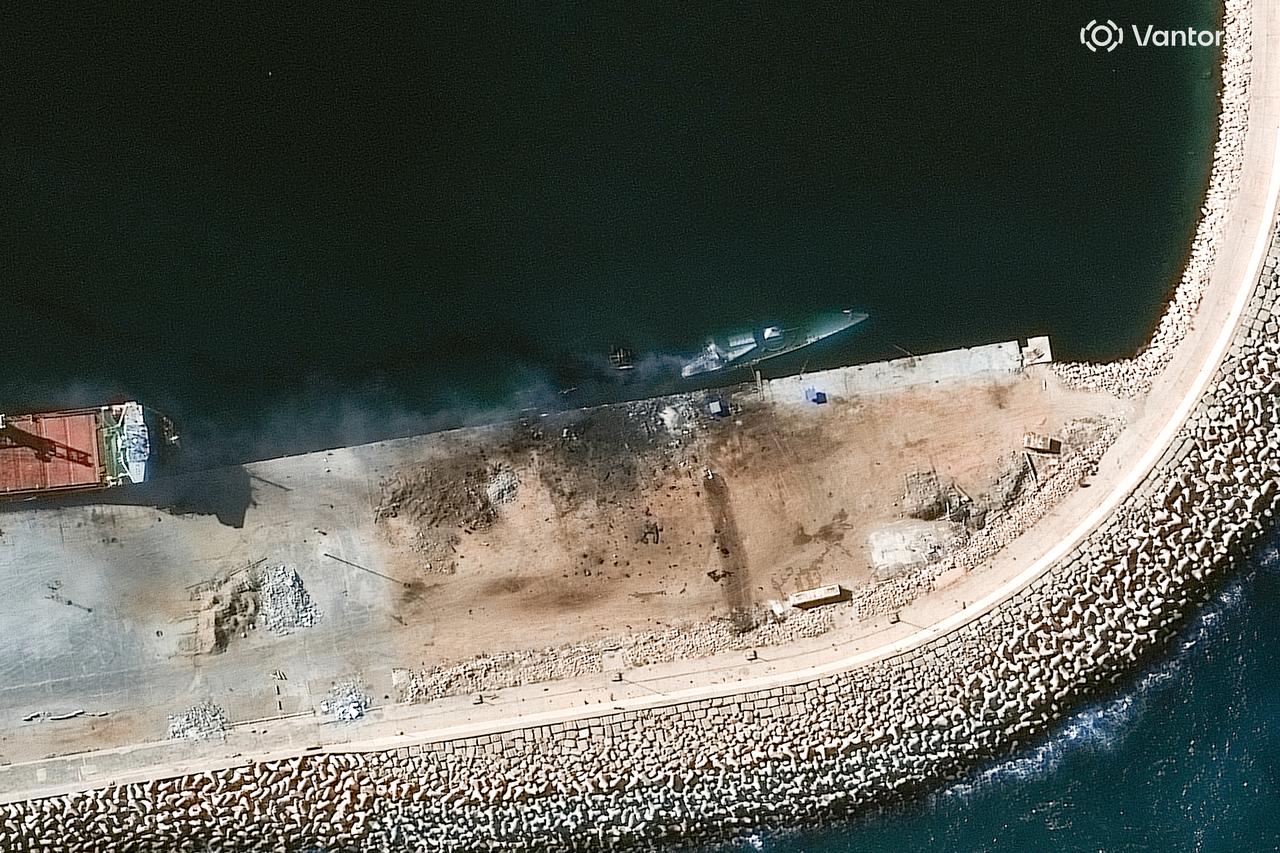
On Nov. 22, Ukrainian naval drones struck a Russian warship docked in Benghazi, Libya, and a cargo vessel off the city's coast. Ukrainian President Volodymyr Zelenskyy said Ukrainian forces sank the corvette Merkury and hit the MV Angara, which he claimed Russia used to transport weapons.
Zelenskyy told the BBC on Friday that Ukrainian forces "never carry out attacks without coordination with our partners." Italian Foreign Minister Antonio Tajani rejected that account. "So, what Zelenskyy said is not true," Tajani told reporters.
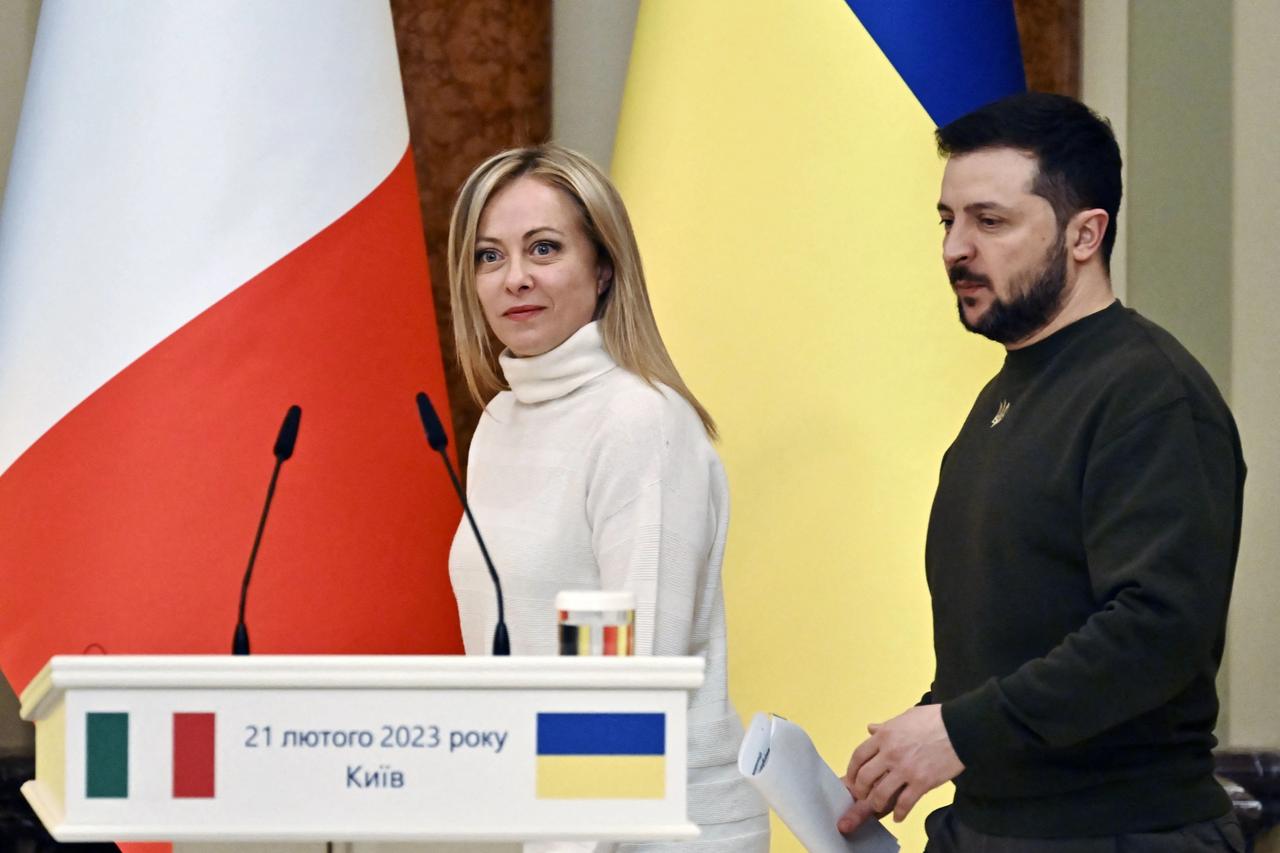
Later Friday, Zelenskyy told Italian Prime Minister Giorgia Meloni in a phone call that the Libya operation "was conducted without prior coordination with our European partners."
Meloni said the operation "violated Libya's sovereignty and risks extending the conflict to the Mediterranean."
Ukrainian Foreign Minister Andrii Sybiha said Kyiv has "no intention of extending Russia's war against Ukraine to Libya or any other country" and expressed regret over the strikes' "unintended consequences."
"Could be hotter, could be colder, who knows. Let's hope for peace," Iordache said of the Black Sea's future.


 Set as preferred source
 Set as preferred source


 1 min read
 1 min read