Sign in
 Newsletters




Every American bartender knows the phrase that means "take it outside." Türkiye just said it, in the language of diplomacy.
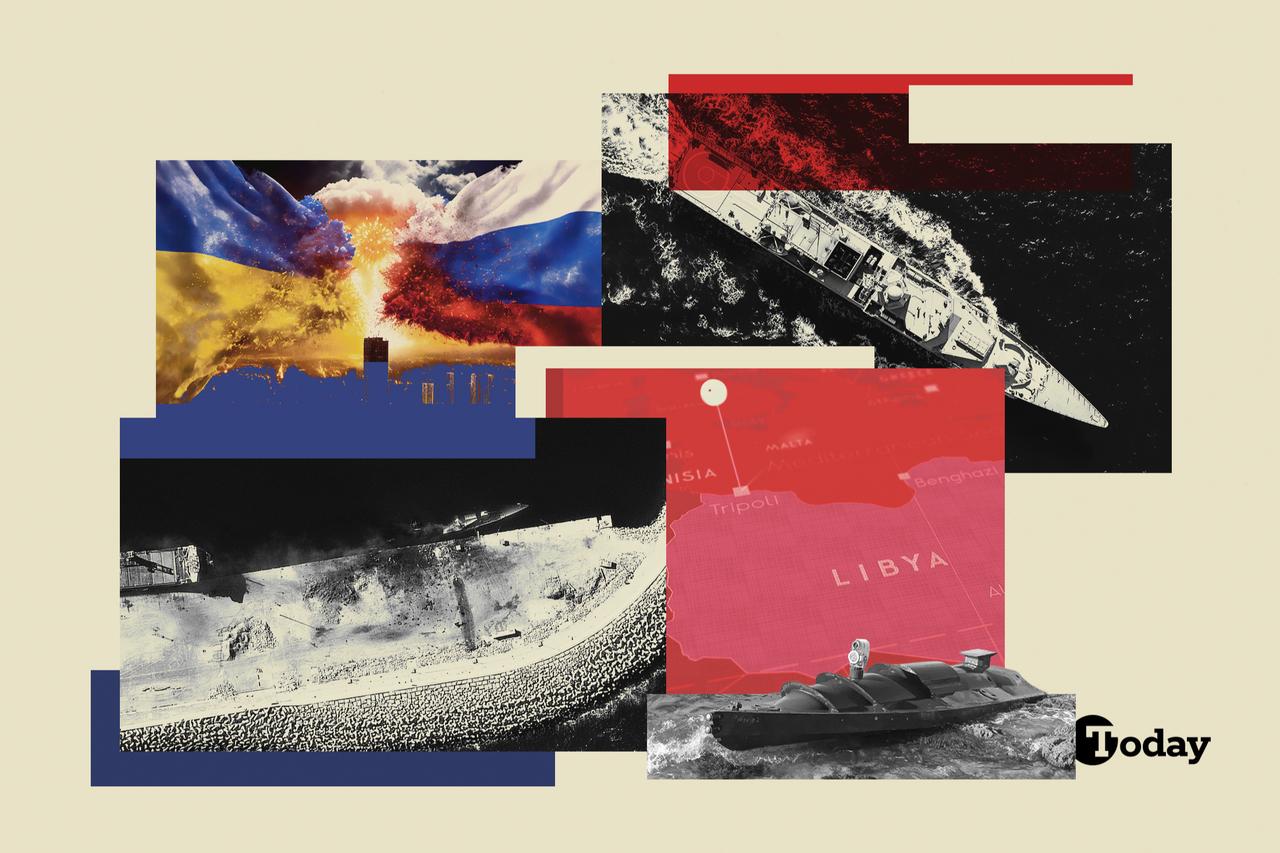
After Ukrainian naval drones sank a Russian corvette and a sanctioned cargo ship in Libya's Benghazi harbor, Turkish Defense Ministry officials told their weekly briefing on Thursday that Türkiye "continues its efforts to prevent the (Ukraine) war from spreading to a wider geographical area and to establish lasting peace."
Noting that hostile operations in the territorial waters of neutral countries violate international law, they added that the Turkish Armed Forces "will continue to take the necessary precautions to ensure maritime security, navigational safety, maritime jurisdiction areas, and our critical infrastructure in the Mediterranean."
Let's translate that diplomatic Turkish into plain English, and into what it means for Ukraine.
Translation: We understand you two slugging it out in the Black Sea, but keep your war away from other places where we have critical interests.
Türkiye will not end its support for Ukraine over these attacks. But Ankara no longer seems as eager to lead on peacemaking as it was in 2022, and the strikes may push a wider circle of capitals to press Washington, Brussels, and Moscow to end the war.
Ukraine has spent months raising the cost of Russia's war with long-range drone strikes on Russian energy infrastructure. Now Kyiv has taken the fight to distant waters with naval drones.
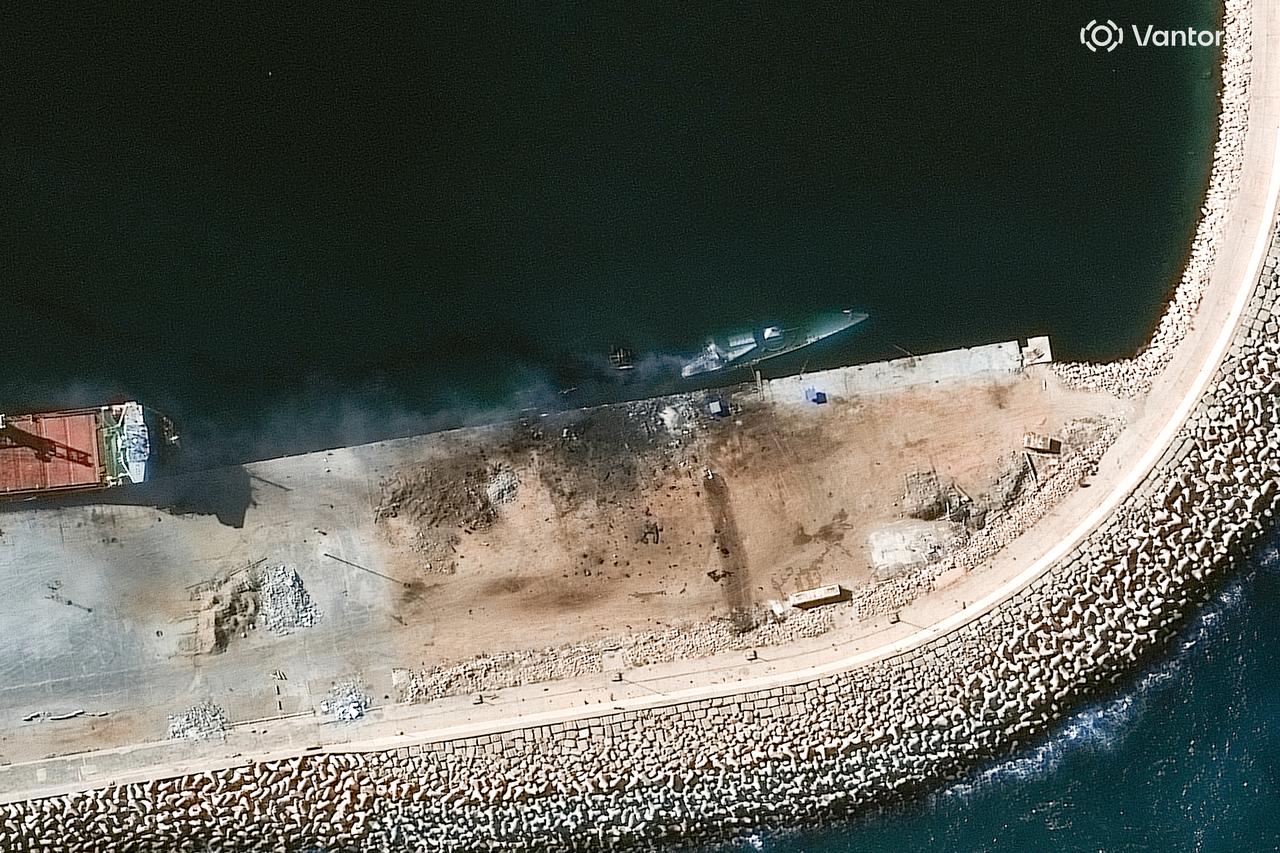
On Nov. 21, a Ukrainian drone struck the Sparta II, a cargo ship owned by the Russian Defense Ministry’s logistics arm, in the Gulf of Finland. The next day, seven Ukrainian unmanned surface vessels (USVs) hit Benghazi harbor, sinking the Merkury, one of the Russian navy’s newest corvettes, along with the MV Angara (no relation to the Turkish capital), a sanctioned cargo ship that Kyiv says ferried Russian military equipment to Syria and Libya.
Ukrainian President Volodymyr Zelenskyy confirmed that Ukraine’s security services carried out both strikes, declaring that any Russian-flagged vessel carrying weapons or sanctioned cargo “is a legitimate target for us in Russian territorial or neutral waters.”
What stands out is where the second strike took place: not in the Black Sea, where Ukraine has sunk or damaged more than two dozen Russian naval vessels since the start of the war in February 2022—about one-third of Russia’s pre-war Black Sea fleet, according to Clash Report—but more than a 1,000 miles away in Benghazi, Libya.
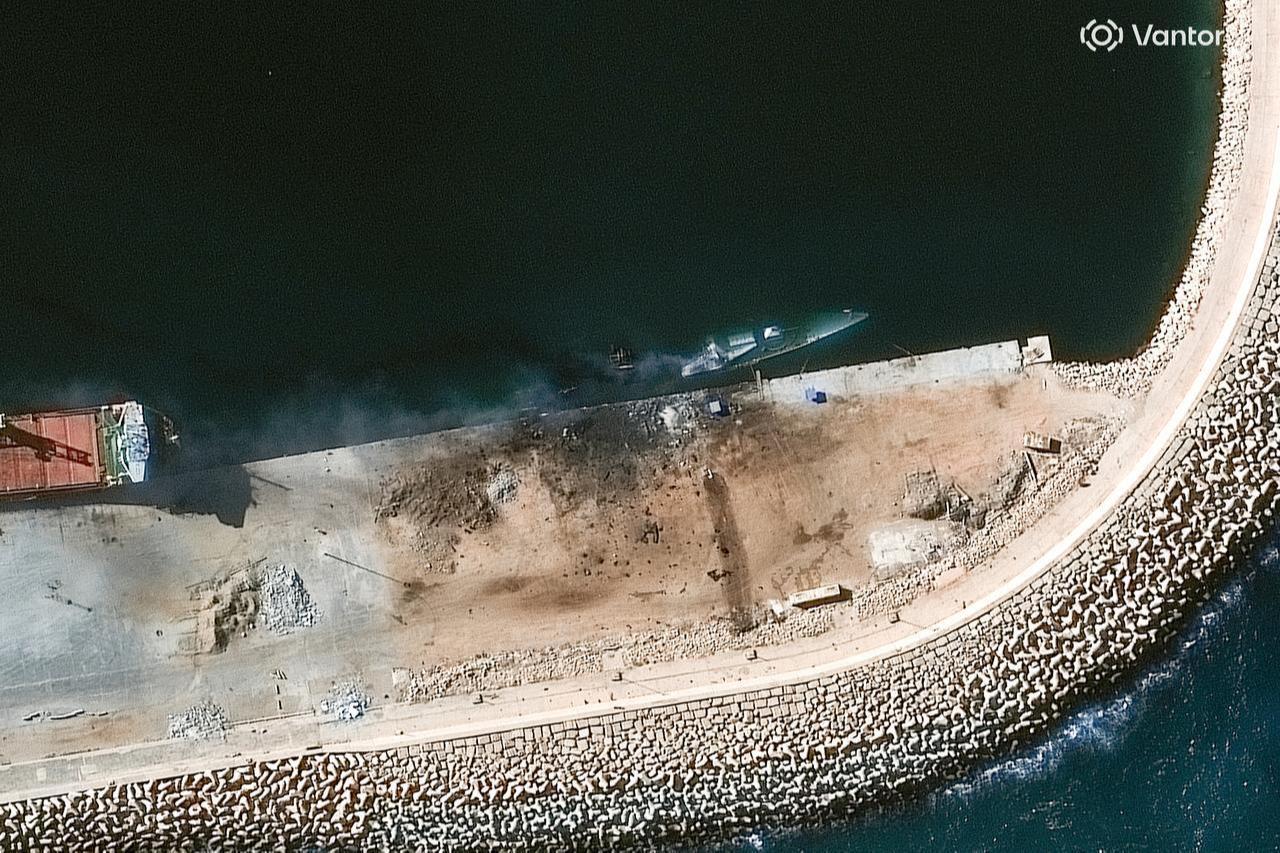

Benghazi became Russia’s “go-to” port of call in the Mediterranean and bridge to other operations in Africa after Moscow lost access to the port of Tartus following the fall of the Assad regime in Syria in 2024. Along with the nearby Hmeimim airbase, which became a joint training center under the new Syrian government, Russia used Tartus to supply its forces in Syria as well as its Africa Corps, a paramilitary outfit that backs pro-Russian governments and armed groups in such places as Burkina Faso, Central African Republic, Mali, Niger, Sudan, and, of course, Libya.
In response, Ukraine has deployed small teams of special forces operators to some of those countries to help any rebel or government fighting the Russian-backed side. In July 2024, Ukrainian military intelligence all but boasted of its role in a Tuareg separatist ambush that killed dozens of Wagner fighters near Tinzaouaten, Mali.
In the initial stages of Sudan’s current civil war that broke out in 2023, Ukraine backed the Sudanese Armed Forces against the rebel Rapid Support Forces, which Russia’s Wagner Group supported at the time. Since then, Moscow has switched sides and thrown its weight behind the SAF and its leader, Gen. Abdel Fattah al-Burhan.
Much of this puts Türkiye in an awkward position. While Ankara backs Kyiv in its defense against Moscow (remember that catchy tune celebrating Bayraktar drones?), it has not made much noise about Ukrainian strikes against Russian energy nodes—though that surely has much to do with the Ukrainians not attacking the Blue Stream and Turk Stream gas pipelines under the Black Sea that carry Russian gas into Türkiye.
But the recent attack in Benghazi could complicate things. For one, if the Ukrainian USVs passed through the Turkish Straits, even hidden aboard civilian cargo ships, that would arguably violate the spirit, if not the letter, of the Montreux Convention of 1936.
If Ukraine took a more circuitous route, moving the USVs in dismantled form through land routes in Europe and Ukrainian personnel put the drones together somewhere on the Mediterranean coast to launch them against the Merkury and MV Angara, that would be a different matter.
Montreux matters because Ankara invoked the treaty to close the Straits to the warring parties’ warships in the opening days of Moscow’s war on Kyiv in 2022. In conversations with this author at the time, defense and diplomatic officials had called Türkiye’s move “the equivalent of a nuclear strike,” helping to tilt the naval balance in Ukraine’s favor.
Even the appearance that Kyiv got around Montreux would leave Ankara open to Russian charges of double standards and invite Moscow to test the treaty itself.
Ankara is not alone. Other governments that have stood by Ukraine have voiced unease, too.
Estonia, one of Kyiv’s staunchest backers, was careful not to scold. Foreign Minister Margus Tsahkna said that “Ukraine has the right to defend itself.” Yet Prime Minister Kristen Michal pointedly noted that Estonia “has not given permission for its airspace or maritime areas to be used for attacks against Russia,” and warned that a spill from a stricken ship would be “a major risk to the condition of the Baltic Sea.”
Italy was blunter. Foreign Minister Antonio Tajani called it “a mistake to violate the sovereignty of Libya” and called for the war “not to be exported to the Mediterranean Sea.” Defense Minister Guido Crosetto reportedly summoned Ukraine’s military attaché. Rome has reason to worry: Libya remains the main launching point for irregular migrants bound for Italian shores, supplies nearly a quarter of Italy’s crude imports, and hosts some 200 Italian troops.
Still, Tajani insisted, “Italy will remain alongside Ukraine, ours is a strategic choice.”
Translation: Rome agrees with Ankara. Fight Russia all you want, but not in our backyard.
The USV attacks in Benghazi might offend Turkish sensibilities for another reason.
Together with the United States, Türkiye is busy with the reunification of the former warring factions in Libya—the internationally recognized government in Tripoli and the forces of Field Marshal Khalifa Haftar and his son, Saddam, operating out of Benghazi.
In October, Libya's House of Representatives, based in Tobruk and mostly under the control of Haftar forces, approved the maritime delimitation agreement that Türkiye had signed with Tripoli in November 2019 that established Turkish and Libyan exclusive economic zones in the eastern Mediterranean.
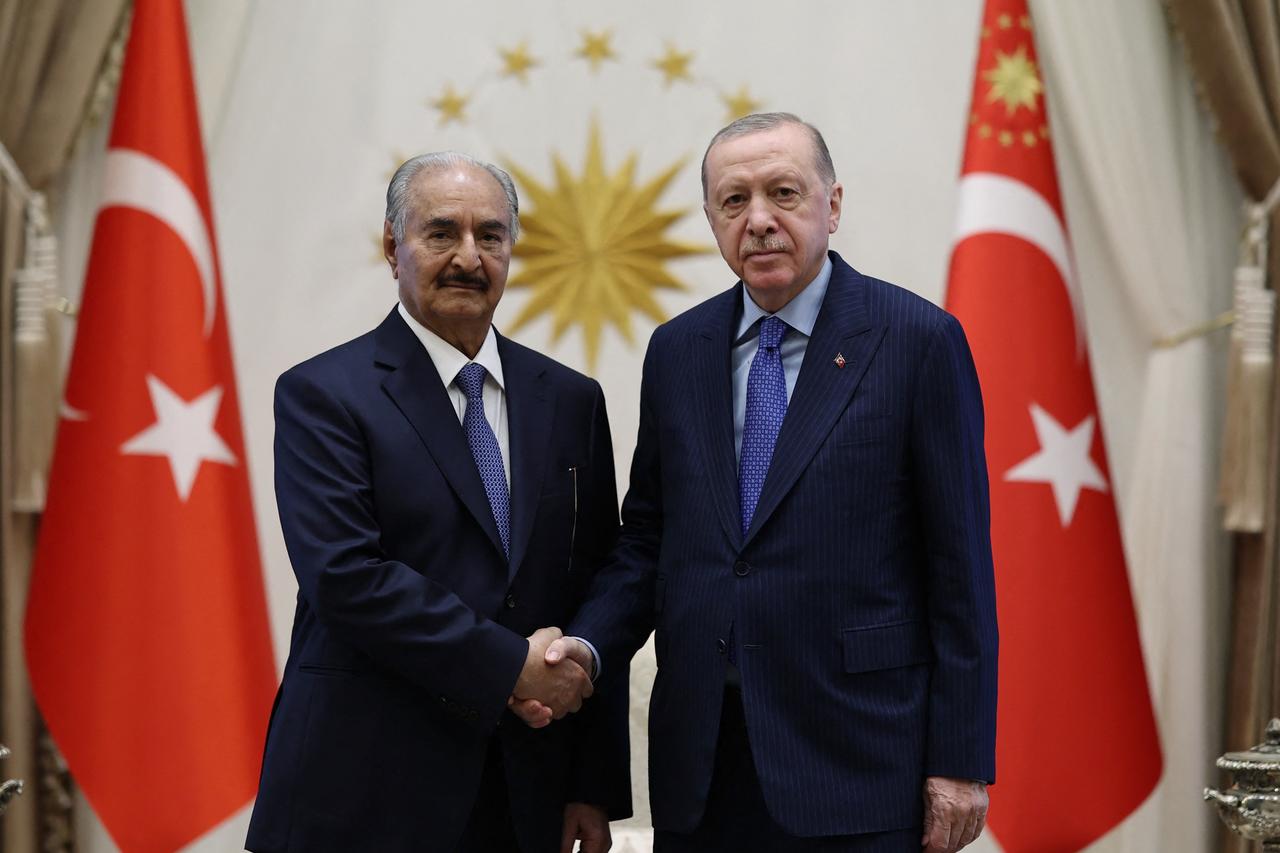
Despite noise from EU officials declaring the Turkish-Libyan agreement “null and void,” Türkiye has the initiative. The Haftars were in Ankara this week, visiting with President Recep Tayyip Erdogan and Turkish officials to discuss the next steps in reunifying their divided country and further improving Türkiye-Libya ties. Prime Minister Abdul Hamid Dbeibah is expected to visit soon.
Ukrainian operations in Libya could destabilize the country, throw a big wrench into Ankara’s plans, expose Türkiye to criticism from both Tripoli and Benghazi-Tobruk, and harm Turkish-Ukrainian ties.
Take it from the Libyan side: The government in Tripoli “categorically condemn(ed) foreign military operations on its territory” and demanded “official clarifications” from Kyiv. While Prime Minister Dbeibah warned of a “dangerous gamble,” the eastern administration called for a UN probe into reports of Ukrainian forces around Misrata and Zawiya, in the Tripoli-controlled west. Musa al-Koni, vice president of Tripoli’s Presidential Council, went further, calling the attack “a declaration of war against Libya.”
Yet the distaste over these attacks could yield something useful.
Many agree with the premise that Russia’s 2022 “special military operation” was a war of choice for Moscow and a war for survival for Kyiv. But if Ukraine keeps carrying the war to faraway seas, it risks souring friendly capitals on Kyiv’s just cause, and that frustration could push them to press harder for an end to the fighting.
That is where the wider circle of stakeholders comes in.
Rome, Tallinn, Ankara and other capitals uneasy about a war that now stretches from the Gulf of Finland to the shores of Benghazi have every reason to press Washington, Brussels and Moscow toward smarter ideas for ending it.
One sequence might look like this: a ceasefire along the current line of contact, monitored by international peacekeepers; limited, reversible sanctions relief for Moscow; and then negotiations on a settlement that respects Ukraine’s sovereignty and territorial integrity. Western governments could anchor the process with resolutions tying any further relief to future Russian withdrawals from Ukrainian territory, Crimea included.
None of this rewards Moscow for its aggression. It recognizes that the longer the war drags on, the farther it travels, and the more neighborhoods, Türkiye’s included, it pulls in.
Ankara says it wants to keep the war from spreading. Whether it's said in diplomatic Turkish or by a bartender with a towel over his shoulder, that means one thing: end it.


 Set as preferred source
 Set as preferred source


 2 min read
 1 min read