Newsletters


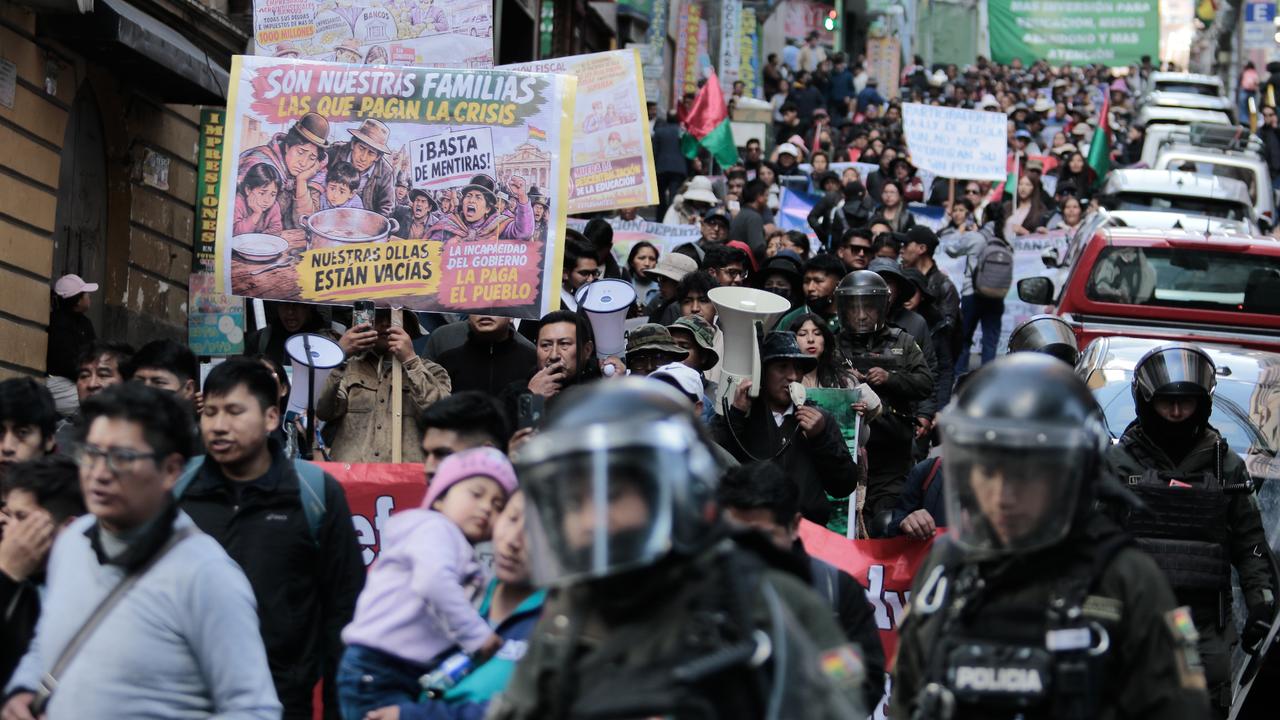
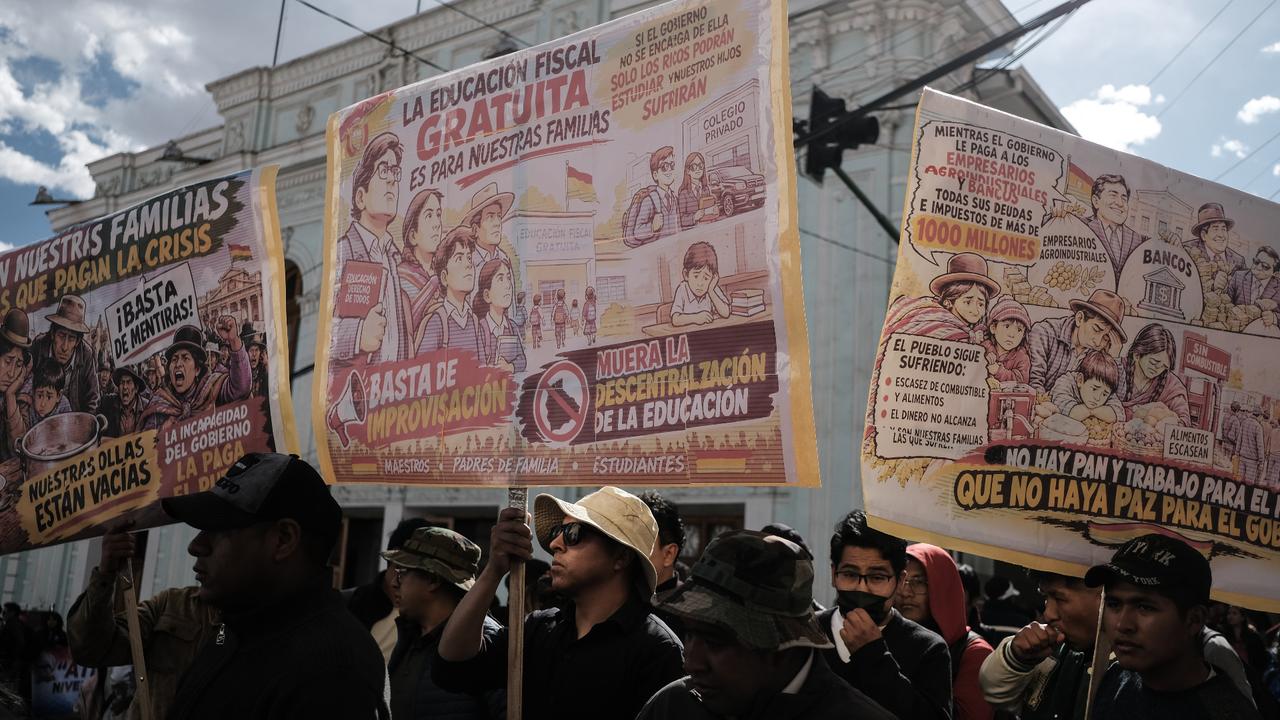
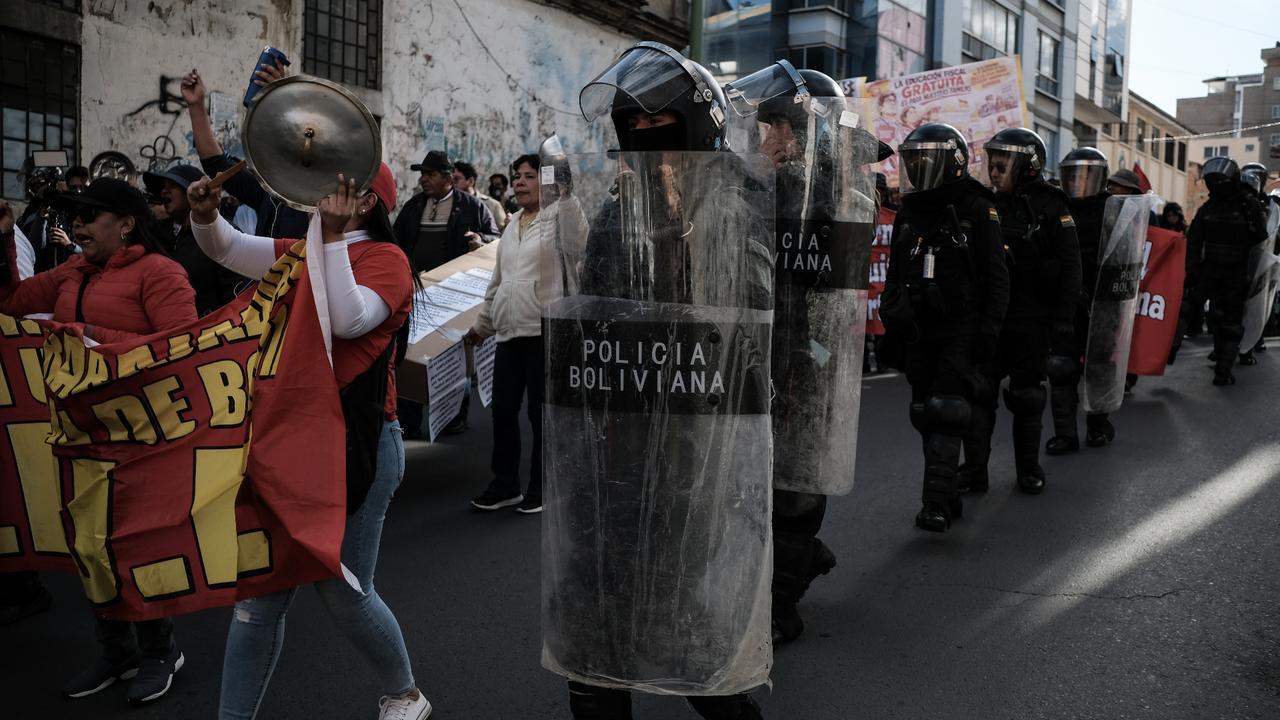
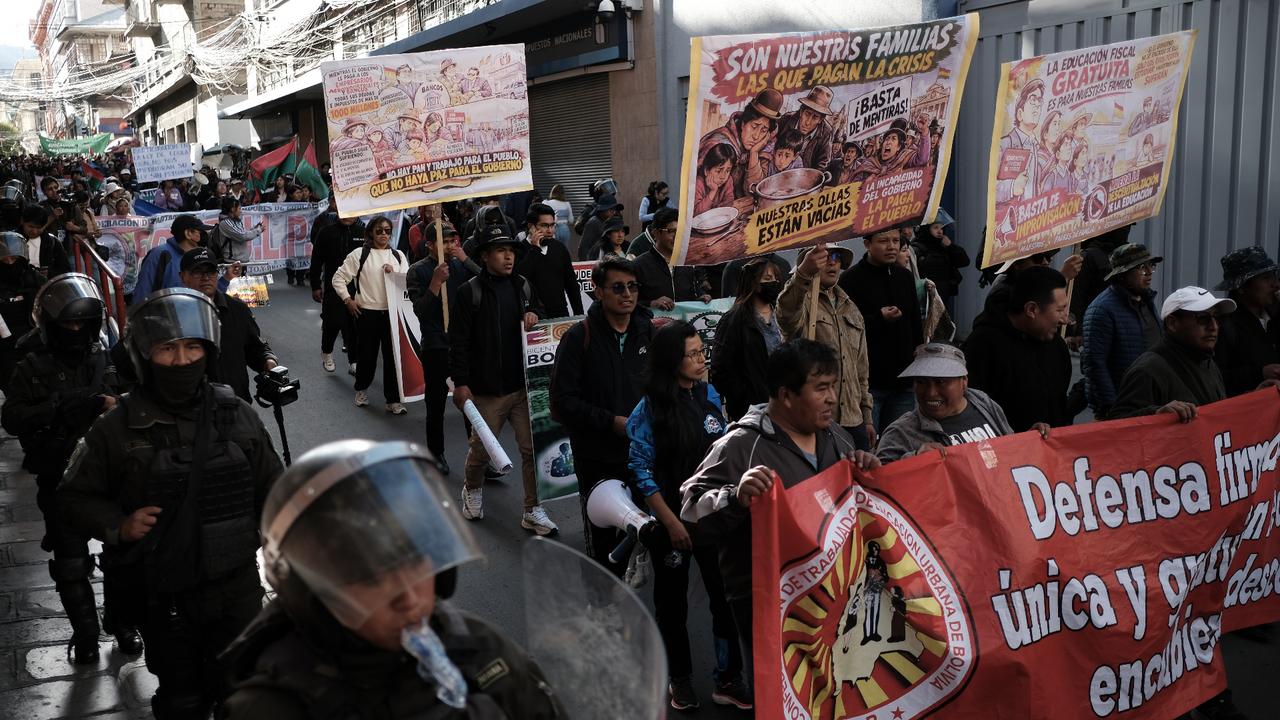
Hundreds of teachers took to the streets on Tuesday in several Bolivian cities, protesting against the expansion of the state of emergency decreed by the government of Rodrigo Paz and rejecting the agreement reached with the International Monetary Fund (IMF), which is pending review in Parliament.
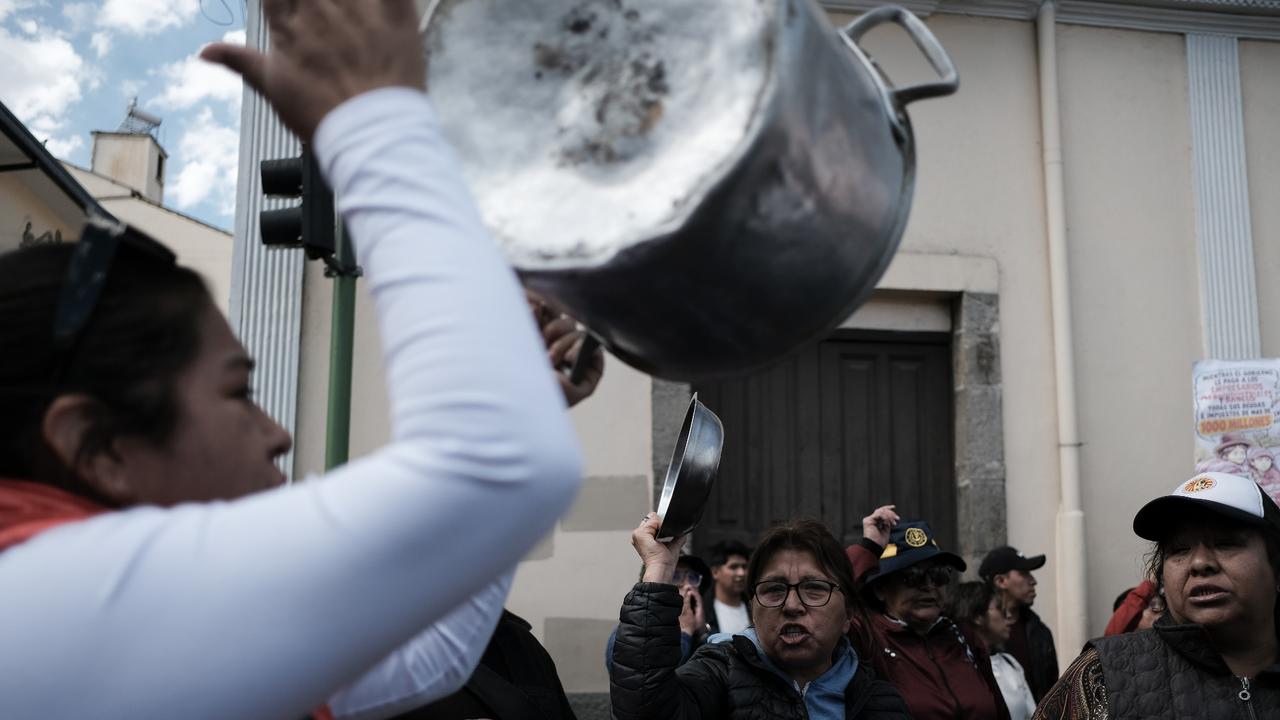
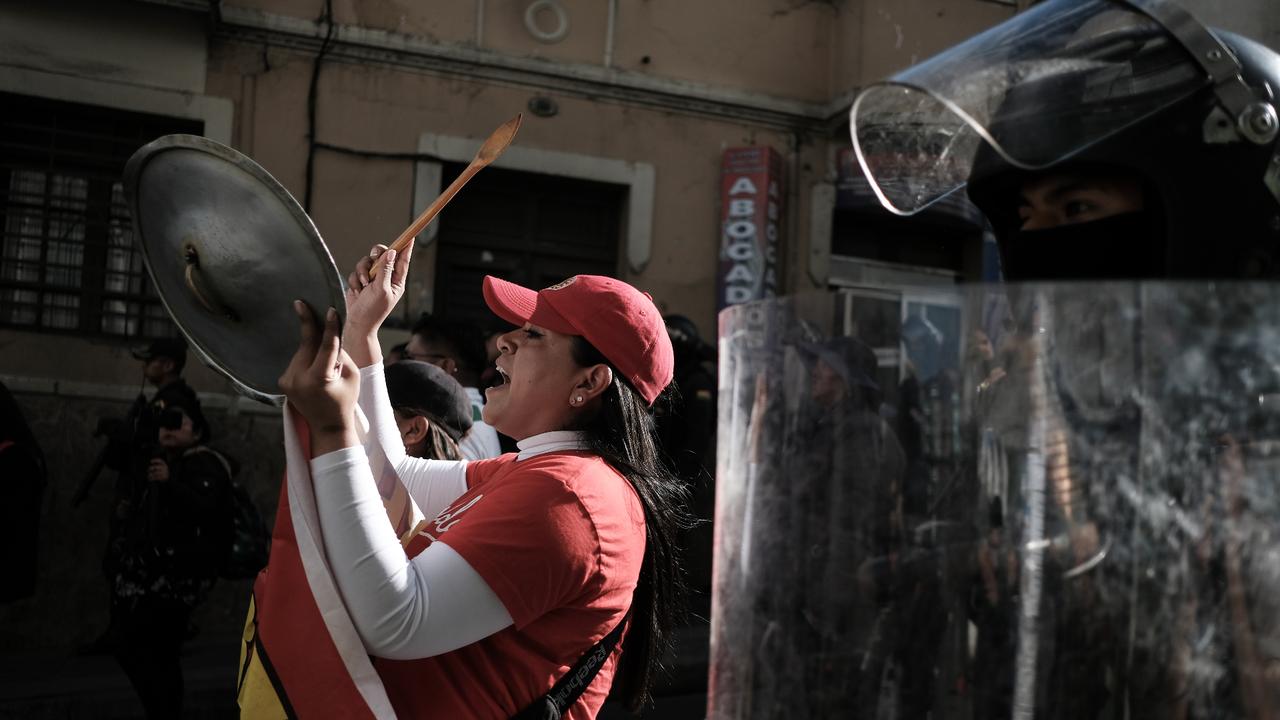
Education union leaders called for an "empty pots" mobilization in cities across the Andean country, aiming to protest the government's economic reforms and the erosion of the population's purchasing power.
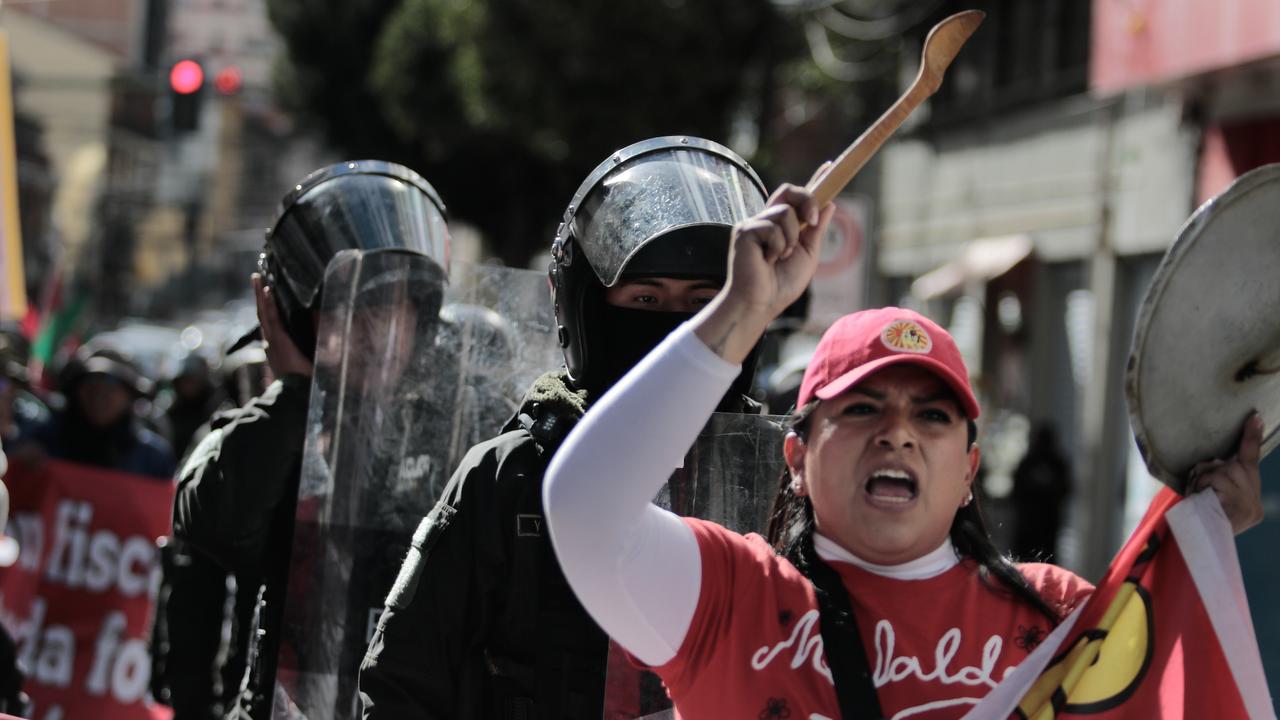
In La Paz, protesters gathered at the Social House of the Master, a couple of streets from Murillo Square, where the headquarters of the country's Executive and Legislature are located, buildings guarded by police under the ongoing state of emergency, in force since June 20.
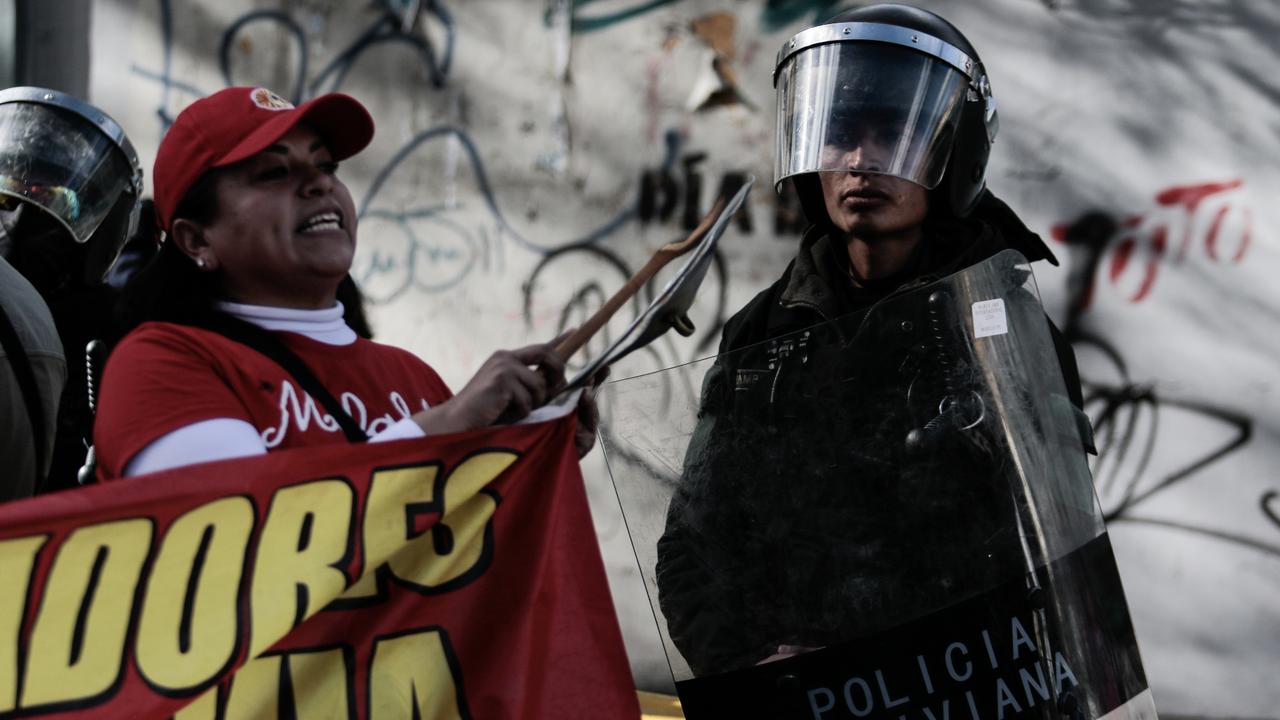
Anahi Bozo, executive secretary of La Paz's urban teachers, told Spanish agency EFE that the Paz government's economic measures “have affected” families, such as the flexible exchange rate and the progressive announcement of the fuel subsidy.
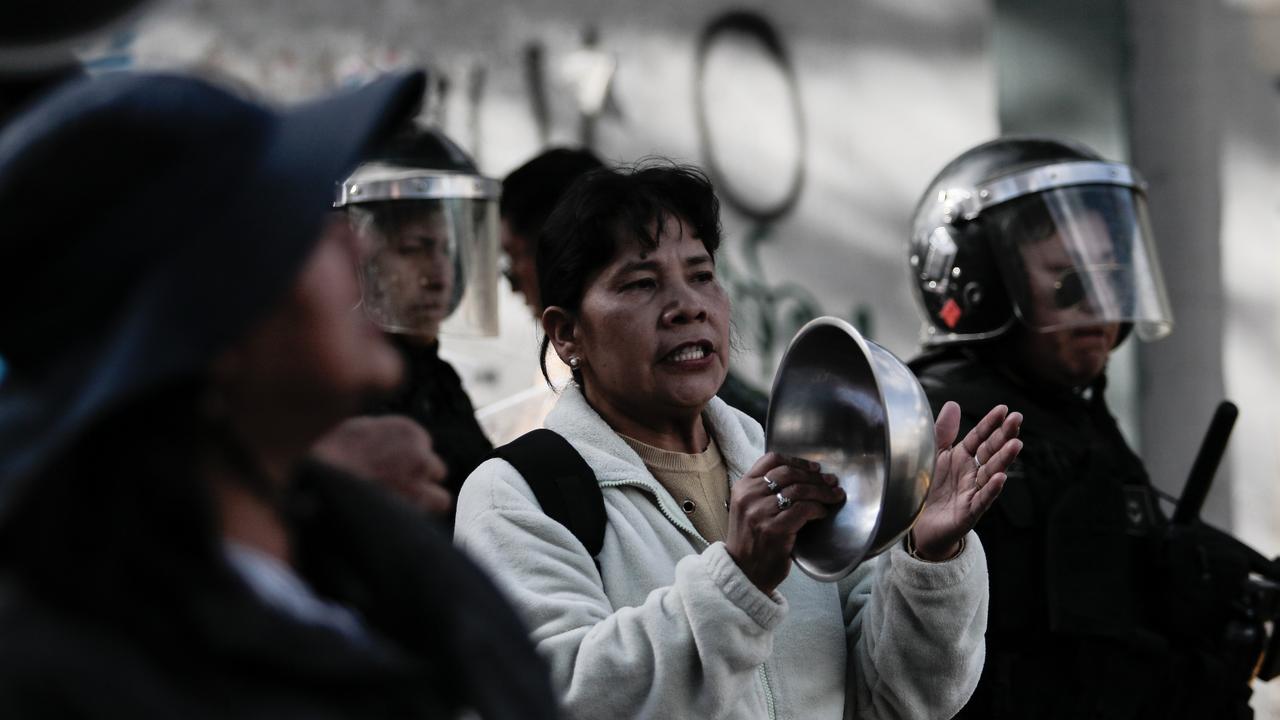
She also criticized the $1.9 billion deal with the IMF, saying it comes with “impositions” that seek to “privatize the national economy to the detriment of Bolivian families.”
Under the IMF agreement, for instance, the Bolivian government has committed to phasing out the fuel subsidy starting in 2027, a process that began with the Aug. 17 decree that lifted the diesel subsidy for large producers.
For 7 weeks, between May and June, the Federation of Peasants of La Paz and the Bolivian Workers’ Central (COB) led roadblocks, especially in western and central Bolivia, with the support of groups related to former president Evo Morales (2006-2019), demanding Paz's resignation.
The conflict in Bolivia caused shortages of food, fuel, and medical oxygen in some cities and left at least 16 dead. Economic losses were estimated at more than $3 billion. After reaching agreements with groups such as the COB, Paz declared a state of emergency on June 20 to lift the blockades, a measure valid for 90 days.
On Monday, the government extended the state of emergency ahead of planned mobilizations announced by some social organizations.


 Set as preferred source

 1 min read