Newsletters


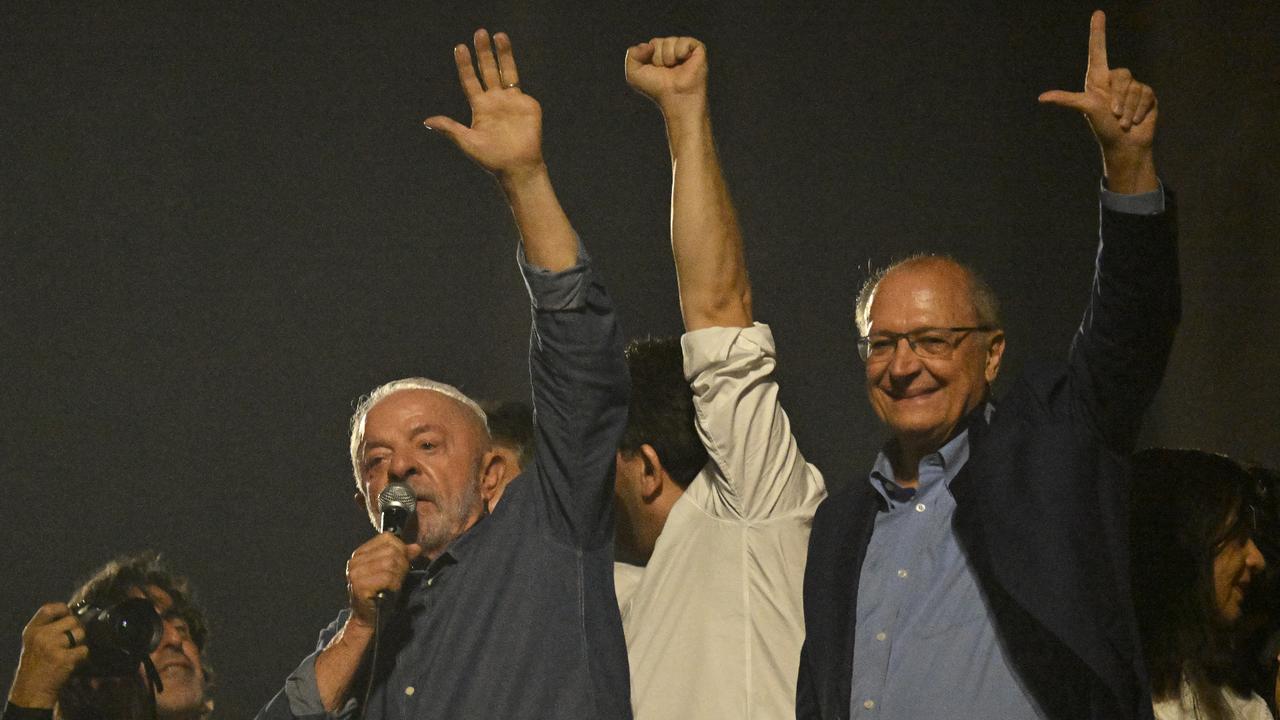
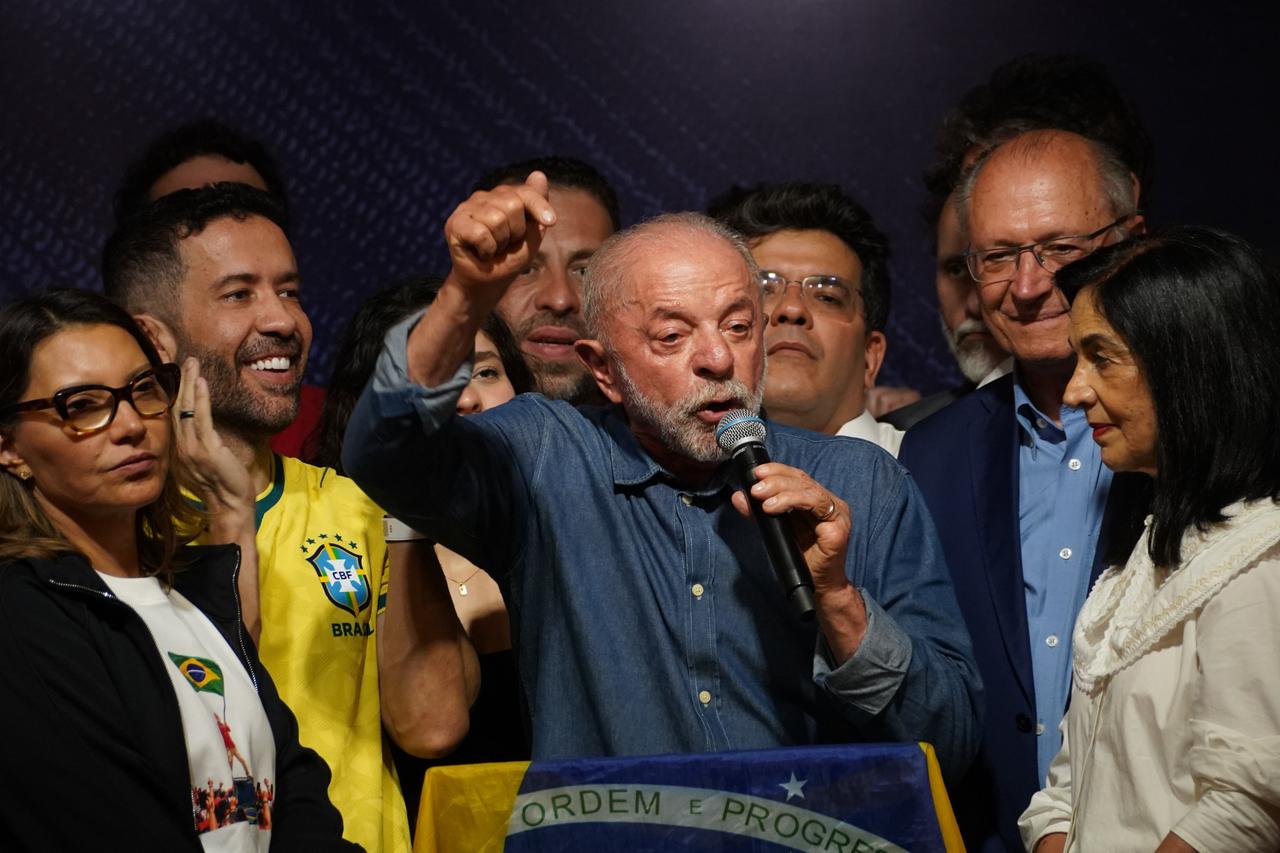
Brazil’s leftist President Luiz Inacio Lula da Silva won re-election Sunday in a dramatic comeback, while challenger Flavio Bolsonaro rejected the result and vowed to seek an annulment.
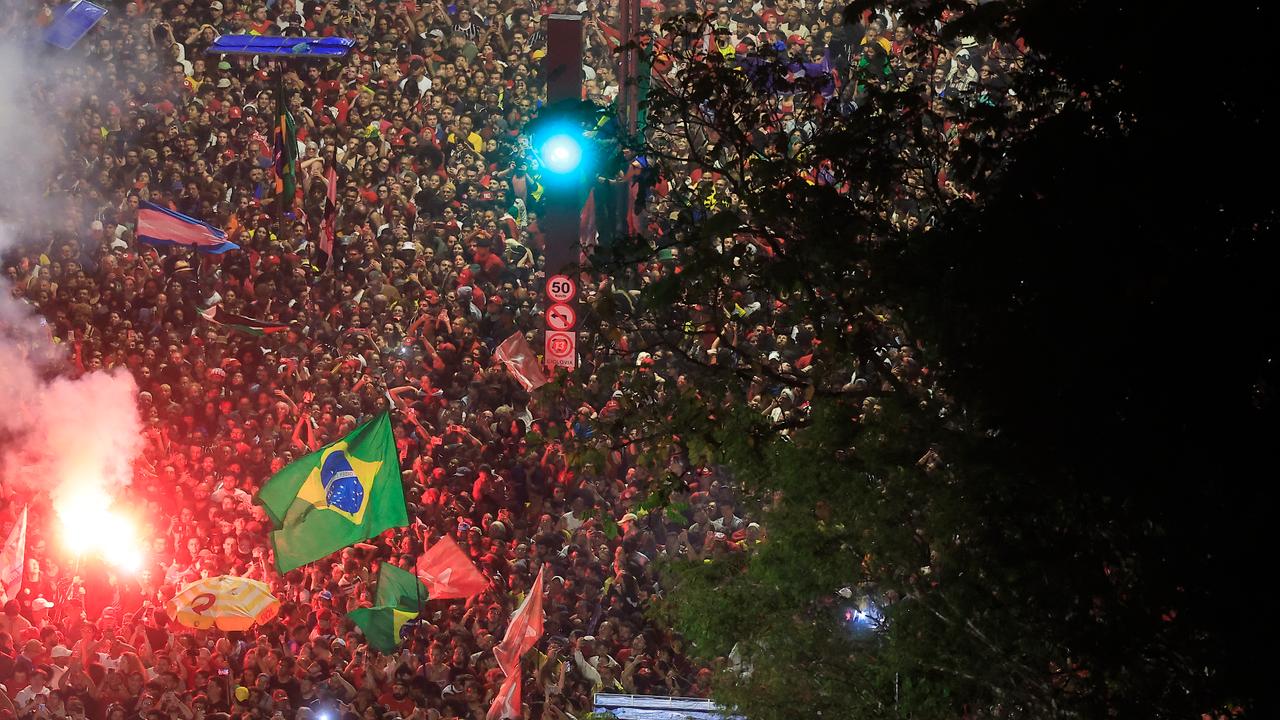
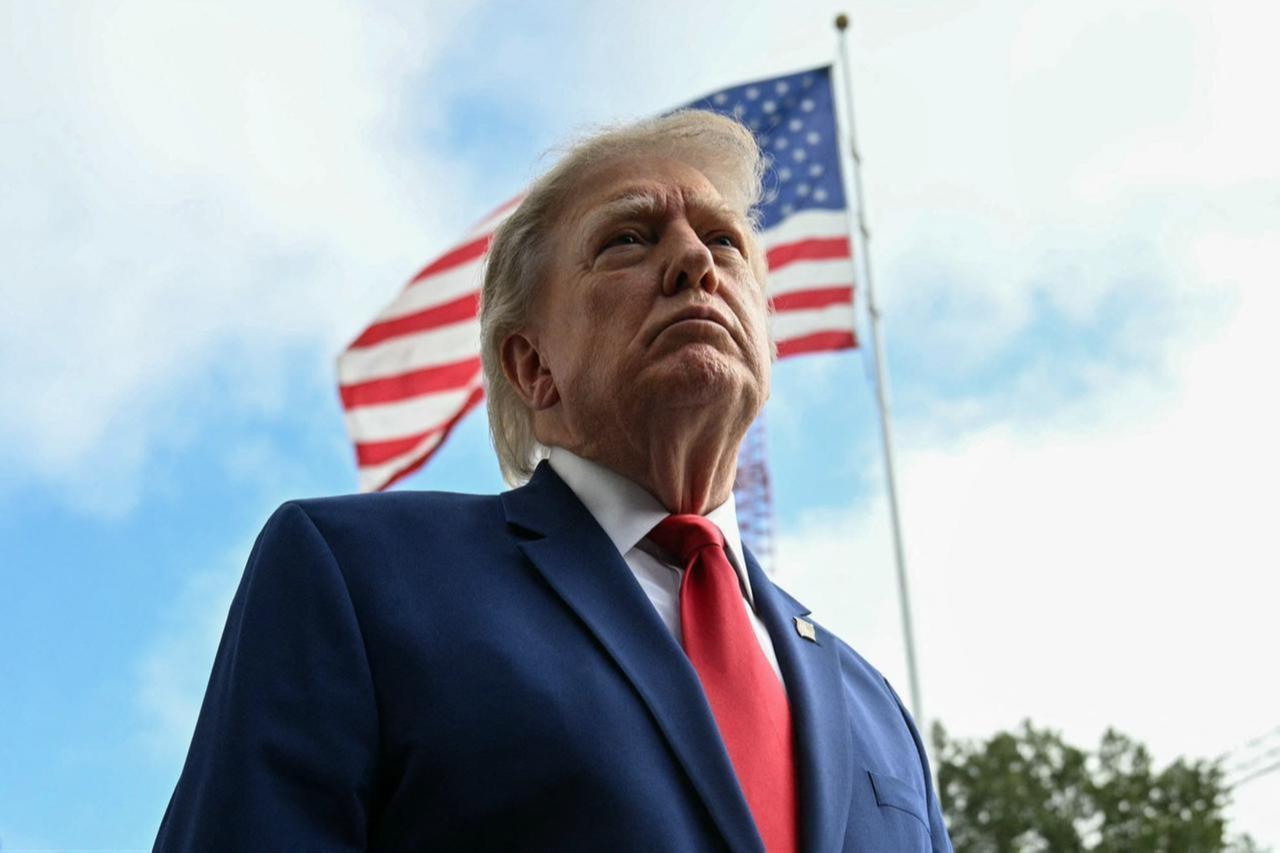
Lula’s victory halted a conservative wave that has pushed Argentina, Chile, Colombia and Peru rightward, with support from U.S. President Donald Trump. Turning 81 on Tuesday, the leftist icon beat forecasts and secured an unprecedented fourth term.
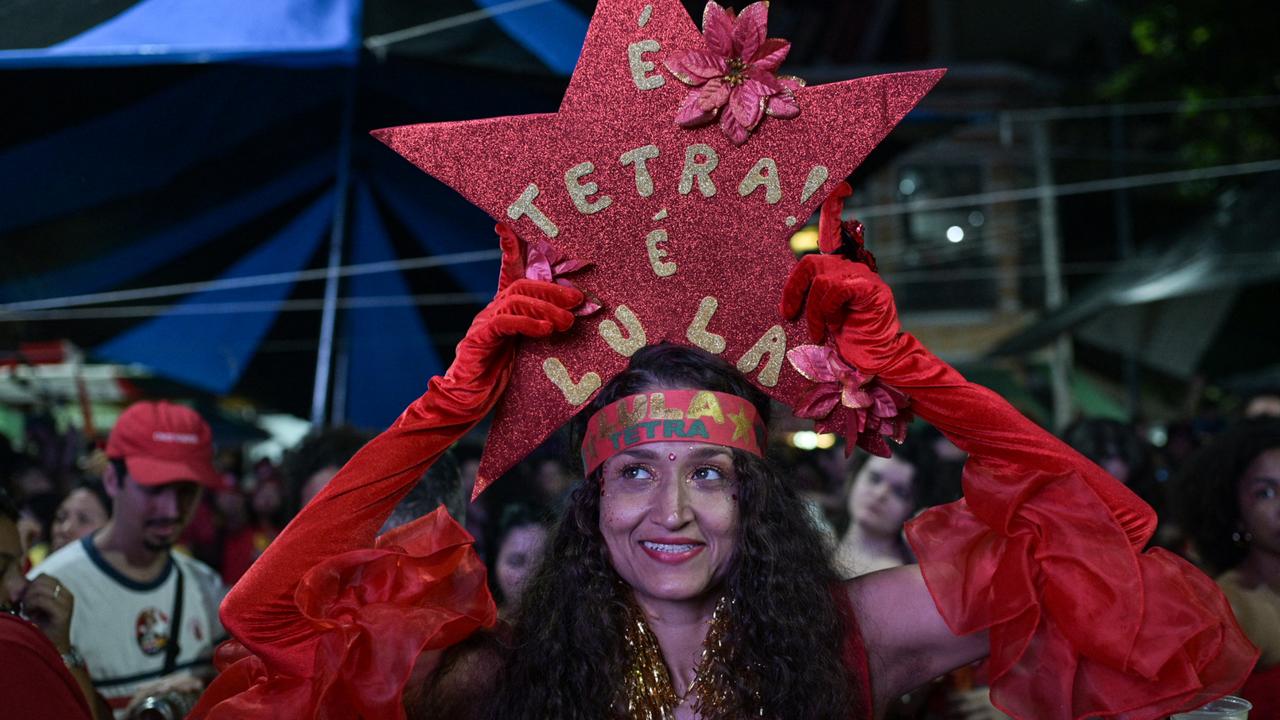
Official results gave Lula 51.8% of the vote to 48.2% for Flavio Bolsonaro, a margin of about 4.4 million ballots. The senator is the son of right-wing former President Jair Bolsonaro, who is serving a 27-year sentence for plotting a coup after losing the 2022 election.
Confusion marked the election day as the Supreme Court extended voting by two hours after some polling stations closed. Lula requested the move, complaining that buses had been pulled from circulation in several cities, blocking people from voting.
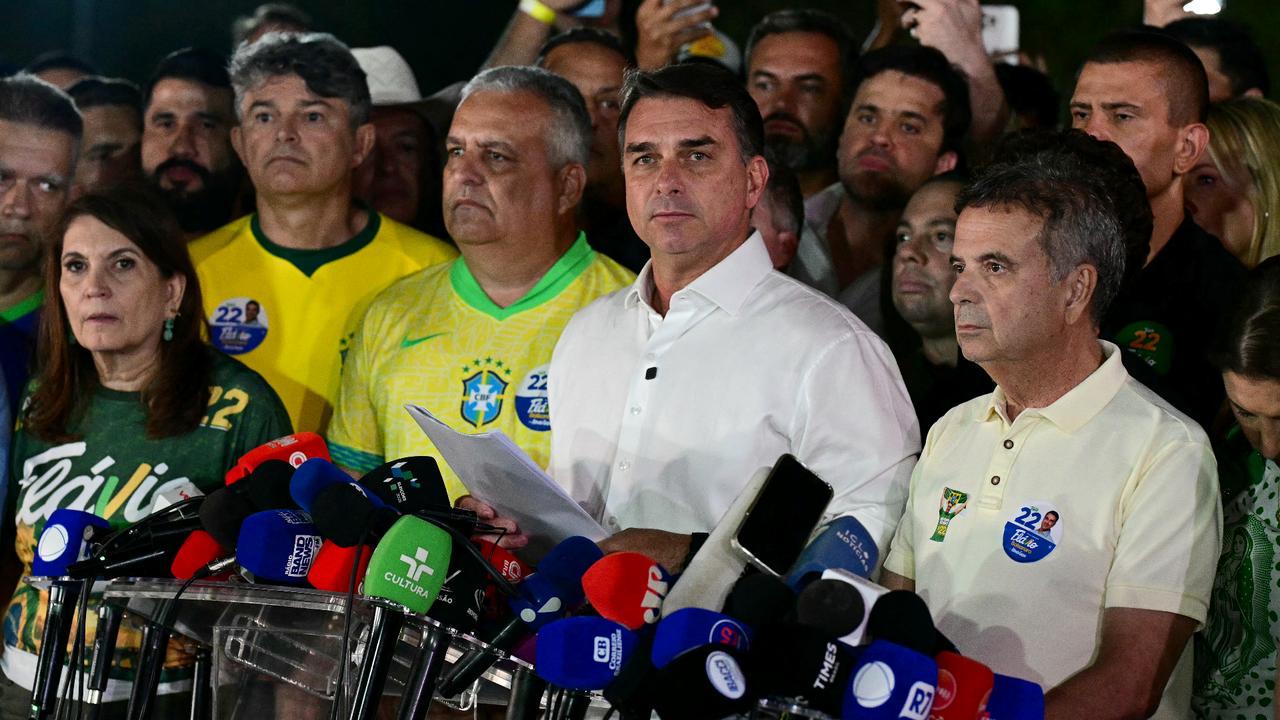
Flavio Bolsonaro, who had asked for extra time in some regions because of heavy rain, called the ruling unacceptable and a dirty trick. “It is impossible to recognize the results. I am going to request the annulment of these elections,” he said in a brief speech in Brasilia.
Brazil’s first direct vote since the military dictatorship ended came in 1989, and no candidate who lost the opening round has won the runoff since.
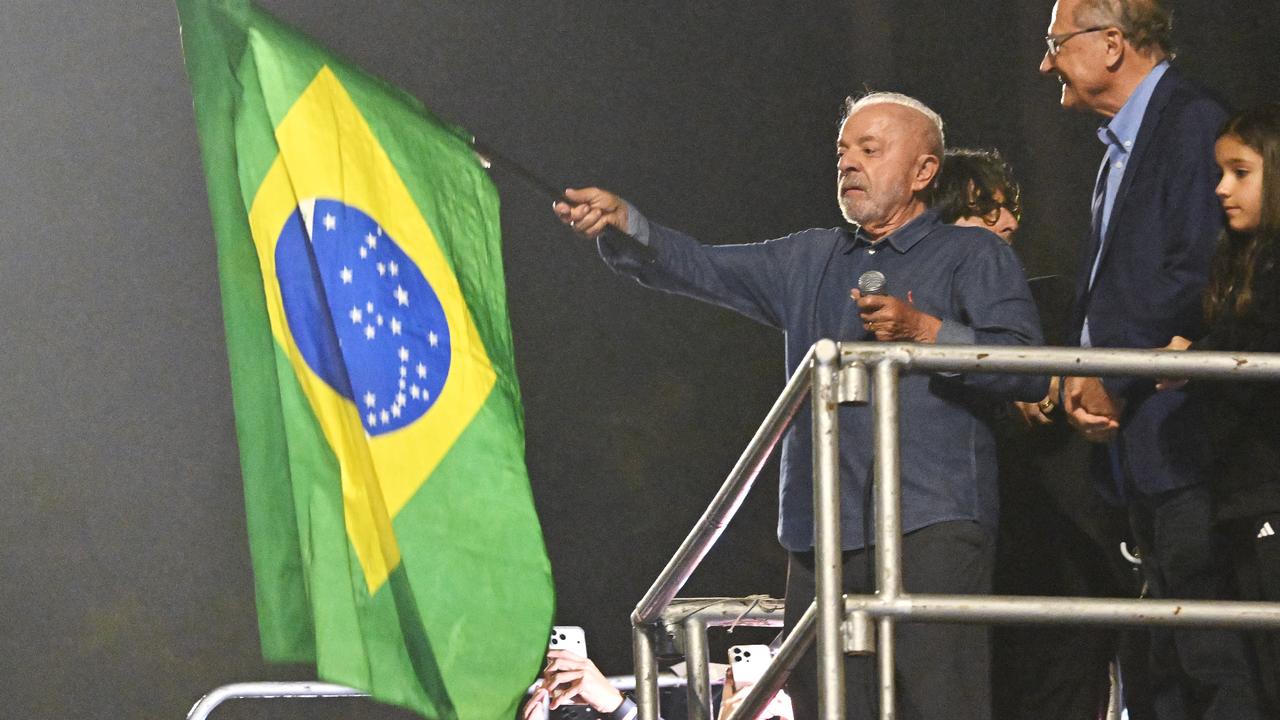
“People went to vote because we managed to convince them that voting was very important for ensuring democracy in the country,” Lula said in his first remarks after winning. Abstention fell to 19% from 21% in the first round.
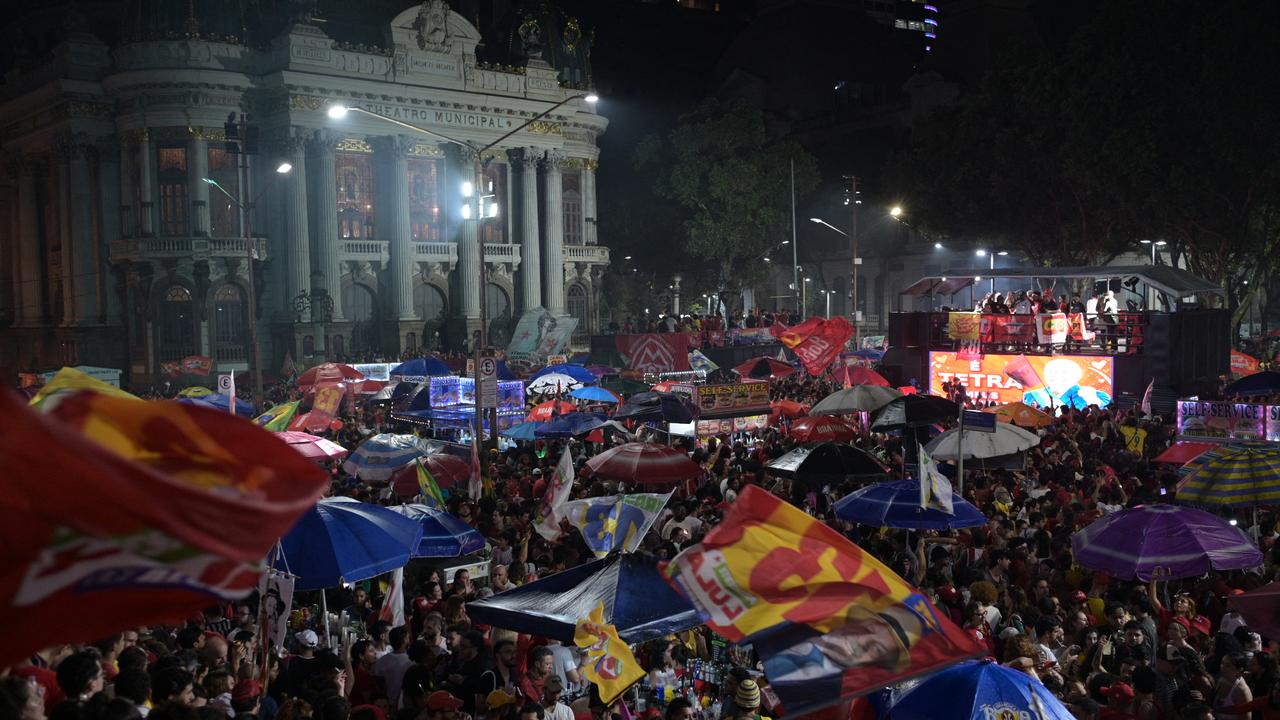
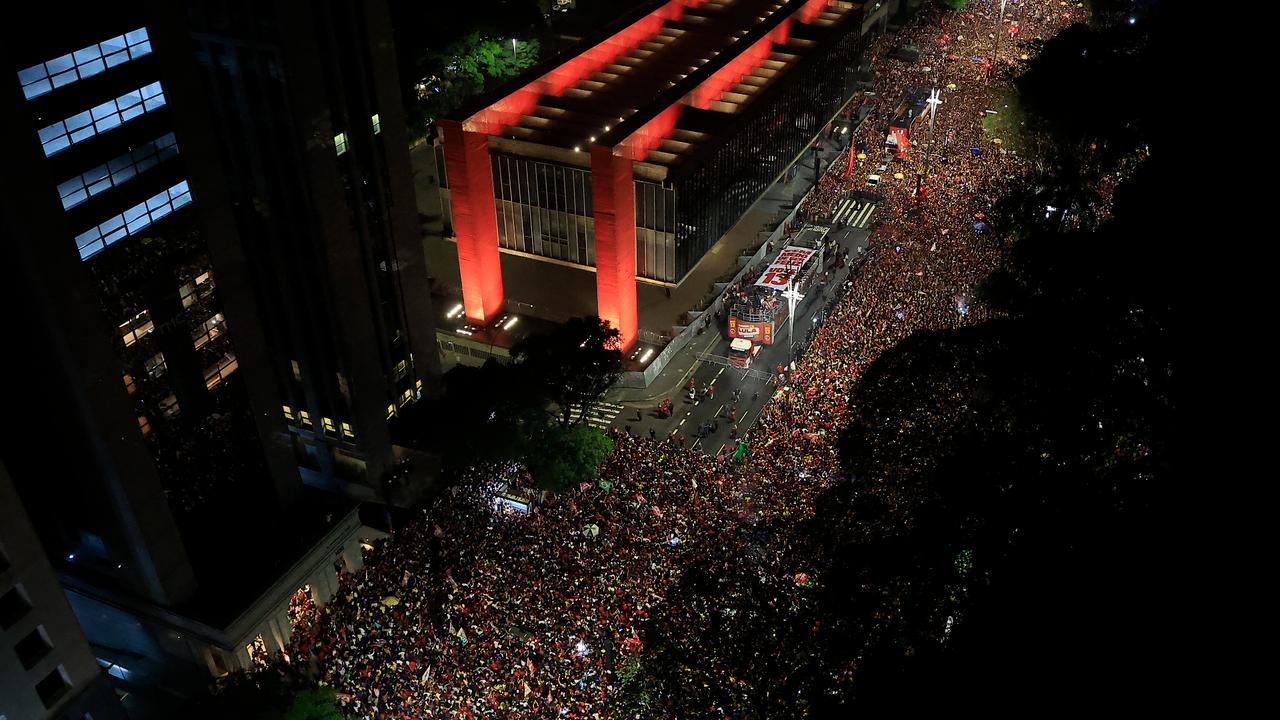
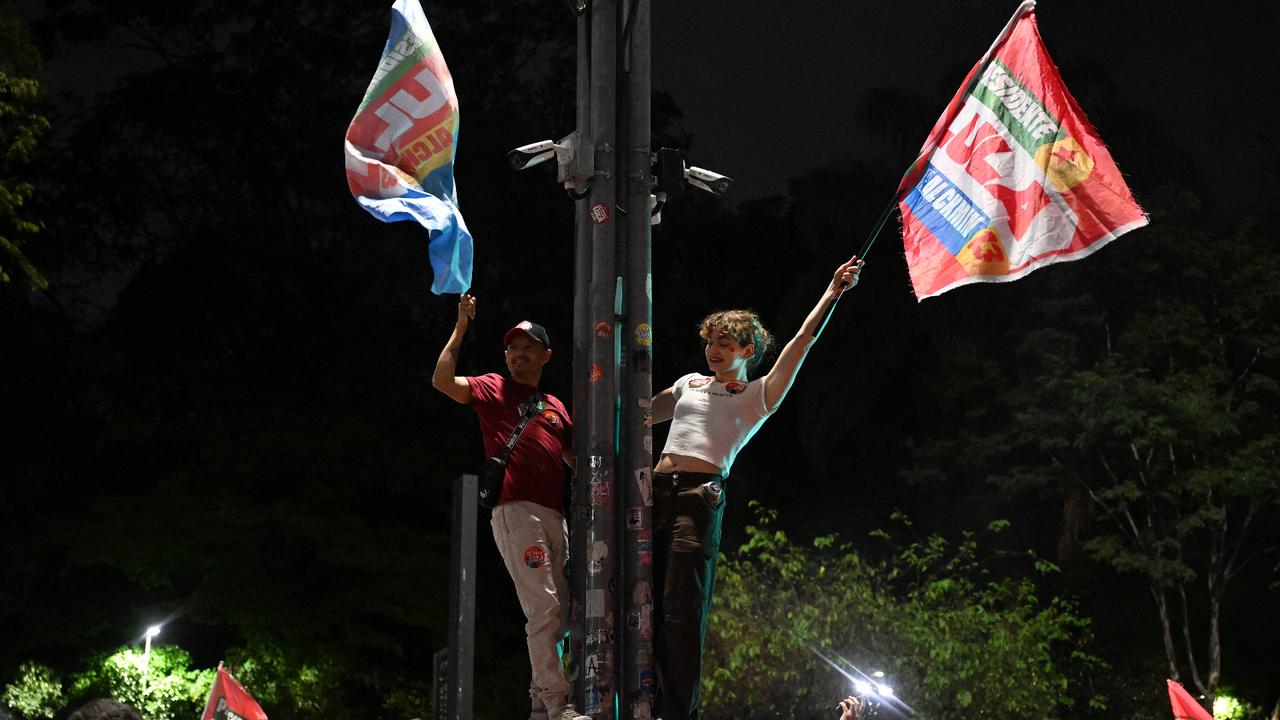
Celebrations erupted with fireworks and vuvuzelas in Rio de Janeiro, as thousands in red, the color of Lula’s Workers’ Party, poured into Sao Paulo’s streets. The left responded to its first-round setback with huge rallies under the slogan “Never Again Bolsonaro” and an overhauled social media strategy.
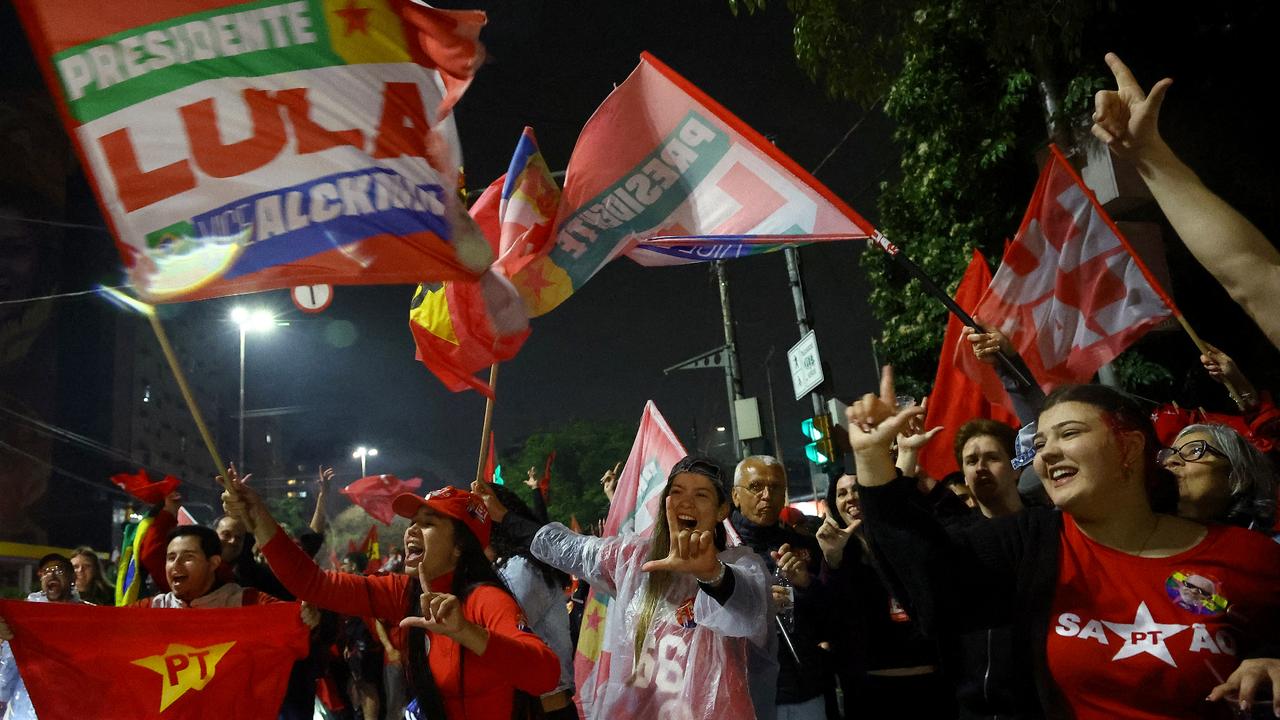
Julio Canelo, 42, a lawyer celebrating in Rio de Janeiro, hailed a victory for "the entire democratic spectrum." “It was the result of the people mobilizing in the streets and online,” he told Agence France-Presse (AFP).


 Set as preferred source


 3 min read