Newsletters


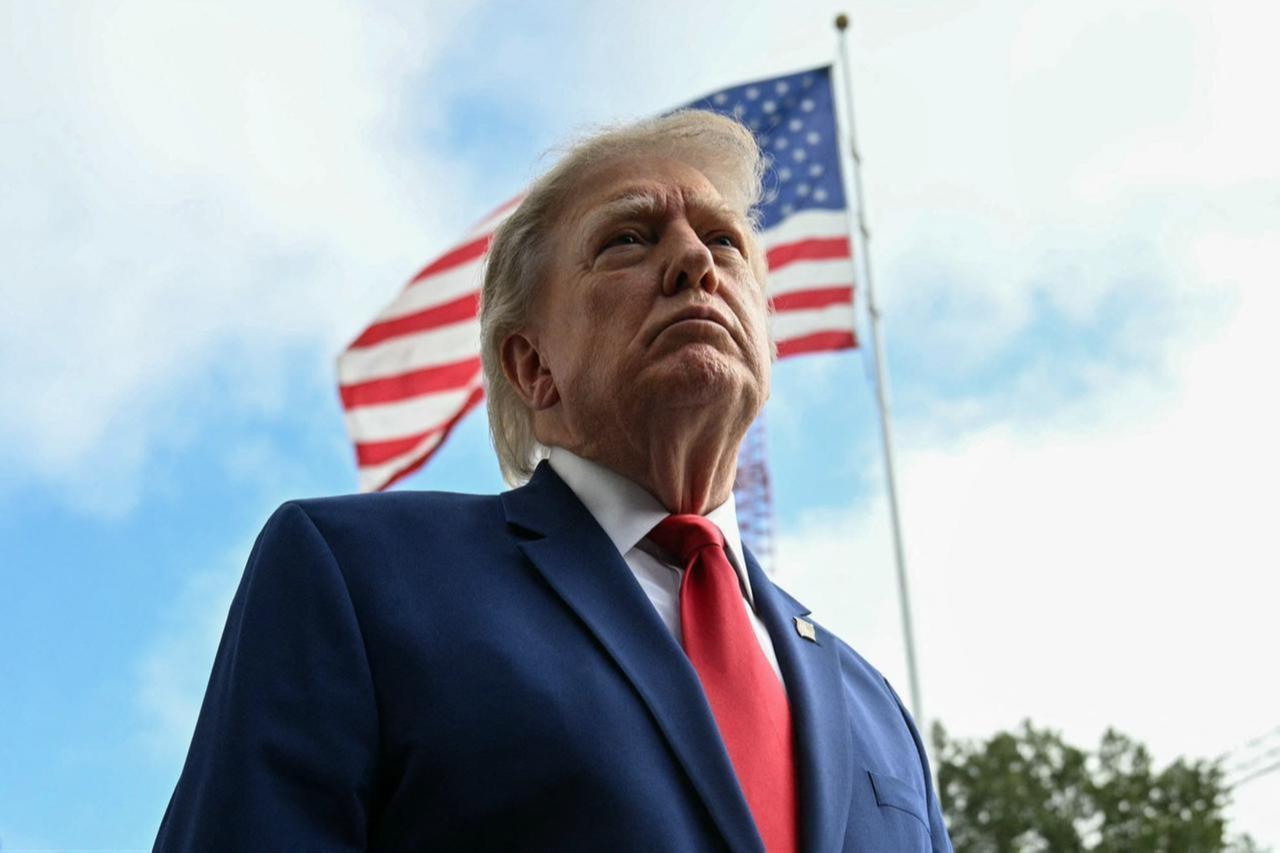


Trump said Sunday it was “decision time” on Iran, telling Fox News he must choose between striking a deal with Tehran and resuming attacks, as Iran dismissed the prospect of negotiations and U.S. intelligence reported a surge in Iranian efforts to target American officials.
“I have a decision to make: Do I finish it off, which would be very easy to do, or do I make a deal? That’s all,” Trump said on Sunday Morning Futures. “We don’t play games.”
Iran, for its part, said talks with Washington would be pointless until its demands are met, while oil prices stayed elevated with the Strait of Hormuz still closed.
Trump said the United States now controls the Strait of Hormuz, the narrow waterway between Iran and Oman through which a large share of the world’s seaborne oil normally passes. “They get nothing. We get everything,” he said of Iran.
He described rising gasoline prices as a “small price to pay” for preventing Iran from obtaining a nuclear weapon.
He said he had expected prices to double or triple and would act the same way again. Trump also said every Iranian nuclear site is under watch and that the United States would know “exactly what to do” if there were any movement at one.
Speaking to reporters on Saturday, Trump said Tehran wants an agreement to reopen the strait but questioned whether it would honor one.
Asked whether he would attack Iran again, he replied, “Do you really think I would tell you that? Maybe tomorrow.” He added that a “nice, big, beautiful agreement” was also possible.
Trump has hinted he could resume strikes after the November 3 midterm elections, the vote held midway through a president’s term to decide seats in Congress. He has also sent additional military assets toward the Persian Gulf, including a third aircraft carrier group.
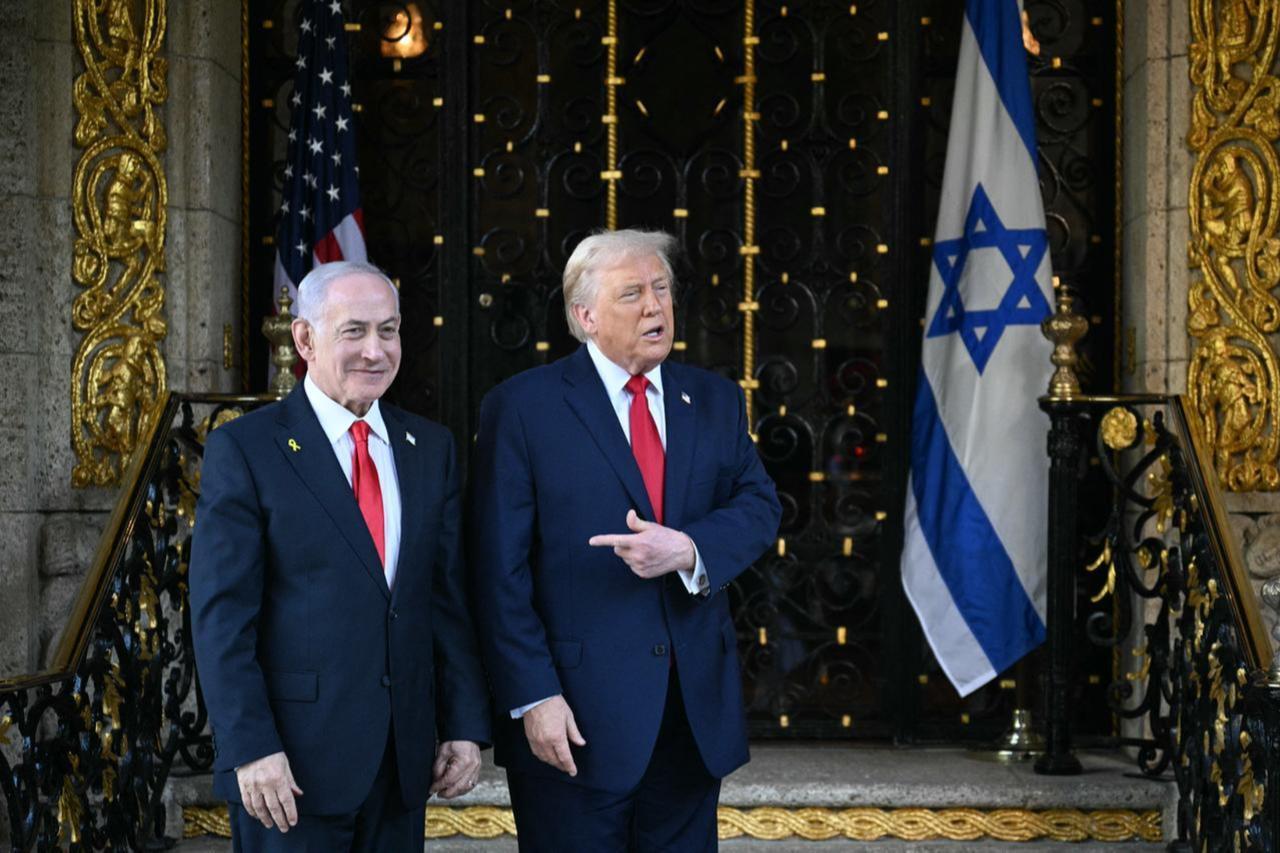
Israeli Prime Minister Benjamin Netanyahu told Washington earlier this week that he intends to strike Iran after Israel’s October 27 elections, according to the report.
Trump praised the U.S. military, claiming it has knocked out every Iranian fighter jet and sunk 259 ships, leaving Iran with only “record inflation.” The figures are his own and were not independently verified in the reporting.
Iran denied reports that it had offered to reopen the strait in exchange for Washington lifting its naval blockade. The Tasnim news agency said Tehran made no such proposal through Pakistani mediators. Press TV, citing sources quoted by Tasnim, called the claims, which were published by a Saudi Arabian media outlet, “a lie and fabrication.”
Qatari mediators arrived in Tehran on Sunday. Abbas Gouzardi, spokesman for the speaker of Iran’s parliament, told the state-linked ISNA news agency that Iran has announced seven conditions and that “until these conditions are met negotiations will be meaningless.” He characterized Trump’s warnings of further attacks as “boasting with the aim of threatening.”
U.S. intelligence agencies have reportedly concluded that Iran has “substantially increased” efforts to target American diplomats and government officials in the Middle East and elsewhere. A memo dated October 23, obtained by the news outlet Axios, said some suspected plots that could cause deaths had reached “advanced stages.”
The State Department has decided to reduce staffing at several U.S. embassies in the Middle East. Officials fear further escalation could trigger a broader confrontation and raise the risks to American personnel and missions across the region.
With the Strait of Hormuz still closed, oil prices edged lower on Monday as both sides repeated familiar positions, while a technical indicator pointed to overbought conditions. According to Bloomberg, Brent crude fell below $116 a barrel after reaching a six-month high last week, and West Texas Intermediate traded near $102.


 Set as preferred source
 Set as preferred source


 1 min read
 1 min read