Newsletters


The Pentagon is preparing U.S. military bases to operate for at least 90 days without outside support under its FORTRESS initiative, bracing for a major war that could cripple power grids and supply chains on American soil, Fox News reported on Sunday.
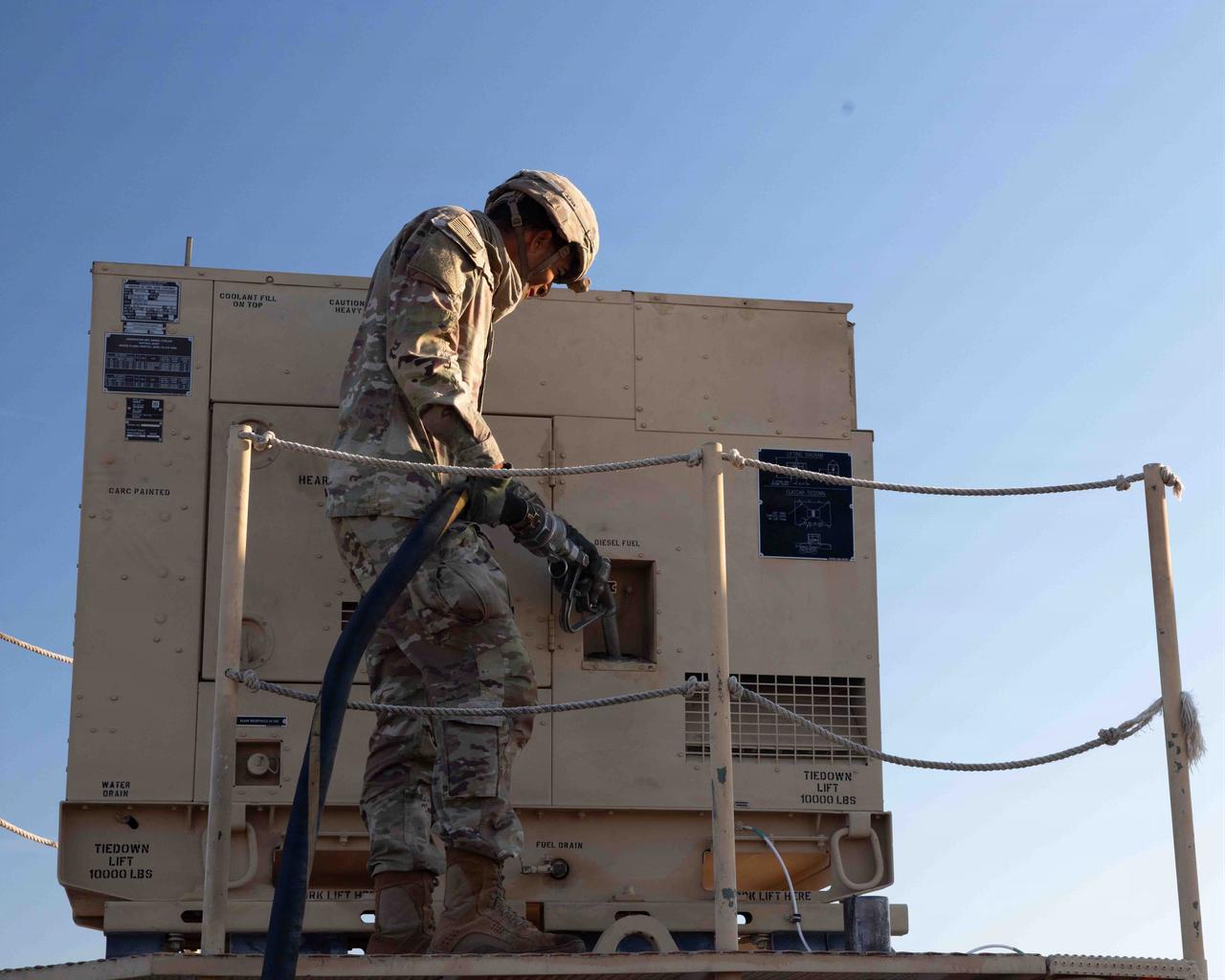
Every major installation in the continental United States would be expected to independently sustain essential operations, including electricity, water, fuel, and communications, according to documents reviewed by the outlet.
"We don’t want to rely on standard civilian municipal infrastructure to run our national defense. We just simply can’t. It’s an intolerable risk," Pentagon chief spokesperson Sean Parnell said.
A central concern is the military’s reliance on civilian power grids, which support communications, logistics and weapons manufacturing.
FORTRESS envisions portable nuclear reactors, large-scale battery storage and microgrids able to disconnect bases from the civilian grid during prolonged outages.
"Power is combat now. Without electricity, you lose communications, water, logistics, assembly lines and just basic military command structures," Parnell said, noting, "Mission-critical power must be independent, hardened, and redundant."
The Pentagon had already announced plans to reduce bases' dependence on civilian grids. The 90-day standard extends the requirement to other essential services.

The requirement reflects a broader shift in how the Pentagon prepares for threats to the U.S. homeland.
"I realized that a lot of the way we think about homeland defense was built around the antiquated assumption that two oceans would protect us," Parnell said.
"President Trump understands that world is gone, and he’s already paved the way for new thinking: Golden Dome, a renewed focus on the Western Hemisphere, Greenland, Panama," he added.
FORTRESS calls for strategic reserves of munitions, fuel, critical minerals, electronics, spare parts, and medical supplies in case international supply routes are cut or domestic production cannot keep pace.
"The next conflict will likely be fought on multiple fronts. Look at the geopolitics behind any major war. When that happens, global supply chains will break," Parnell said.
For the most critical needs, the initiative requires at least two qualified supply or production pathways, reducing the risk that losing a single factory or supplier could halt operations.
Through the Civil Reserve Manufacturing Network (CRMN), the Pentagon plans to identify commercial factories that could shift to defense production in a crisis, setting technical specifications, cybersecurity protections, contracts and conversion procedures in advance.
FORTRESS also calls for recurring industrial stress tests and mobilization exercises, as well as efforts to protect communications, navigation and satellite capabilities against GPS jamming and disruptions to space-based assets.
"You don’t want to be making these decisions in the middle of a global multi-front conflict. We have to have a plan," Parnell said, describing the Pentagon FORTRESS plan as an insurance policy for the U.S.


 Set as preferred source
 Set as preferred source


 1 min read

 1 min read