Newsletters


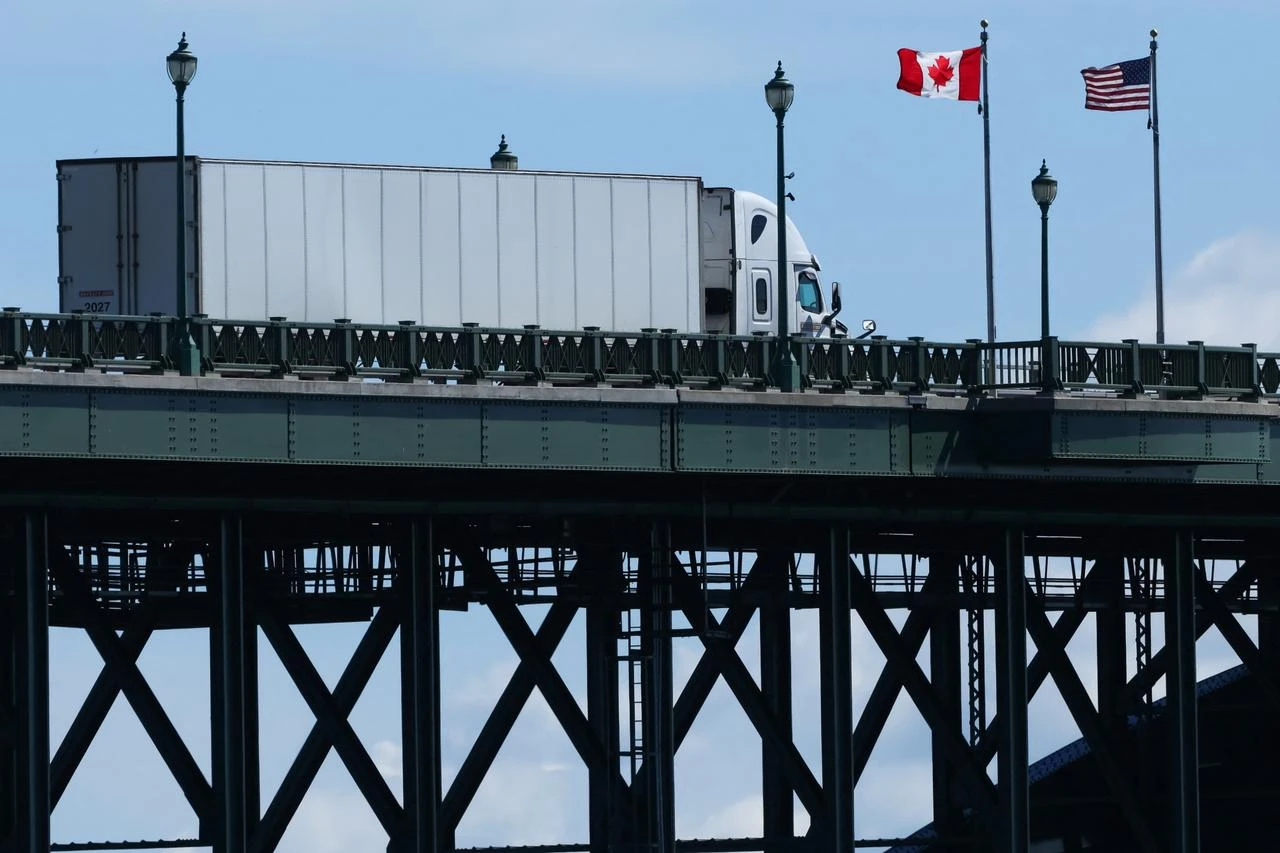


Trade talks between the United States and Canada collapsed late Friday, prompting Canadian Prime Minister Mark Carney to suspend negotiations and paving the way for the U.S. to impose 50% tariffs on roughly $20 billion worth of Canadian goods at midnight, with Ottawa vowing to retaliate "dollar for dollar."
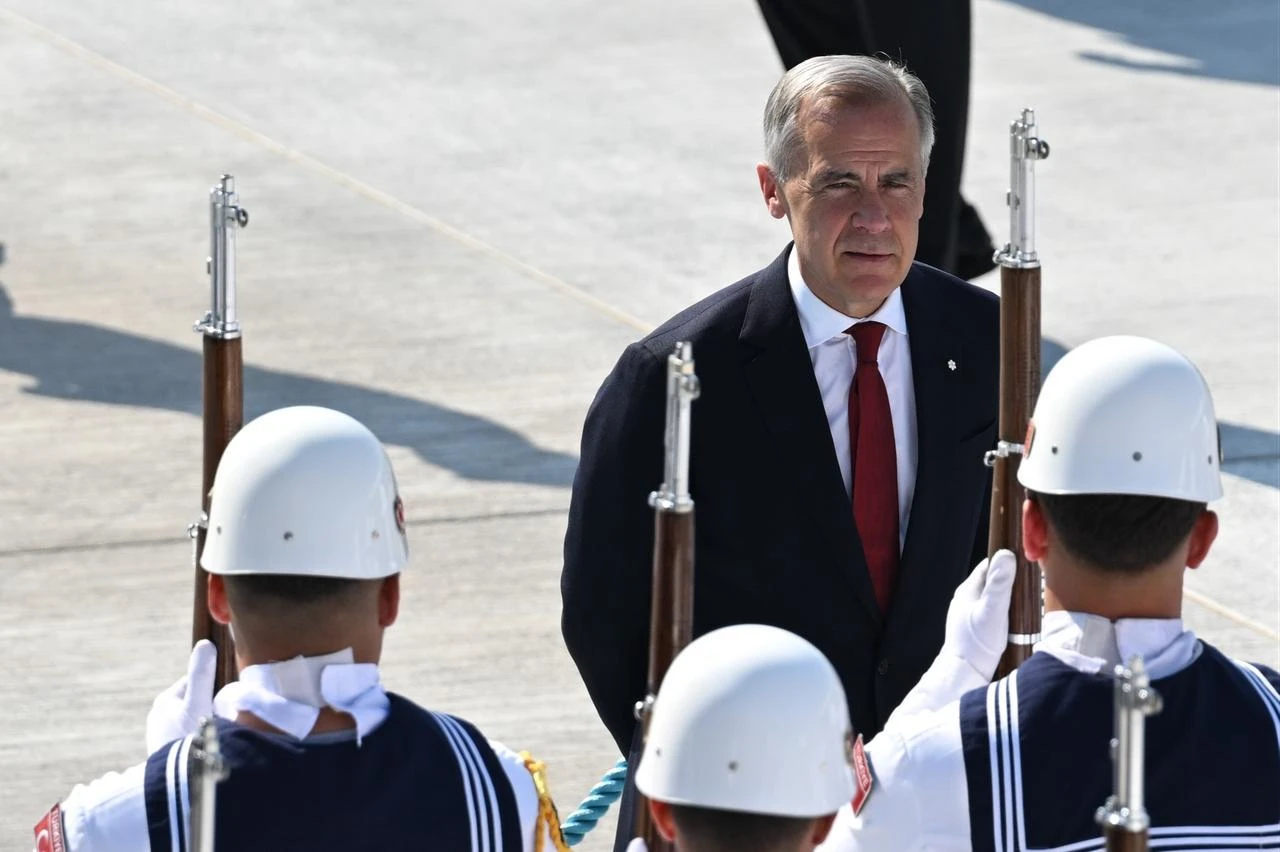
"Over the past 18 months, Canada's new government has focused on building our strength at home, diversifying our partnerships abroad, and striking a fair deal with the United States," Carney said in a statement from the Office of the Prime Minister.
He said Canada's negotiating objectives had been to preserve tariff-free access to the U.S. for the vast majority of Canadian businesses, provide greater stability to the trade relationship, significantly reduce U.S. tariffs on key strategic industries, protect small and medium-sized businesses, and "maintain our flexibility, independence, and sovereignty so we can keep building the Canada we want."
"We have recognised from the beginning that America has changed, and that we will not return to our old relationship," Carney said.
"Our government understood, before many, that America is altering all its trade relationships. Putting tariffs on its closest allies and charging for access to its vast market. We have worked in that context. To strike a fair deal that would provide the best access to the U.S. market and greater certainty to Canadian businesses and workers. Throughout, our goal has been to secure the best deal for Canadians, never a deal at any price or on any deadline," he added.
"In recent weeks, we made important progress toward improving Canada's position as having the best deal in the world with the U.S.," Carney said.
"However, that progress has not been enough to meet our objectives for Canadians. As a result, this evening, I have decided to suspend trade negotiations with the U.S. and have directed Canada's negotiators to return to Ottawa. They have worked hard, in good faith, to defend the interests of Canadians throughout these negotiations up until the very last minute. However, last-minute changes in the U.S. proposed terms were unfair, uneconomic, and called into question the reliability of any deal," the Canadian PM stated.
"At midnight tonight, the U.S. intends to impose a 50% tariff on roughly $28 billion of Canadian goods. Canada will match those tariffs dollar for dollar to protect our workers and businesses," Carney said.
He added that in the coming days, the government would introduce additional measures to support Canadian workers and businesses, building on nearly $25 billion in support already provided over the past 18 months.
He said Canada is advancing nearly $500 billion in major infrastructure projects and working to double its preferential trade access, currently covering 1.5 billion consumers, by the end of the year.

The new U.S. tariffs, covering about 5% of Canada's U.S.-bound exports, including goods ranging from hockey sticks to tongue depressors, building materials, liquor and certain clothing, went into effect at 12:01 a.m. Saturday.
The levies were imposed under Section 338 of the Tariff Act of 1930, a provision never previously used that allows the White House to impose duties of up to 50% on a foreign trade partner it says "discriminates" against U.S. commerce.
The tariffs are expected to face legal challenges.
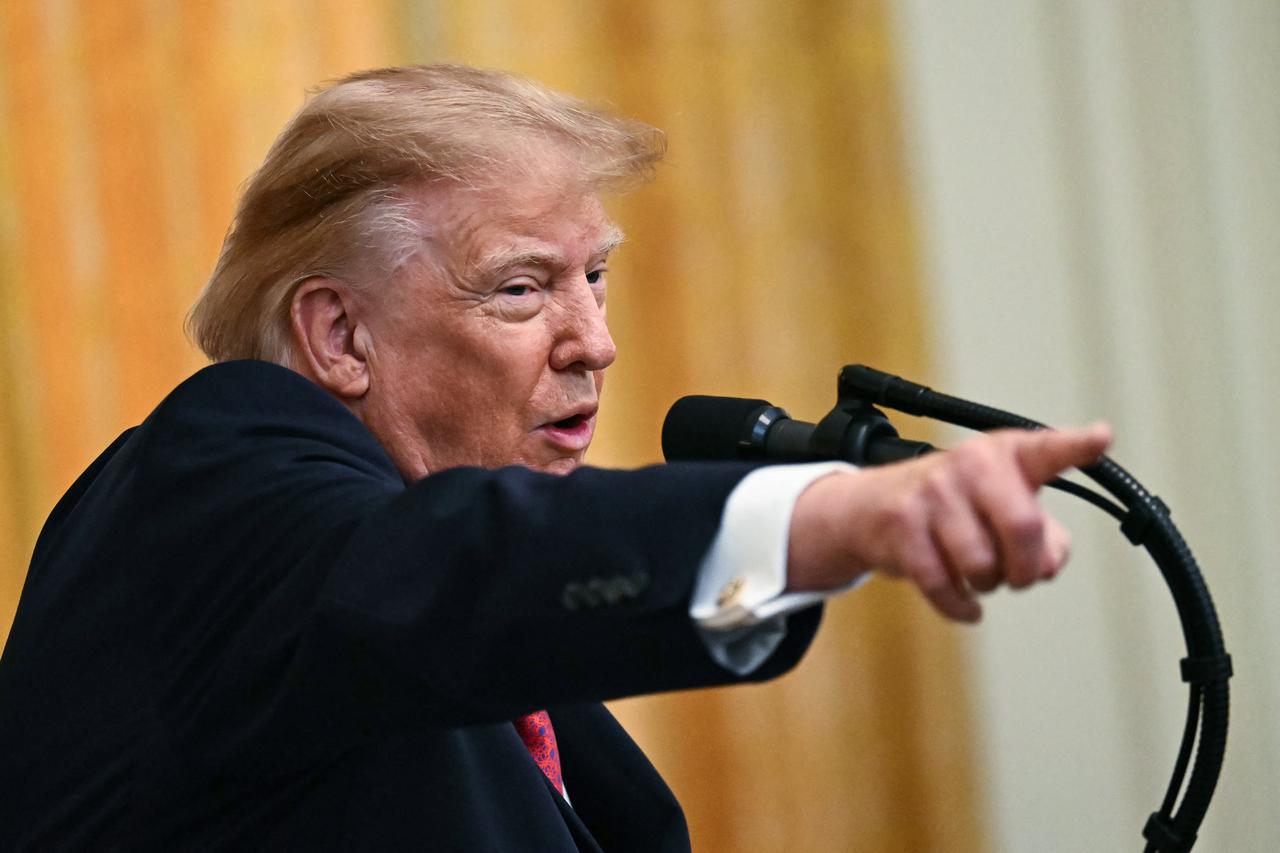
U.S. Trade Representative Jamieson Greer told reporters that Canada had walked away from the table despite what he called an offer of the "best treatment of any major exporter to our market."
"Tonight, Canada declined to finalize the trade deal under the terms agreed earlier this week, despite the U.S. offer to Canada to receive the best treatment of any major exporter to our market," Greer said.
"New demands and walk backs of other commitments by Canada have upended the careful balance reached in the past days," he added.
Greer said the U.S. had offered "significant tariff reductions" on steel, aluminum, vehicles and lumber, without providing specifics.
He said the talks were "not acrimonious" and that no future meetings were planned. "Canada was interested in additional concessions that the US wasn't able to provide at this time," he said.
A U.S. official who spoke to The Wall Street Journal (WSJ) said Canada had sought concessions the U.S. was not prepared to give, particularly regarding the automotive sector and trade in steel, aluminum and lumber, and that if Canada retaliated, Trump would be given options "to level out the playing field."
Greer also said a point of contention was Canada's continued retaliatory measures against the U.S., "including, among other things, flat-out prohibitions on certain American goods and services", a reference to provincial bans on American alcohol sales introduced in 2025 in response to earlier rounds of U.S. tariffs.
Greer separately noted that Canada and China were the only two countries that had retaliated against U.S. trade measures.
"That's not the kind of company you really want to be running in," he said.
In addition to fending off the new tariffs, Canada had sought to roll back, ideally eliminate, existing tariffs of up to 50% on its steel, aluminum and auto exports, along with relief on decades-old softwood lumber tariffs.
The U.S. side wanted the eight Canadian provinces that had barred American wine and spirits from government-owned distribution systems to end those measures, wanted Canada to drop its retaliatory tariffs on American cars, and sought changes to how American dairy products access Canada's market.
In the negotiations' final days, U.S. proposals reportedly would have cut steel and aluminum tariffs to 25% from 50%, though only for a limited quantity of Canadian steel, with the remainder still facing the 50% rate; auto tariffs would have fallen to 15% from 25%, adjusted for American-made parts, according to people briefed on the talks spoke to the New York Times (NYT).
Industry executives and analysts said that rate would still leave Canadian auto production unprofitable and likely doom assembly plants in the country.
Earlier in the week, Trump had announced a three-day pause on the threatened tariffs as part of what he called a tentative deal, saying Tuesday the two sides "have a DEAL!" and telling reporters Friday, "We should be able to have a deal with Canada," according to NBC News.
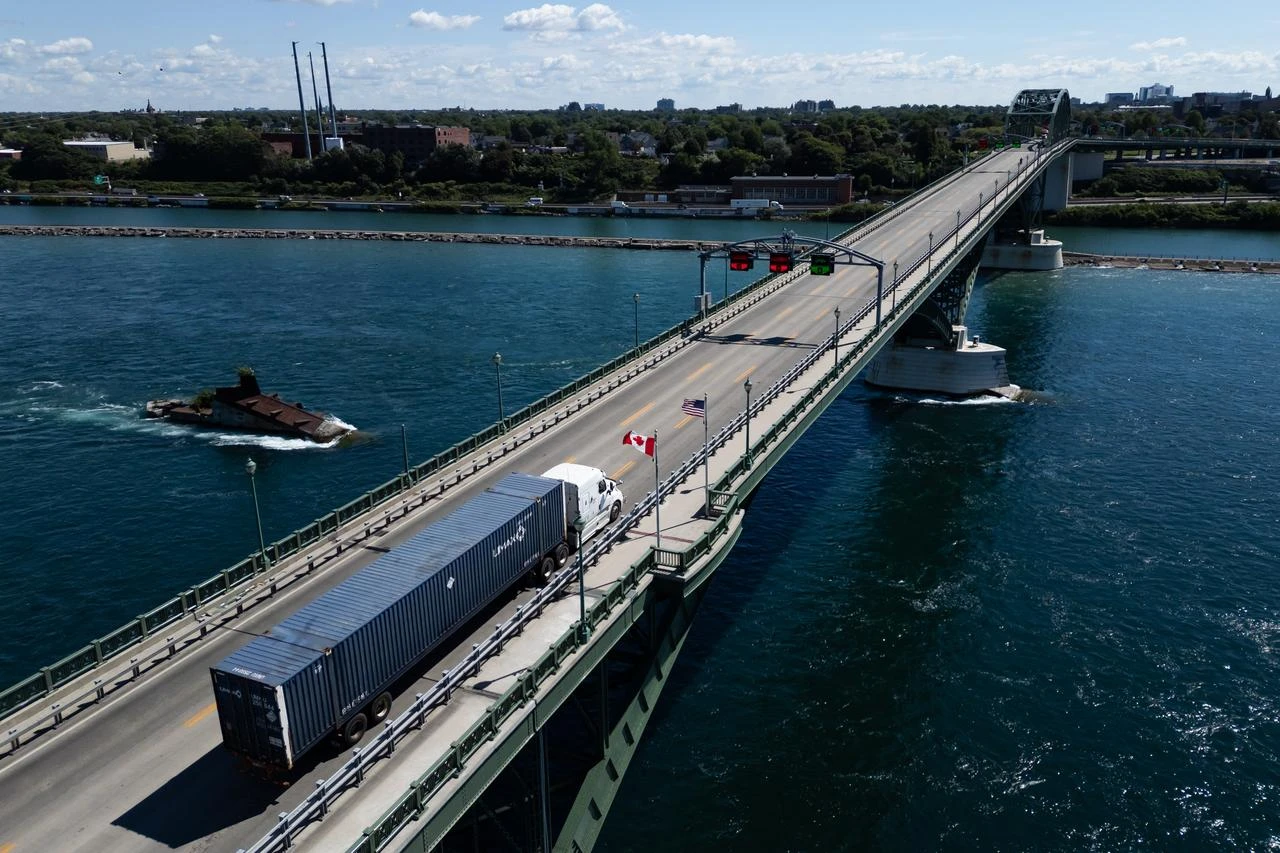
Ontario Premier Doug Ford, whose province is among the hardest hit, backed Carney's decision. "The prime minister has my full support for a strong response — tariff for tariff, dollar for dollar," Ford wrote on X, adding that Canada "needs to stand together more united than ever before."
Manitoba Premier Wab Kinew said the federal government should "fight" Trump, while Quebec Premier Christine Fréchette said Thursday she was still "analyzing" a federal request to lift the province's ban on American alcohol sales.
Candace Laing, president of the Canadian Chamber of Commerce, called the collapse "a body blow to North American competitiveness in this self-defeating trade saga."
"Americans will see their costs go up, and Canadians will see customers, investment and small businesses disappear," she said.
The U.S. Chamber of Commerce had separately warned that higher tariffs would "damage both economies, drive up costs for U.S. families, further disrupt critical supply chains, and risk the 13 million American jobs" tied to the North American trade pact.


 Set as preferred source
 Set as preferred source


 1 min read

 1 min read