Newsletters


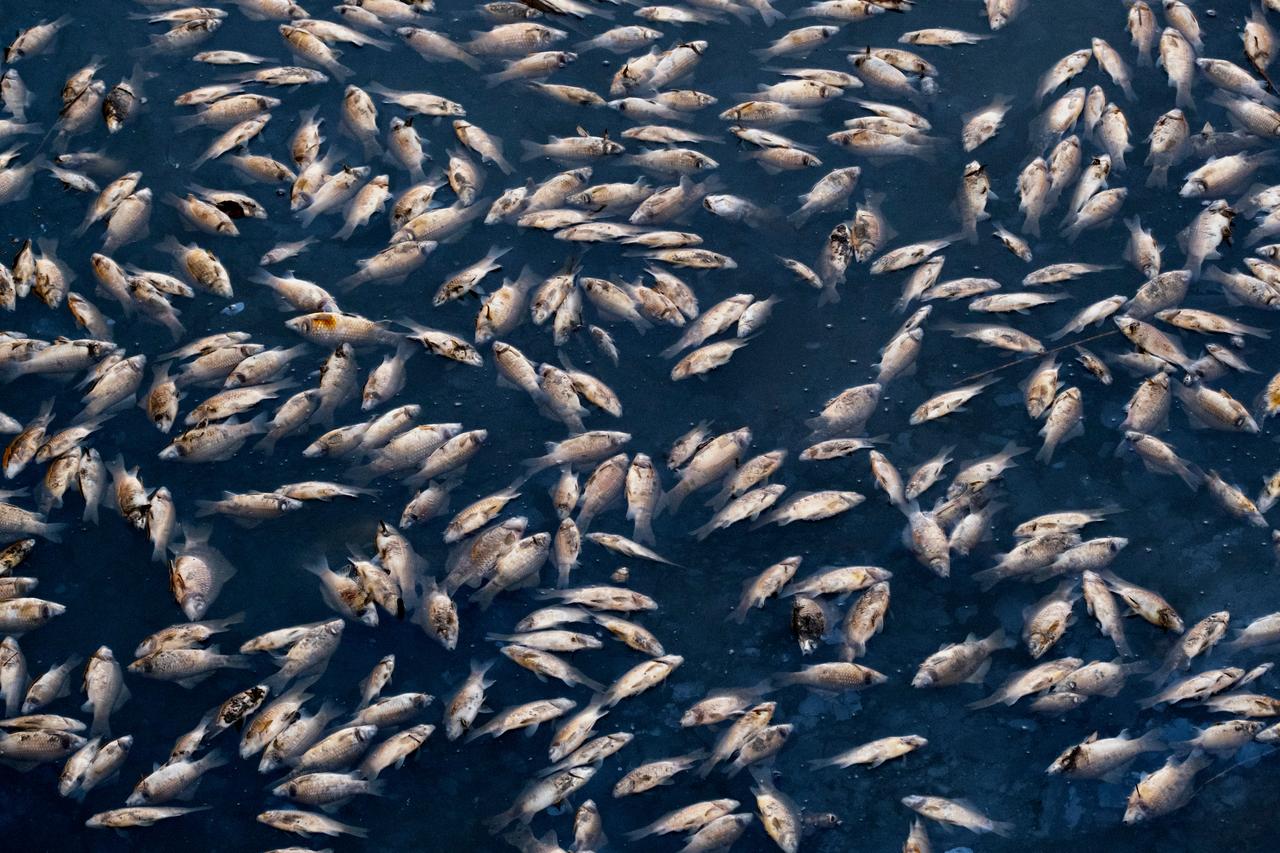


Bruce Power, the private operator of Canada’s largest nuclear power plant, faces two federal Fisheries Act charges over the deaths of millions of fish in the facility’s cooling water intake system in 2025, CBC News reported.
The Bruce Nuclear Generating Station sits on the eastern shore of Lake Huron near Tiverton, in Ontario’s Bruce County, about 250 kilometers (155 miles) northwest of Toronto.
Bruce Power was charged with causing the death of fish through non-fishing industrial operations and violating the conditions of its environmental permit, which limits the company to 6,600 kilograms (14,550 pounds) of dead fish annually. The company is due to appear in Ontario provincial court Nov. 24.
Megan Adams, Bruce Power’s director of corporate communications, wrote in an email to CBC News, “As this matter is before the courts, we cannot comment on how we intend to plead or provide additional commentary relating to the charges.”
Theresa McClenaghan, executive director of the Canadian Environmental Law Association, told CBC News that fines for a first offense range from a few thousand dollars to CA$200,000 ($143,000) and go to a federal fund for conservation and habitat restoration.
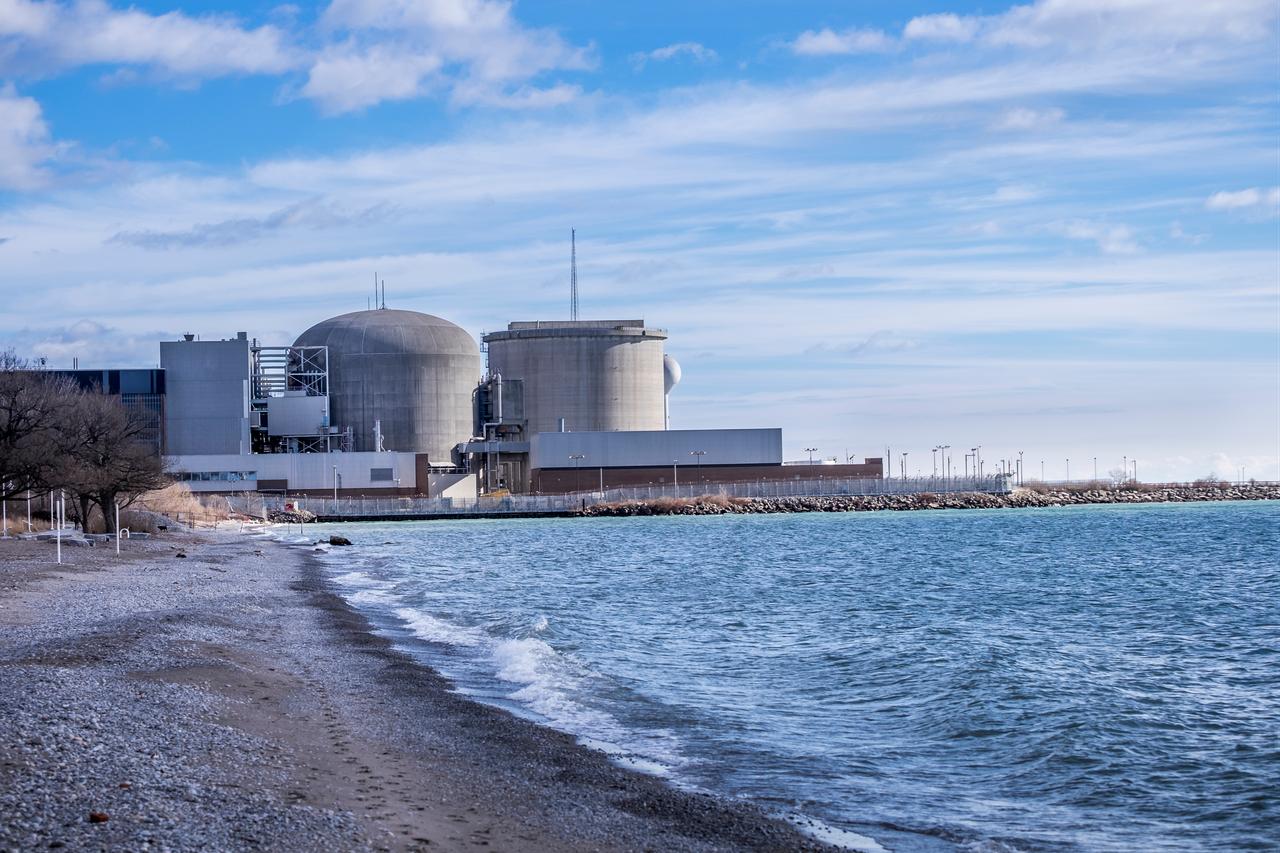

An internal Bruce Power report estimates that 8.1 million gizzard shad massed near the plant during a sudden cold snap on Feb. 13, 2025. The small, cold-sensitive fish were drawn to the warm water the plant discharges into Lake Huron over a two-month period in February and March.
The fish became trapped against the plant’s intake screens in such large numbers that one reactor was shut down and another ran at reduced power, straining Ontario’s electrical grid during the prolonged cold spell.
Fisheries and Oceans Canada (DFO) estimates that between 3.3 million and 4.3 million fish died. By weight, that is more than 200 times the plant’s annual authorized limit.
Dead shad washed ashore in nearby communities for days. Provincial records show Bruce Power used a crane to remove millions of dead fish from the plant’s cooling water channels before hauling them to a landfill.
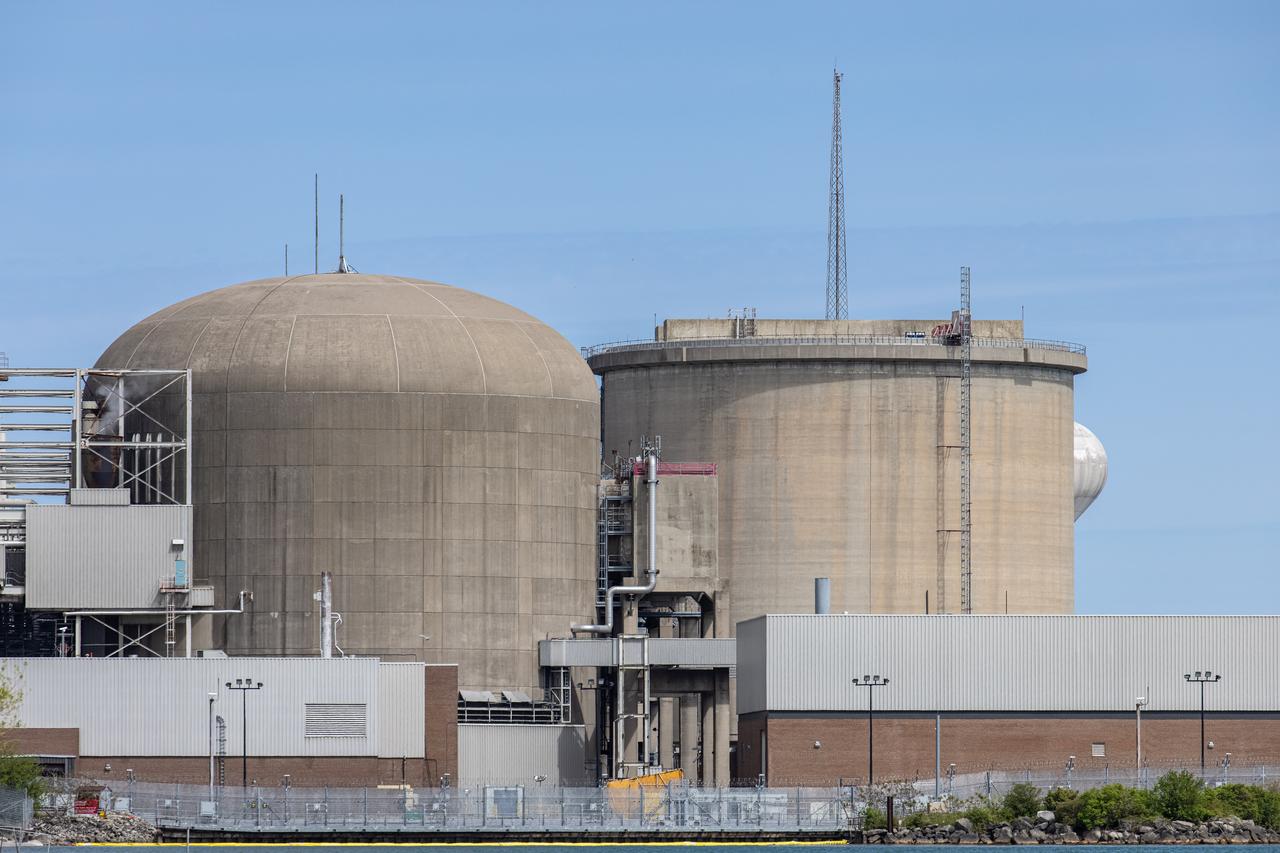
The company’s own findings attributed the event to an “organizational failure” to adapt to changing environmental conditions caused by climate change.
Bruce Power has since spent more than CA$10 million on mitigation measures, including nets, acoustic and strobe-light deterrents, sonar, cameras, and artificial intelligence to monitor fish movements.
Ryan Lauzon, a fisheries biologist who advises Saugeen Ojibway Nation, said he saw gaps in the measures during a visit last year and that they do not address the warm-water discharge that attracts the fish.


 Set as preferred source
 Set as preferred source



 2 min read