Newsletters


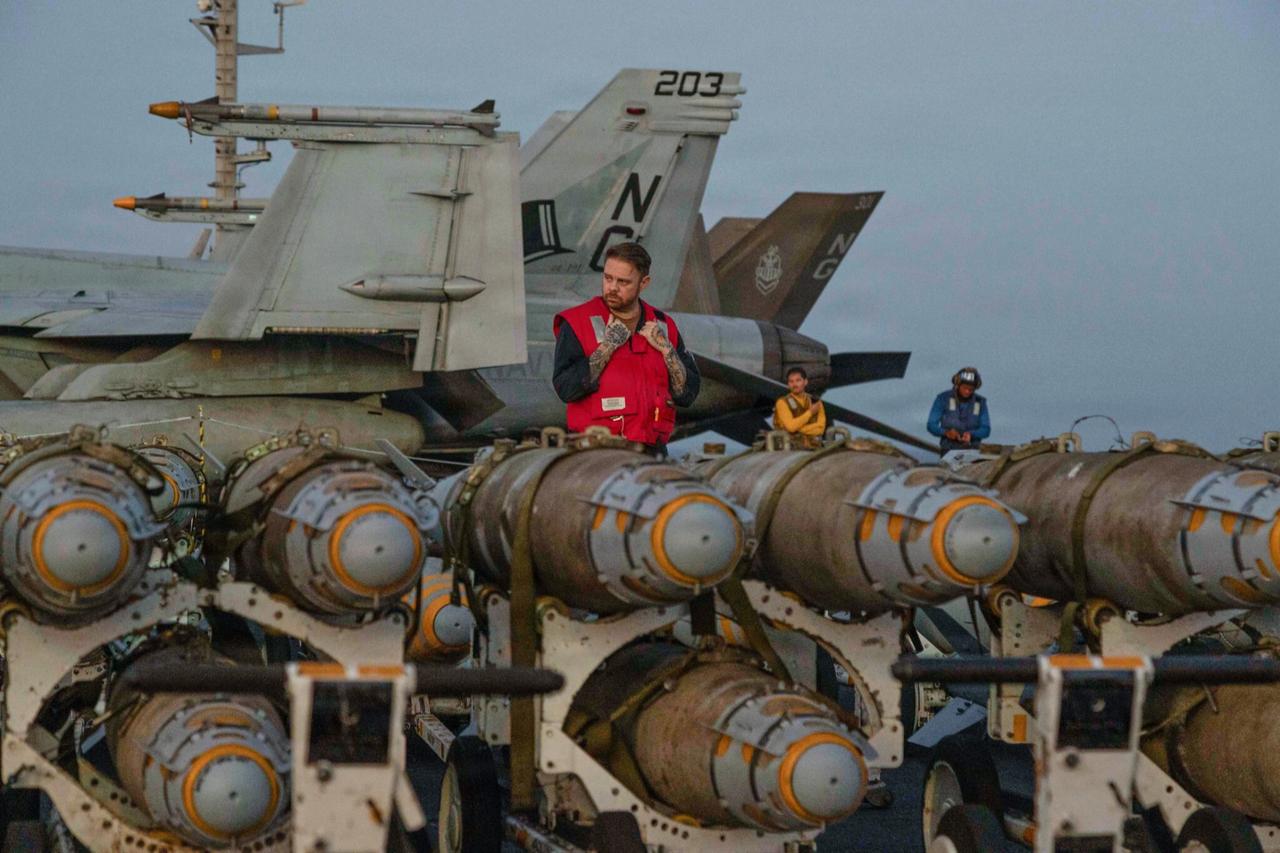


The cessation of hostilities between the United States and the Islamic Republic of Iran has ignited a secondary conflict: a sophisticated war of narrative. While the dust has not yet settled on the battlefield, a domestic cognitive warfare has taken hold within the U.S., with the administration and its detractors battling to define who truly emerged victorious.
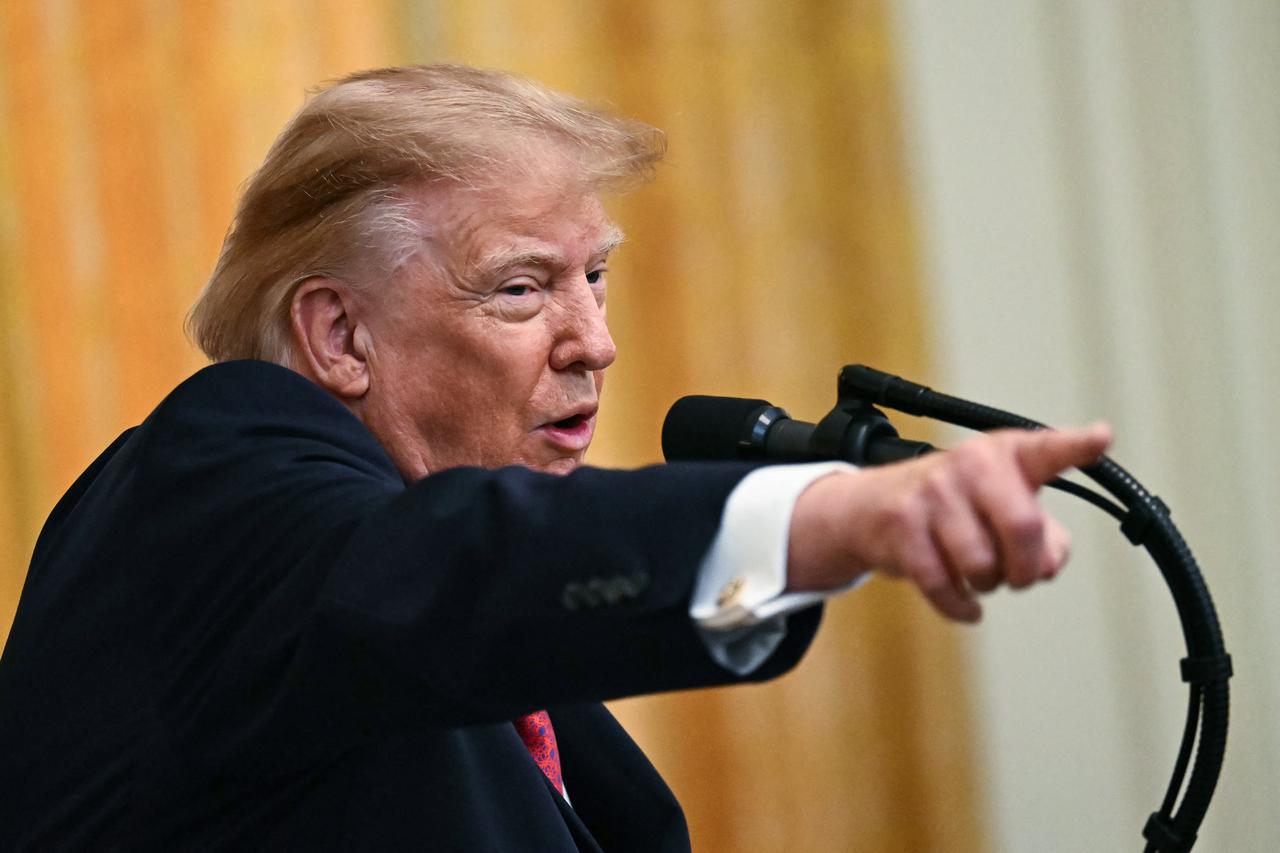
The White House has moved quickly to frame the outcome of the Iran conflict as a decisive success. Officials have described the campaign in unequivocal terms, emphasizing speed and effectiveness while portraying the ceasefire as proof of operational success.
“Historically swift and successful military triumph,” said Karoline Leavitt, underscoring the administration’s effort to define the narrative early. The message has been reinforced by Republican lawmakers seeking to highlight consistency in leadership.
Yet this narrative is facing resistance. As competing interpretations of the war’s outcome are emerging, it suggests that the definition of “victory” is far from settled. The political and analytical debate now centers not on what happened, but on what it ultimately achieved.
A central feature of the conflict has been the administration’s unconventional communication style. Alexander Tarascio, a pollster and strategist with Cygnal, argues that the manners are part of a broader strategic framework rather than mere rhetoric.
“President Trump uses public statements in a way that other leaders around the world don't… he considers that part of the negotiation, part of the battle space,” Tarascio told Türkiye Today.
This approach suggests that public messaging is designed not only for domestic audiences but also as a tool of coercion and signaling. “What he puts out on paper and in the public is not always exactly what he thinks; he uses these things as tools. He puts out a statement the way other people throw a punch,” the pollster argued.
Hence, the administration’s communication style has itself become part of the strategic equation. Public statements are not merely explanatory but are used as tools to influence both domestic and international audiences.
“You should look at what he's saying through that lens and put more emphasis on what he's doing,” he noted.
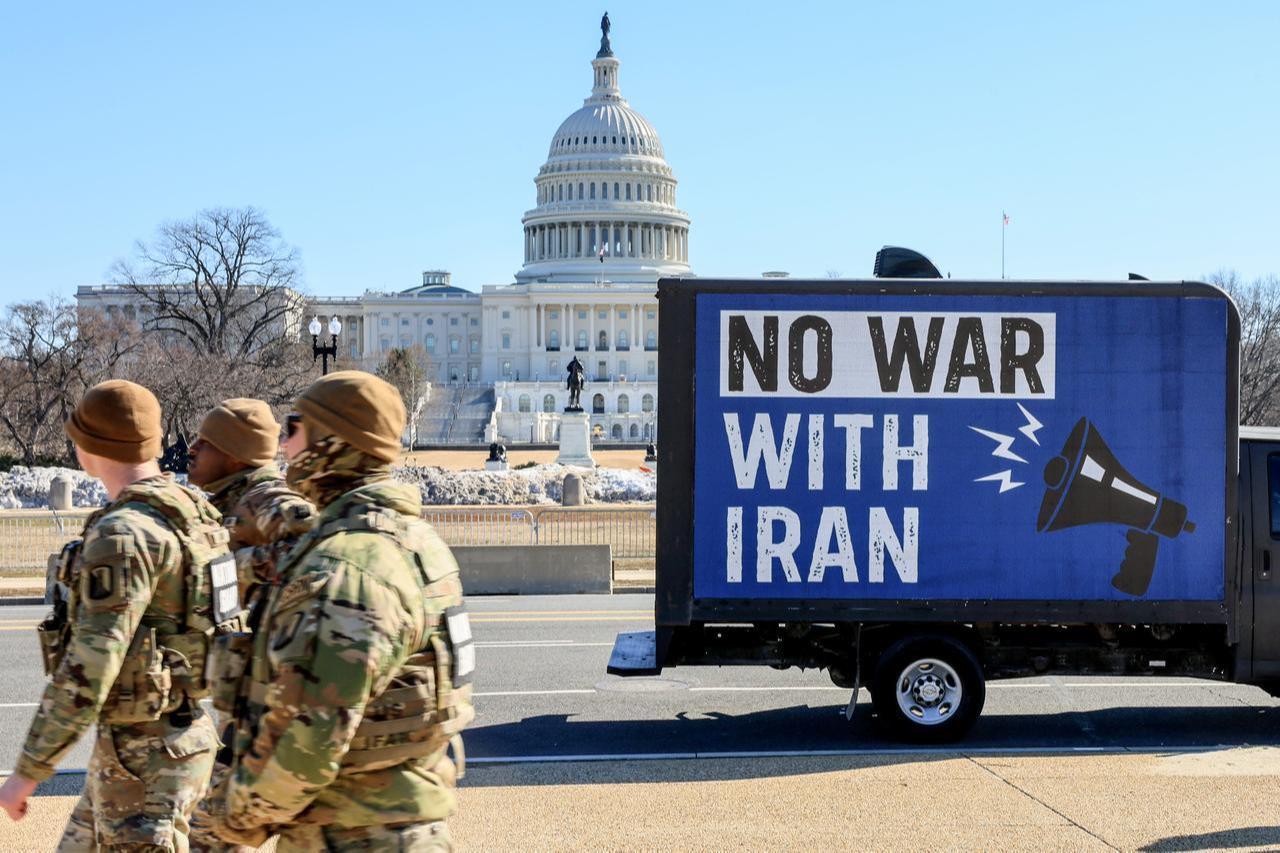

Whether the administration can successfully frame the ceasefire as a victory depends on tangible outcomes rather than messaging alone. Analysts point to a narrow set of conditions that could sustain public support.
“The number one thing that the president can point to is if the ceasefire looks like it worked,” Tarascio said. “The biggest selling point is if he meets his goals—a deal that prevents Iran from getting a nuclear weapon, which I think is achievable.”
Public skepticism toward prolonged conflicts plays a critical role. “There’s a huge subset of Americans who are skeptical of conflict because they have seen so many conflicts drag on for a long time and just not work,” he added.
At the same time, not all strategic elements carry equal weight domestically. “I don't think the Strait of Hormuz matters a ton. It matters to Europeans, to Asians, but not so much to Americans,” Tarascio said, emphasizing that proxy dynamics and battlefield outcomes are more relevant to U.S. audiences.
"I think the (Iranian) proxies matter. His ability to negotiate or win on the battlefield—to find a solution to those—is what will mean victory," he added.
Drawing his reflections on top of the recent poll they made with Cygnal, the strategist also warned, “If this drags on for more than another three months, the people will be most opposed to it.”
“The people who are more in favor of the war think that it's going to be short, and their favorability is contingent on it being short,” he added.
Other analysts offer a far more critical assessment, arguing that tactical successes have not translated into meaningful strategic gains. Speaking to Türkiye Today, Allison McManus, managing director at the Center for American Progress, points to enduring Iranian capabilities and unresolved core issues.
“We have certainly seen that the United States was successful in some of the tactical objectives,” said McManus. “But beyond that, in terms of strategic gains, we've seen simply very little gained for the United States.”
Key objectives remain unmet. “Iran retains two-thirds of its missile arsenal, and it retains stockpiles of enriched uranium,” she noted. “The Islamic Republic remains resilient.”
The broader implication is that the war may have failed to alter the strategic balance. “Destroying Iran's nuclear program, that simply wasn't achieved,” McManus added, highlighting the limits of military action in addressing long-term challenges.
Beyond the battlefield, the conflict has introduced new economic and geopolitical pressures. Iran’s ability to disrupt critical sea lanes, as demonstrated by its renewed activity following Israel’s attack on Lebanon, has strengthened the country’s leverage.
“Iran has demonstrated that it can control the Strait of Hormuz. It has effectively brought the global economy into crisis,” McManus said. “That has actually worsened the strategic position of the United States.”
Domestically, skepticism extends beyond polling data into broader political and academic circles. Critics argue that the war lacked clear objectives from the outset, undermining its credibility.
“Mr. Trump never was able to define a goal for this war,” said Hooshang Amirahmadi, founder of the American Iranian Council and a Distinguished Service Professor at Rutgers University. “Sometimes it was regime change, sometimes it was destroying Iran's nuclear, sometimes it was Iran's army.”
This ambiguity has shaped public perception. “The public is also confused about this war and its goals,” he added, suggesting that messaging inconsistencies have weakened support.
“Generally speaking, I think the general public came out feeling that Trump lost this war,” Amirahmadi told Türkiye Today.
Divisions in Washington extend well beyond public opinion, cutting across Congress, party lines, and institutional credibility. While the administration continues to frame the ceasefire as a success, resistance within the political establishment has become increasingly visible.
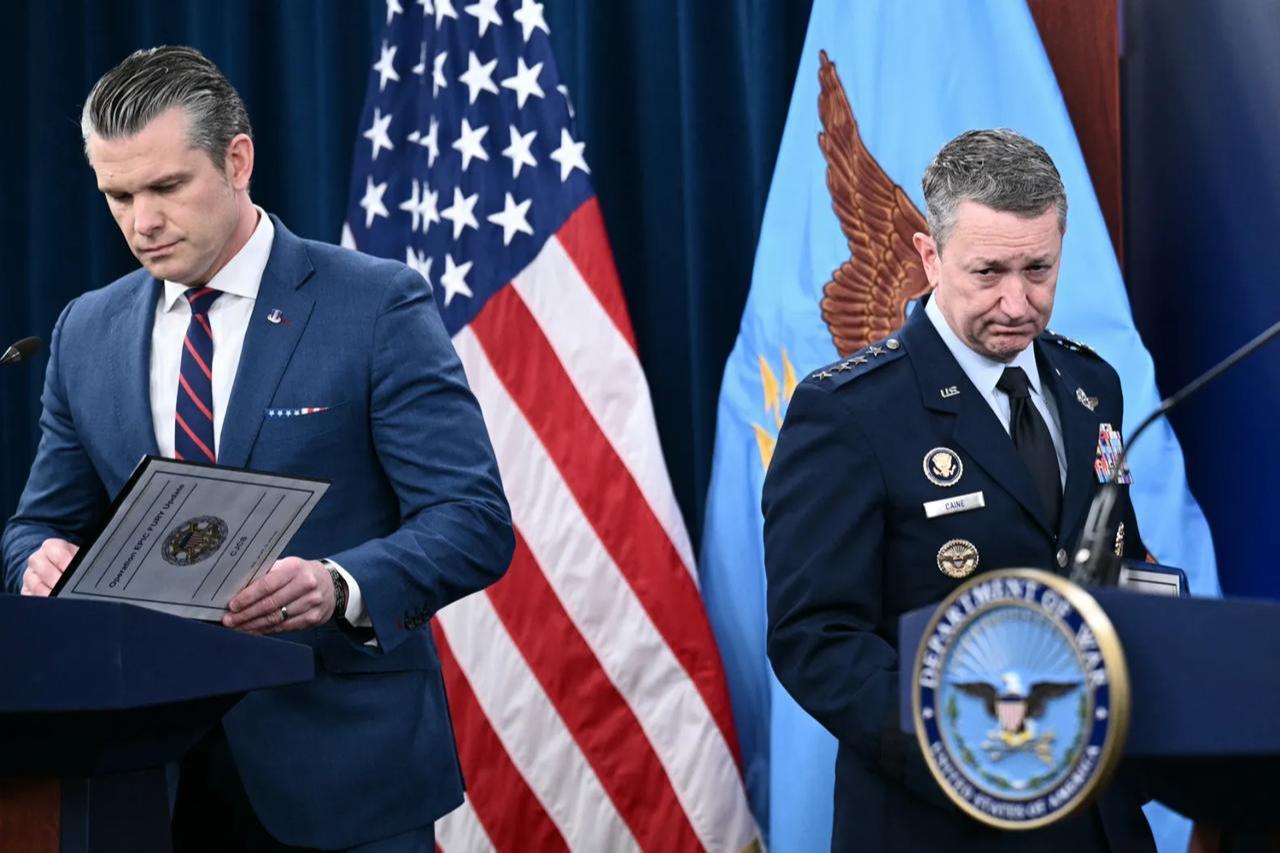
"Beyond the public and the political community, Congress is also very much against what Trump is saying about this war and his victory. Democrats, particularly, are openly disputing claims of success from Trump, his Secretary of Defense, and the military. The only group Trump has been successful in convincing is his own political base," Amirahmadi said.
A broader sense of loss appears to be shaping perceptions across economic and political sectors.
“Broadly speaking, the general public feels this was a war lost economically, politically, militarily, and in terms of international prestige. The U.S. has really suffered significantly in this war, most think,” notes Amirahmadi.
But according to Tarascio, for many voters, procedural critiques carry limited weight.
“American people don’t care that much if Congress was or wasn't consulted. In practice, it comes down to: Is the president making responsible decisions or not? If the Democrats stick to that, it's a good place for them to be,” he said.
In this context, political incentives may favor patience over confrontation. “They don’t need to be out in front fighting this fight. They will accrue benefits if the war drags on and the president becomes more unpopular. In our two-party system, they don’t actually need to lead on this,” he added.
In conflicts where narratives carry strategic weight, ceasefires do not end hostilities. They relocate them. The question, then, is no longer who won the war.
It is who can sustain the more credible story of having done so, and for how long an audience is willing to listen.


 Set as preferred source
 Set as preferred source


 2 min read
 1 min read