Newsletters


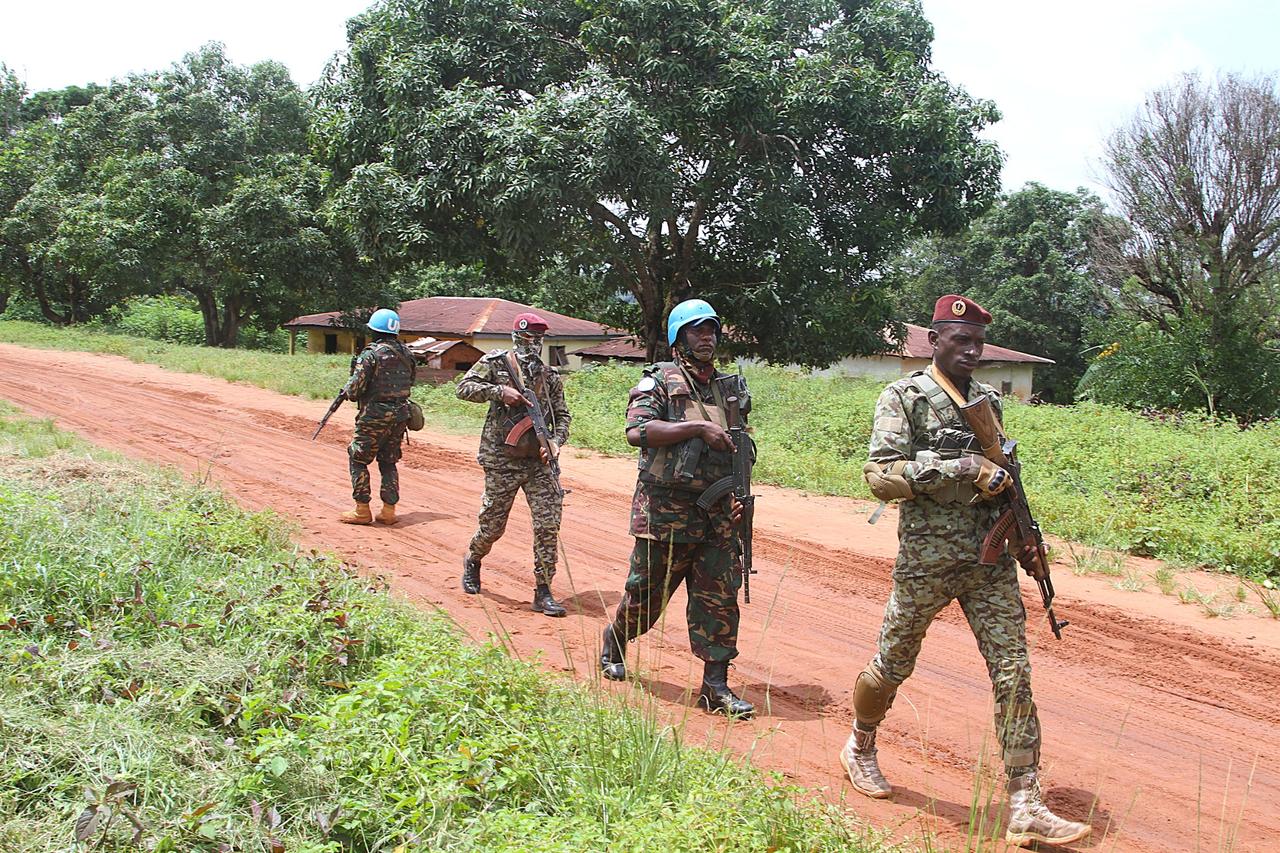


The Central African Republic has developed into a hub for organized crime as corruption, weak state institutions and alliances with criminal networks allow political, military and foreign actors to profit from the country’s natural resources, a new report said Wednesday.
The report by the Global Initiative Against Transnational Organized Crime, or GI-TOC, highlighted the role of mercenaries from Russia’s Wagner Group in the unstable, mineral-rich country.
President Faustin-Archange Touadera has increasingly relied on Wagner forces amid long-running instability. In return, the group has benefited from lucrative contracts linked to gold, diamonds and logging, according to the report.
“High-ranking political and military figures, co-opted criminal actors and transnational organized crime groups have aligned to extract profits by consolidating control over key criminal markets,” said report author Nathalia Dukhan, head of the organization’s Central Africa Observatory.
Dukhan said criminal activity had diversified, become more integrated and expanded across the country’s most profitable economic sectors over the past five years.
She said the activity had continued without effective law enforcement and had been further enabled by the presidential circle and its foreign partners.
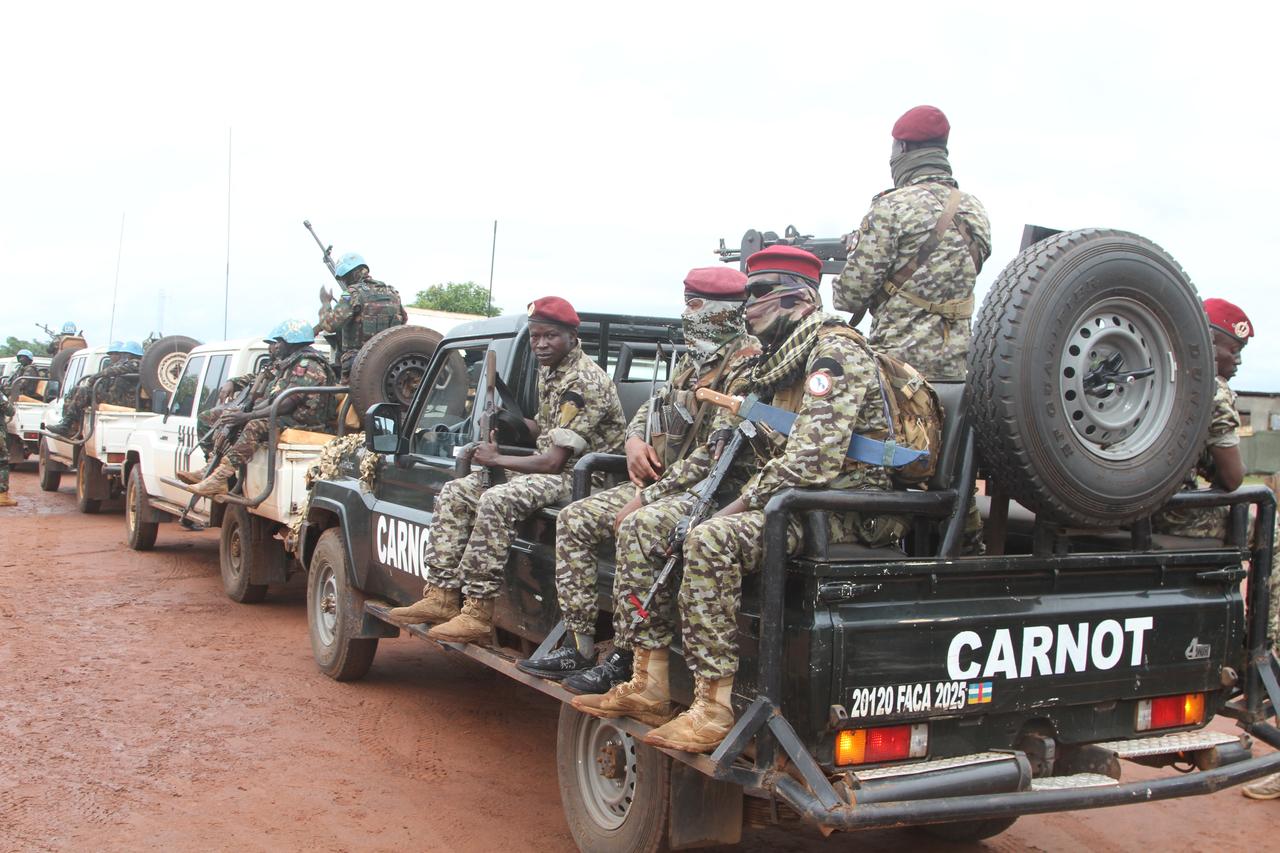

At the end of the civil war of the 2010s, armed groups controlled about 80% of the Central African Republic.
Nearly 90% of the country is now under government control, according to the report.
However, the government did not dismantle the criminal economies that helped fuel the conflict and instead reorganized them, the report said.
“Criminal markets are increasingly organized into hierarchical and coercive systems, with the presidency and the ever-enduring Wagner Group at the center,” it said.
The report described the country as operating through a system of “criminalized governance,” in which access to resources and revenue depends on political alignment.
Loyalty is rewarded with participation in illicit economies, while violence is used to control markets, remove competitors and secure trade routes, the authors said.
At the same time, non-state armed groups continue to exploit smuggling routes to maintain territorial influence, control important resources and generate profits.
The report said gold, diamonds, timber, wildlife and livestock were being transported illegally from conflict areas to regional and international markets.
Resources extracted from areas controlled by state-aligned actors, and to a lesser extent by rebel groups, are traded through international and regional hubs where their origins are concealed, it said.
The revenues are then recycled through wider criminal networks.
Wagner reportedly earns substantial income from illegally mined gold that is smuggled abroad on Central African Republic military aircraft, according to the report.
The group also benefits from access to the country’s diamond and logging industries.
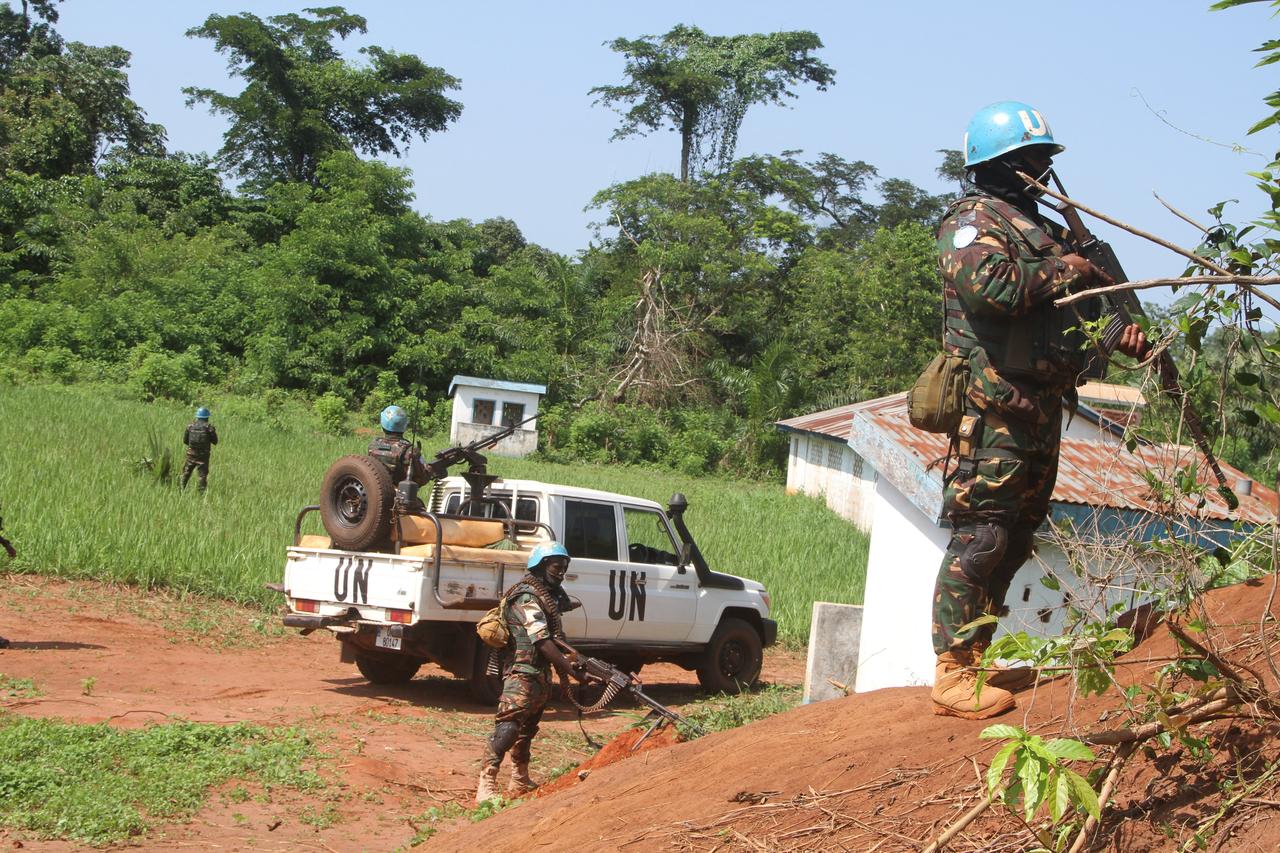
GI-TOC said the Central African Republic functioned as an important logistics center for Wagner operations across Africa, particularly in West Africa.
The country allows the illegal movement of military cargo aircraft used to transport weapons and mercenaries, the report said.
Wagner has maintained its influence even as the government has expanded territorial control since the civil war.
The report said the group remains at the center of coercive systems controlling some of the country’s most valuable markets and resources.
Other foreign countries with security and commercial partnerships in the Central African Republic also operate within these transnational networks, the report said.
It specifically named Rwanda, China and the United Arab Emirates as foreign actors operating within the wider criminal ecosystems connected to the country.


 Set as preferred source
 Set as preferred source


 2 min read

 1 min read