Newsletters


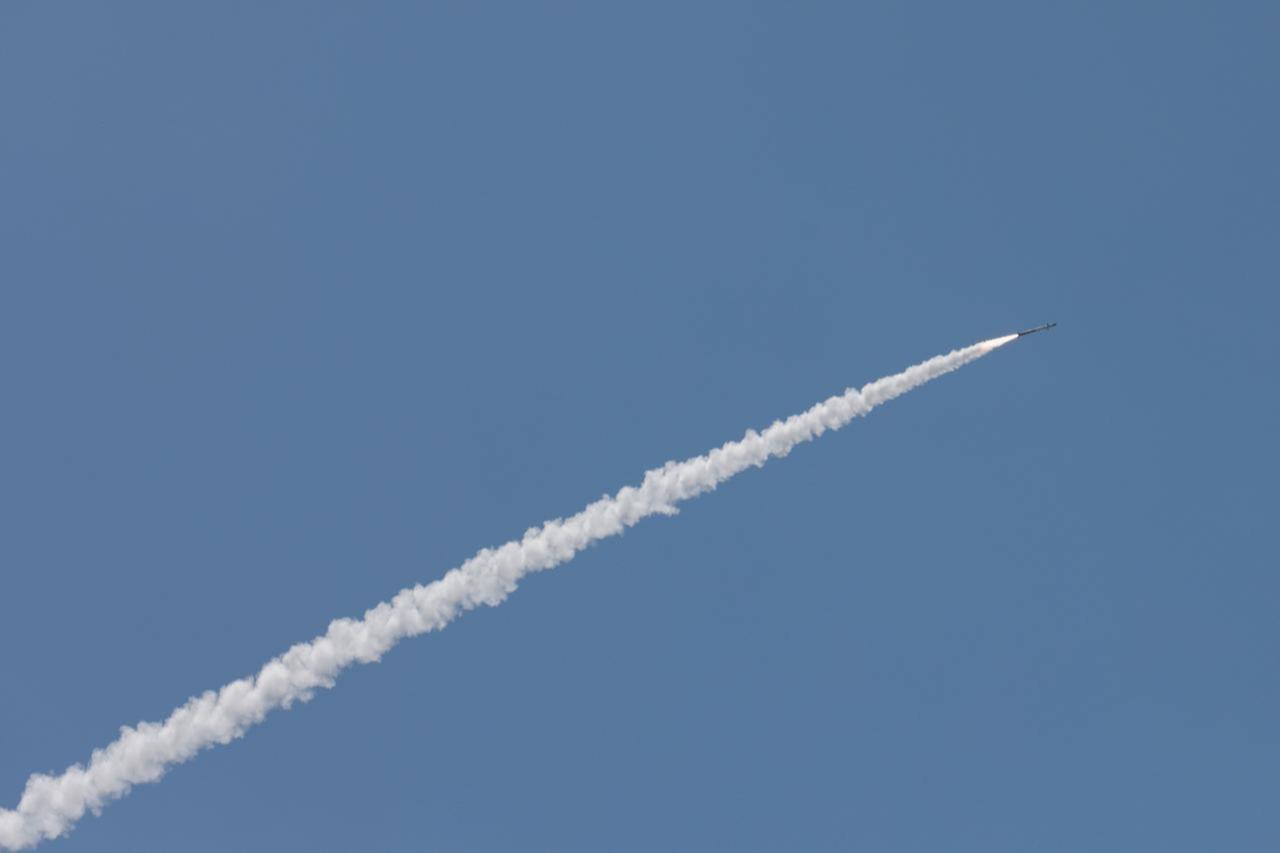


China is capable of launching direct missile strikes against Australia, and the threat is expected to grow as Beijing expands its long-range and hypersonic arsenal and strengthens its military presence in the South China Sea, an Australian think tank said Sunday.
A report by the Lowy Institute said the most immediate direct-strike threat to Australia would come from Chinese missiles launched from warships, submarines and intermediate-range ballistic missile systems.
The report assessed China’s military capabilities rather than its intentions and said the possibility of a direct attack on the Australian mainland was not widely understood by the public.
“The direct strike threat is real and growing,” the report said.
The Lowy Institute said China’s ability to strike Australia would increase over the next decade as more DF-27 intermediate-range ballistic missiles entered service.
A conventionally armed intercontinental ballistic missile could also expand Beijing’s strike options, it said.
The DF-27 has an estimated range of between 5,000 and 8,000 kilometers, or about 3,000 to 5,000 miles, according to the U.S. military.
That range would allow the missile to reach Australia from Chinese territory.
The report said missiles launched from Chinese ships and submarines also represented a significant threat because they could operate closer to Australia.
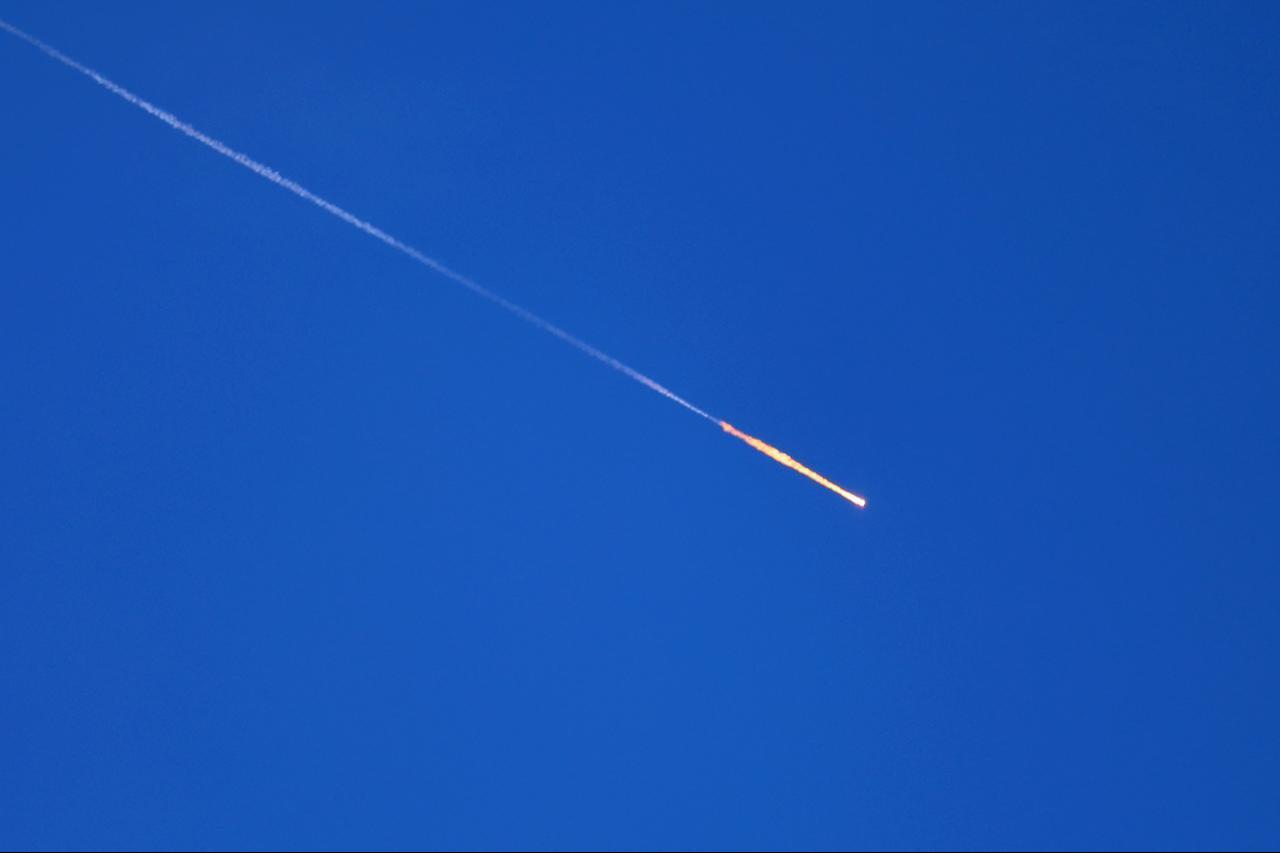

The report said China’s Dong Feng-26 intermediate-range ballistic missile could reach northern Australia if deployed on one of Beijing’s artificial islands in the South China Sea.
China has built and militarized islands in the disputed waters, expanding its ability to operate aircraft, ships and missile systems farther from the mainland.
The direct threat to Australia would increase dramatically if China deployed missiles or bombers on Pacific islands closer to the country, according to the report.
It said the risk would also rise if Beijing developed and deployed a long-range crewed bomber or an unmanned bomber capable of reaching Australia.
The Lowy Institute said the primary risks facing Australia remained cyberattacks, the disruption of undersea communications cables, and interference with maritime trade.
However, it said those threats should not distract from China’s growing ability to launch conventional strikes directly against Australian territory.
Sam Roggeveen, director of the Lowy Institute’s International Security Program, said the report was intended to encourage a more informed public debate.
He described the analysis as “neither hawkish nor dovish, neither alarmist nor complacent.”
“I think the growth of the People’s Liberation Army is the most important thing to happen to Australian security since the collapse of the Soviet Union,” Roggeveen said.
“There is a pressing need for a more informed Australian discussion about it.”
Australia revised its military strategy three years ago in response to China’s rapid naval expansion and growing tensions between Beijing and Washington.
The strategy placed greater emphasis on preventing a potential adversary from approaching Australia through its northern maritime and air routes.
Prime Minister Anthony Albanese’s government, however, has been reluctant to publicly discuss the prospect of a direct military attack on the Australian mainland.
Australia has also competed with China for stronger security relationships with South Pacific countries as Canberra seeks to prevent Beijing from establishing a military base closer to Australian territory.


 Set as preferred source
 Set as preferred source


 2 min read
 1 min read