Newsletters


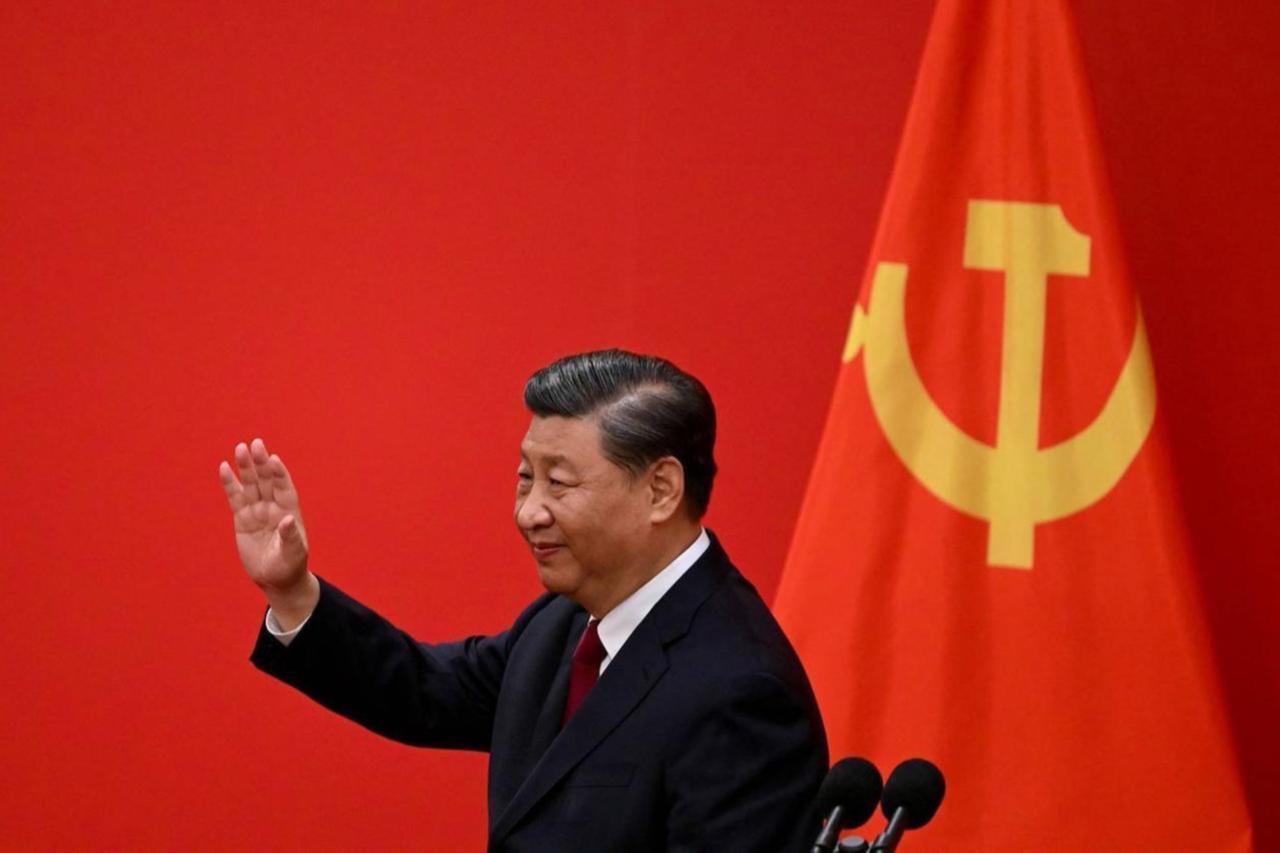


U.S. President Donald Trump and Russian leader Vladimir Putin’s back-to-back visits to China are undeniably the most high-profile diplomatic events on the global stage this May.
The visits underscore China’s role as a central, indispensable player in international affairs nowadays. They were also reminiscent of a scenario in early 2026 when President Xi Jinping held phone calls with Trump and Putin respectively, within a single day.
It is quite clear that China is seeking to stabilize ties with the U.S. while deepening a strategic partnership with Russia. To Beijing, both strategic goals are extremely important.
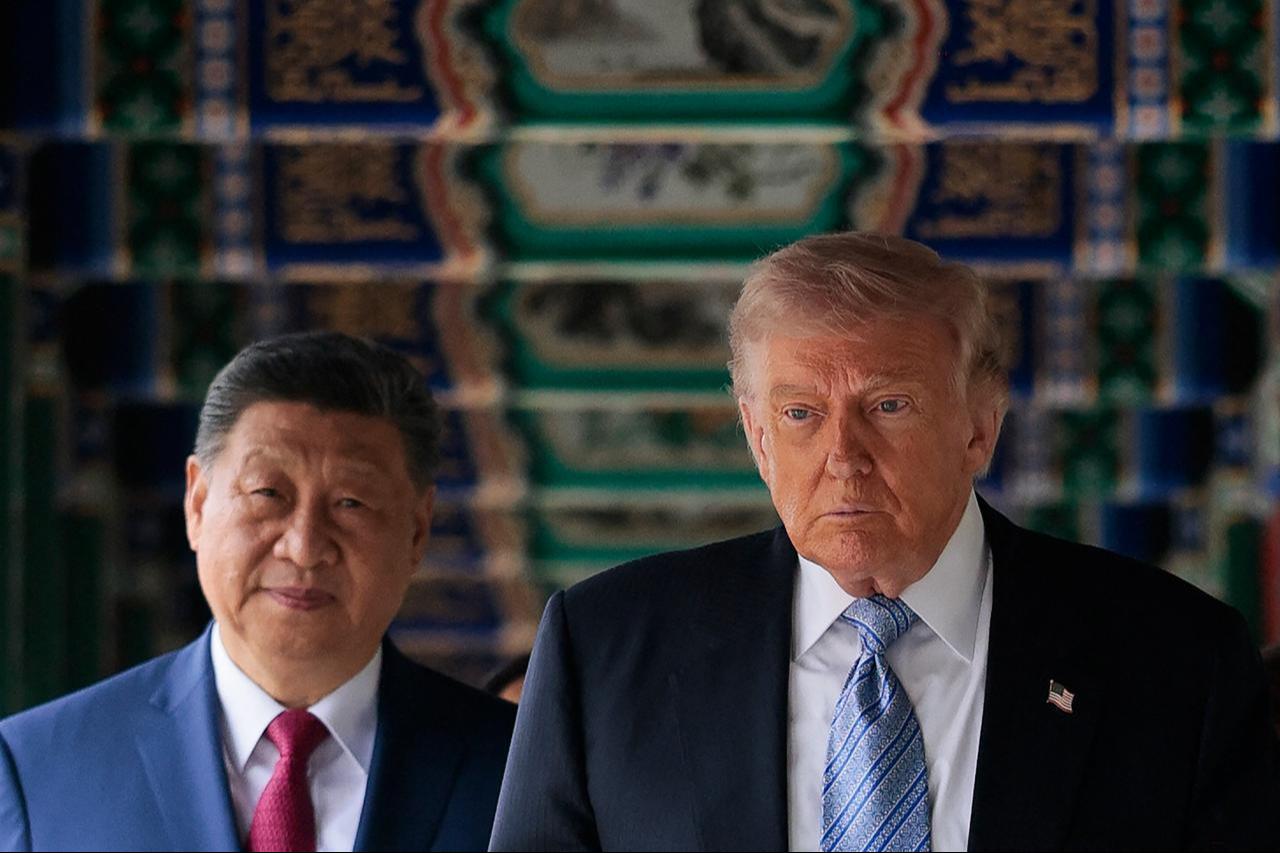

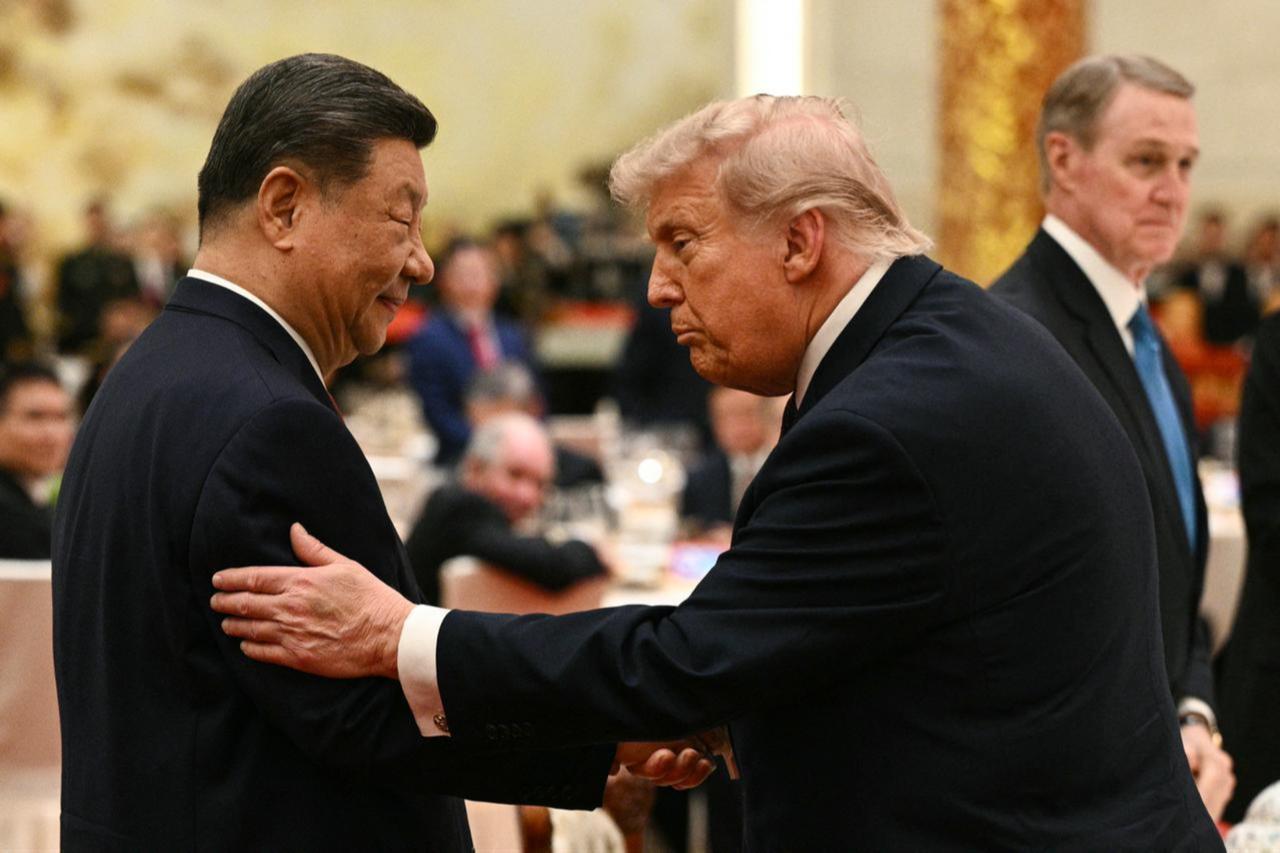
The time Trump spent in Beijing was enjoyable to him, as China showed him great respect. He probably means it when describing the trip as a "tremendous success."
Frankly, expecting the visit's positive atmosphere to dissolve the structural rivalries between Beijing and Washington is unrealistic. However, the new framing of bilateral ties—aimed at building a constructive relationship of strategic stability—does send a positive signal.
It indicates that, after years of bitter tension, the two sides have realized that a stable relationship featuring managed competition and, if possible, pragmatic cooperation is in their best interests.
In particular, Trump and his administration appear to have gained the awareness that China holds its own leverage in this relationship and can’t be forced to yield to U.S. pressure.
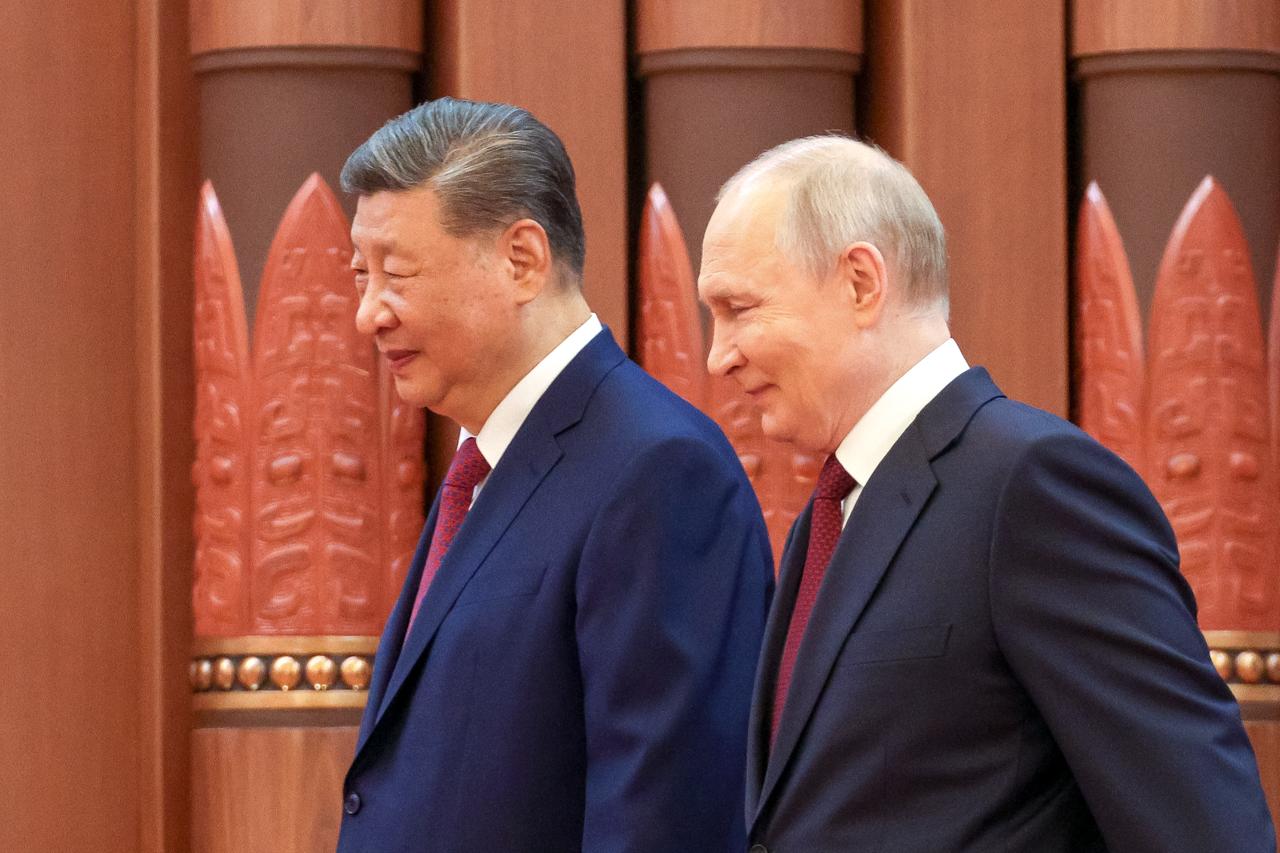
Putin’s visit is about expanding all-around cooperation between China and Russia. The two countries have profoundly bid farewell to a traditional paradigm of “hot politics and cold economics,” and their political mutual trust is translating into strong momentum for collaboration in multiple areas.
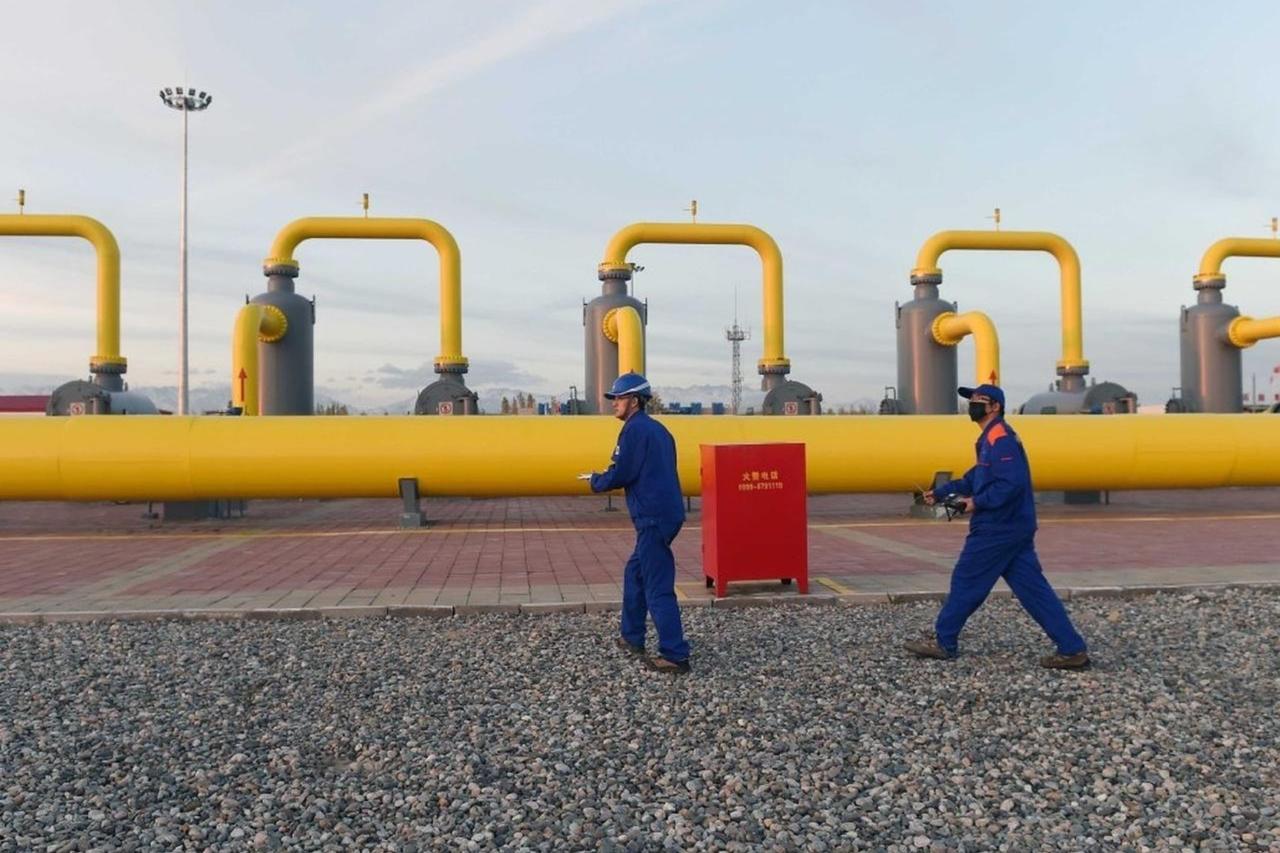
A decade ago, two-way trade was $64.2 billion, a fraction of the China-U.S. trade at the time. By 2025, it had surged to over $228 billion, equating to some 55% of the China-U.S. trade volume in the same year.
It is true that the Ukraine war has accelerated Moscow’s move to seek closer ties with China, but this trend is, at the end of the day, based on the economic complementarity between China and Russia.
China’s pursuit of stability in its relationship with the U.S. doesn’t mean that Beijing will distance itself from Moscow. Over the past three decades, many ups and downs have taken place in China-U.S. ties.
By comparison, the China-Russia relationship has developed in a steady manner, from the 1996 upgrading of ties to a “partnership of strategic coordination” to the 2001 signing of the Treaty of Good-Neighborliness and Friendly Cooperation, and to the further elevations of relations in 2011 and 2019.
In other words, the China-Russia relationship largely follows its own logic, and any change in China-U.S. ties is unlikely to generate a major impact on it.
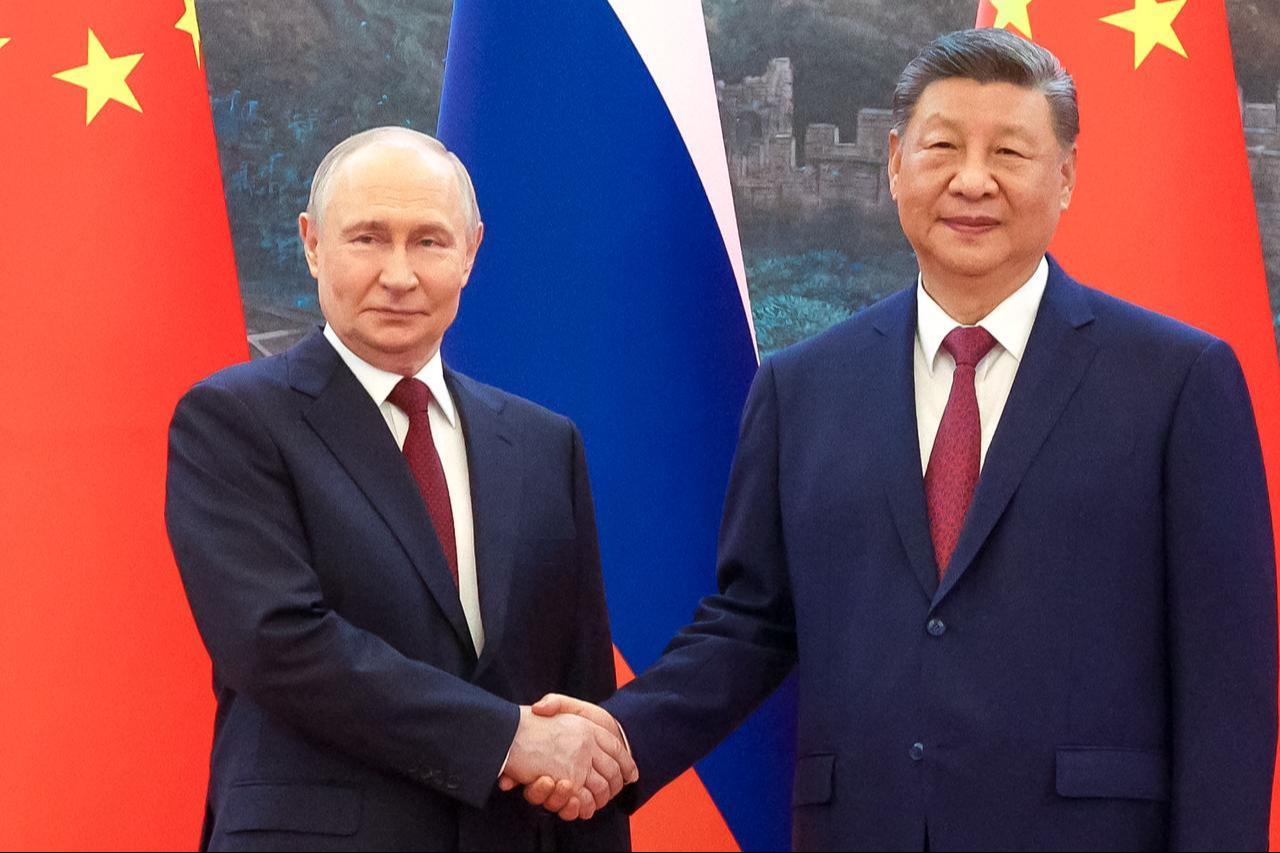
The other way around, a closer strategic partnership between China and Russia shouldn’t become a major concern for the U.S.
Since the mid-1990s, China and Russia have sent a consistent message that they are not interested in forming an alliance and that their partnership doesn’t target any third party. That’s why China, like many non-Western nations, adopts a neutral stance on the Ukraine war.
In the West, a lot has been said about how Beijing and Moscow could work together to challenge the U.S. dominance in global affairs.
Counterintuitively, however, a multipolar world order jointly promoted by China and Russia isn’t necessarily a bad thing for the US. It is reality that, in the present day, the U.S. is increasingly tired of global leadership, which is a key reason for Trump’s election victory in both 2016 and 2024.
If China and Russia are ready to jointly contribute more to global governance, it will create a space for the U.S. to roll back its global overreach and focus more on addressing its domestic challenges.
Needless to say, a stable China-U.S. relationship benefits the rest of the world in many ways, such as delivering more certainty to the global economy and preventing a new Cold War where smaller powers would be forced to pick sides.
Meanwhile, the partnership between China and Russia can also be a force for good. It is certainly encouraging that Beijing and Moscow are joining hands to empower the Global South.
Their involvement in the BRICS and close coordination under its frameworks are noticeable contributing factors in the growing appeal of the multilateral platform among developing nations.
The same also rings true for the Shanghai Cooperation Organization, which plays a key role in combating terrorism, extremism and separatism in Central Asia and beyond.
Regarding the Iran conflict, China and Russia have jointly urged the restoration of dialogue, significantly raising the volume of the voices calling for peace.
When Trump was in Beijing, he made a tour of the Temple of Heaven together with President Xi Jinping. The historical site was where ancient Chinese emperors performed rituals to pray for good harvests.
Of course, that arrangement conveyed Beijing’s desire for fruitful China-U.S. interactions in the future, such as in trade talks and other dialogues.
When it comes to China’s broader major power diplomacy, other essential values represented by the 600-year-old temple—such as harmony and coexistence—are highly relevant as well.
To inject certainty into a turbulent world, stabilizing China-U.S. relations and deepening the China-Russia partnership must go hand in hand.
For Beijing, these two goals are not inherently in conflict.


 Set as preferred source
 Set as preferred source


 2 min read
 1 min read